
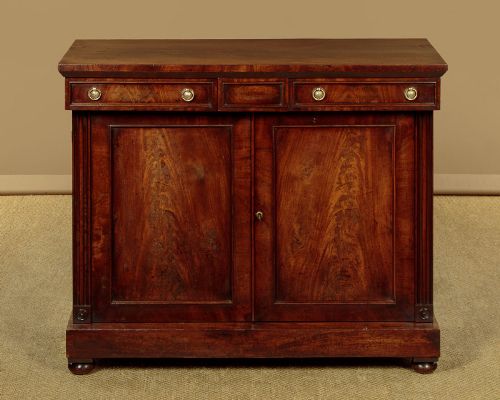
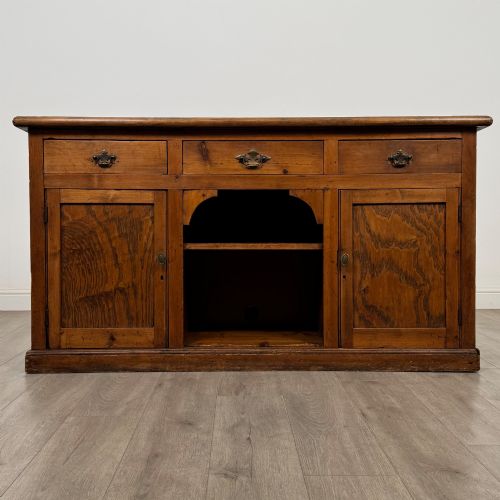
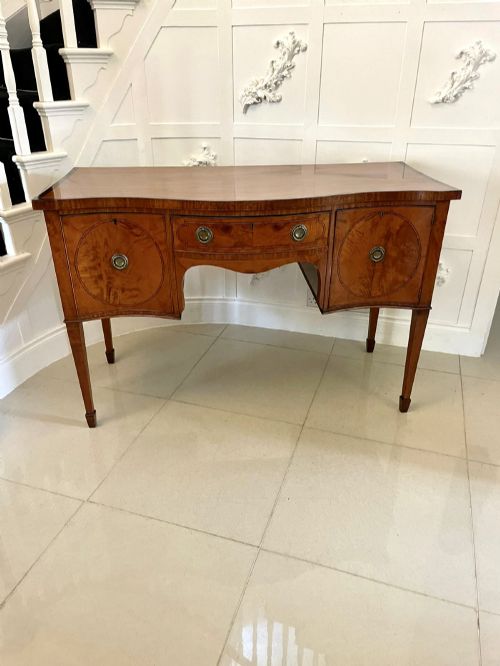
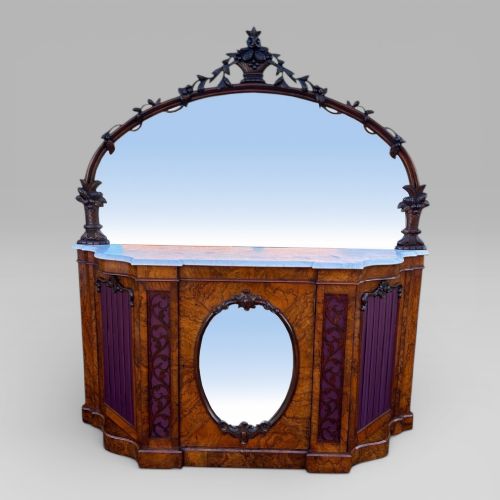
Victorian Wooden Server
A victorian wooden server provides a functional surface for dining rooms and kitchens, combining period craftsmanship with practical storage.
Victorian Wooden Server
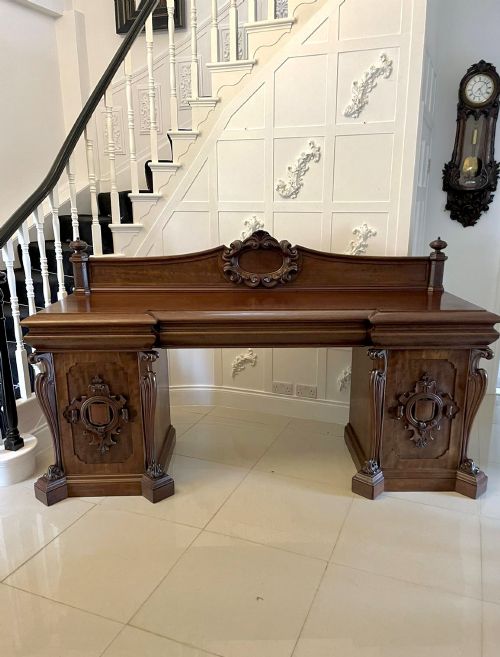
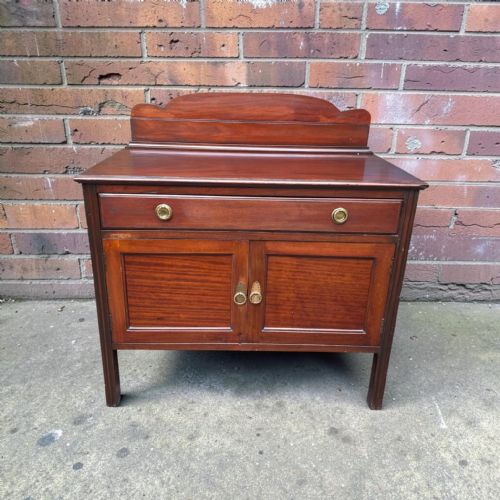
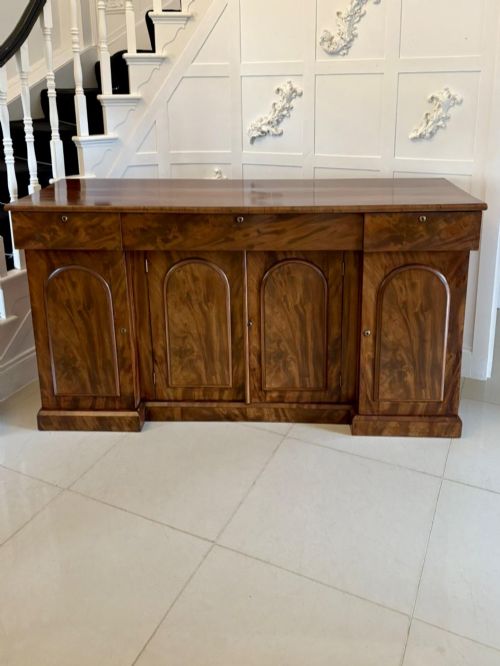
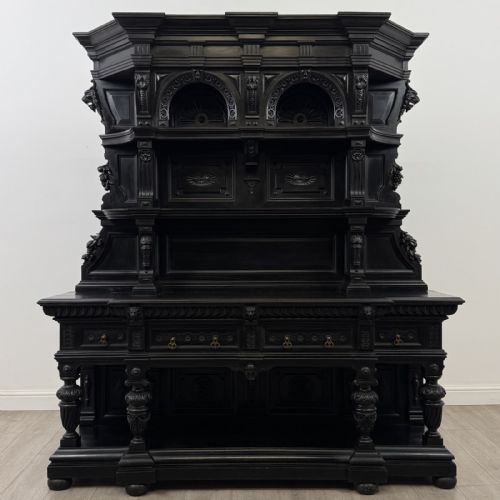
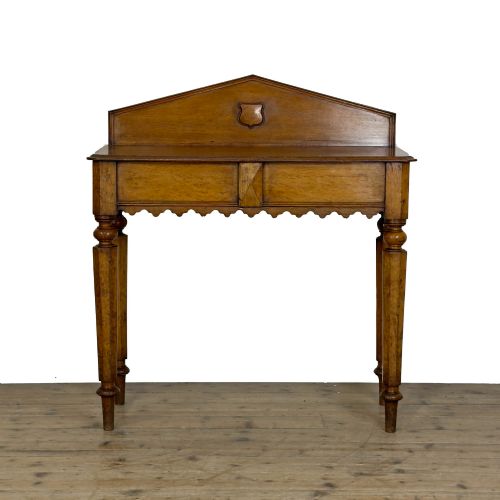
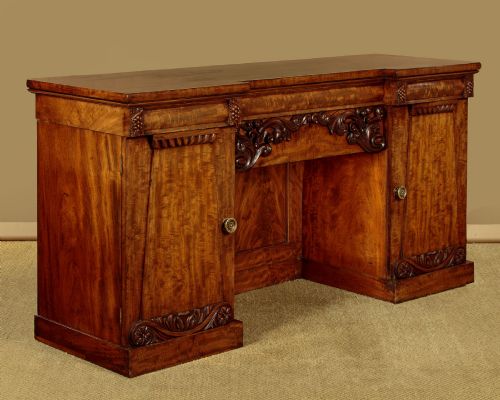
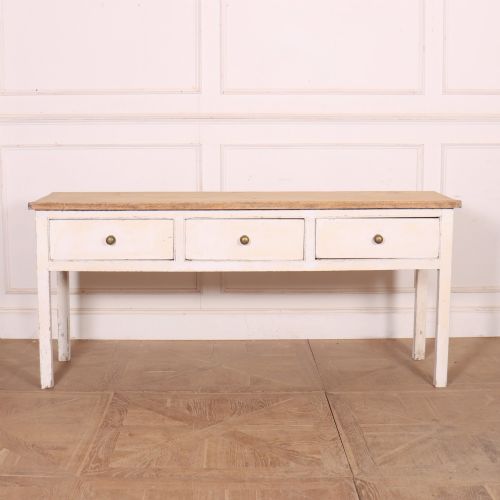
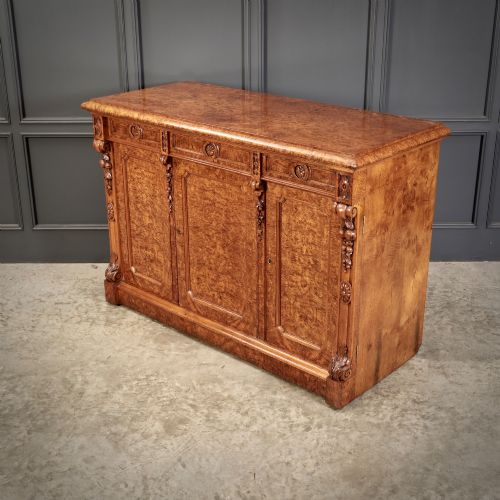
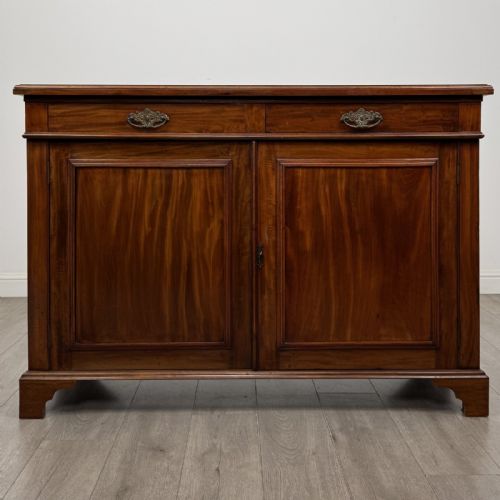
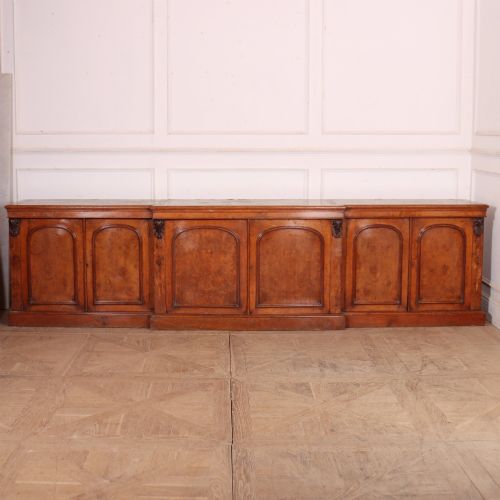
A victorian wooden server encompasses a wide variety of dining and serving furniture, including sideboards, buffets, chiffoniers, and dresser bases. Buyers searching this phrase typically encounter pieces designed for food preparation and service in nineteenth-century homes, ranging from formal mahogany sideboards to rustic pine kitchen dressers.
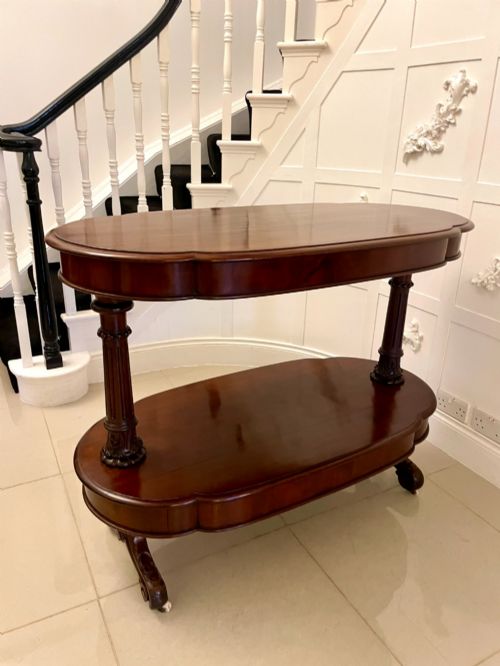
The selection on this page spans the Victorian period alongside related nineteenth-century styles such as William IV, Regency, and Arts and Crafts. Formats vary from large mirror-backed Credenzas to compact two-tiered servers and serving tables intended for domestic utility.
Most examples originate from British workshops and rural kitchens, though global influences appear in Anglo-Indian carved cabinets. Whether configured with drawers, cupboards, or open shelves, each piece reflects the functional storage demands of its era.
Materials and Construction Techniques
Cabinetmakers utilised a broad palette of timbers, relying heavily on solid mahogany, figured mahogany veneer, walnut, and pollard oak for formal reception rooms. Pine and pitch pine served primarily for kitchen dresser bases, dairy tables, and utilitarian serving furniture.
Decoration relied on hand carving, applied mouldings, and decorative veneers such as flame mahogany, complemented occasionally by brass hardware, marble tops, and glass inserts. Joinery methods matched the weight of the timber, resulting in sturdy construction built to endure daily domestic service.
Several pieces feature dog kennel spaces beneath, originally designed to keep hunting hounds warm near the dining room fire.
Factors Distinguishing Quality
Construction integrity defines the upper tier of these pieces, evident in the harmony of proportions, the smoothness of drawer operation, and the retention of original surface treatments such as waxed finishes or early paint.
Gillows·Liberty Ash
The Victorian Wooden Server Glossary
- Chiffonier
- A low compact sideboard or cabinet featuring shelves or a raised back. This form developed during the nineteenth century to store china and glassware in smaller dining spaces.
- Buffet
- A side table or low cupboard used for serving food and displaying dining silver. Nineteenth-century examples often incorporate tiers or rising mechanisms.
- Dresser base
- The lower portion of a kitchen or dining dresser equipped with drawers and cupboards. These pieces provided robust working and storage surfaces in domestic service areas.
- Pollard oak
- Oak timber taken from pollarded trees displaying tightly clustered knots and distinctive grain patterns. Cabinetmakers utilised this figured wood for decorative effect on prominent furniture surfaces.
Victorian Wooden Server: Frequently Asked Questions
What is a victorian wooden server used for?
These pieces functioned as auxiliary surfaces during meals, holding dishes, serving platters, and silverware before they reached the dining table. Cupboards and drawers below stored table linens and dining accessories.
Today, they adapt easily to modern homes as sideboards in dining rooms, media consoles in living spaces, or functional work surfaces in kitchens.
How do I date a nineteenth-century server?
Dating relies on observing wood choices, construction methods, and stylistic cues recorded in the titles, such as Regency influences, Victorian revival styles, or specific decade markers. Formal mahogany pieces often point to earlier decades, while pine and pitch pine items frequently reflect vernacular or regional country traditions.
Examining hardware, backboards, and secondary timbers helps narrow the period of manufacture alongside any documented cabinetmaker marks.
What is the difference between a sideboard and a buffet?
Sideboards generally offer extensive storage through multiple cupboards and drawers, often accompanied by heavy carved details or mirror backs suited to formal dining rooms. Buffets typically present a lighter framework, sometimes featuring tiers, serving tables, or open shelving.
Both categories overlap significantly in nineteenth-century vernacular furniture, where makers adapted standard forms to client requirements.
How should I care for antique wood surfaces?
Maintaining these pieces requires protecting original finishes, whether waxed pine, polished mahogany, or oiled walnut, by avoiding direct sunlight and excessive moisture. Regular dusting with a soft cloth preserves the timber without stripping historical patination.
Applying a traditional beeswax polish occasionally helps nourish dry wood and maintains the lustre of the grain.