
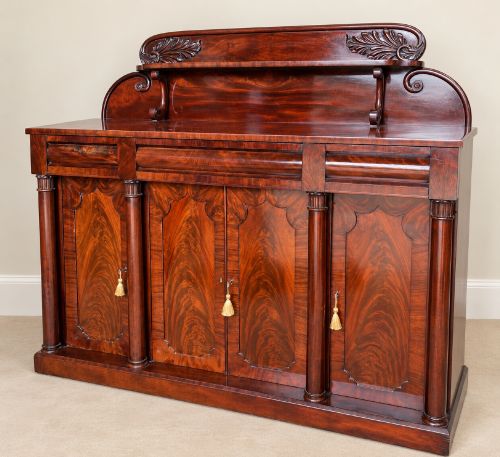

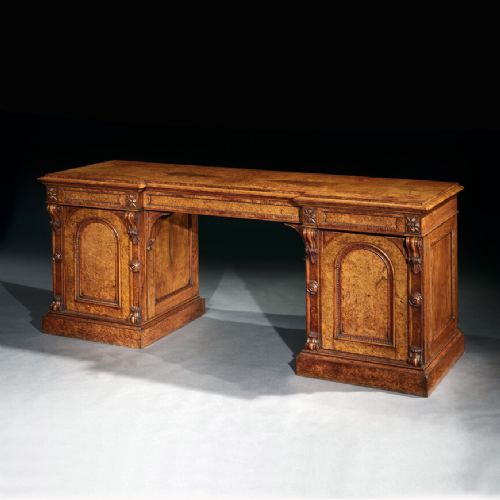
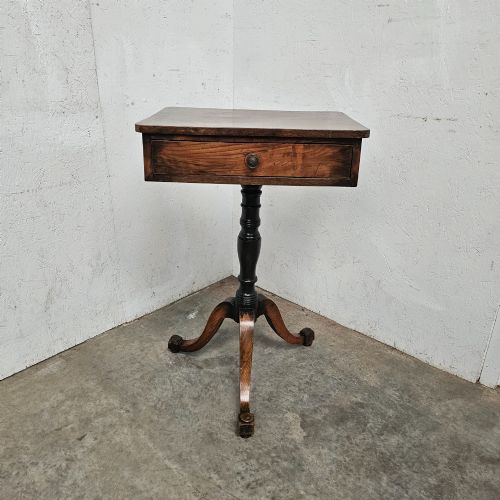
Victorian Wooden Pedestals
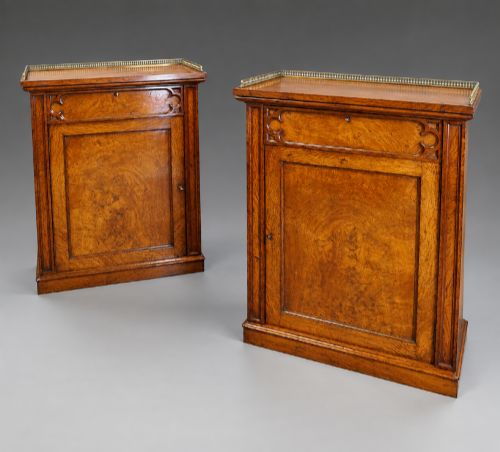
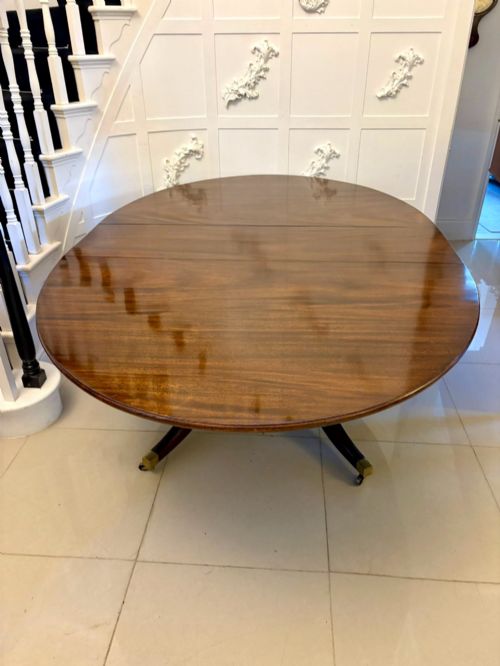
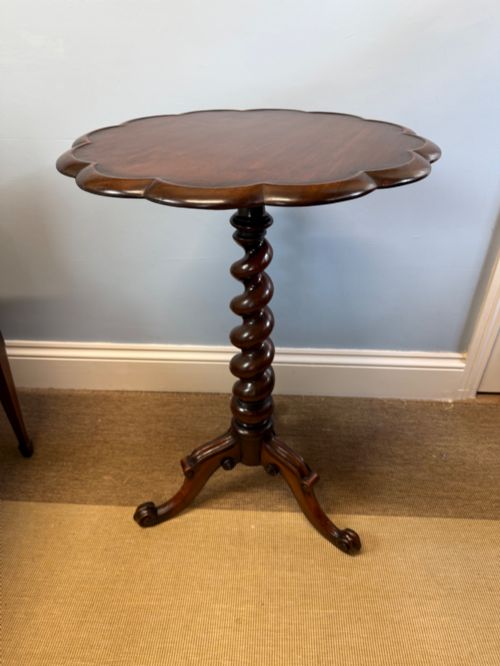
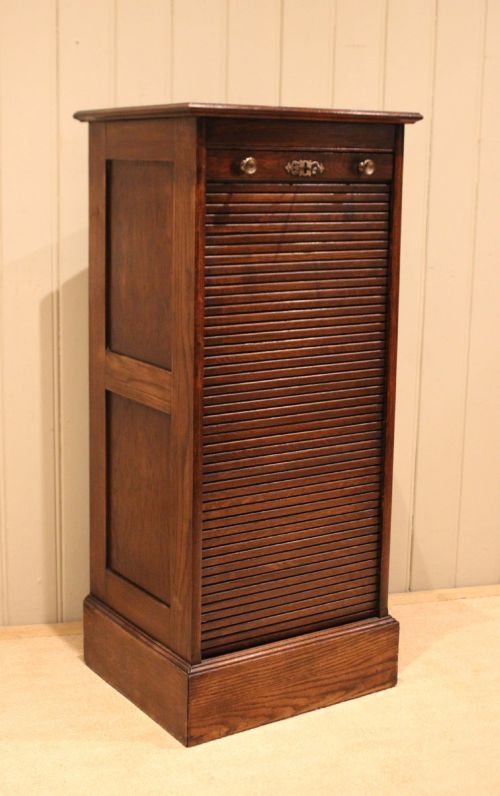
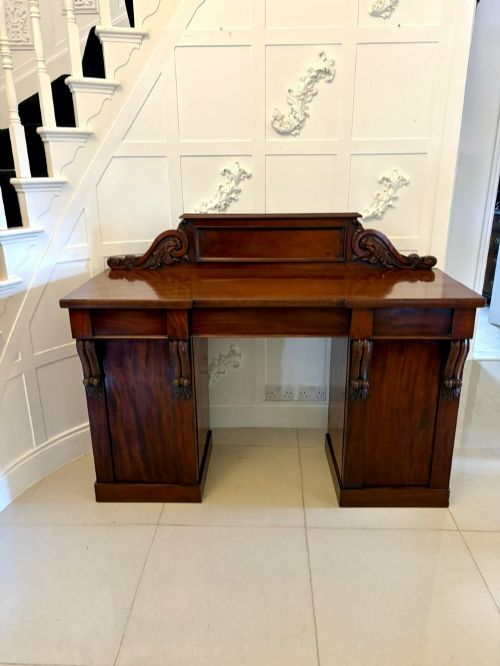
Victorian wooden pedestals are substantial, timber-built supports and single-pillar tables shaped by nineteenth-century cabinet makers to hold lamps, statues or writing materials.
Victorian Wooden Pedestals
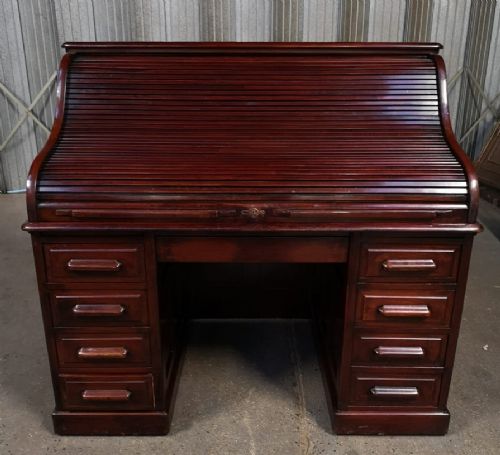
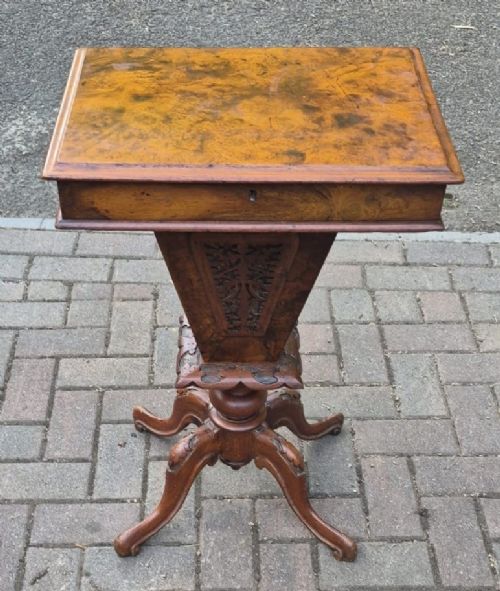
The listings show forms ranging from tilt-top occasional tables and wine tables to cylinder desks and freestanding pedestal kneehole desks. Mahogany, walnut and oak dominate the timber selection, alongside occasional pieces in rosewood, pitch pine and satinwood.
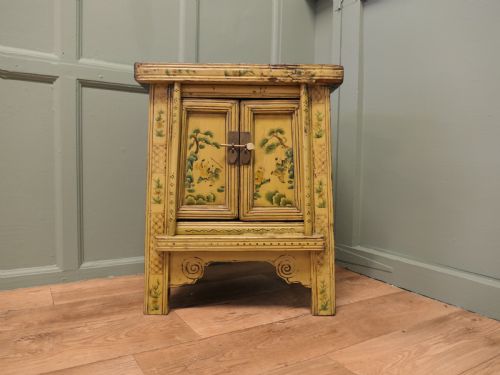
Origins stretch from standard British workshop productions to specific regional pieces, while styles incorporate Victorian conventions alongside Georgian revivals, Arts and Crafts influences and Chinoiserie decoration.
Assessing quality
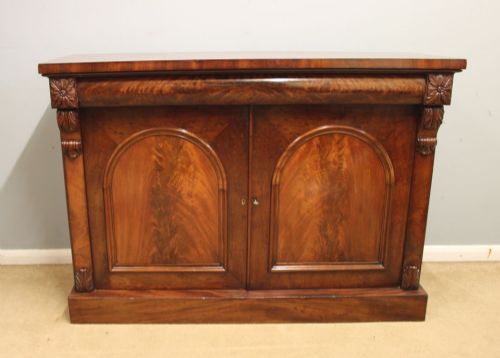
Quality rests upon the selection of timber, visible in the grain pattern of figured mahogany or burr walnut surfaces. Superior pieces display crisp carving, balanced proportions and uncompromised structural integrity in the central pillar or pedestal base.
The degree of hand-finishing in mouldings, fitted interior stationery drawers and inlaid details separates standard utilitarian furniture from exceptional cabinet work produced by leading nineteenth-century makers.
The listings here feature nineteenth-century furniture built from mahogany, walnut, oak, rosewood and pitch pine.
Gillows
The Victorian Wooden Pedestals Glossary
- Tilt-top
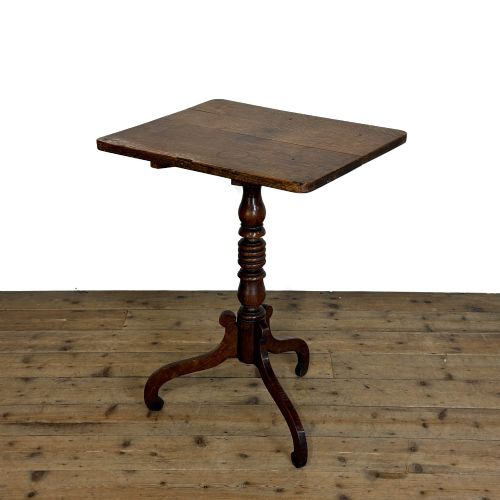
- A table mechanism allowing the wooden top to pivot vertically when not in use. This space-saving design became popular during the nineteenth century for occasional and wine tables.
- Kneehole desk
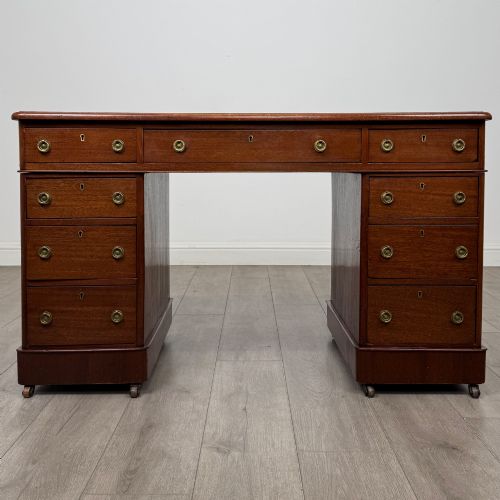
- A freestanding writing table featuring a central recess for the user's legs, flanked by pedestals containing banks of drawers. These items often include pull-out writing slides.
- Burr walnut
- A wood veneer obtained from the deformed growth or burl of a walnut tree. It yields highly figured, swirling grain patterns prized on Victorian table tops.
- Pedestal
- A structural support column or base beneath a table, desk or cabinet. Single or twin pillars distribute weight evenly down to supporting feet.
- Chinoiserie
- European decorative style imitating Chinese artistic traditions. Pieces display painted or lacquered motifs on wooden surfaces.
Victorian Wooden Pedestals: Frequently Asked Questions
How do I identify a Victorian pedestal desk?
Victorian pedestal desks typically feature a central writing surface positioned above two banks of drawers or cupboards, often accompanied by fitted stationery compartments inside roll tops or cylinder lids. They utilise timbers such as mahogany and walnut, showcasing nineteenth-century joinery.
Examine the drawer linings and backboards for hand-cut dovetailing and secondary woods consistent with the period. Freestanding versions finished on all sides indicate superior placement flexibility in historic studies.
Where should I place a wine table?
Wine tables and candle stands work well beside armchairs, sofas or in corners where a small surface is required for drinks or lighting. Their compact footprint allows them to occupy minimal floor space.
Ensure the tilt-top mechanism, if present, is secured safely before placing heavy objects upon the wooden top. Keep them away from direct heat sources to protect the polished timber finish.
What is a tilt-top pedestal table?
A tilt-top table incorporates a brass or iron catch beneath the surface that lets the wooden top pivot from horizontal to vertical. This allowed nineteenth-century households to store tables flat against walls when rooms required clear floor space.
The pillar base usually terminates in three or four carved wooden legs. Check the integrity of the pivot block to ensure the top locks securely into position during use.
How do I care for antique mahogany furniture?
Maintain antique mahogany and walnut surfaces by dusting regularly with a soft, dry cloth and avoiding silicone-based polishes. Occasional application of quality beeswax feeds the timber and preserves the natural lustre.
Keep wooden pedestals away from direct sunlight and radiators to prevent the timber from drying out and splitting. Consistent indoor humidity levels protect both solid wood and applied veneers.