


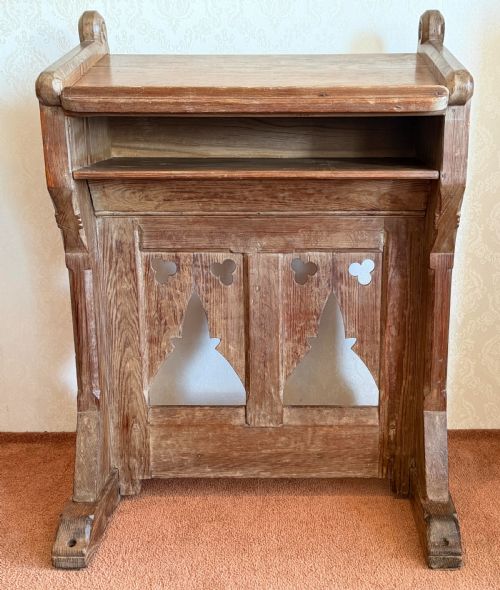
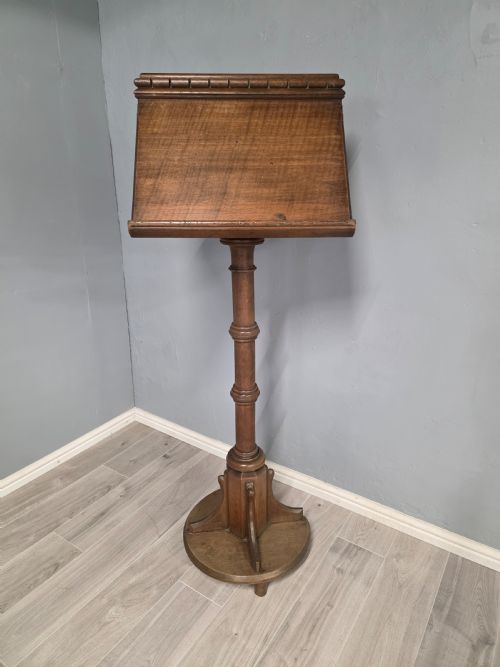

Victorian Wooden Lectern
A victorian wooden lectern brings architectural presence and scholarly utility to a room, offering a sturdy surface for books and music.
Victorian Wooden Lectern
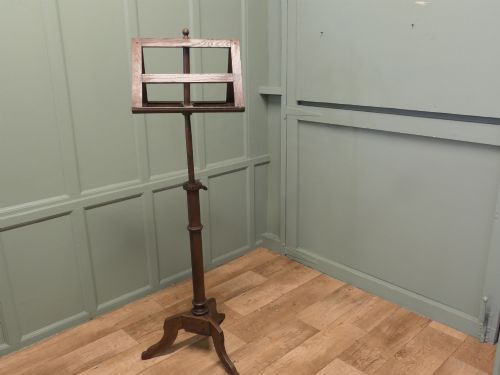
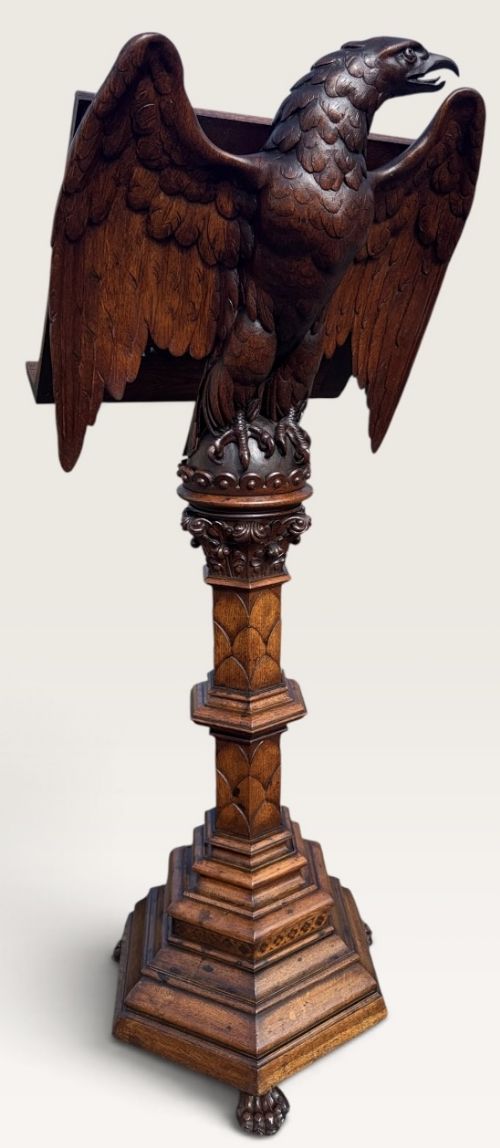
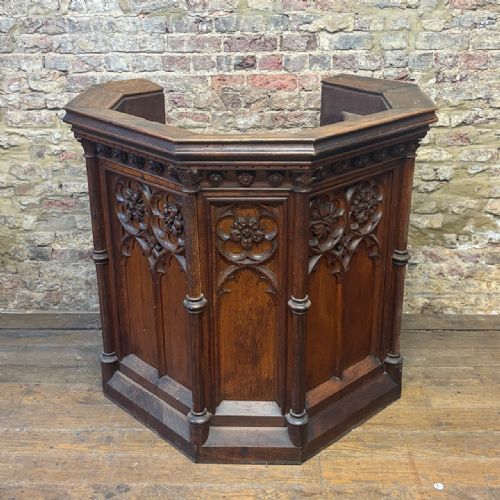
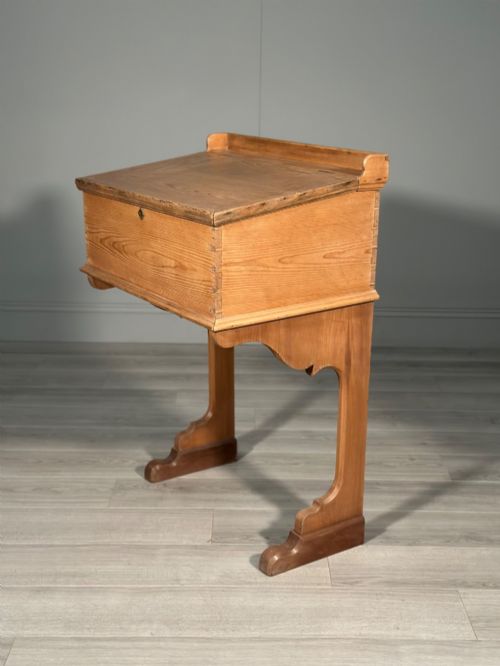
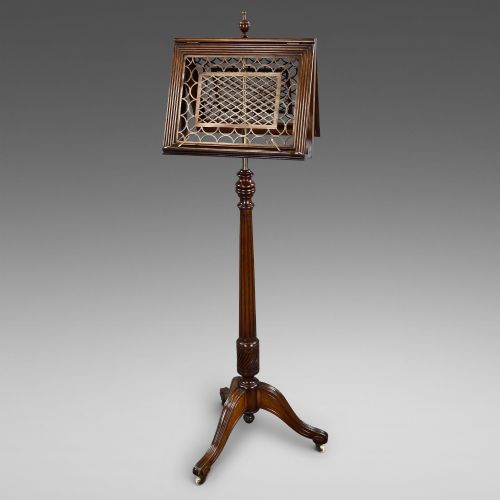
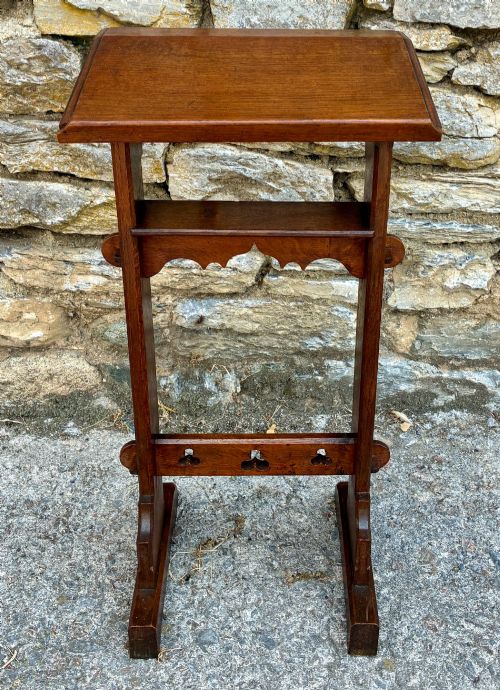
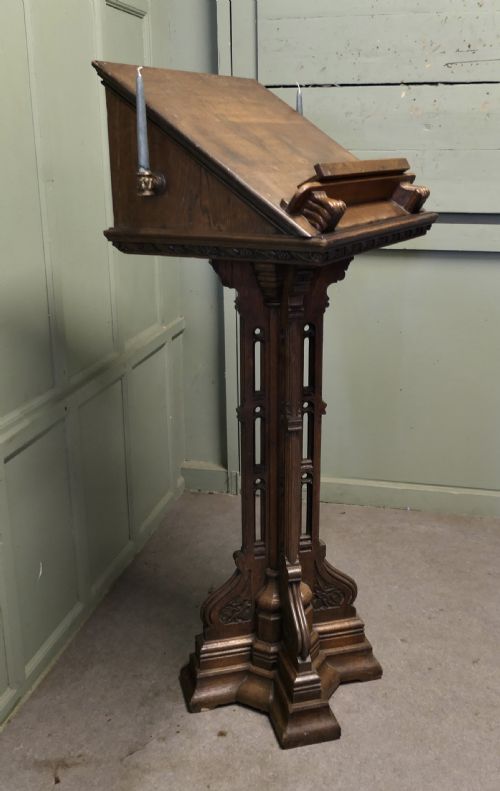
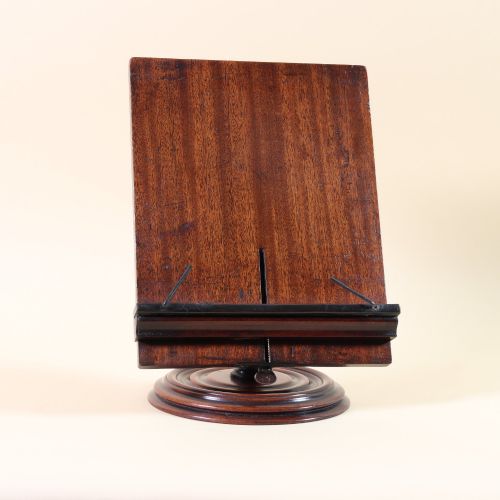
A victorian wooden lectern encompasses reading stands, music stands, book rests, and church pulpits designed during the nineteenth century and associated eras. These pieces range from compact desk-top book supports to substantial floor-standing church lecterns featuring carved eagles.
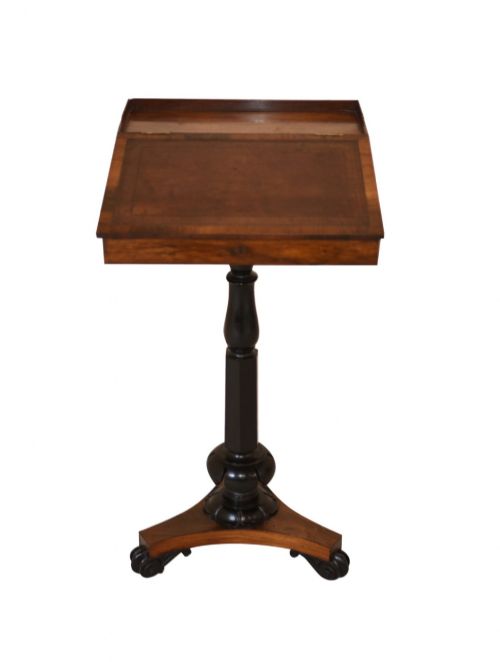
Oak and mahogany dominate the offerings, appearing alongside walnut, pine, teak, and gonçalo alves in various floor-standing and tabletop configurations. Buyers most frequently encounter carved oak church lecterns and adjustable mahogany music stands from the period.
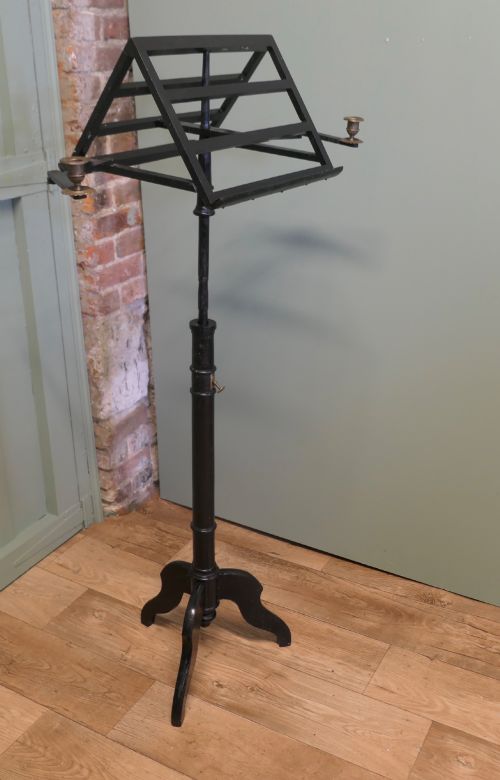
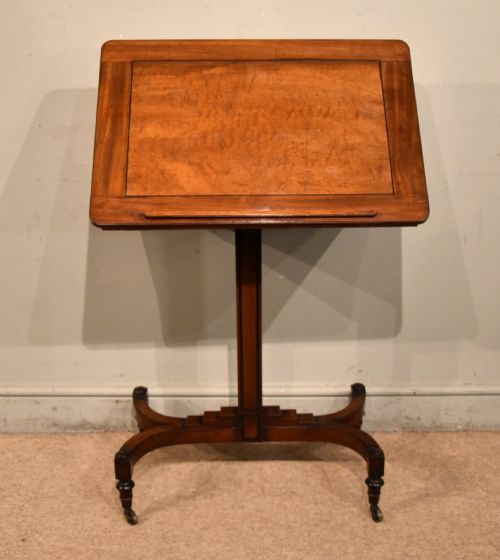
The selection includes folding book pedestals, duet stands, and reading tables spanning Regency, Gothic Revival, Arts and Crafts, and Anglo-Indian styles. Many examples incorporate brass work, ebonised finishes, or mother of pearl inlay to enhance their utility.
How they were made
Carpenters and cabinet makers utilised solid timbers such as oak and mahogany, shaping them through carving, turning, and joinery techniques. Details often included fretwork, brass bindings, and inlaid mother of pearl.
Adjustable mechanisms relied on metal screws, ratchets, and brass hardware to allow movement in reading tables and music stands. Surface finishes ranged from polished mahogany and burr walnut to ebonised treatments and carved church woodwork.
Victorian Wooden Lectern Retail Price Guide 2026
Typical asking prices for victorian wooden lectern among the pieces listed under this phrase on Sellingantiques today, from the lower quarter to the upper quarter. They describe what is for sale here now, not the wider market.
The inventory spans multiple design movements, including Regency, Gothic Revival, Arts and Crafts, and Anglo-Indian styles.
What varies in quality
The distinction between standard items and superior examples lies in the depth and execution of the carving, particularly on figurative elements like eagles or architectural panels. Timber selection also dictates grade, with burr walnut, gonçalo alves, and figured mahogany marking out finer commissions.
Complexity of function separates basic reading stands from fully adjustable duet stands and heavy library or church pulpits. The integration of quality brass work, precise inlay, and robust mechanical adjustments elevates the standing of an individual piece.
The Victorian Wooden Lectern Glossary
- Gothic Revival
- An architectural and decorative style drawing inspiration from medieval design. It frequently appears on church lecterns with pointed arches and heavy carved tracery.
- Duet Stand
- A music stand or lectern designed to accommodate two people reading simultaneously. These often feature adjustable twin desks.
- Gonçalo Alves
- A dense exotic hardwood with striking figuring, sometimes utilised for fine nineteenth-century tripod stands. It provides a heavy, durable structure with rich colour variation.
- Ebonised
- Wood treated with a dark stain or finish to imitate ebony. This technique appears on nineteenth-century reading and music stands.
- Lyre-Shaped
- A decorative form shaped like an ancient musical instrument, commonly incorporated into the central column or frame of music stands.
Victorian Wooden Lectern: Frequently Asked Questions
How do I use a lectern at home?
These pieces serve well as book stands for reading heavy volumes or as music stands in a study or living space. Adjustable versions allow you to alter the reading angle for comfort.
Floor-standing models anchor a room visually, while desktop book rests provide practical utility on tables or desks without taking up floor space.
What is the difference between a lectern and a music stand?
A lectern traditionally offers a sloped, solid surface suited for holding books, notes, or church texts. Music stands frequently feature lighter open frames or adjustable ledges designed specifically for sheet music.
Many nineteenth-century pieces blur this distinction, functioning equally well for reading volumes or supporting scores through adjustable mechanisms.
How do I identify a Gothic Revival lectern?
Gothic Revival pieces display architectural motifs borrowed from medieval buildings, such as pointed arches, tracery, and heavily carved panels. Oak is the predominant timber for this style.
They often originate from ecclesiastical settings like churches or chapels, featuring robust construction and dramatic ornamentation such as carved eagles.
Can I adjust the height of these stands?
Many nineteenth-century reading stands and music tables incorporate mechanical adjustments using wooden screws, brass keys, or ratchets. These allow you to alter both height and reading angle.
Fixed-height pieces, particularly church pulpits or heavy oak lecterns, remain stationary and are built for standing use at a set elevation.