
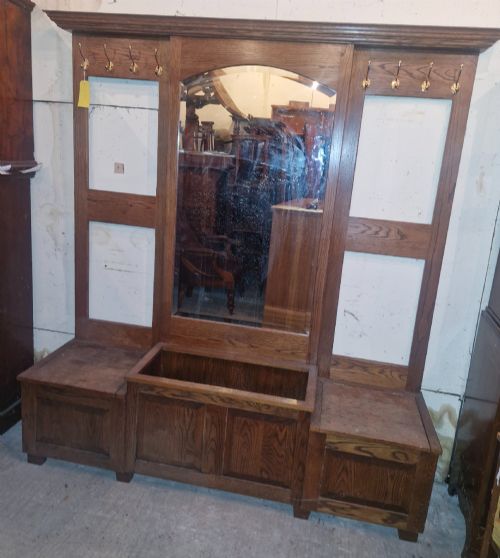
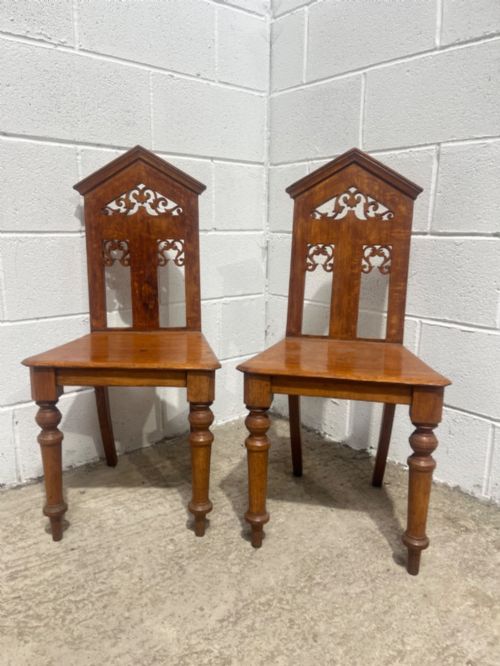
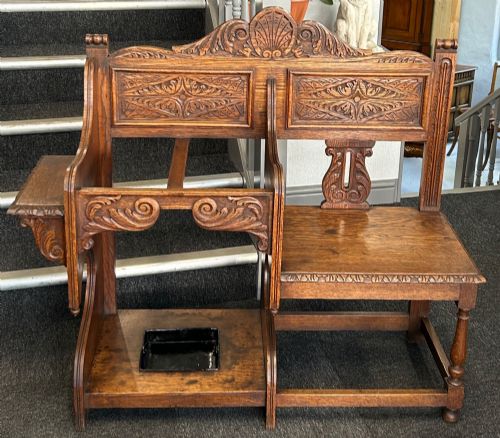
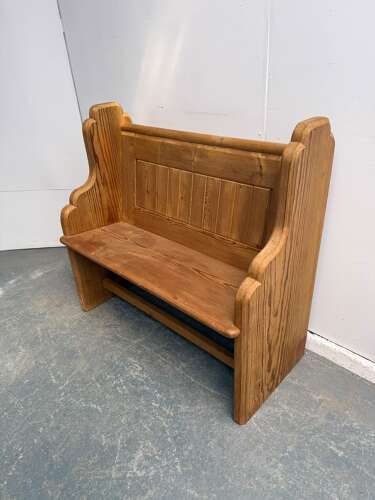
Victorian Wooden Hall Seat
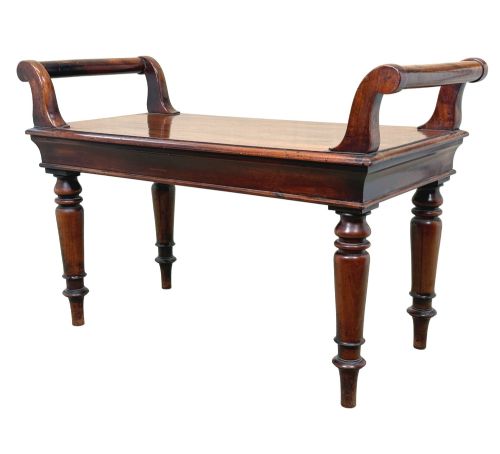
A victorian wooden hall seat grounds an entrance hall with solid timber presence, offering a practical perch for pulling on boots.
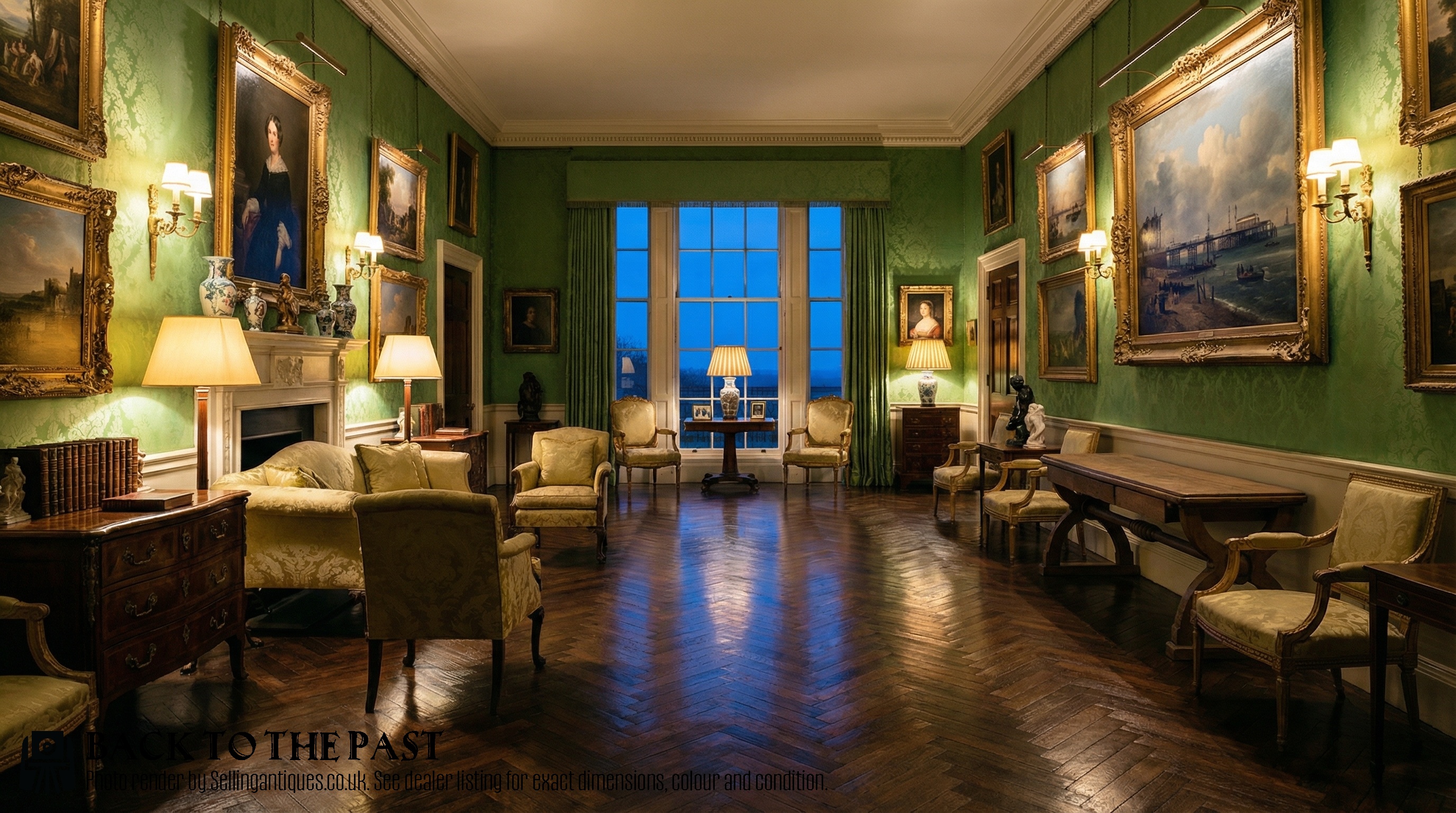
Victorian Wooden Hall Seat
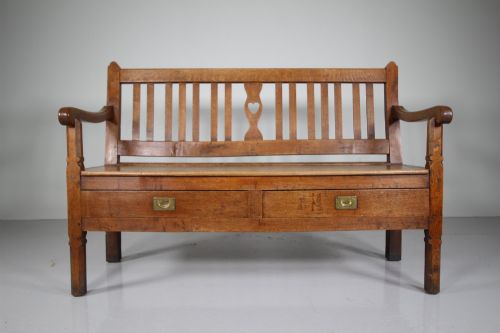
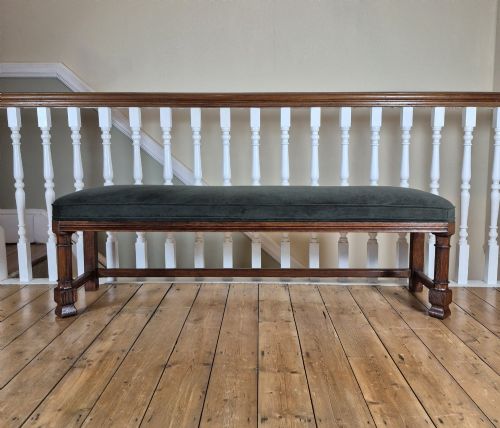
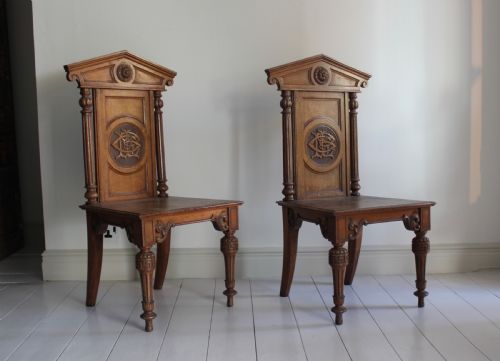
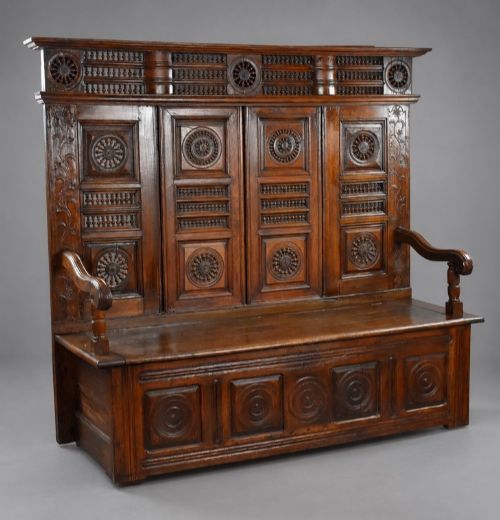
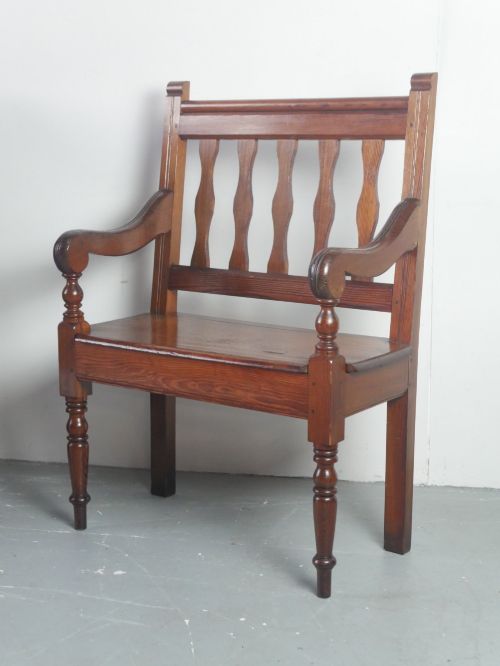
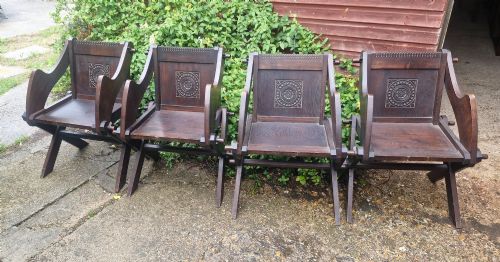
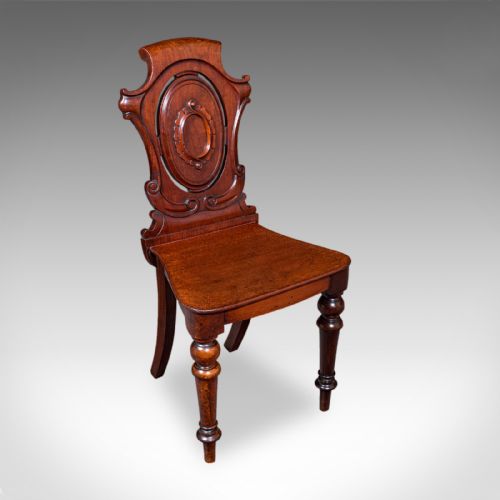
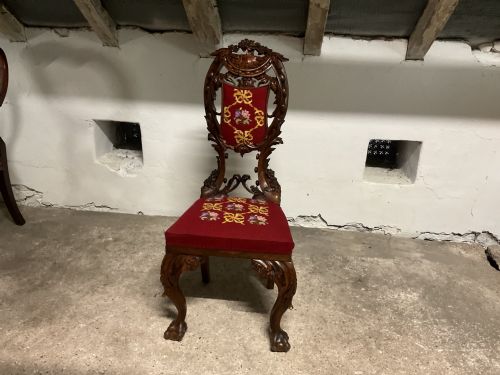
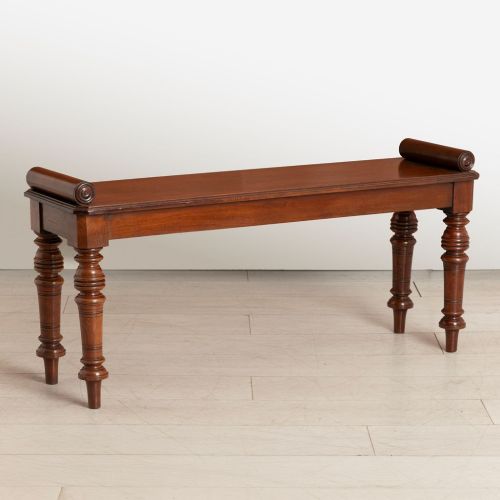
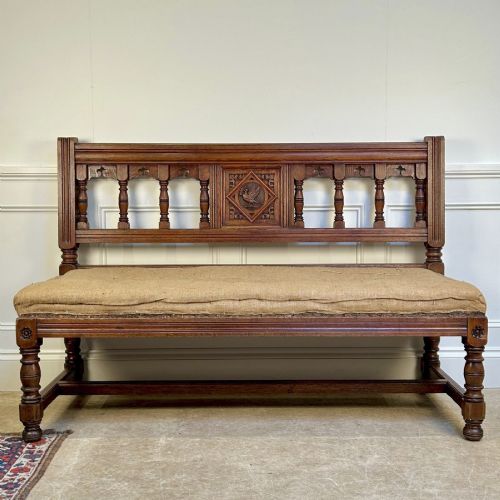
A victorian wooden hall seat encompasses robust oak, pine and mahogany benches, settles and panelled seats designed for the entrance hall. These pieces arrive from the nineteenth century in various forms, including architectural settles, box seats with storage, and matching pairs of hall chairs.
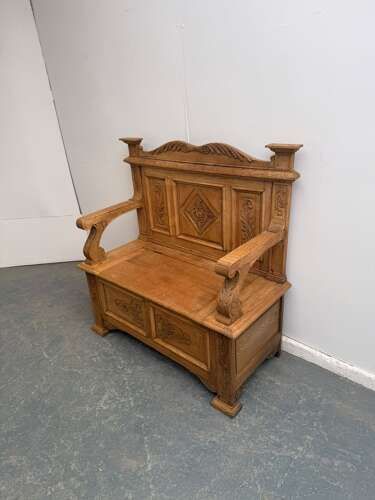
The version most commonly encountered on this page is the nineteenth century oak bench or settle, often displaying Gothic revival or vernacular country characteristics. Makers shaped these items for heavy domestic traffic, integrating stick stands, high panelled backs, and hinged lids for boot storage.
How they were made
Cabinet makers and vernacular joiners relied primarily on solid oak, pine, pitch pine, and mahogany, securing the heavy timbers with traditional tenon and mortise joinery. Surfaces received wax polishing, ebonising, or simple paint finishes, while select examples incorporated brass mountings and carved wooden panels.
Structural integrity depended on thick timber planks for seats and upright backs, frequently reinforced with architectural mouldings or turned arm supports. Upholstery, leather, and fabric occasionally appeared on window seats and reception chairs, though many surviving hall benches retain bare, carved wooden seats.
The inventory records functional variations including box settles, umbrella stand combinations, and church pews repurposed for domestic halls.
What varies in quality
The standard of carving and timber selection dictates the distinction between standard utility furniture and workshop pieces produced by known cabinet makers. Fine pieces display deep, crisp relief carving, well-figured oak or mahogany grains, and substantial architectural proportions that remain rigid under daily use.
Construction details reveal the original maker's intent, separating plain country pine pews from sophisticated town seats outfitted with integrated umbrella stands and brass hardware. The depth of the wax finish and the tightness of the panel joints further separate workshop production from simpler vernacular carpentry.
Gillows·Jas Shoolbred·James Shoolbred & Co.
The Victorian Wooden Hall Seat Glossary
- Settle
- A wooden bench with a high panelled back, solid arms, and frequently a box compartment beneath the seat for storage. This form kept draughts away from the entrance.
- Gothic Revival
- A nineteenth century architectural and decorative style drawing inspiration from medieval forms, featuring pointed arches, tracery, and heavy carved woodwork.
- Box Settle
- A bench fitted with a hinged seat lid that opens to reveal a storage well for blankets, boots, or accessories. These items served a dual purpose in busy hallways.
- Hall Chair
- A rigid wooden seat with a high back, usually lacking upholstery, designed for occasional use in an entrance hall or corridor. Pairs and sets often display carved family crests or shields.
- Pitch Pine
- A dense, resinous softwood utilised widely in Victorian construction for its durability and distinct grain pattern. It provided a resilient alternative to standard hardwoods.
Victorian Wooden Hall Seat: Frequently Asked Questions
Where did these seats stand originally?
These wooden benches and chairs stood in the entrance halls, corridors, and reception rooms of Victorian houses and public buildings. They provided a formal greeting point for visitors and a sturdy place for household members to remove outdoor footwear.
Larger country houses utilised long settles near front doors to block cold drafts, while urban townhouses favoured slender hall chairs and benches with integrated umbrella stands.
How do I care for a waxed oak bench?
Maintain the timber by applying a traditional beeswax polish sparingly with a soft cloth, buffing it gently to preserve the natural lustre. Avoid placing the wood near direct heat sources or in strong sunlight, which can dry and split older timbers.
Clean surfaces regularly with a dry, lint-free cloth to remove dust from carved recesses and panel grooves without disturbing the historic finish.
Are these benches comfortable for daily seating?
Victorian hall furniture prioritised upright posture and durability over plush lounging comfort. Most examples feature carved wooden seats and rigid vertical backs intended for brief periods of sitting.
Adding a loose fabric cushion or sheepskin can soften the seat for regular daily use without altering or damaging the antique wooden structure.