
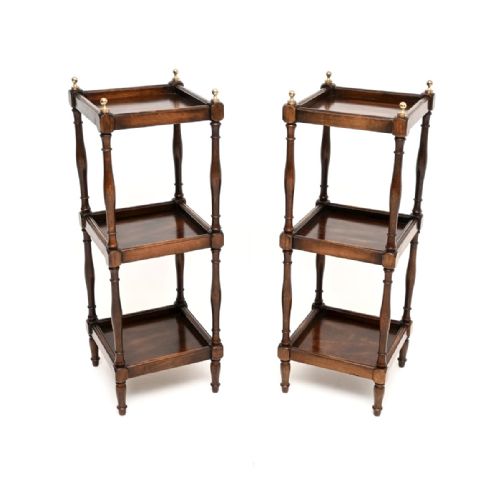
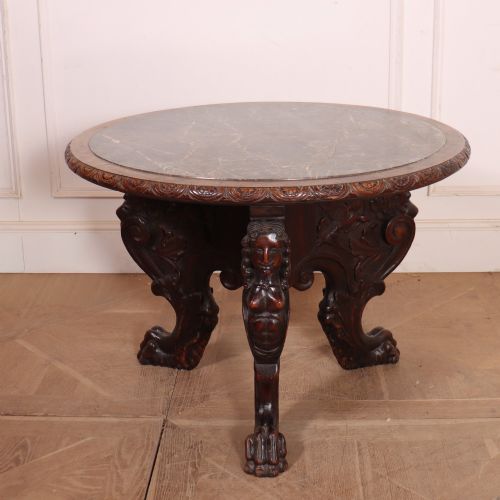
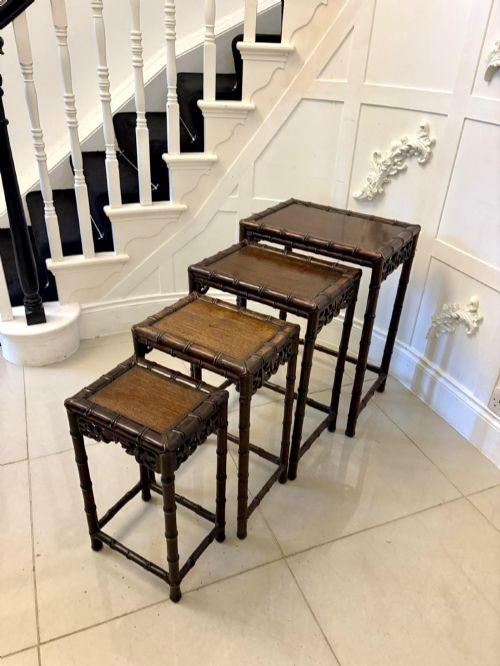
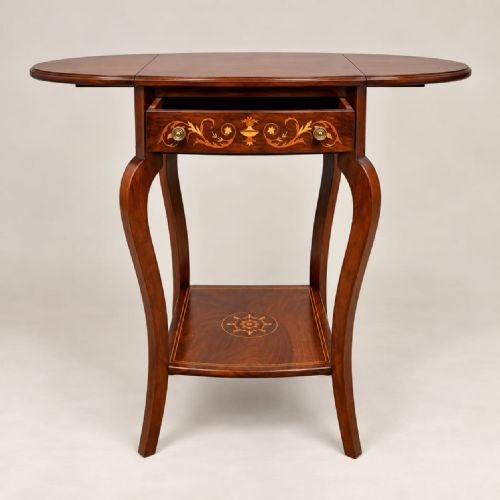
Victorian Wooden End Table
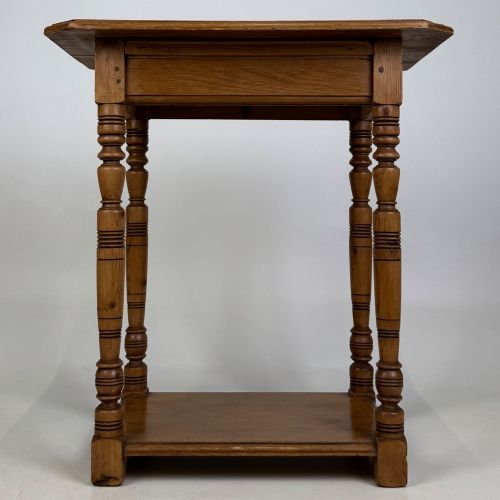
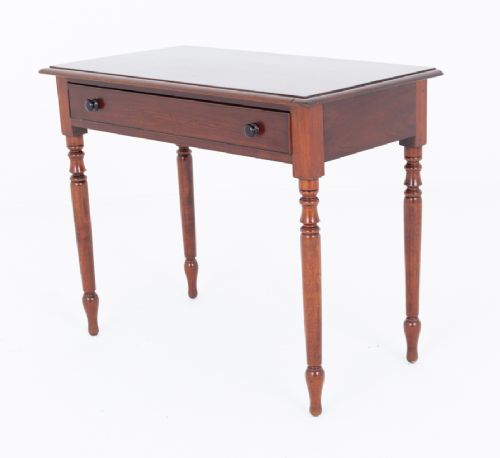
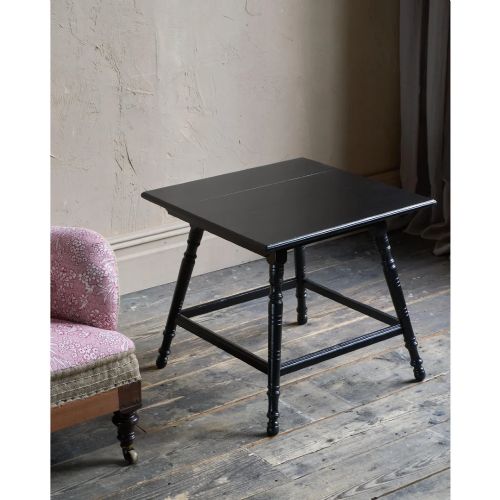
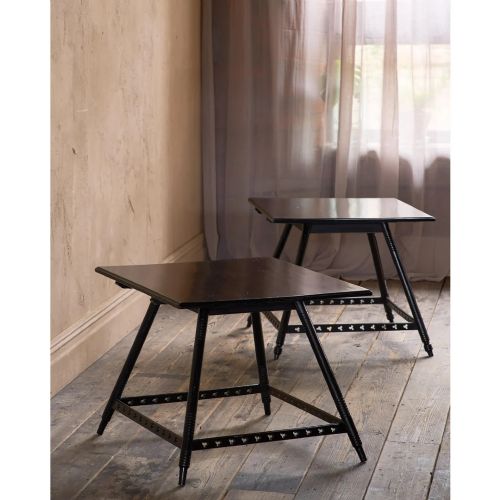
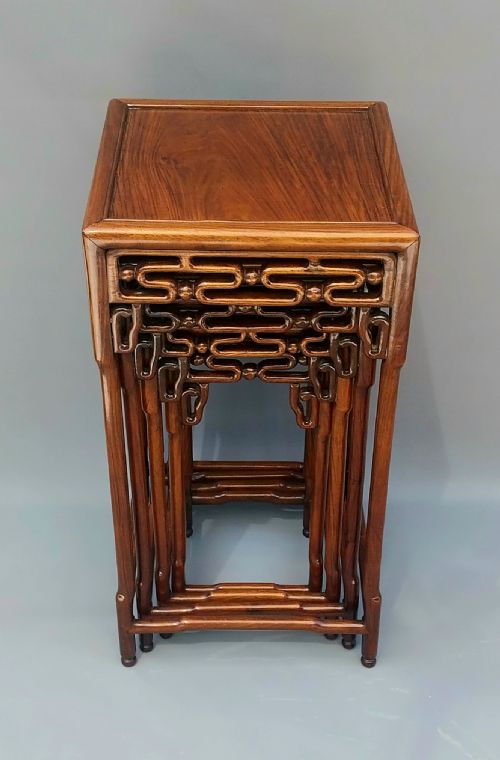
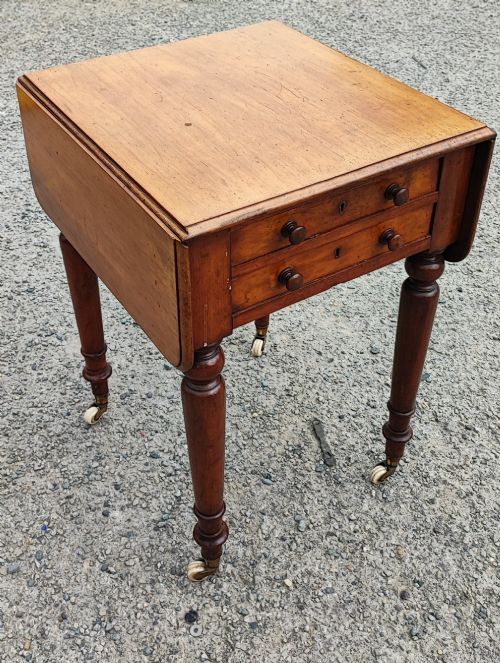
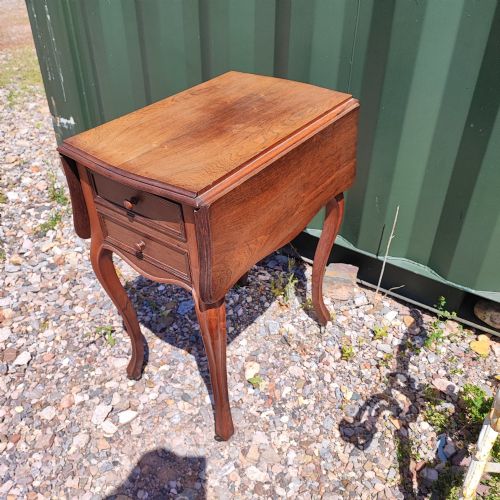
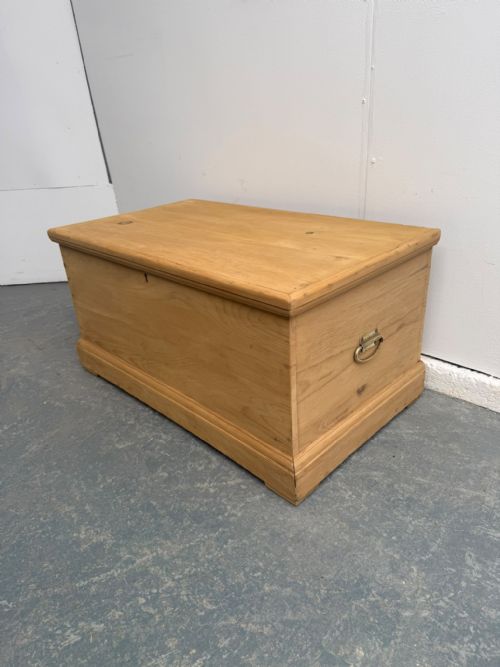
A victorian wooden end table brings compact nineteenth-century utility and rich timber grain to a corner or bedside.
Victorian Wooden End Table
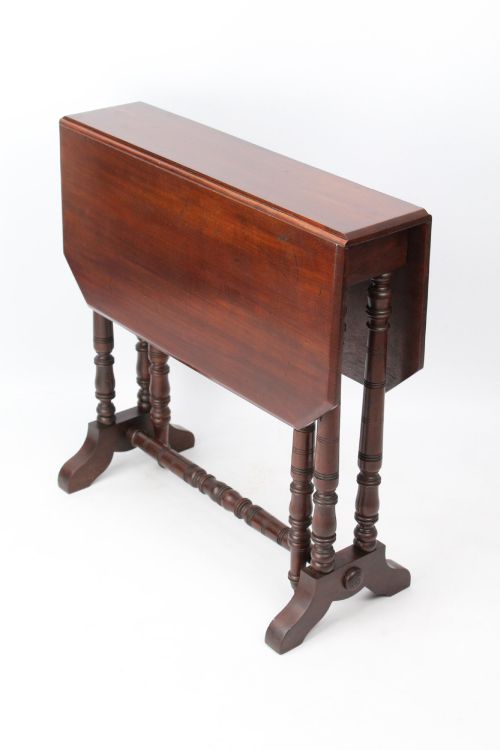
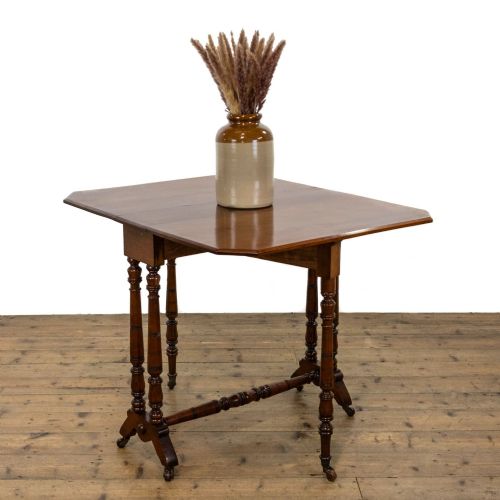
A buyer seeking a victorian wooden end table encounters a diverse selection of nineteenth-century occasional pieces, side tables, and lamp tables designed for specific domestic tasks. The inventory spans straightforward mahogany drop-leaf designs and walnut Sutherland tables alongside more ornate regional variations from the period.
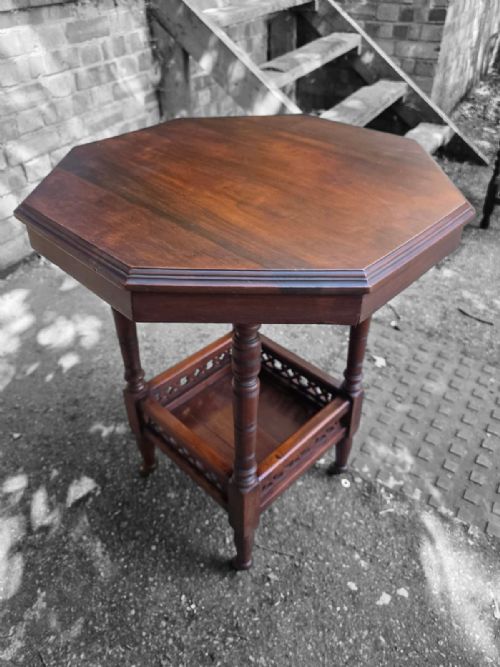
Most examples hail from the Victorian era or the broader nineteenth century, frequently manifesting as small side tables, bedside tables, or nests of tables. Forms range from simple single-drawer setups to intricate octagonal lamp tables and gate-leg constructions.
Materials and Construction
Cabinetmakers relied heavily on dense tropical hardwoods like mahogany and rosewood, alongside native English timbers such as oak, walnut, and pine. These woods were turned, carved, or veneered to create stable surfaces for daily domestic use.
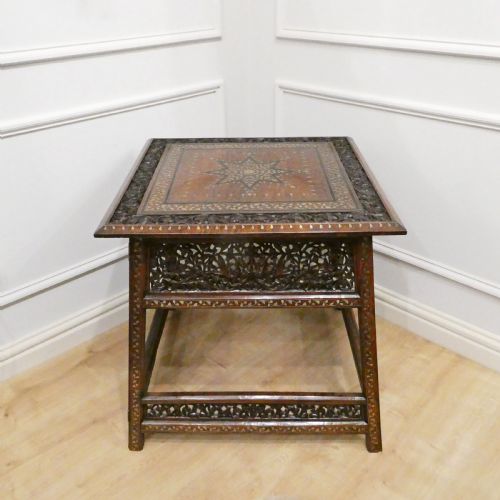
Surface decoration frequently incorporated brass inlay, satinwood stringing, or elaborate carved motifs influenced by Anglo-Indian, Moorish, and Aesthetic Movement traditions. Drop leaves, gate legs, and Pembroke mechanisms added mechanical versatility to fixed wooden frames.
Periods represented span the nineteenth century, Georgian eras, and Victorian reigns, alongside specific years like 1860, 1880, 1890, 1900, and 1920.
Assessing Quality
Quality rests upon the selection of timber grain, the crispness of hand-carved details, and the integrity of structural joinery such as dovetailing in drawers. Finer pieces demonstrate careful timber matching and restrained inlay rather than superficial ornamentation.
Workshop origin and timber choice dictate the upper tier of the range, where dense rosewood, figured walnut, or specialised brass and bone inlay elevate a standard functional table into a considered decorative object.
Hindley and Sons·Gillow
The Victorian Wooden End Table Glossary
- Sutherland table
- A narrow drop-leaf table with exceptionally deep flaps and a folding gate-leg underframe designed to save space when closed.
- Pembroke table
- A small occasional table equipped with two hinged drop leaves on opposing sides and frequently containing a single end drawer.
- Hongmu
- A traditional Chinese term for dense, heavy hardwoods, often translated as red wood, frequently utilised for imported nineteenth-century tables.
- Occasional table
- A light, movable side table intended for transient domestic use rather than a fixed central position in a room.
- Satinbirch
- A pale, lustrous timber derived from birch trees, prized by nineteenth-century makers for its reflective grain.
Victorian Wooden End Table: Frequently Asked Questions
What is a victorian wooden end table used for?
These tables served various domestic functions in nineteenth-century homes, acting as lamp stands, bedside tables, or small surfaces for reading materials and needlework.
Their compact dimensions allowed them to fit easily beside armchairs, in tight hallways, or against bedroom walls without dominating the floor space.
How do I identify a Victorian table?
Identification relies on observing timber choices like dark mahogany or walnut, traditional joinery methods, and characteristic stylistic markers from the nineteenth century.
Many pieces also display period hardware, such as brass castors or turned wooden knobs, which help narrow down the date of manufacture.
Are drop leaf tables sturdy?
Drop leaf variants utilise hinged flaps supported by pivoting wooden legs or swing brackets designed to bear everyday weight securely when fully extended.
When folded down, the side flaps reduce the overall footprint significantly, making these pieces adaptable for modern rooms with limited space.
How do I care for antique wood?
Maintenance involves keeping wooden surfaces away from direct heat sources and strong sunlight to prevent timber shrinkage, warping, or fading of the polish.
Regular dusting with a dry cloth and occasional application of appropriate wax helps preserve the historic finish without damaging the grain.