


Victorian Wooden Desk Box
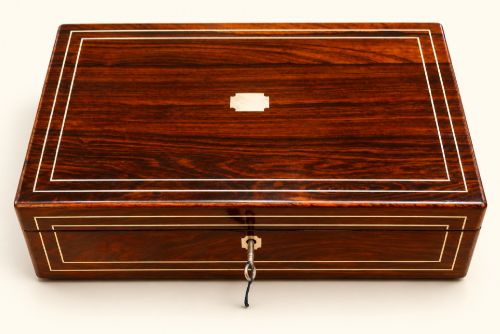
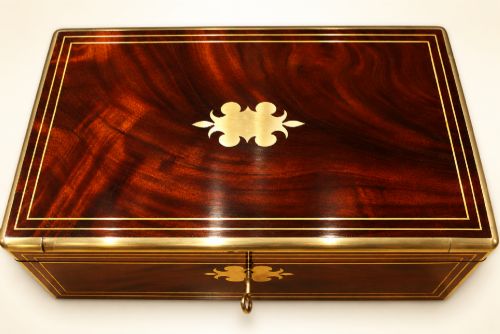
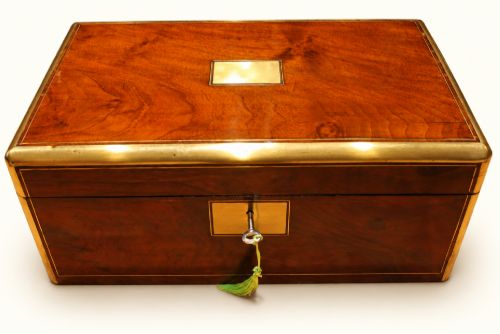
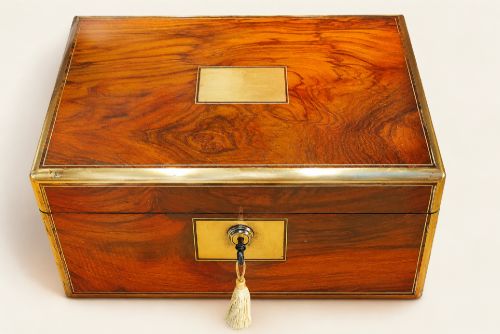
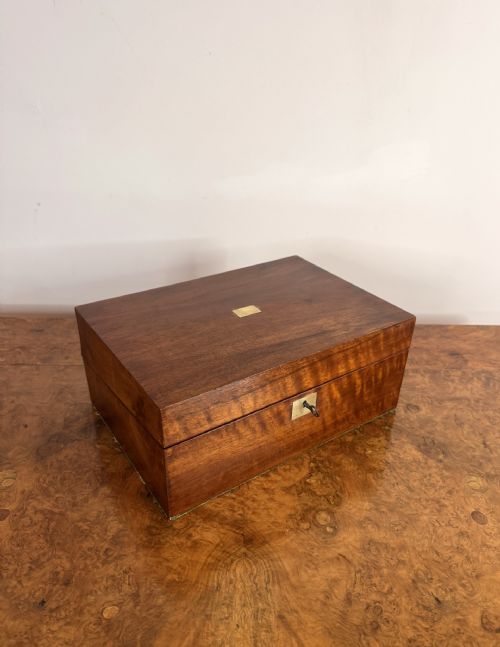
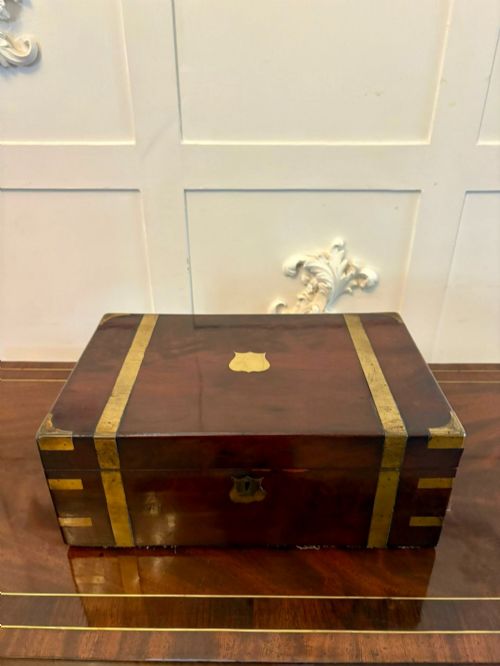
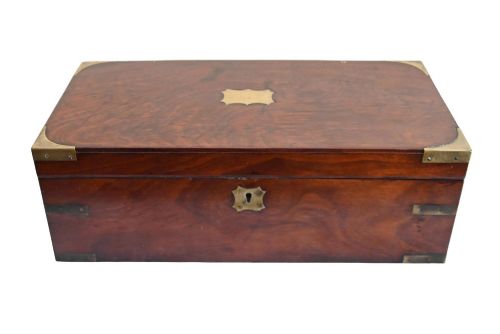
A victorian wooden desk box is a practical table accessory designed for correspondence, bringing tactile walnut, mahogany and brass into daily working life.
Victorian Wooden Desk Box
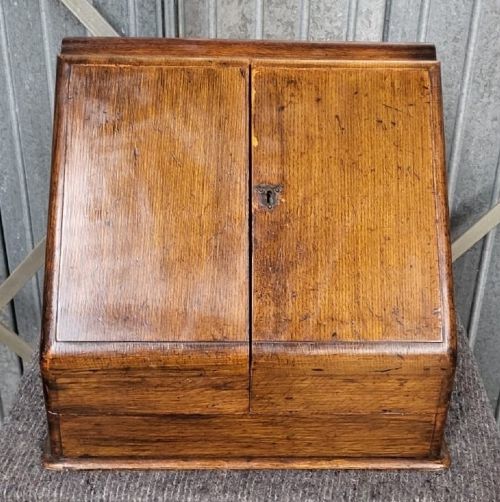
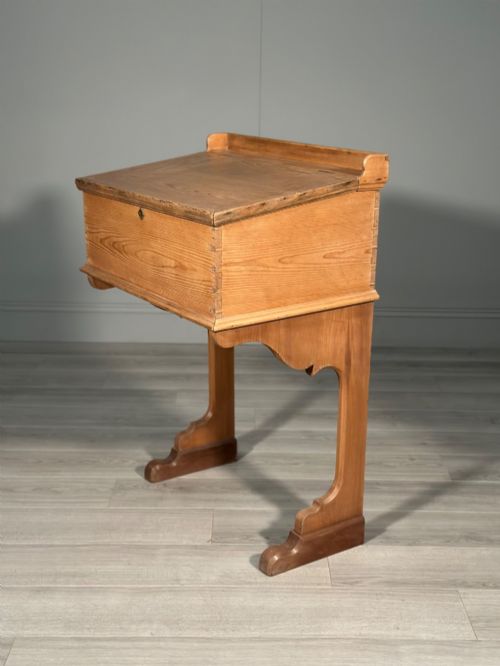
When buyers search for a victorian wooden desk box, they encounter a range of desktop containers engineered for writing, filing letters and storing small valuables. The selection spans standard writing slopes, stationery cabinets, correspondence boxes and string holders dating from the nineteenth century.
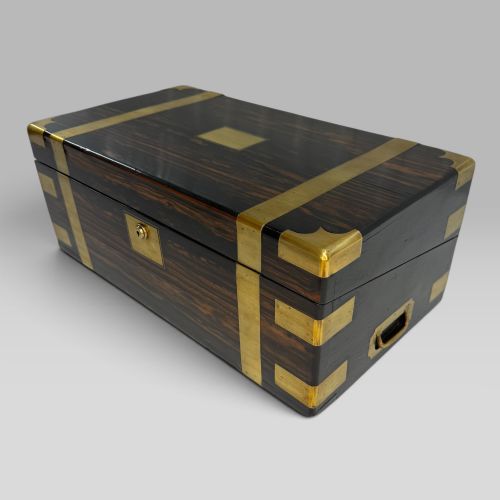
Mahogany and walnut predominate among these items, often reinforced with brass banding or corner mounts for travel and campaign use. Variants include rosewood, coromandel and fruitwood, along with vernacular country pieces in oak.
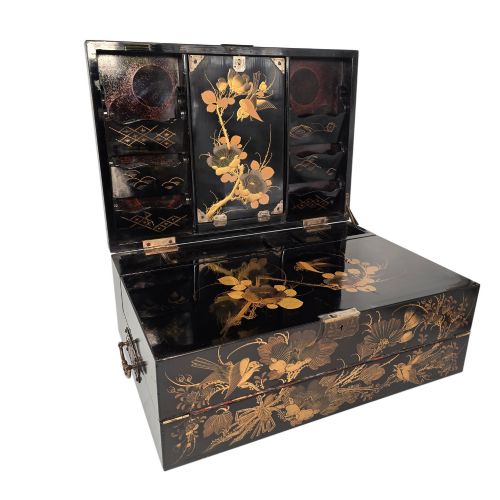
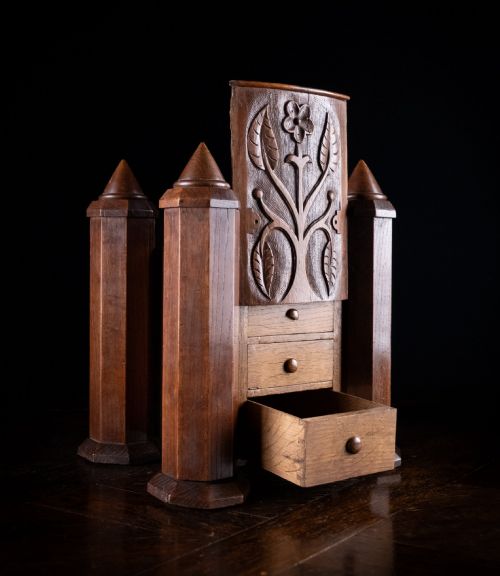
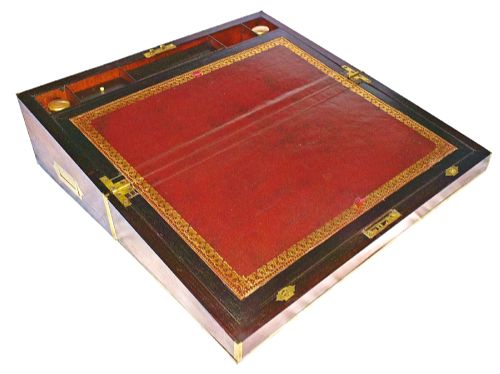
Interior fittings define the form, frequently housing secret drawers, pen trays, inkwells and sloping velvet-lined writing surfaces. Buyers regularly find slope boxes and stationery cabinets that reflect the structured correspondence habits of the period.
Materials and Construction
Cabinet makers built these boxes from dense timbers such as mahogany, walnut and rosewood, sometimes applying burr walnut or curl grain veneers to display complex wood figuring. Brass straps, lock escutcheons and corner braces were screwed into position to protect the edges during transport.
Internal components relied on fine joinery to create secret compartments, tiered stationery dividers and miniature drawers. Tunbridge ware inlay, bone details and leather writing surfaces were integrated to finish the pieces.
Victorian Wooden Desk Box Retail Price Guide 2026
Typical asking prices for victorian wooden desk box among the pieces listed under this phrase on Sellingantiques today, from the lower quarter to the upper quarter. They describe what is for sale here now, not the wider market.
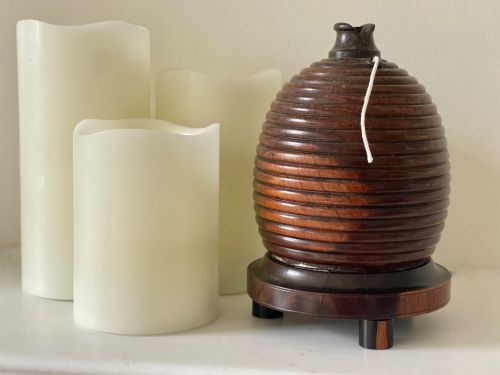
Keep your string tidy inside an antique wooden bee hive.
Assessing Quality and Execution
Quality separates standard utilitarian containers from master cabinet work through the precision of the brass inlay, the selection of figured veneer and the seamless fit of internal secret drawers. Superior examples maintain structural integrity across folding writing slopes and heavy brass-bound lids.
The sophistication of the internal mechanism dictates the grade of the piece, from basic hinged letter boxes to elaborate campaign slopes equipped with working locks, brass carrying handles and fitted inkwells.
The Victorian Wooden Desk Box Glossary
- Writing slope
- A portable desk featuring a hinged, slanted lid that opens to reveal a leather-lined writing surface and compartments for stationery. These boxes fold flat for storage and travel.
- Campaign box
- A sturdy container built with brass corners and binding to withstand military transport. These pieces often include recessed carrying handles and secure locking mechanisms.
- Stationery box
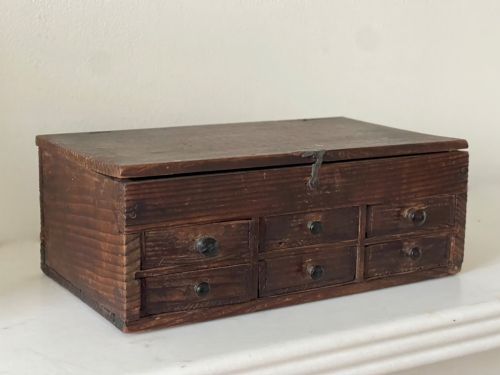
- An upright desk cabinet designed to hold envelopes, writing paper and correspondence. They frequently feature sloped tiered interiors and double doors.
- String box
- A small spherical or beehive-shaped desktop container used to dispense cord or twine. Many incorporate a built-in metal cutter on the lid.
- Tunbridge ware
- A style of decorative woodworking using thousands of tiny tinted wood blocks to create mosaic pictorial designs. It appears as inlaid banding on nineteenth-century boxes.
Victorian Wooden Desk Box: Frequently Asked Questions
What is inside a writing slope?
Writing slopes typically contain compartments for inkwells, pens, stamps and sealing wax. Many feature secret drawers concealed behind removable panels.
The sloping lid folds down to create a firm surface covered in leather or velvet for writing letters.
How were campaign boxes used?
Campaign boxes served officers and travellers who needed a portable desk while on the move. The brass corners and binding protected the timber from rough handling.
Recessed handles allowed the boxes to be packed tightly into wagons or ships.
What is Tunbridge ware inlay?
Tunbridge ware is a mosaic technique using small pieces of naturally coloured woods to form geometric or floral patterns. Makers applied these decorative bands to the lids of boxes.
This intricate work originates from the spa town of Tunbridge Wells.
How do I date a wooden desk box?
Dating relies on timber choices, brass hardware styles and interior construction methods. Mid-nineteenth-century examples frequently feature brass banding and secret drawers.
Later Victorian pieces often shift towards upright stationery cabinets and carved oak correspondence boxes.