

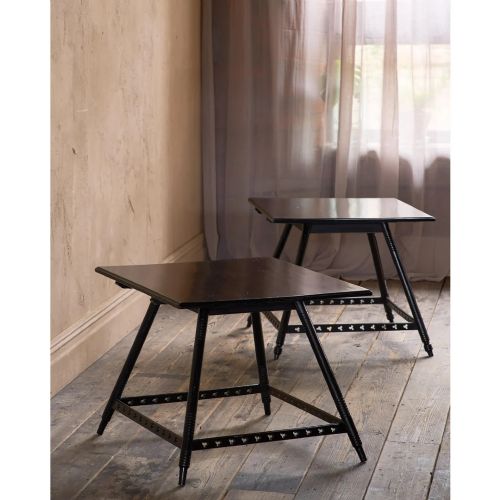
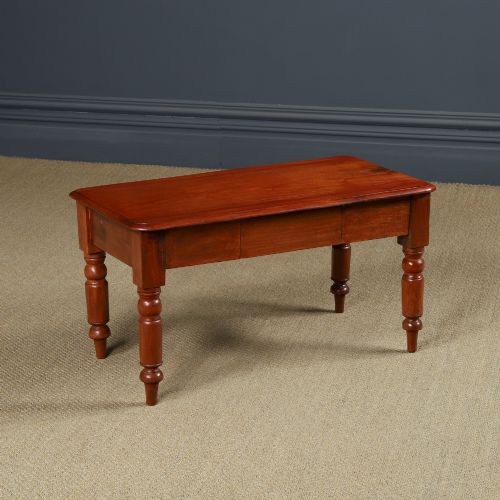
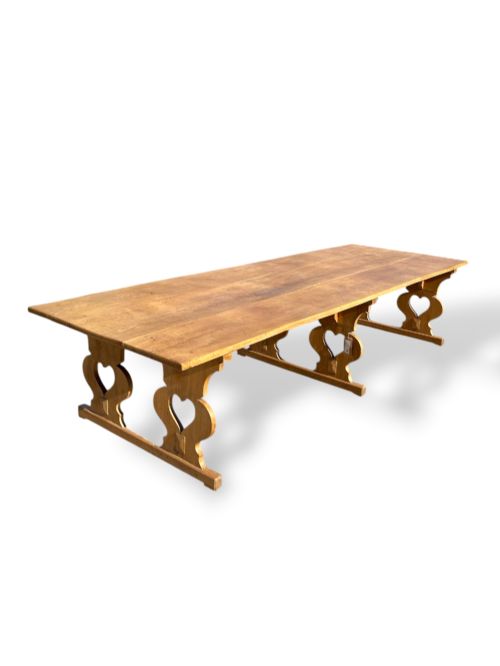
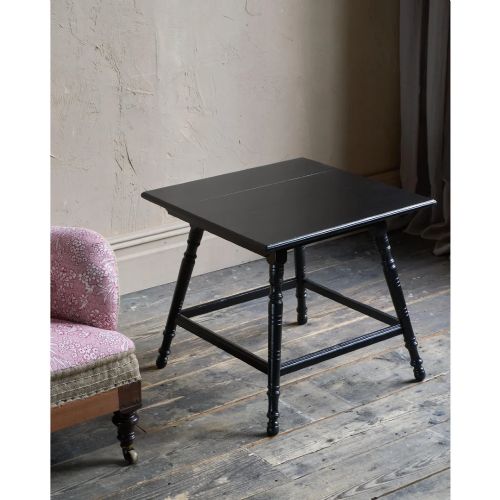
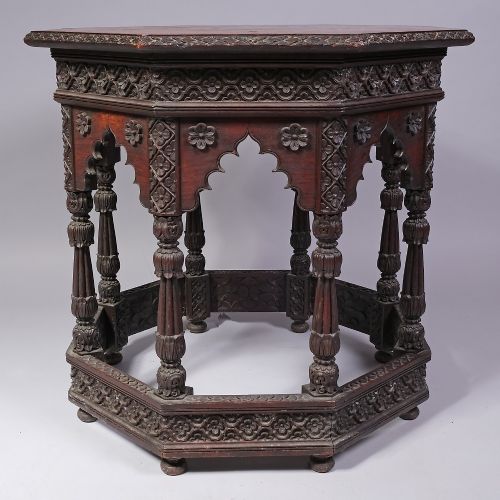
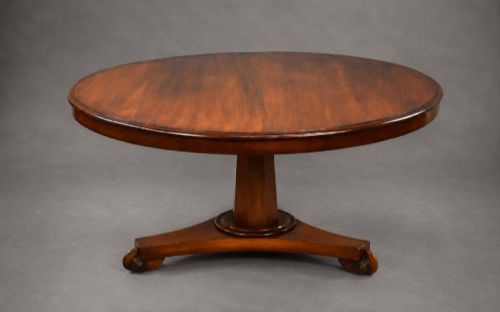


Victorian Wooden Coffee Table
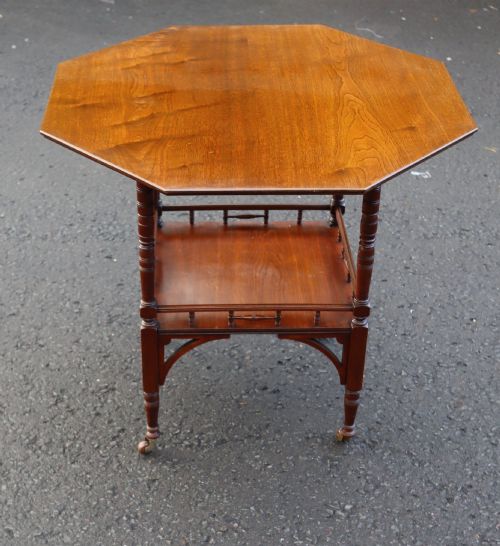
A victorian wooden coffee table brings nineteenth-century craftsmanship into a modern sitting room through low-slung proportions and rich timber grains.
Victorian Wooden Coffee Table
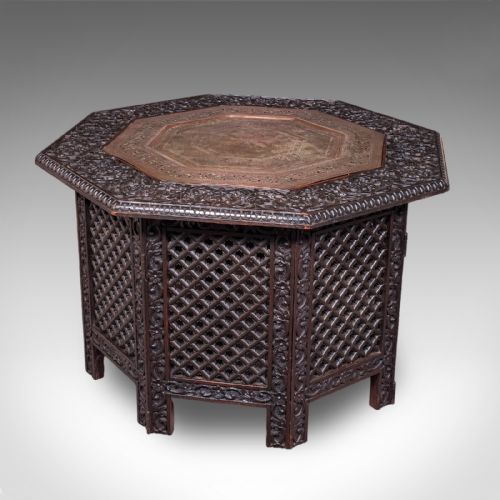
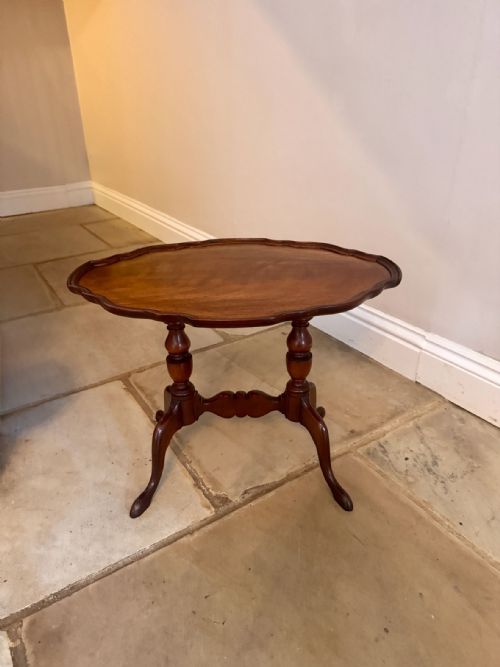
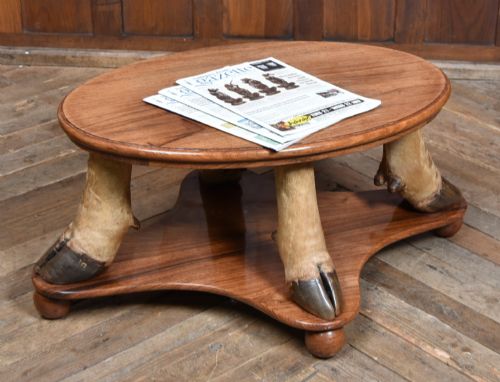
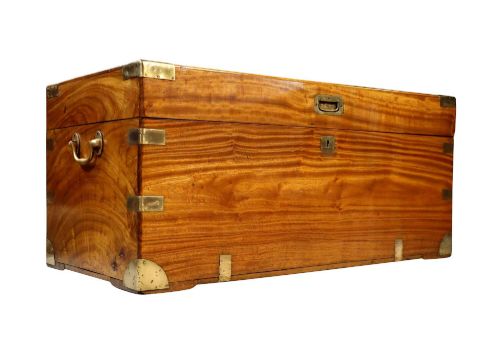
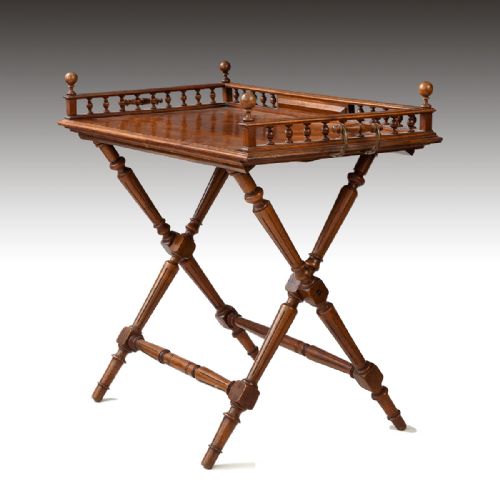
A buyer seeking a victorian wooden coffee table finds a diverse selection of low surfaces adapted from earlier furniture forms, such as butler trays on stands, campaign chests, and occasional tables. These pieces originate predominantly from the nineteenth century, spanning decades from the eighteen-sixties through to nineteen-hundred, with occasional related vernacular items.
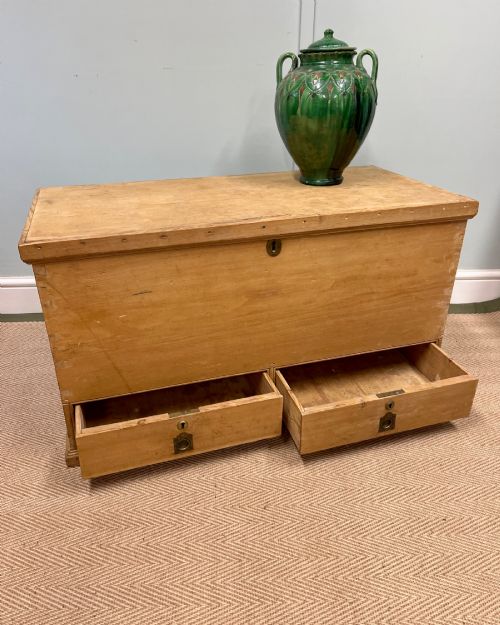
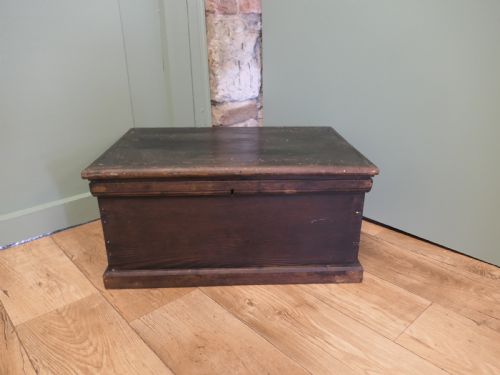
The most common forms on this page include mahogany, oak, and pine coffee tables alongside folding tray tables, nests of tables, and repurposed blanket boxes or storage trunks. Many items combine traditional English cabinet-making with stylistic influences from Anglo-Indian, Moorish, and French design traditions.
Makers and workshops of the period utilised native and exotic timbers to construct practical furniture that now functions as a central low table in domestic interiors.
Materials and Technique
Construction relies heavily on hardwoods like mahogany, walnut, oak, and padauk, alongside softer timbers such as pine and camphor wood, frequently joined by hand with traditional methods. Brass fittings, corner mounts, and hinges appear frequently on campaign-style trunks and tray tables designed for portability.
Surface decoration ranges from hand-carved details and marquetry inlay to ebonised finishes and intricate Hoshiarpur or Moorish geometric woodwork. Waxed and polished finishes protect the timber while highlighting the natural grain and colour variation across each table top.
Victorian Wooden Coffee Table Retail Price Guide 2026
Typical asking prices for victorian wooden coffee table among the pieces listed under this phrase on Sellingantiques today, from the lower quarter to the upper quarter. They describe what is for sale here now, not the wider market.
Design influences include English country, Regency, Gothic Revival, Moorish, and Anglo-Indian styles across various occasional table forms.
Distinctions in Manufacture
Quality separates ordinary utility pieces from exceptional examples through the precision of the cabinet-making, the selection of figured timber veneers, and the integrity of the original stands or bases. Tables retaining their original folding frames, matched brass hardware, and untouched polished surfaces command greater attention from discerning collectors.
Hindley and Sons·Liberty and Co
The Victorian Wooden Coffee Table Glossary
- Butlers tray
- A portable wooden tray with hinged or cutout sides designed to lift off a folding wooden stand. It serves as a removable surface for serving or display.
- Campaign trunk
- A robust storage chest made in sections with recessed brass handles and corner brackets. Designed for military transport, these boxes utilise durable timbers like camphor wood.
- Quartetto nest
- A set of four graduating tables that slide neatly beneath one another. They were popular in the nineteenth century for serving tea in constrained spaces.
- Marquetry
- The art of applying pieces of veneer to a structure to form decorative patterns and pictures. This technique often employs contrasting woods to create floral or geometric motifs.
- Ebonised
- Timber treated with a dark finish to imitate expensive ebony wood. This process was common on Victorian occasional and side tables.
Victorian Wooden Coffee Table: Frequently Asked Questions
What is a butler tray coffee table?
A butler tray table consists of a removable wooden tray resting on a folding X-frame stand. They were originally utilised for serving refreshments before being adapted as low coffee tables.
Today, this design provides practical surface area with the flexibility to fold away the base when floor space is needed.
Are these tables converted from older items?
Many nineteenth-century low tables began life as taller side tables, luggage stands, or storage chests that were subsequently lowered or adapted for modern seating heights. Others, such as butler trays and trunks, were designed at low proportions originally.
Examining the legs, stretchers, and underside construction reveals whether a piece retains its original height and configuration.
How should I care for a wooden coffee table?
Maintenance involves applying quality beeswax periodically to nourish the timber and protect the polished surface from moisture. Coasters and mats should be used to prevent heat rings and liquid marks on antique finishes.
Keeping the table away from direct sunlight and radiators preserves the natural grain and prevents the wood from drying out.