


Edwardian Mahogany Tray Table
An edwardian mahogany tray table combines portable utility with refined formal framing, offering a versatile surface for drinks or serving.
Edwardian Mahogany Tray Table
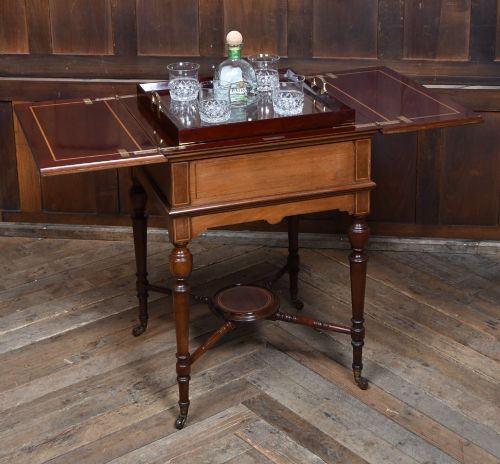
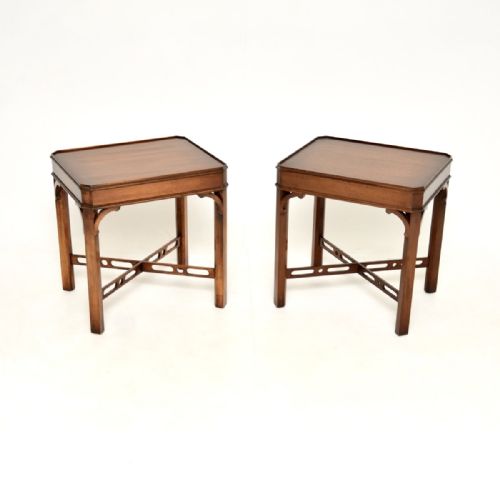
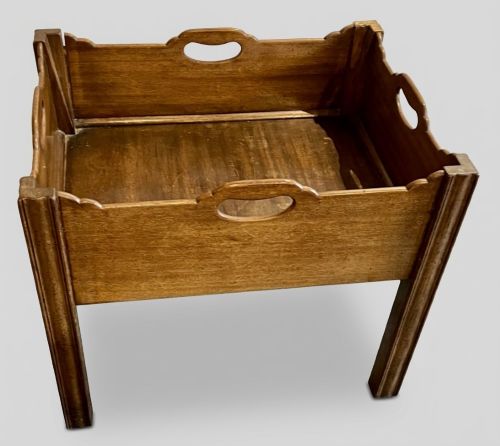
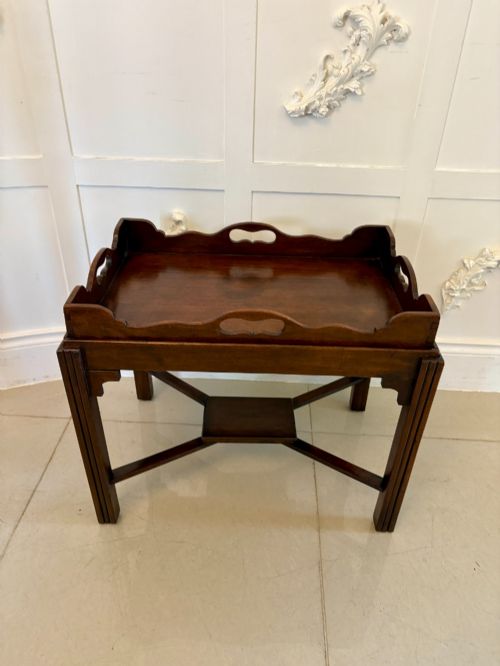
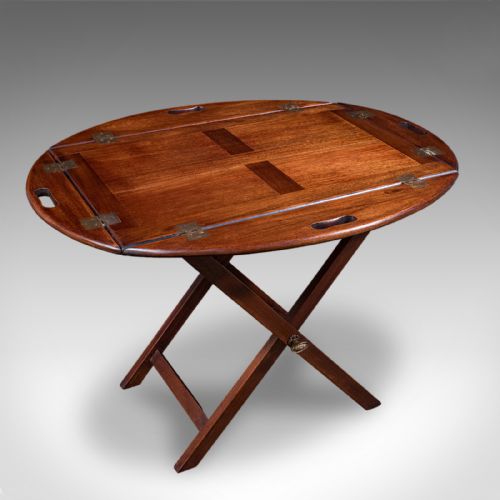
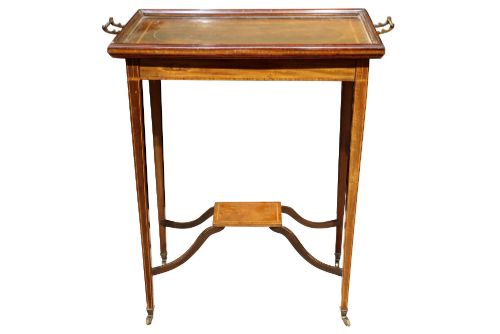
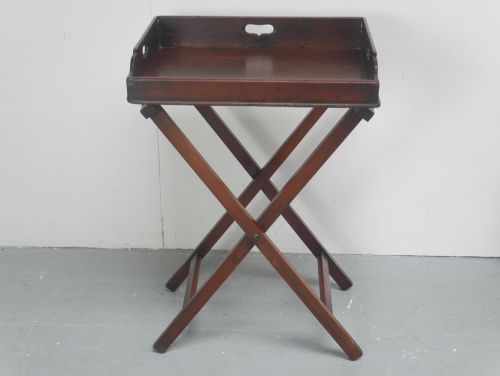
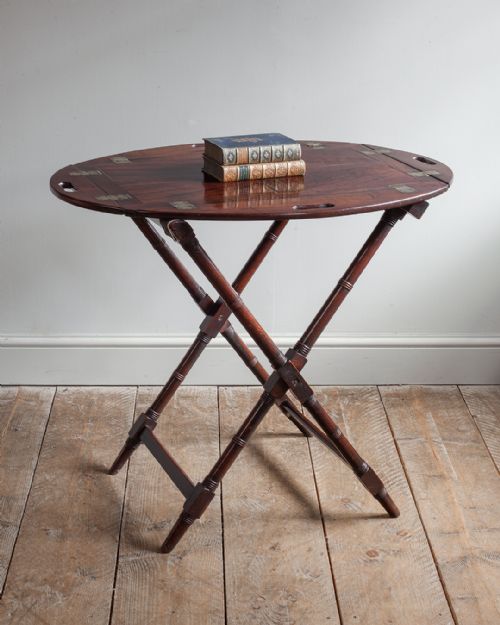
An edwardian mahogany tray table typically takes the form of a detachable serving tray resting upon a folding or fixed wooden stand, aligning closely with the stylistic revivals of the early twentieth century. These pieces draw heavily upon earlier Georgian and Sheraton traditions, incorporating raised edges to secure glassware and china during transit.
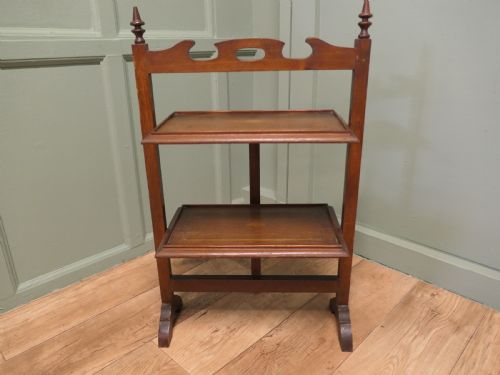
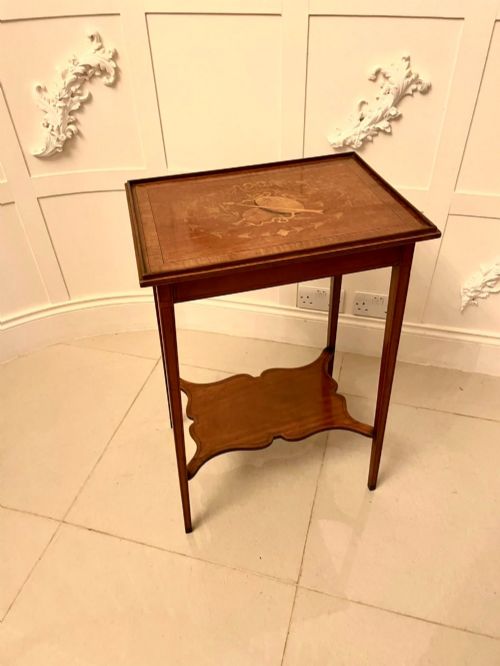
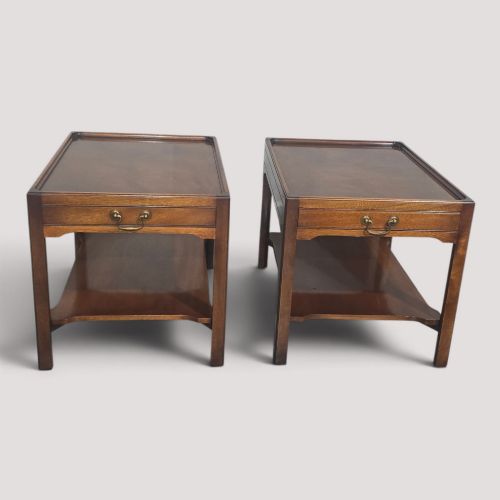
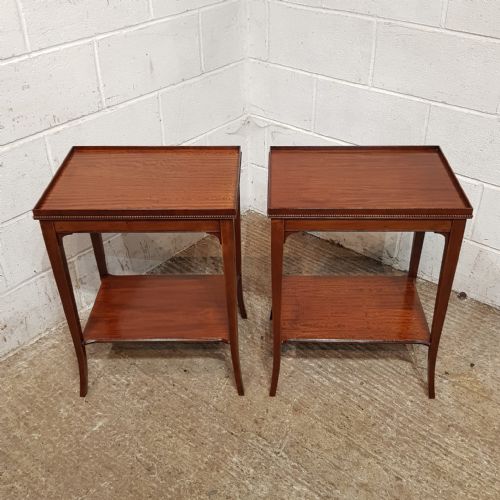
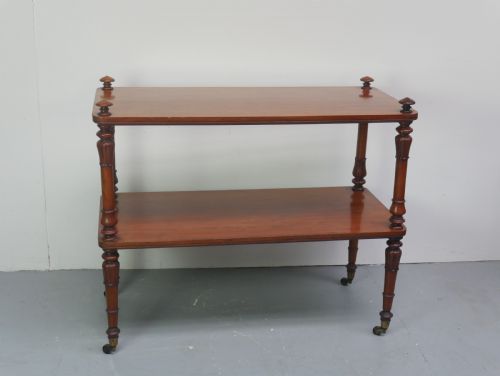
The materials recorded in these listings span the Edwardian period alongside Victorian and Regency eras, demonstrating a sustained preference for dense tropical hardwoods enriched by lighter contrasting stringing. Alongside standard butler trays on stands, the inventory encompasses occasional tables and tiered structures featuring similar raised borders.
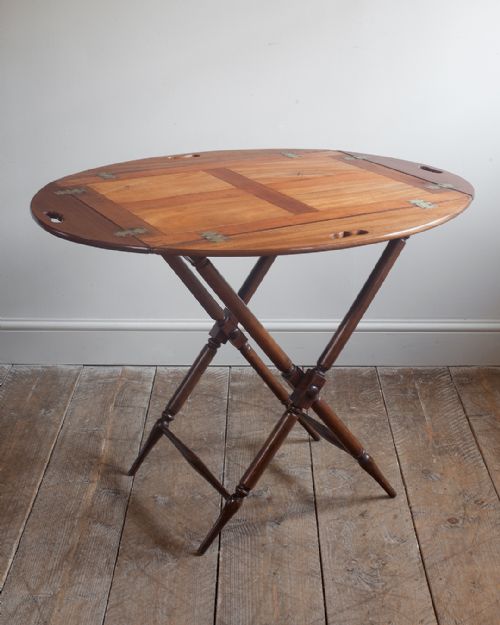
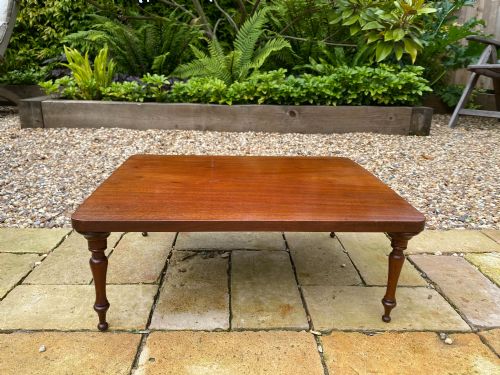
Buyers encountering this phrase frequently meet rectangular or oval top formats designed for domestic hospitality and entertaining. The physical construction invariably balances portability with structural stability, allowing the upper tray section to function independently from its supporting frame where required.
Materials and Technique
Makers utilised solid and veneered mahogany as the primary structural timber, selected for its rich grain and durability under daily handling. This dark foundation was frequently accented with contrasting inlays of satinwood and boxwood, creating geometric or neoclassical banding around the perimeter of the tray.
Joinery techniques prioritised sturdy frame construction, often incorporating folding X-stands or pegged joints to ensure the portable top remained secure when seated on the base. Selected examples integrate brass handles or hinges alongside glass protective inserts to safeguard the polished timber surfaces during service.
Edwardian Mahogany Tray Table Retail Price Guide 2026
Typical asking prices for edwardian mahogany tray table among the pieces listed under this phrase on Sellingantiques today, from the lower quarter to the upper quarter. They describe what is for sale here now, not the wider market.
Listings demonstrate a strong preference for Edwardian execution, complemented by earlier Victorian and Regency examples utilising mahogany, satinwood, and brass.
Evaluating Construction and Detail
Distinction across the range rests upon the crispness of the inlaid stringing and the depth of figure within the mahogany veneer. Finer examples display meticulous hand-cut dovetailing on tray corners and substantial timber thickness that resists warping over decades of use.
The integrity of the supporting stand dictates overall utility, with superior pieces showing tight, uncompromised joints and well-fitted folding mechanisms rather than loose or wobbly pivoting points. Subtle differences in the carving of the edges or the quality of incorporated brass hardware separate standard utility items from refined parlor pieces.
The Edwardian Mahogany Tray Table Glossary
- Tray top
- A table surface finished with a raised moulded or shaped gallery edge designed to prevent items from sliding off during movement.
- Butler tray
- A portable rectangular serving tray featuring hinged or fixed side handles, historically lifted directly off its folding stand for service.
- Satinwood inlay
- A contrasting light-coloured decorative wood inserted into grooves within the darker mahogany surface to create geometric borders.
- Sheraton revival
- A late nineteenth and early twentieth century design movement replicating the lighter, neoclassical furniture forms of the eighteenth century.
Edwardian Mahogany Tray Table: Frequently Asked Questions
How were tray tables used originally?
These tables served primarily for the domestic transport and presentation of tea, coffee, or alcoholic drinks within the home.
The removable upper section allowed servants to carry refreshments from the kitchen directly to the drawing room before placing the tray back onto its dedicated stand.
Are the trays permanently fixed to the stands?
Many traditional butler trays are entirely detachable from their folding wooden frames, offering dual functionality as standalone serving platters.
Other occasional variations feature permanently secured tops with raised gallery rims integrated directly into the structural frame of the table.
How do I distinguish Edwardian pieces from Georgian originals?
Edwardian interpretations built between eighteen ninety and nineteen ten generally exhibit machine-standardised secondary timbers and brighter, redder mahogany finishes.
Eighteenth-century counterparts display hand-sawn framing marks, deeper patination, and construction methods characteristic of pre-industrial cabinet making.
What is the best way to care for the wood surface?
Maintain the polished mahogany by applying traditional beeswax sparingly and buffing with a soft cloth to preserve the natural lustre.
Avoid placing damp glasses or hot serving dishes directly onto the bare timber to prevent water rings and heat marks from forming.