
Victorian Wooden Carving
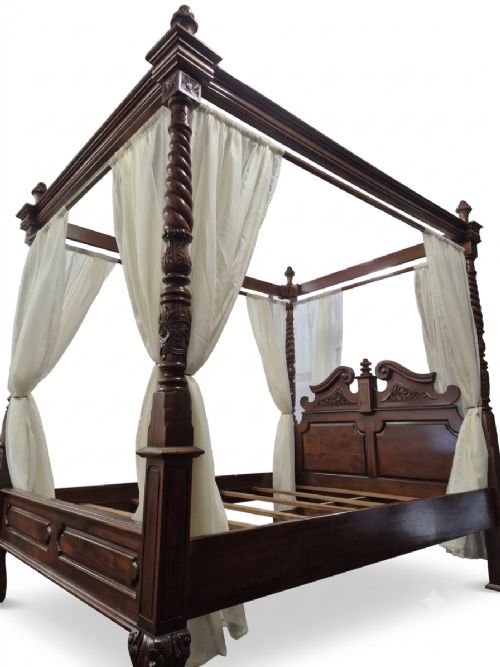
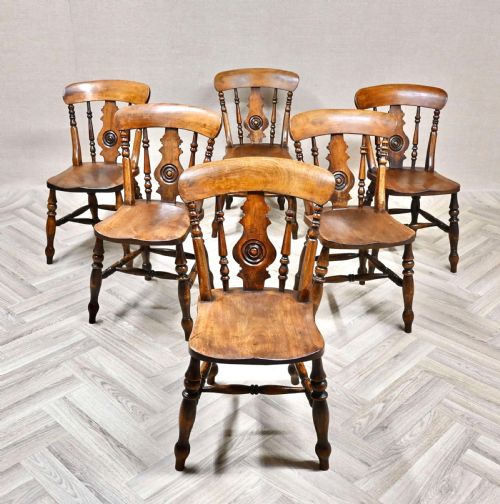
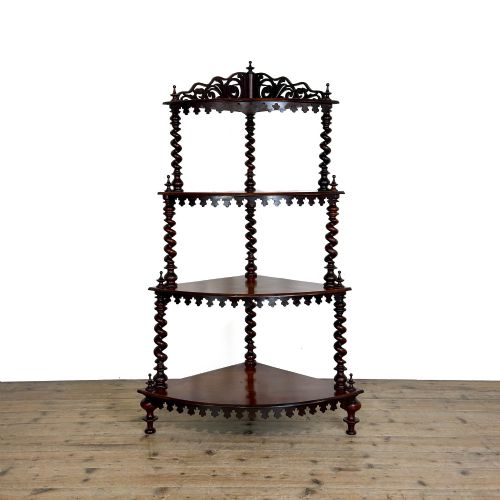
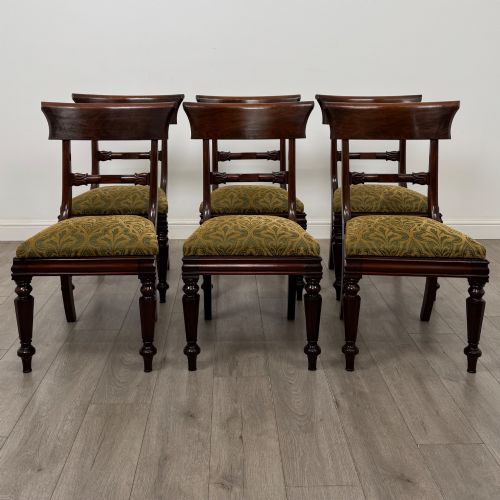
These pieces of victorian wooden carving bring tangible depth to a room through dense grain and confident hand-tooling.
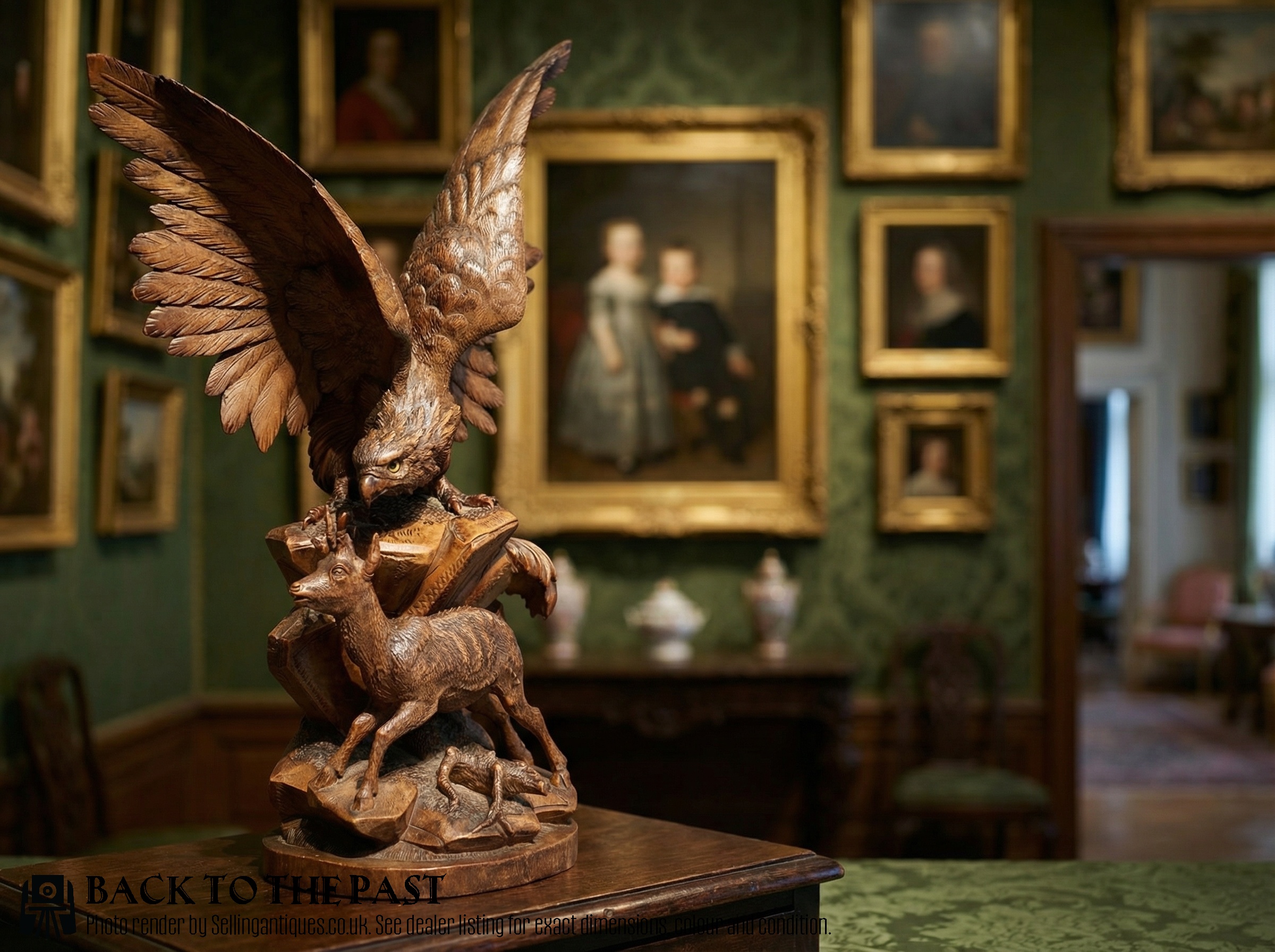
Victorian Wooden Carving
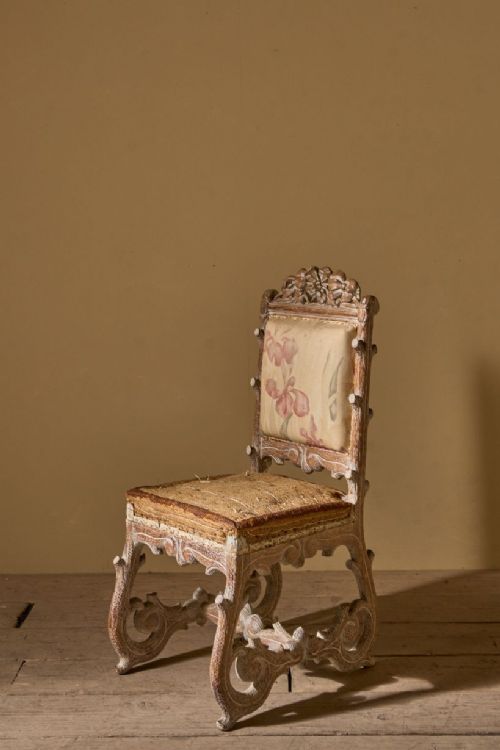
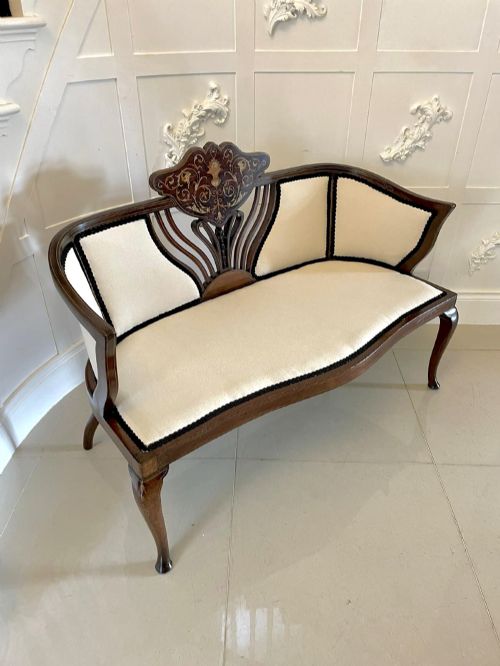
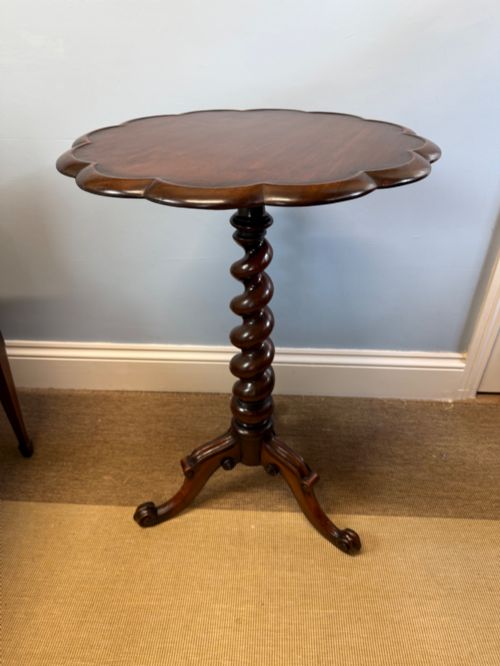
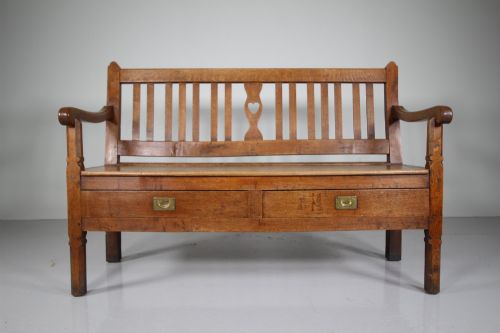
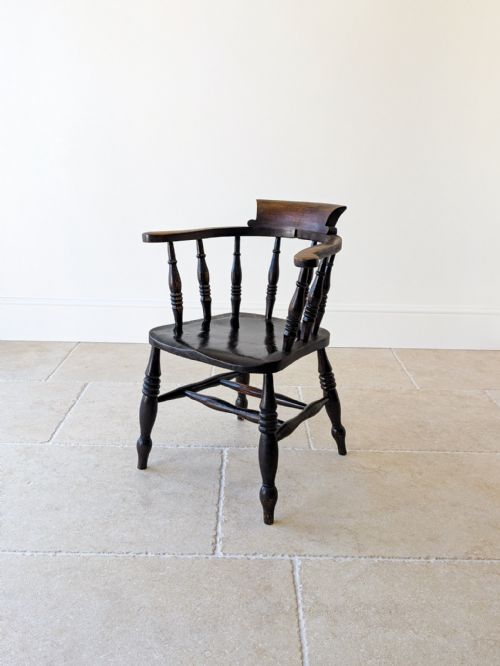
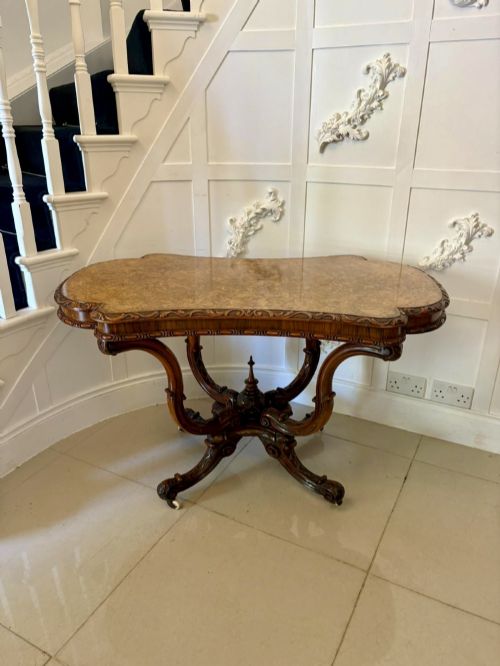
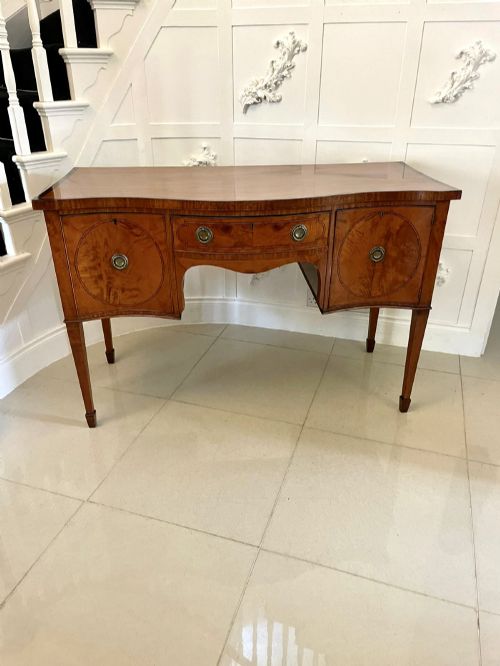
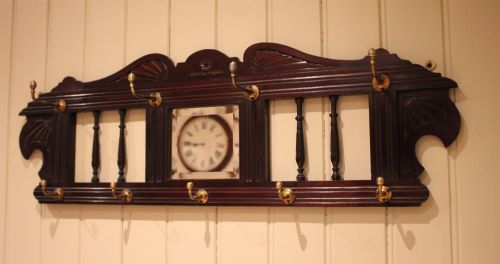
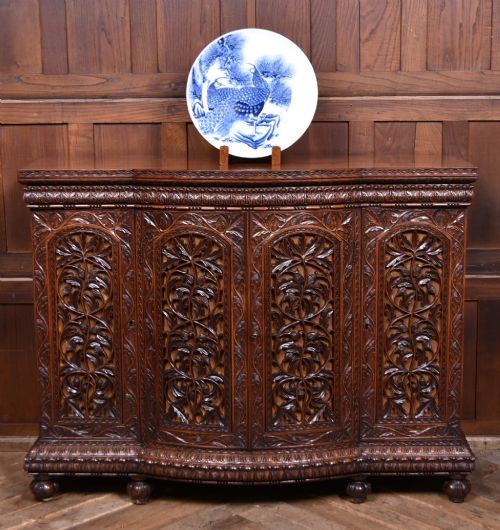
When you search for victorian wooden carving, you encounter solid timber decorative elements and functional furniture shaped during the nineteenth century. The examples on this page span diverse forms, including wall mirrors, church pulpits, sideboards, and occasional tables.
You are most likely to meet walnut and mahogany pieces bearing floral relief, geometric motifs, or structural ornamentation. These items originate from workshops producing everything from domestic hall seating to substantial credenzas.
The selection reflects both formal Victorian design and vernacular traditions like Victorian Folk Art. Each object relies on traditional joinery and carved detail to establish its period character.
Materials and construction
Craftsmen utilised dense hardwoods such as oak, mahogany, walnut, and burr walnut, selecting timber for its strong grain pattern and stability. These woods were seasoned over long periods before being shaped with gouges, chisels, and hand saws.
Carved elements were integrated directly into the structural framework of sideboards, mirrors, and seating, or applied as decorative mouldings. Surface finishes depended on the timber used, ranging from applied wax to polished French polish.
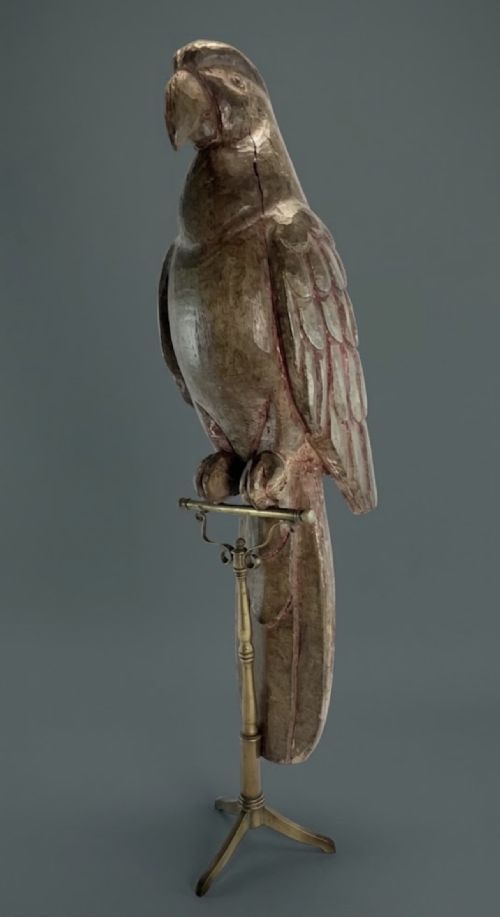
Carved wooden parrots stand ready on brass mounts to keep watch over nineteenth-century parlours.
Evaluating craftsmanship
Quality rests in the crispness of the hand-carved detail and the depth of relief achieved in the timber. Superior pieces exhibit confident, fluid tool marks without mechanical uniformity or rushed finishing.
The selection of timber significantly dictates overall standard, with figured burr walnut and dense mahogany commanding attention. Sound structural joinery matching the quality of the surface carving separates standard items from exceptional ones.
Howard and Sons
The Victorian Wooden Carving Glossary
- Burr walnut
- A prized timber harvested from walnut tree growths, displaying complex swirling grain patterns. It was frequently utilised for high-end Victorian tabletops and cabinet veneers.
- Gothic Revival
- An architectural and decorative style drawing inspiration from medieval forms. This aesthetic appears on church pulpits and domestic furniture featuring pointed arches and heavy tracery.
- Aesthetic Movement
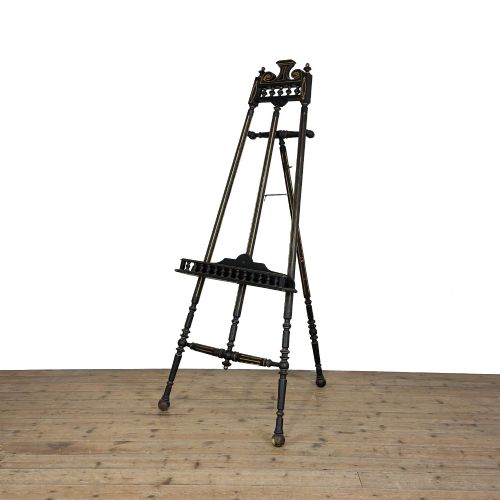
- A late nineteenth-century design approach emphasising visual beauty over narrative content. Pieces in this style often incorporate ebonised wood surfaces and minimalist structural lines.
- Faux Bois
- An artistic technique simulating natural wood grain on lesser timbers or alternative materials. Nineteenth-century artisans applied this method to seating and decorative fixtures.
Victorian Wooden Carving: Frequently Asked Questions
How do I care for carved wooden furniture?
Maintain these pieces by applying a traditional beeswax polish sparingly and buffing with a soft cloth. Keep them away from direct heat sources and strong sunlight to prevent the timber from drying out or splitting.
Avoid using modern liquid sprays containing silicone, as these build up on the carved surfaces and attract dust into the recesses of the relief work.
What woods were commonly used?
Nineteenth-century craftsmen primarily worked with native and imported hardwoods like oak, mahogany, walnut, and burr walnut. Softer timbers such as elm, ash, and beech also appeared in vernacular seating.
Each wood was chosen for its specific density and grain structure, which influenced how fine a carved detail the material could hold.
How can I tell the period?
Dating relies on examining construction methods, tool marks left by the carver, and stylistic cues such as Gothic Revival tracery or Aesthetic Movement ebonisation. Secondary woods used in internal framing also provide clues to the manufacturing decade.
Hardware, hinges, and backboards help confirm whether a piece belongs to the mid-nineteenth century or the later Victorian era.
Where should I place these pieces?
These items suit traditional and contemporary interiors alike, serving as focal points in hallways, living rooms, and studies. A carved mirror or small occasional table adds texture against plain walls.
Ensure larger furniture pieces have adequate clearance so the three-dimensional carving remains visible and unobstructed by other items.