
Victorian Wooden Buffet
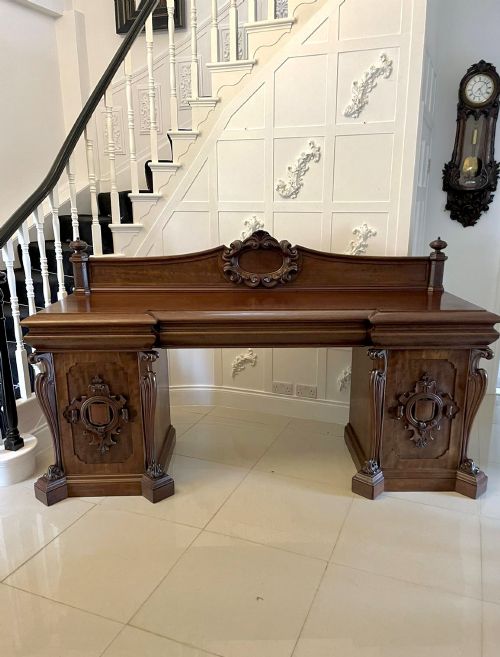
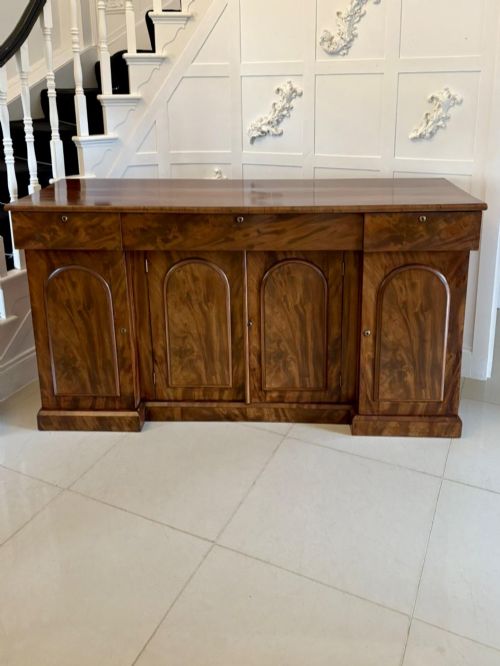
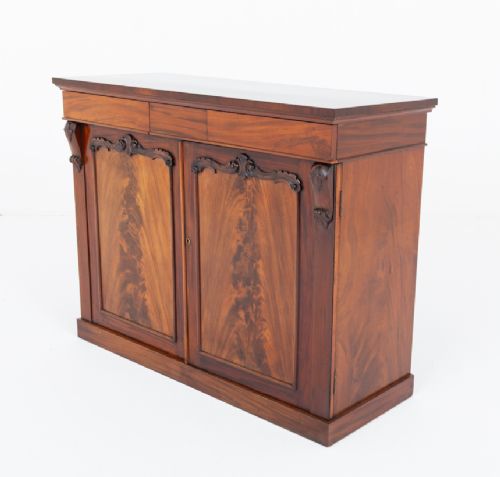
A victorian wooden buffet brings substantial presence to a room, offering practical storage through heavy timber architecture designed for dining spaces.
Victorian Wooden Buffet
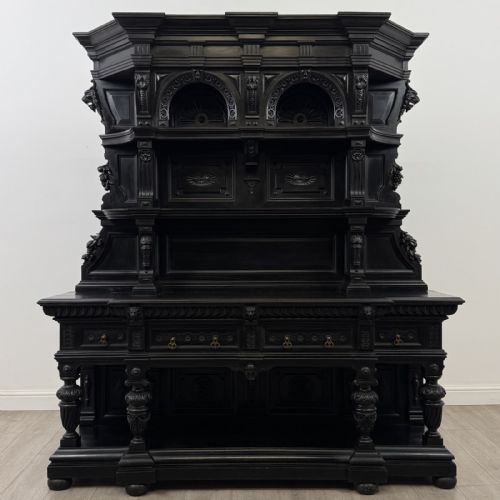
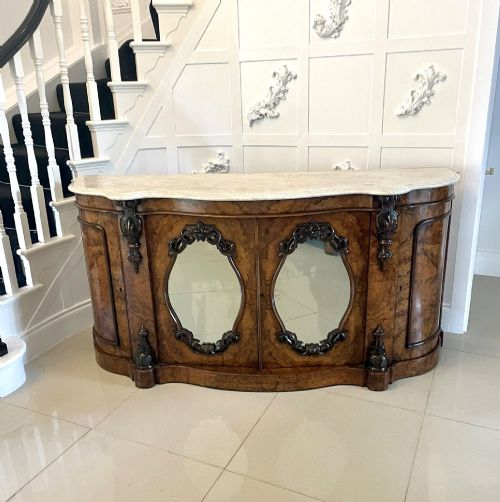
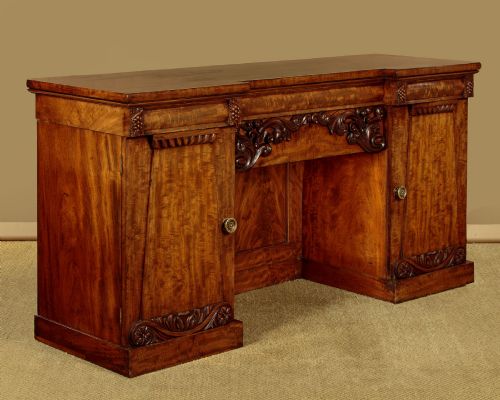
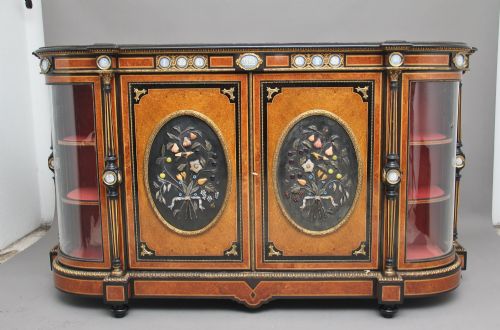
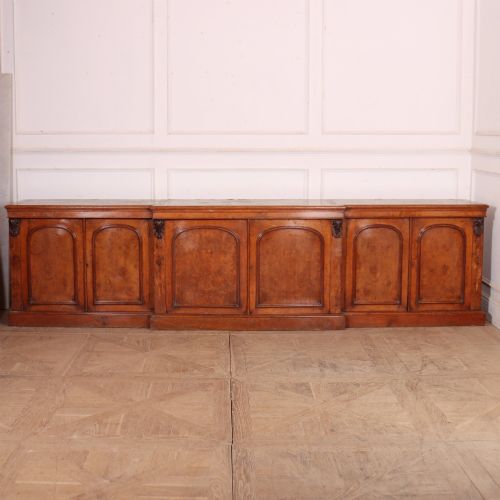
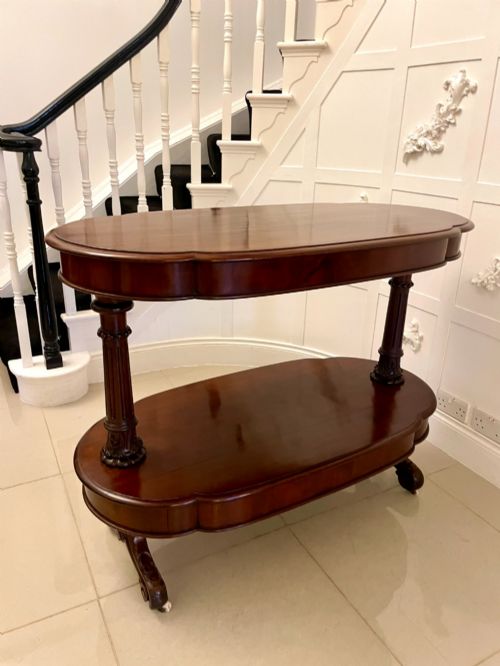
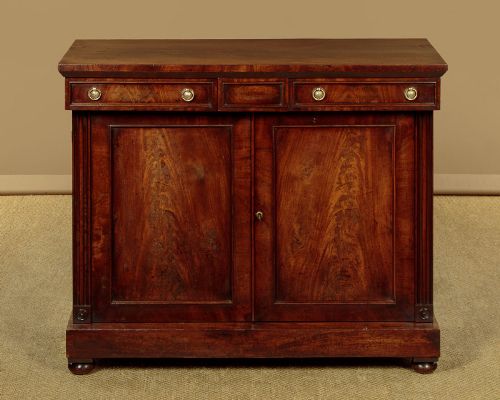
A victorian wooden buffet encompasses diverse serving furniture intended for dining rooms, functioning as a sideboard, server, credenza, or tiered display stand. These pieces date primarily from the nineteenth century, spanning decades from the eighteen-fifties through the eighteen-eighties.
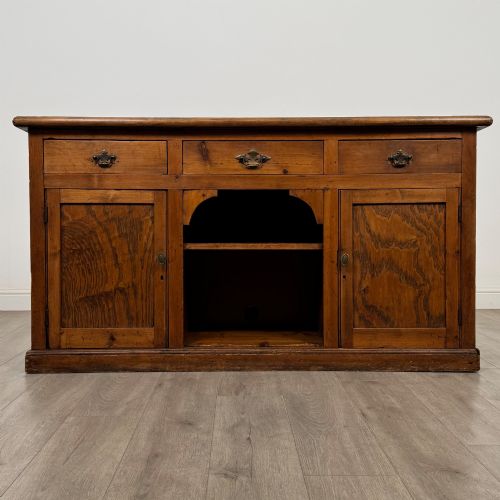
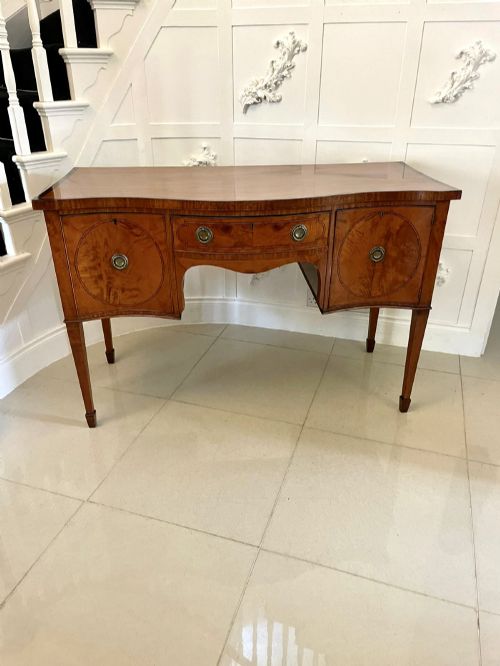
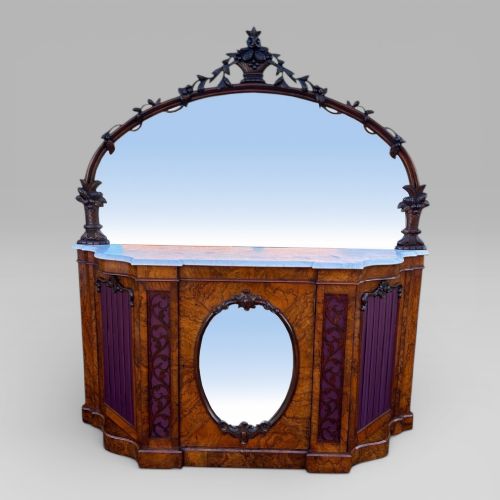
The selections appearing most frequently on this page include mahogany sideboards with carved details, walnut credenzas featuring mirror backs, and oak dressers or serving tables. Examples range from compact three-tier buffets mounted on castors to large exhibition pieces.
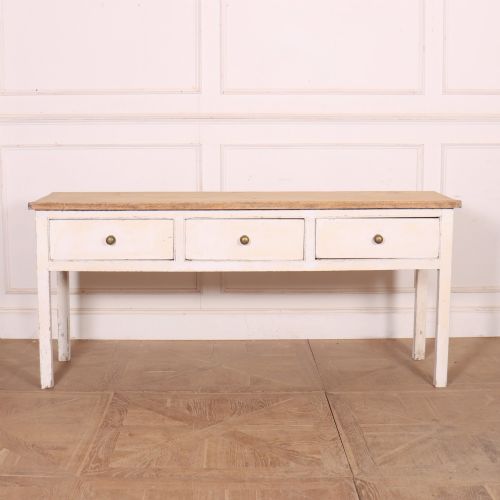
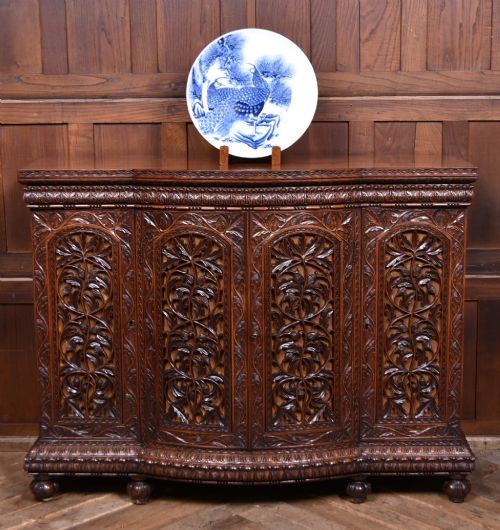
Regional variations and stylistic offshoots appear alongside standard domestic furniture, including Anglo-Indian items, Scottish serving tables, and rustic pine kitchen bases. Buyers encounter both formal reception furniture and utilitarian kitchen cabinetry.
What varies in quality
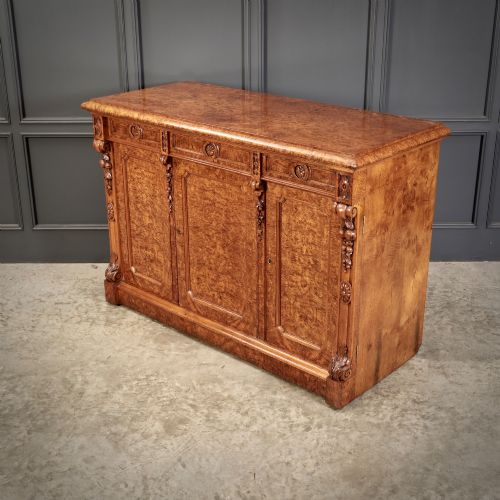
Quality separates standard utility furniture from exhibition pieces through the selection of timber figures, such as highly figured mahogany or pollard oak. Superior examples display crisp, deep hand-carving rather than shallow machine work.
The integration of secondary materials like white marble slabs, bevelled mirror glass, and substantial brass mounts distinguishes finer reception room sideboards from basic pine kitchen dressers.
Design influences include William IV, Regency, Aesthetic Movement, and Jacobean Revival styles across the nineteenth century.
Gillows
The Victorian Wooden Buffet Glossary
- Chiffonier
- A low sideboard or cabinet developed during the nineteenth century, typically featuring shelves or a mirror superstructure above enclosed cupboards.
- Dumb waiter
- A tiered serving piece or small set of shelves used for holding dishes near a dining table.
- Pollard oak
- Oak timber derived from trees that were cut back to promote a dense branch system, producing distinctive knotty grain patterns.
- Serpentine
- A curved furniture front characterised by a convex centre flanked by concave wings, creating a flowing wave shape.
Victorian Wooden Buffet: Frequently Asked Questions
What is the difference between a buffet and a sideboard?
A buffet generally refers to a piece designed specifically for serving food and holding dishes, often featuring multiple tiers or open shelves.
Sideboards tend to focus more on enclosed storage with cupboards and drawers, though the terms overlap frequently in nineteenth-century furniture.
How do I date a wooden buffet from the eighteen hundreds?
Dating relies on observing timber choices, hardware styles, and structural characteristics recorded across different decades of the period.
Earlier items from the eighteen-thirties often display heavier classical proportions, while pieces from the eighteen-eighties incorporate aesthetic movement influences or more eclectic revival carving.
Where should I place a large mirror backed sideboard?
These substantial pieces anchor dining rooms or spacious reception halls where their height and mirrored glass reflect surrounding light.
Ensure the wall can support mirror-backed superstructures and that floor space accommodates the projection of open cabinet doors and drawers.
Can I use a kitchen dresser base in a modern dining room?
Pine and oak kitchen dresser bases provide robust surfaces and generous lower storage that integrate easily into contemporary interiors.
Their waxed or original painted finishes offer a practical surface for everyday dining preparation or serving drinks.