



Victorian Wood Storage
Victorian wood storage brings together practical containers and heavy timber furniture designed to organise homes during the nineteenth century.
Victorian Wood Storage
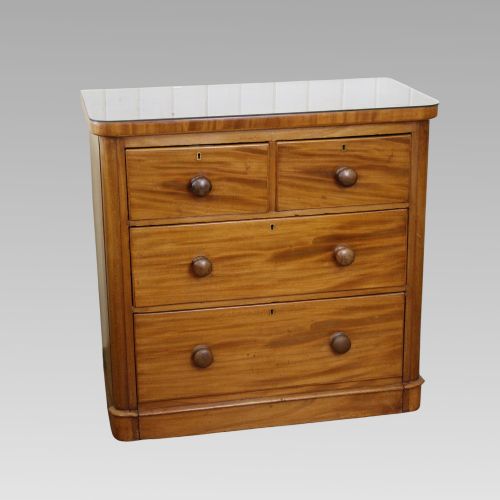
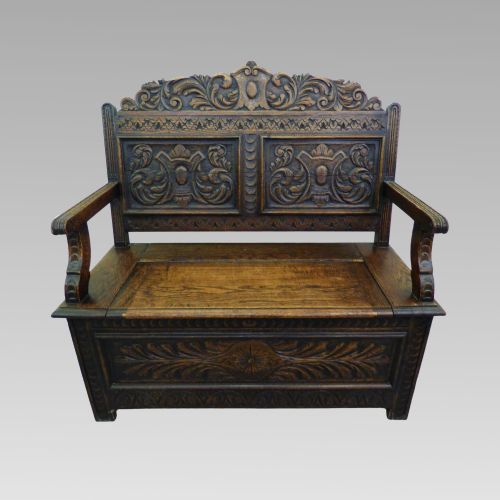
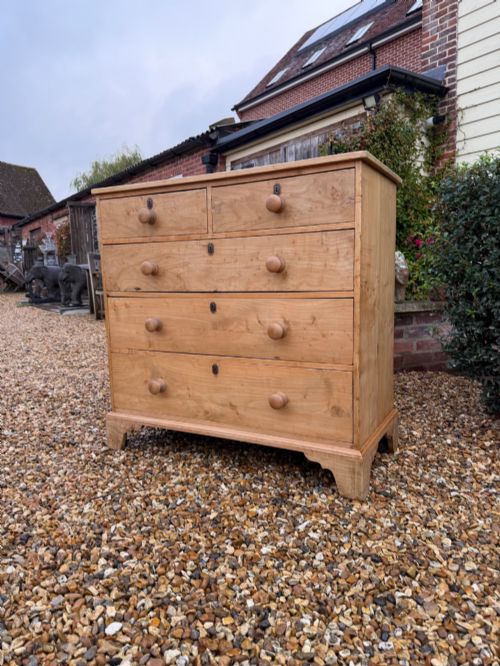
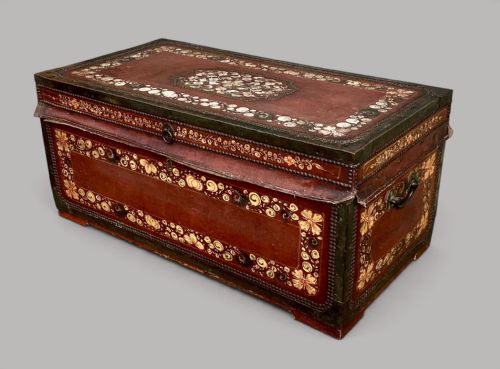
Victorian wood storage encompasses a wide range of timber vessels and furniture pieces originating from the nineteenth century. Buyers searching for victorian wood storage encounter everything from large campaign trunks and chests of drawers to small tea caddies and decorative boxes.
The objects span formal household furniture in mahogany and walnut alongside utilitarian pine boxes and camphor wood trunks. Pieces date from the early Victorian decades through to the late nineteenth century and the turn of the twentieth century.
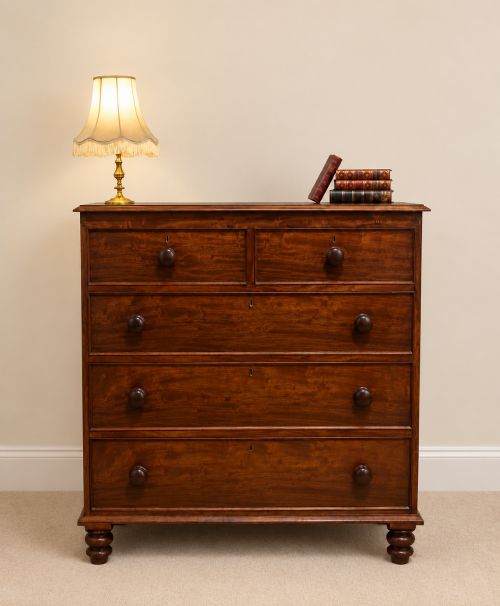
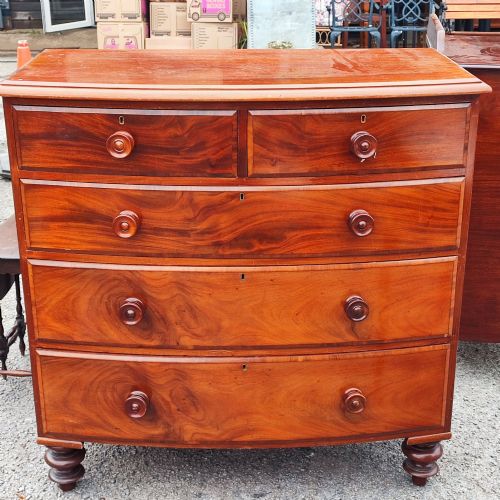
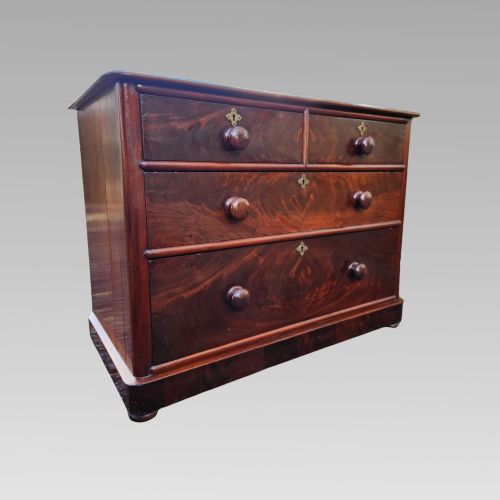
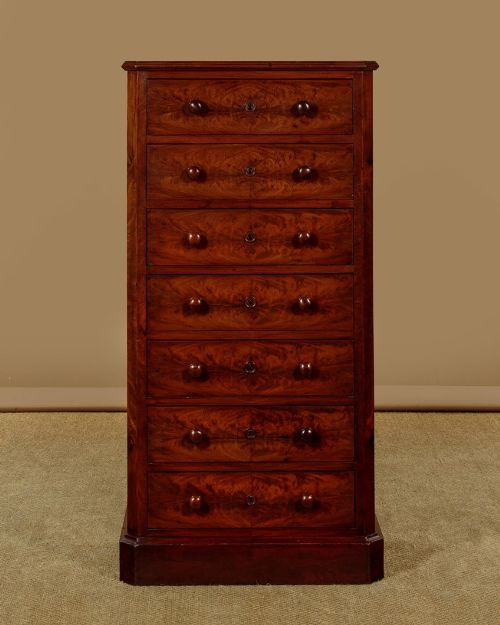
Chest of drawers and enclosed storage cupboards dominate the forms available. Alongside these major items, specialist pieces such as watch repairer chests, coal boxes, and purdoniums provide targeted compartments for specific domestic items.
Materials and construction methods
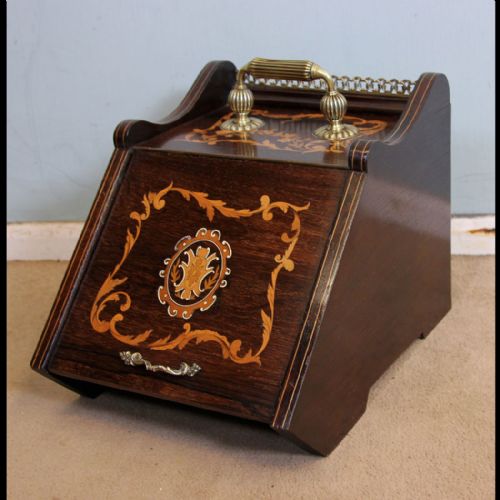
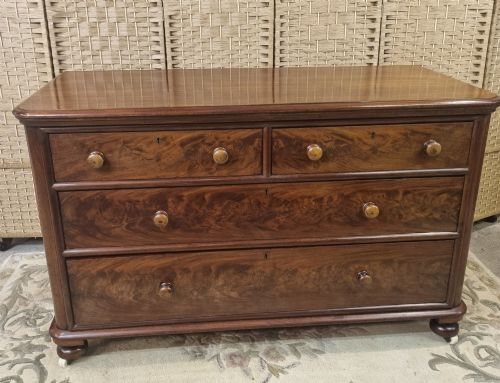
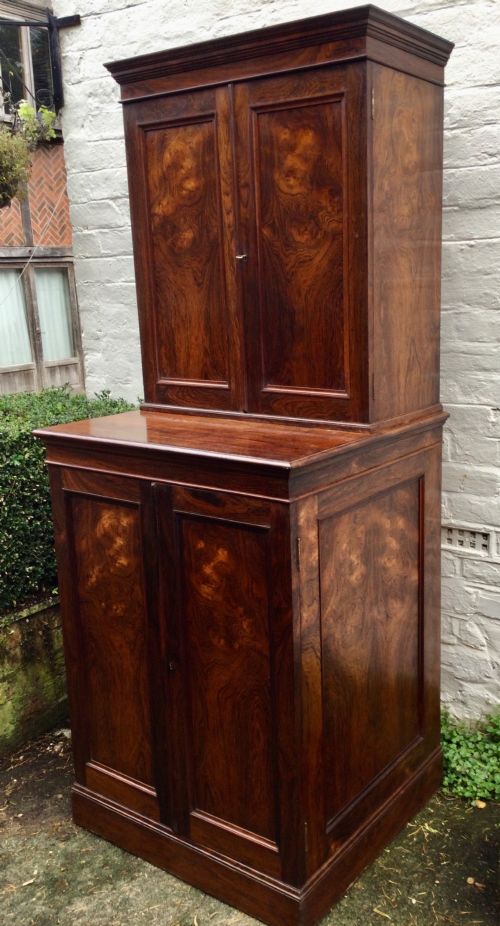
Cabinet makers utilised dense hardwoods such as mahogany, rosewood, walnut, and oak alongside softer utility timbers like pine and ash. Figured veneers, flame mahogany patterns, and decorative inlay work frequently adorn the surfaces of more formal pieces.
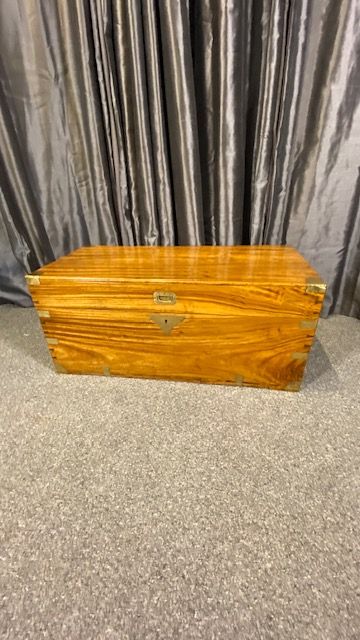
Brass fittings, including corner brackets, cup handles, and carrying plates, appear regularly on campaign trunks and heavy chests. Dovetail joints, turned legs, and bracket feet provide structural integrity across the various chests of drawers and cabinets.
Victorian Wood Storage Retail Price Guide 2026
Typical asking prices for victorian wood storage among the pieces listed under this phrase on Sellingantiques today, from the lower quarter to the upper quarter. They describe what is for sale here now, not the wider market.
Assessing quality in timber storage
The calibre of a piece rests upon timber selection and the retention of original surface patination. Figured grain, consistent colour, and well-chosen veneers distinguish superior cabinets from plain alternatives.
Original hardware such as brass handles, functional locks with keys, and undisturbed interior fittings elevate the standing of a box or chest. Skill in the joinery, demonstrated by tight dovetailing and balanced proportions, marks out superior craftsmanship.
Heals·G. Bartholomew & Co
The Victorian Wood Storage Glossary
- Campaign chest
- A portable storage chest made in two or more sections, designed for easy transport by military officers and fitted with recessed brass handles.
- Tea caddy
- A lidded box created to store loose tea leaves, often featuring internal compartments and sometimes incorporating a glass mixing bowl.
- Purdonium
- A specialised domestic box or cabinet designed specifically to store coal for a fireplace, typically featuring a sloping front and a metal liner.
- Wellington chest
- A tall, narrow chest of drawers secured by a hinged vertical locking strip on one side that fastens with a key.
- Coffer
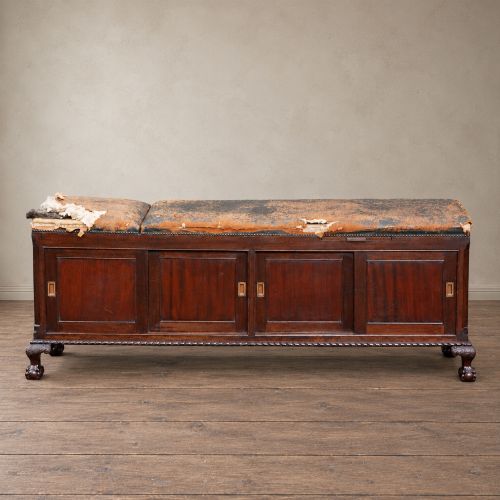
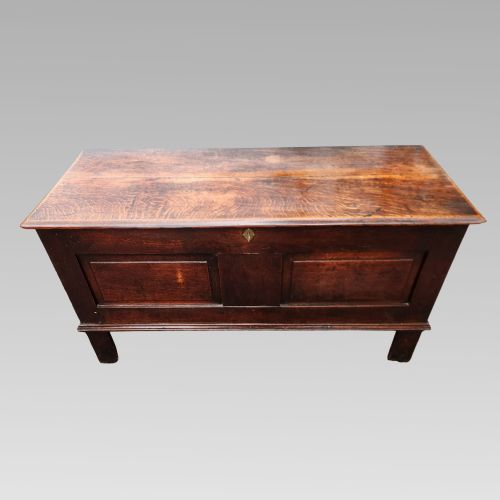
- A heavy wooden chest traditionally used for storing valuables or textiles, constructed with sturdy timber panels.
Victorian Wood Storage: Frequently Asked Questions
How do I care for antique wood furniture?
Antique wood furniture benefits from stable indoor environments away from direct heat sources and strong sunlight. Maintaining moderate room humidity prevents timber from splitting or warping over time.
Applying a traditional beeswax polish periodically helps nourish the surface and preserve the natural patination of the wood.
Were tea caddies used to lock away tea?
Tea caddies were indeed kept locked during periods when tea was an expensive and heavily taxed commodity. Householders stored the key securely to restrict access to the valuable leaves.
Inside, the containers often featured divided compartments and small mixing bowls for combining different varieties of tea.
What is the difference between a coffer and a chest?
A coffer generally refers to a heavy, heavy-duty storage box constructed with thick timber panels and often associated with medieval or early modern domestic use. Chests evolved to include lidded storage boxes and later incorporated internal drawers.
While both terms describe timber storage vessels, coffers tend to have simpler box structures compared to sophisticated nineteenth-century drawer units.