


Victorian Wood Furniture
Victorian wood furniture brings solid timber and honest nineteenth-century craft into daily use, offering practical storage and seating built to last.
Victorian Wood Furniture
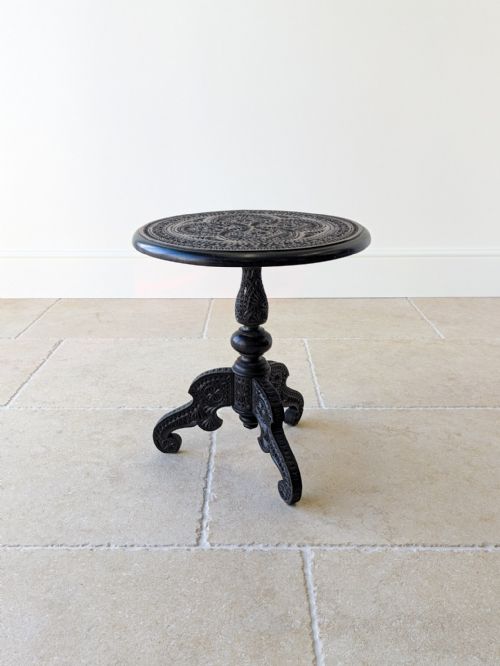
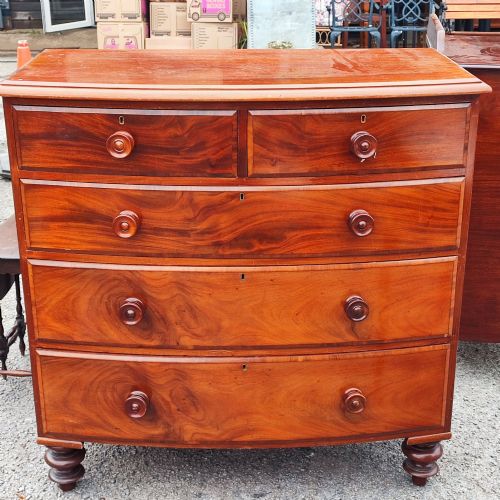
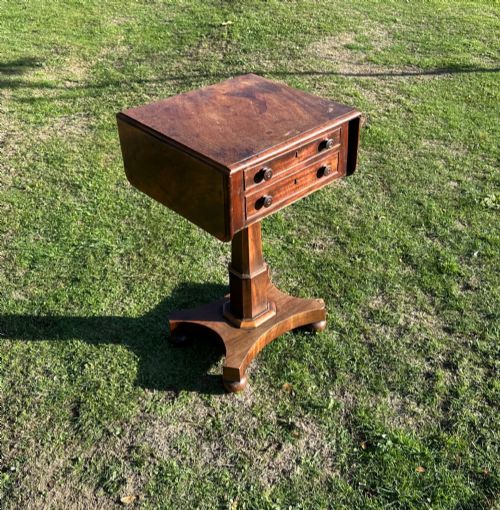
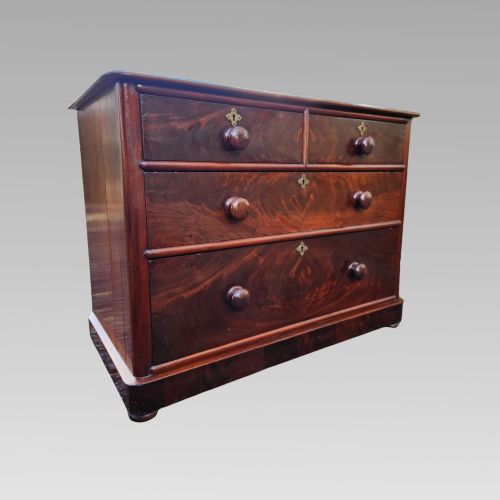
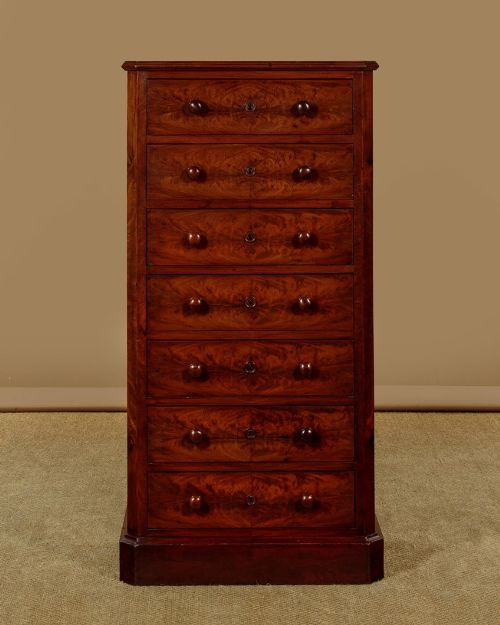
Victorian wood furniture covers the tables, desks, chests of drawers, benches and cabinets produced during the nineteenth century. Buyers searching for victorian wood furniture encounter everything from utilitarian pine and oak items to highly decorative rosewood and walnut reception pieces.
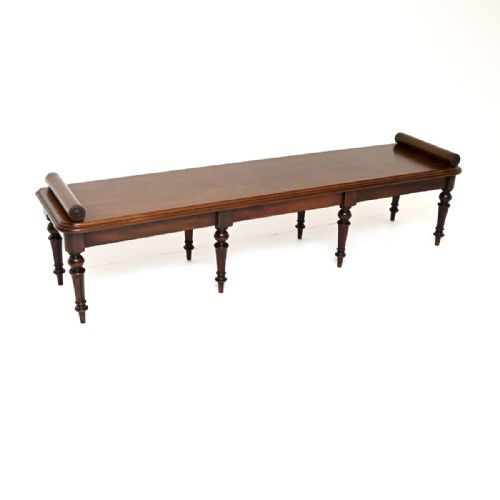
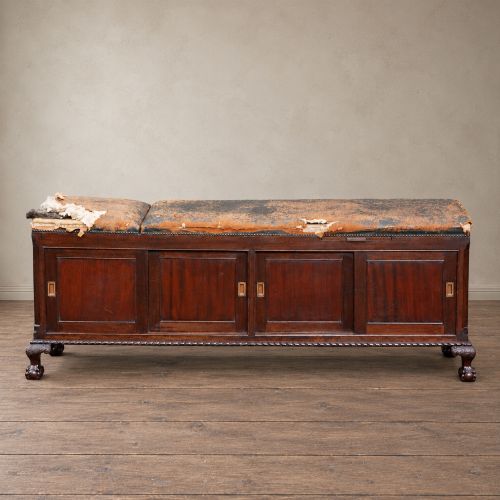
Mahogany and oak form the bulk of the domestic seating and storage on this page, spanning formal pedestal desks, hall benches and occasional tables. Pieces range from plain nineteenth-century utility items to ornamented pieces reflecting Gothic Revival, Aesthetic Movement and Arts and Crafts styles.
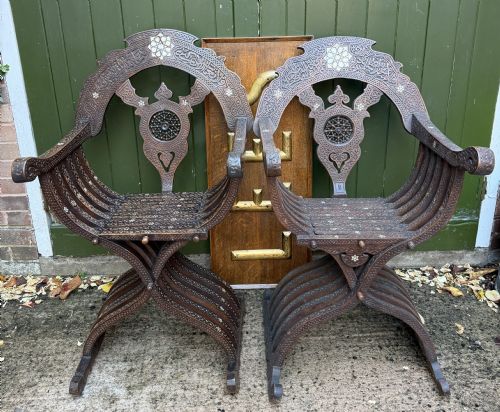
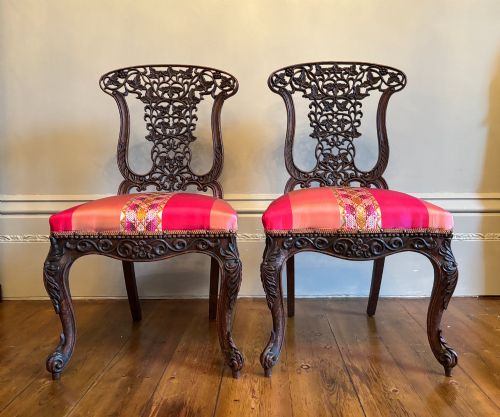
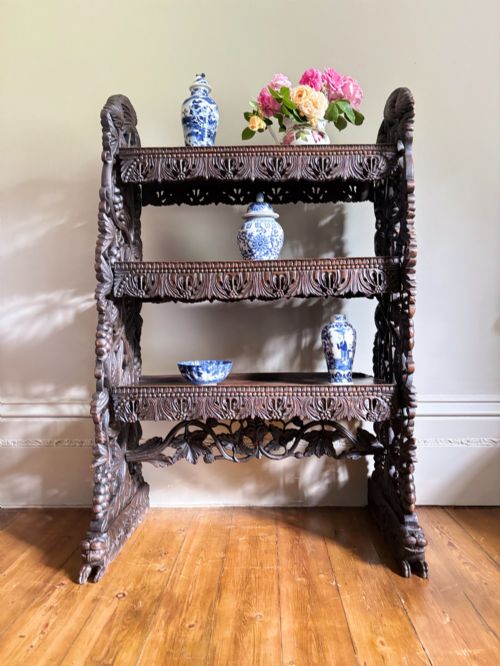
Origin and regional workshops shape the selection, with English cabinet work sitting alongside Anglo-Indian, Burmese and Swiss Black Forest carved items. Buyers meet functional campaign chests in camphor wood alongside elaborate satinwood étagères and marquetry inlaid cabinets.
Materials and construction
Makers utilised dense hardwoods such as mahogany, walnut, rosewood, oak and teak, selecting timber for grain pattern and structural strength. Secondary woods like pine appear in drawer linings and interior framing.
Joinery relied on traditional methods including dovetailing for drawer construction and mortise and tenon joints for frames. Surface decoration combined hand carving, marquetry inlay, ebonising and polished veneer finishes applied over solid timber carcasses.
Victorian Wood Furniture Retail Price Guide 2026
Typical asking prices for victorian wood furniture among the pieces listed under this phrase on Sellingantiques today, from the lower quarter to the upper quarter. They describe what is for sale here now, not the wider market.
A musical Swiss Black Forest bear seat stands ready to play a tune.
Quality distinctions
The distinction between standard utility items and top tier pieces rests on timber selection and the precision of the hand carving. Finer pieces display matched veneers, crisp carved details and substantial brass hardware rather than stamped metal fittings.
Structural integrity and original condition separate superior examples from heavily altered pieces. Retaining original drawer linings, turnings, hardware and glass enhances the integrity of desks, cabinets and tables.
John Moyr Smith·James Shoolbred·E.W Godwin
The Victorian Wood Furniture Glossary
- Campaign chest
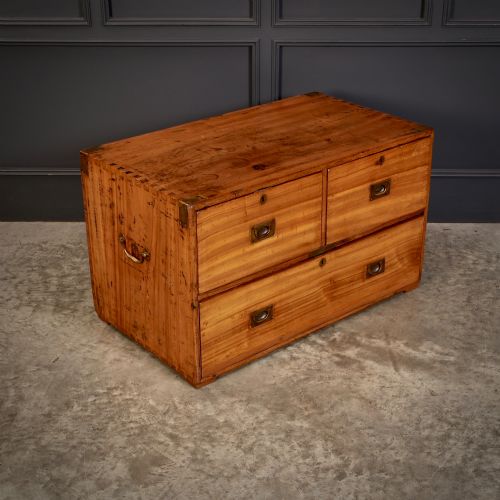
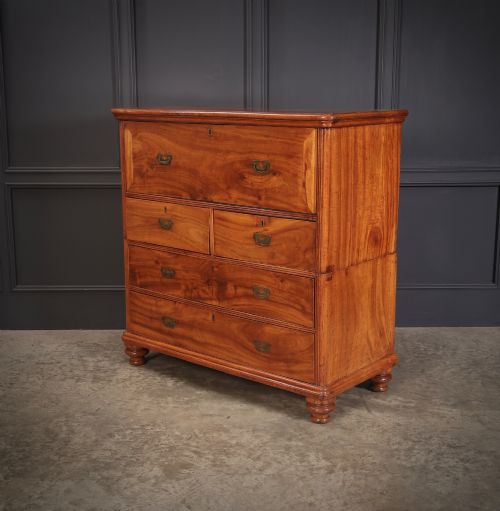
- A modular chest of drawers made in two or more sections with recessed brass handles, designed for easy transport by military officers.
- Davenport
- A compact writing desk featuring a sloping, hinged writing surface above a pedestal of drawers, originating in the nineteenth century.
- Marquetry
- Decorative veneer work created by fitting together thin pieces of wood, shell or ivory to form intricate pictorial or geometric patterns on furniture surfaces.
- Purdonium
- A specialised coal box or cabinet designed to hold fuel for a fireplace, often featuring a sloping front and a metal interior liner.
- Sutherland table
- A narrow drop-leaf occasional table with exceptionally small flaps supported by pivoting gate legs, designed to fold flat when not in use.
Victorian Wood Furniture: Frequently Asked Questions
How do I identify Victorian wood furniture?
Check the secondary woods inside drawers and cabinet backs, where pine or oak often remains visible beneath primary veneers of mahogany or walnut.
Examine the construction methods, looking for hand-cut dovetails and timber movement rather than modern machine fixings or chipboard.
Where should I place a campaign chest?
Place a camphor wood or mahogany campaign chest in a bedroom or hallway where its recessed brass handles and modular proportions can function as a standalone storage unit.
Keep the timber away from direct heat sources and radiators to prevent the solid wood panels from splitting or warping over time.
How are antique desks configured?
Pedestal desks feature two banks of drawers supporting a wide writing surface, while Davenport desks combine a sloped writing slope with side drawers.
Many nineteenth-century writing tables and desks include leather inserts or gold-tooled skivers set directly into the wooden top.
Can I use an occasional table daily?
Occasional tables, drop-leaf Sutherland tables and side tables provide sturdy surfaces for lamps, books and drinks in active living spaces.
Protect the polished wood surfaces from moisture and heat by using coasters and mats during daily use.