




Victorian Woman Portrait Painting
A victorian woman portrait painting captures the dignified presence of nineteenth-century sitters through skilled brushwork and lasting materials.
Victorian Woman Portrait Painting
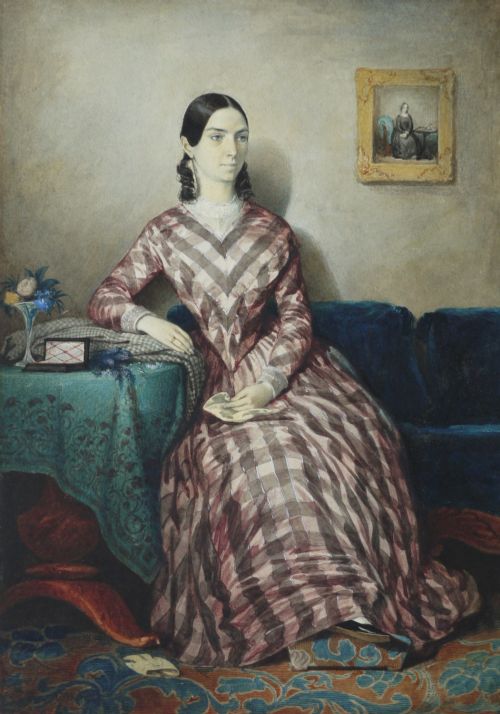
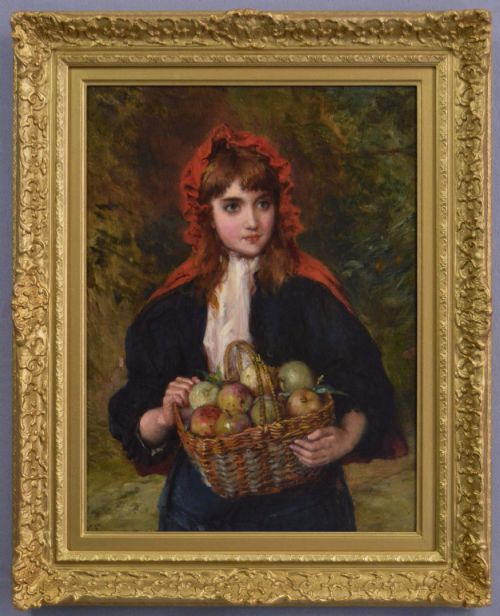
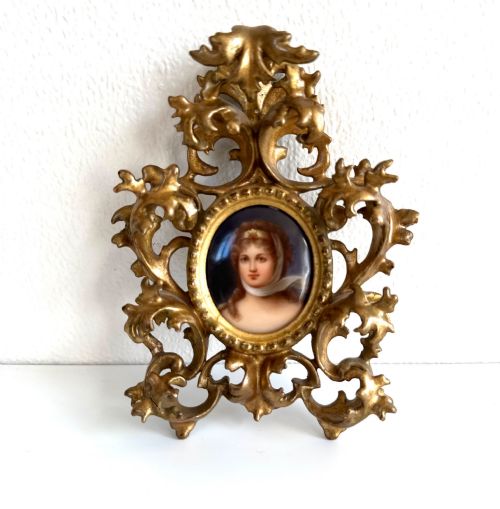
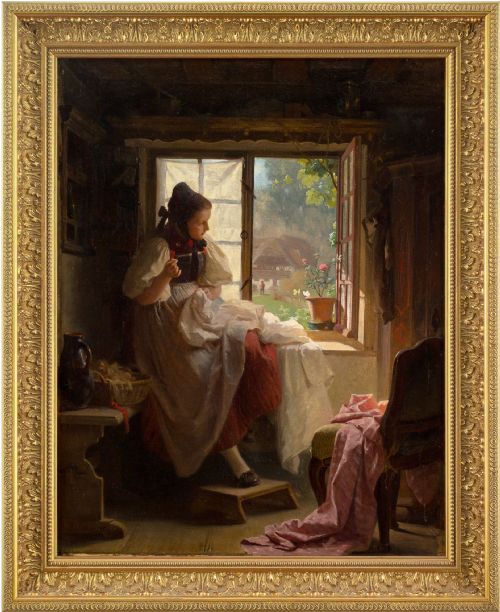
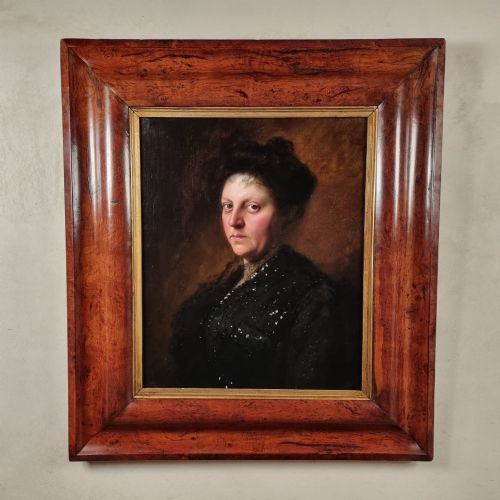
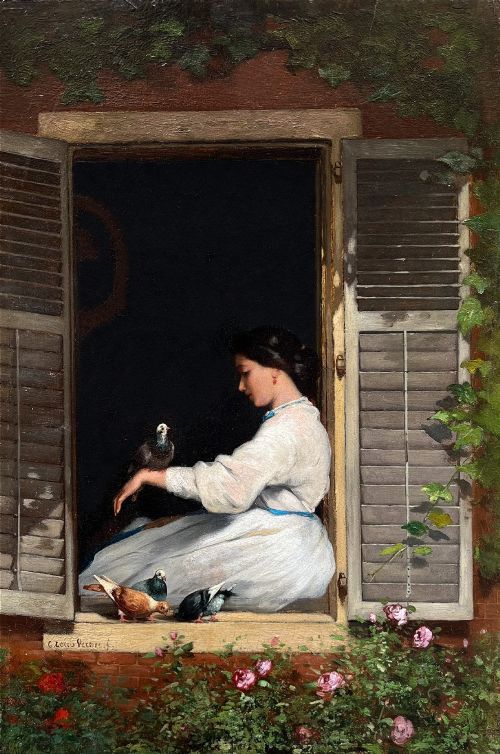
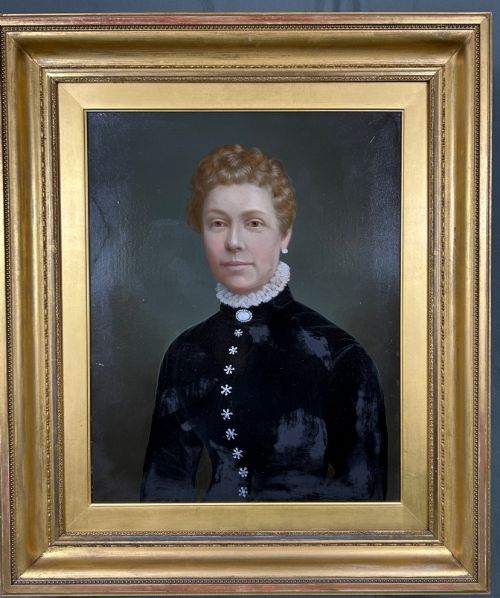
A victorian woman portrait painting typically depicts female subjects from the nineteenth century, ranging from society ladies in formal dress to young women in domestic or rural settings. These works arrive in various formats, including oil on canvas, delicate watercolours, and porcelain plaques.
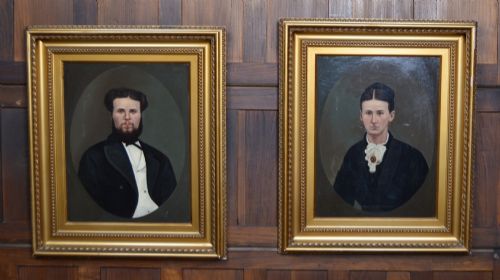
The selections span mid-nineteenth-century academic compositions to Edwardian depictions, reflecting diverse artistic movements such as realism and romanticism. Many examples retain their original frames, constructed from giltwood or dark wood.
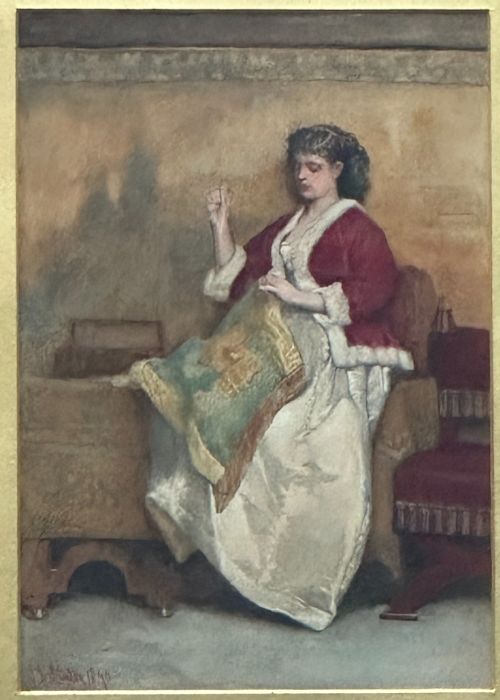
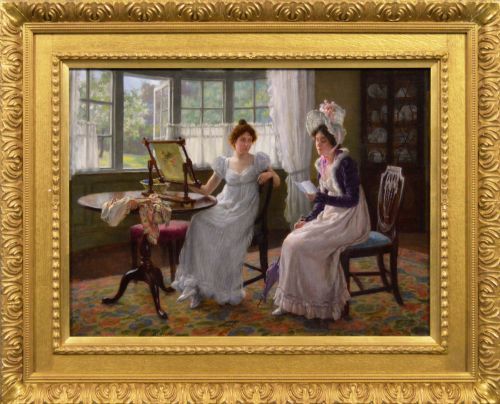
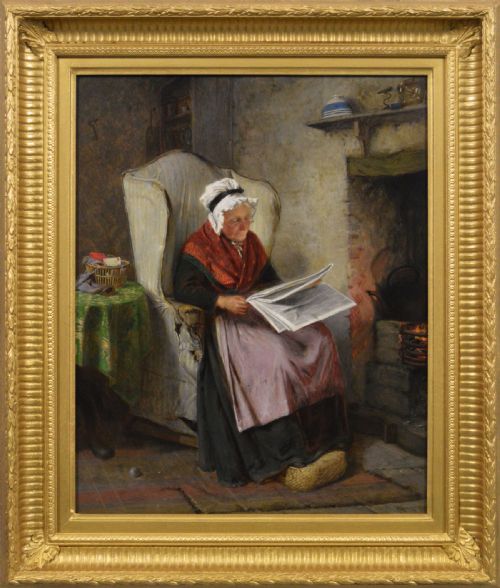
Buyers encounter individual studies and paired canvases, often showcasing specific narratives like reading, sewing, or resting near woodland pools.
Materials and construction
Artists primarily applied oil paint or watercolour onto prepared canvas, wooden panels, or heavy paper supports during this era. Canvases were stretched over wooden frames and secured with traditional methods.
Frames frequently combined carved wood with gesso, finished with gold leaf or dark polishing to complement the artwork. Some smaller miniatures incorporated specialist mounts, porcelain plaques, or maple surrounds.
Listings feature works executed in oil on canvas, board, and paper, alongside watercolours and porcelain plaques spanning the nineteenth and early twentieth centuries.
Factors of quality
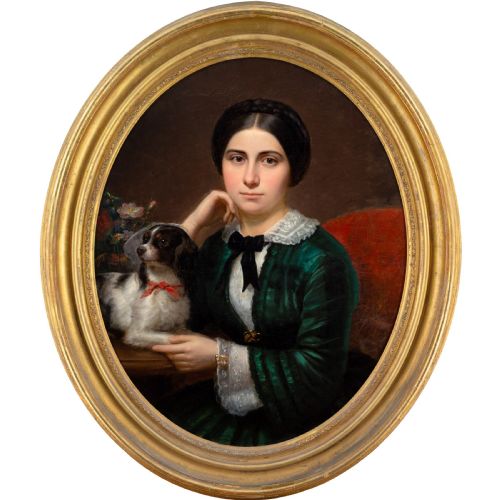
Quality rests in the precision of the facial rendering, the handling of textiles, and the subtlety of light across the subject. Masterful painters captured texture in velvet dresses, lace collars, and hair with distinct clarity.
The integrity of the original surface, stability of the paint layer, and the matching period frame influence the standing of an individual piece.
William Oliver·Sir James Dromgole Linton·Max Kaltenmoser·Louis Charles Verwee·William Arthur Breakspeare·Charles Haigh Wood·Haynes King·Thomas Edward Roberts·C.S. Lidderdale·William Henry Knight·Henry John Yeend King·John Robert Dicksee·Louis William Desanges·August Heinrich Riedell·William Joseph Carroll·Robert Faulkner
The Victorian Woman Portrait Painting Glossary
- Canvas
- A heavy woven fabric stretched across a wooden stretcher bar to serve as a support for oil paint. It provides a durable ground that responds well to traditional varnishing.
- Gesso
- A plaster-like mixture applied to wood or canvas to prepare a smooth surface for painting or gilding. It allows for intricate moulded details on frames.
- Genre painting
- Artwork depicting scenes from everyday life, often including figures in domestic interiors or rural landscapes. These paintings tell visual stories of social history.
Victorian Woman Portrait Painting: Frequently Asked Questions
How do I date a portrait?
Dating relies on the sitter's costume, hairstyles, and accessories, alongside any signatures or inscriptions on the reverse of the canvas. Period frames can also provide clues to the era of creation.
Examination of the materials, such as the weave of the canvas and the composition of the stretchers, helps narrow down the decade.
How should I hang and light oil paintings?
Oil paintings require stable indoor environments away from direct sunlight and excessive humidity. Wall placement should avoid exterior walls subject to temperature fluctuations.
Use picture lights designed for art to illuminate the canvas without generating harmful heat or UV rays.
What is the difference between a portrait and a genre painting?
A portrait focuses primarily on recording the specific likeness and character of an individual sitter. Genre paintings depict anonymous figures engaged in daily activities within a narrative scene.
Some nineteenth-century works bridge both categories by placing a recognizable portrait subject into a domestic or outdoor story.