
Nineteenth Century Art Painting
A nineteenth century art painting brings canvas, panel and paper works into a room with the depth of oil, watercolour and wash.
Nineteenth Century Art Painting
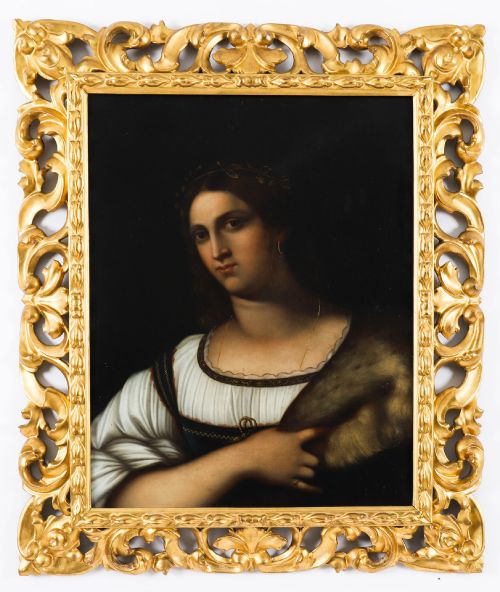
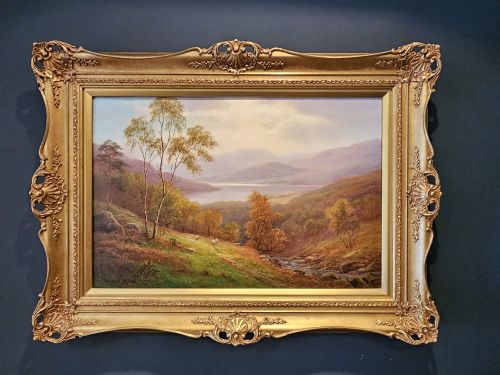
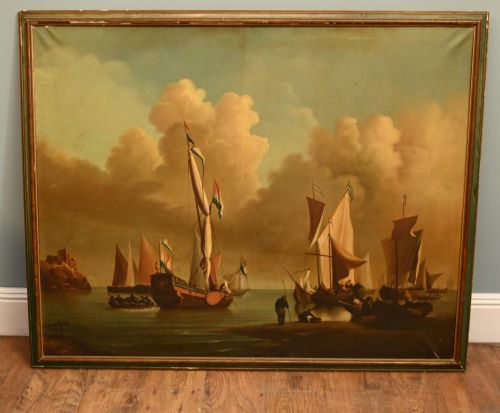
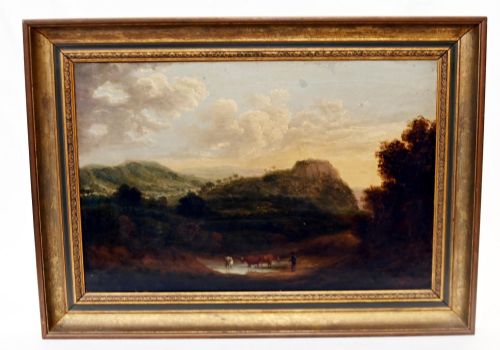
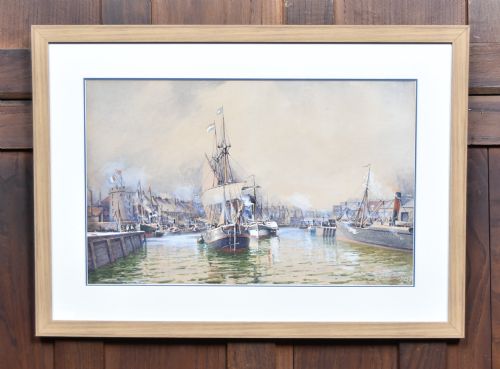
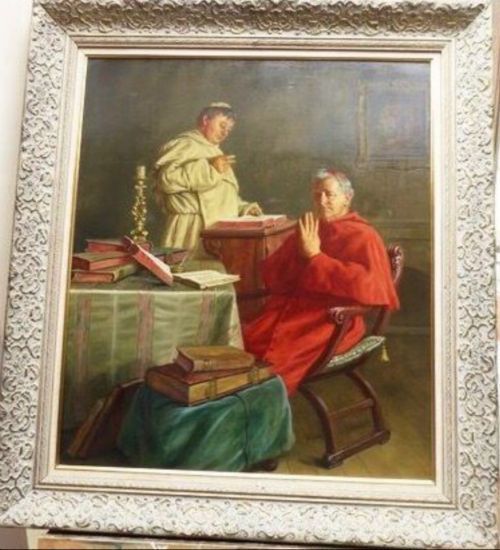
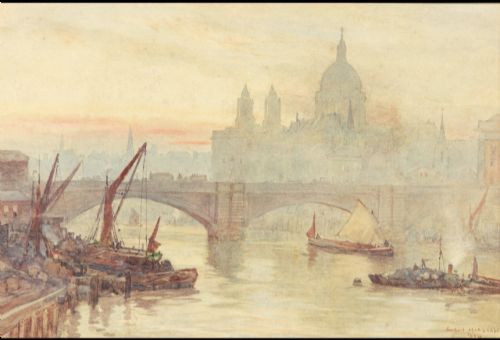
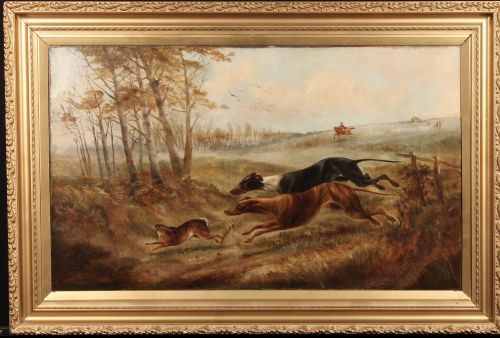
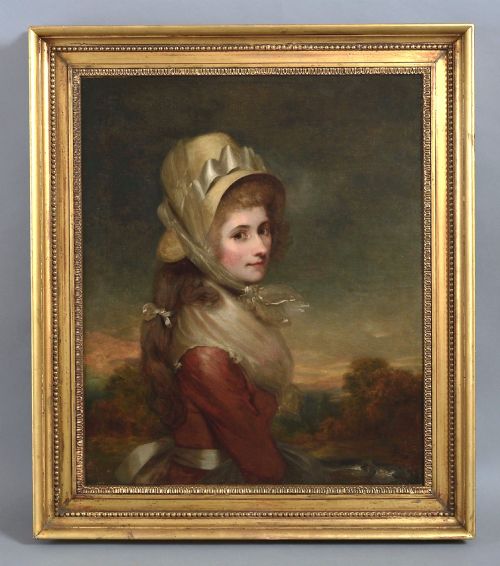
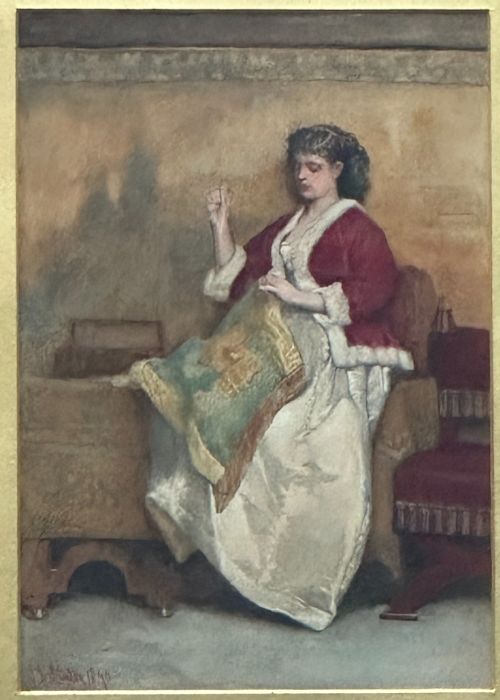
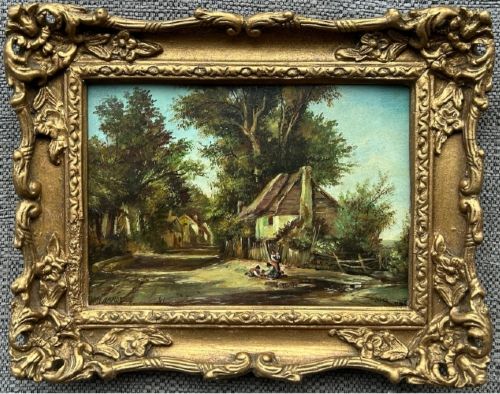
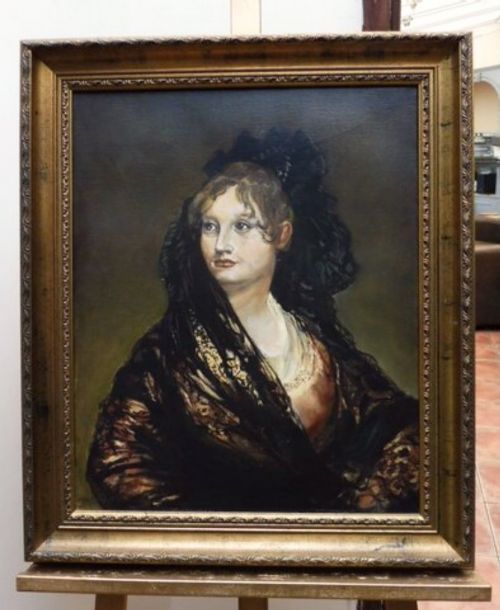
A nineteenth century art painting spans portraits, landscapes, townscapes and interiors produced across the nineteenth century and associated Victorian periods. Buyers encounter oil on canvas, wood panels and paper watercolours reflecting Barbizon, Post-Impressionist and Realist movements.
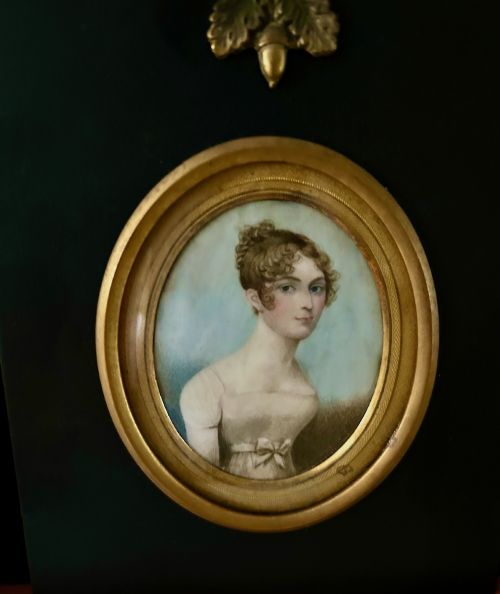
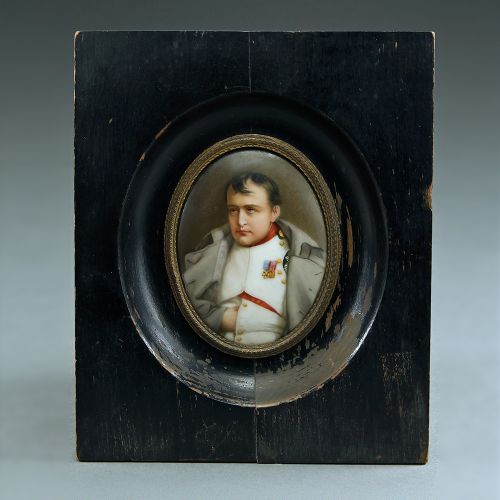
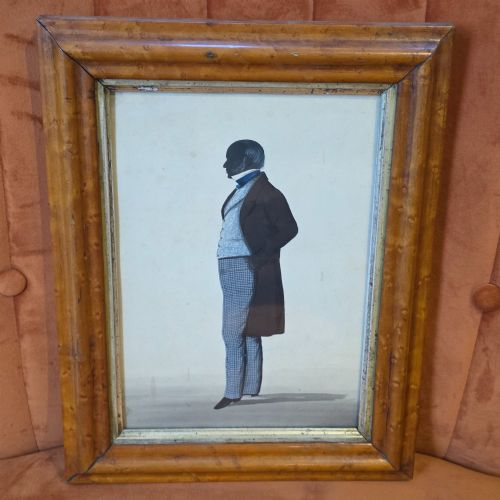
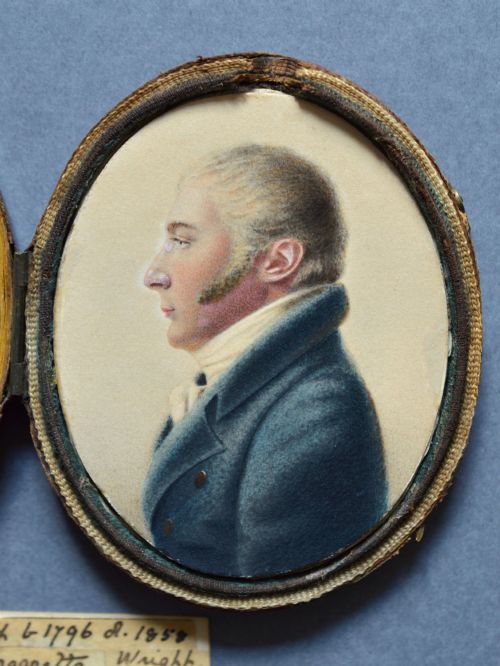
The selection includes British and European works ranging from intimate portrait miniatures to large framed wall art. Provincial naive folk pieces sit alongside signed landscapes and detailed historical scenes.
Subjects stretch from Venetian canals and coastal paths to domestic interiors, botanical studies and military officers. Many works arrive housed in period frames of gilt wood.
Materials and technique
Makers applied oil paint or watercolour to canvas, wood panels, glass and paper sheets. Canvases and panels frequently show brushwork built up in layers with oil paint.
Framing utilised gilt wood and carved mouldings, while works on paper relied on pen, ink, wash and gouache. Gold leaf and glass occasionally protected delicate miniatures and portraits.
Materials span oil on canvas, wood panels, glass, paper, gold leaf and gilt wood frames.
Distinctions in quality
Quality rests upon the sureness of the brushwork, the handling of light and shadow, and the depth of the composition. Skilled artists manage perspective and anatomical proportion with distinct confidence.
The integrity of the original surface, the preservation of the pigment, and the harmony of the framing contribute to the standing of a piece.
Sir Martin Archer Shee·William Howard Hardy·Robert Heinrich·Thomas John Horsley·Oliver Clare·James Kay·Alfred Pollentine·Francis Moltino·Richard Henry Wright·John Horace Hooper·Carl Haag·Frederick Walker·Charles Stuart Forbes·William Oliver·Abraham Cooper·John C D Engleheart
The Nineteenth Century Art Painting Glossary
- Oil on Canvas
- Pigment mixed with drying oil applied to a stretched woven fabric support. This method allowed artists to achieve rich colour saturation and varied textures.
- Barbizon School
- A nineteenth century French movement focused on plein-air landscape painting. Practitioners painted directly from nature with an emphasis on realistic light and atmosphere.
- Portrait Miniature
- A small-scale painting depicting a person, executed on ivory, vellum, card or paper. These works often served as personal tokens or memorials.
- Gilt Wood
- Wood carved and coated with a thin layer of gold leaf or metallic powder. It forms the decorative structure of many period frames.
- Post-Impressionism
- An art movement extending beyond Impressionism towards geometric forms and expressive use of colour. Works in this style retain impressionist brushwork while heightening symbolic content.
Nineteenth Century Art Painting: Frequently Asked Questions
How do I care for an oil painting on canvas?
Keep paintings away from direct sunlight and steady humidity levels to prevent the canvas and paint layers from cracking. Dust the surface gently with a soft, dry brush without applying moisture.
Avoid using chemical cleaners or abrasive cloths on the paint or the gilt wood frame. Professional conservators should handle any deep cleaning or canvas re-tensioning.
What subjects are common in these paintings?
Landscapes, townscapes, seascapes and portraits dominate the output of this era. Artists recorded pastoral scenes, architecture in cities like Venice, and botanical studies.
Historical narratives, literary scenes and domestic animal studies also feature prominently. Many works capture specific local topography and everyday rural life.
How do I identify the period of a frame?
Period frames often display hand-carved wooden ornament, composition ornament details, and layered gesso under genuine gold leaf. The backing boards, fixings, and corner joins offer clues to the date of assembly.
Many paintings remain in frames contemporary to their creation, though replacements occur frequently. Examining the wood type and wear patterns helps establish age.
Where were these watercolours and oils produced?
Production centred across Britain and continental Europe, including France, Italy and Spain. British and European schools developed distinct regional palettes and subject preferences.
Travelling artists recorded foreign architecture and landscapes, bringing scenes from Cairo and Venice back to domestic buyers.