
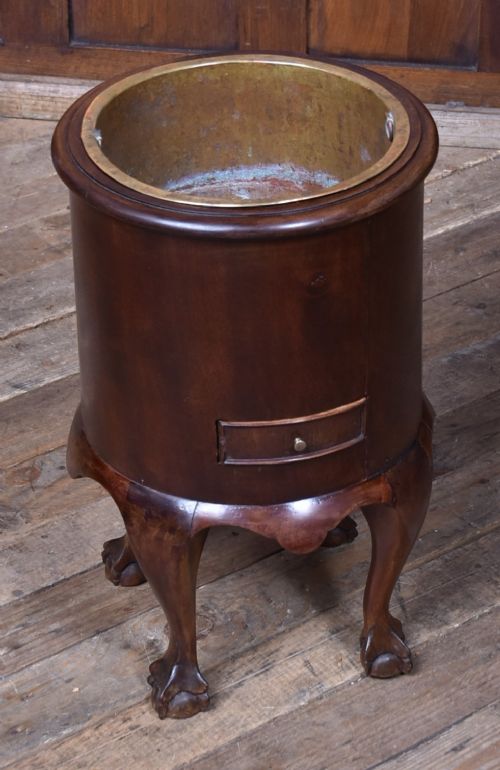
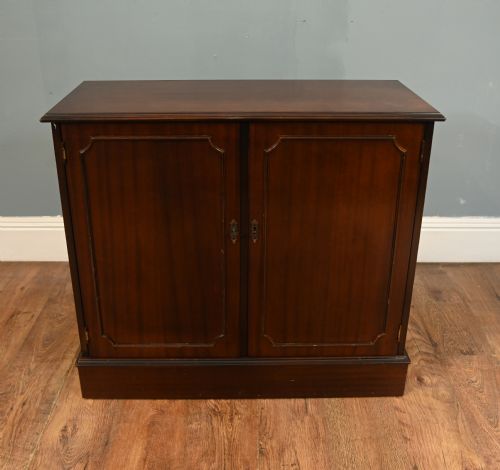
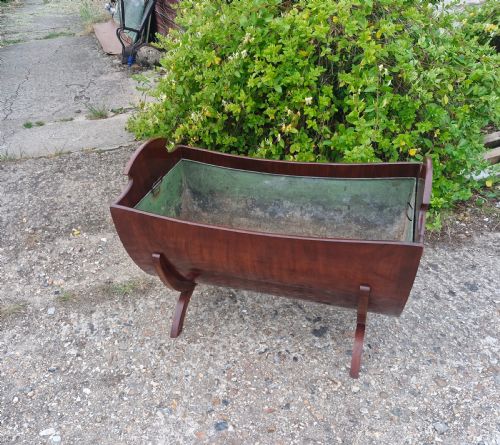


Victorian Wine Cellarette
A victorian wine cellarette holds your bottles in style, bringing period presence and practical storage to a dining room or hall.
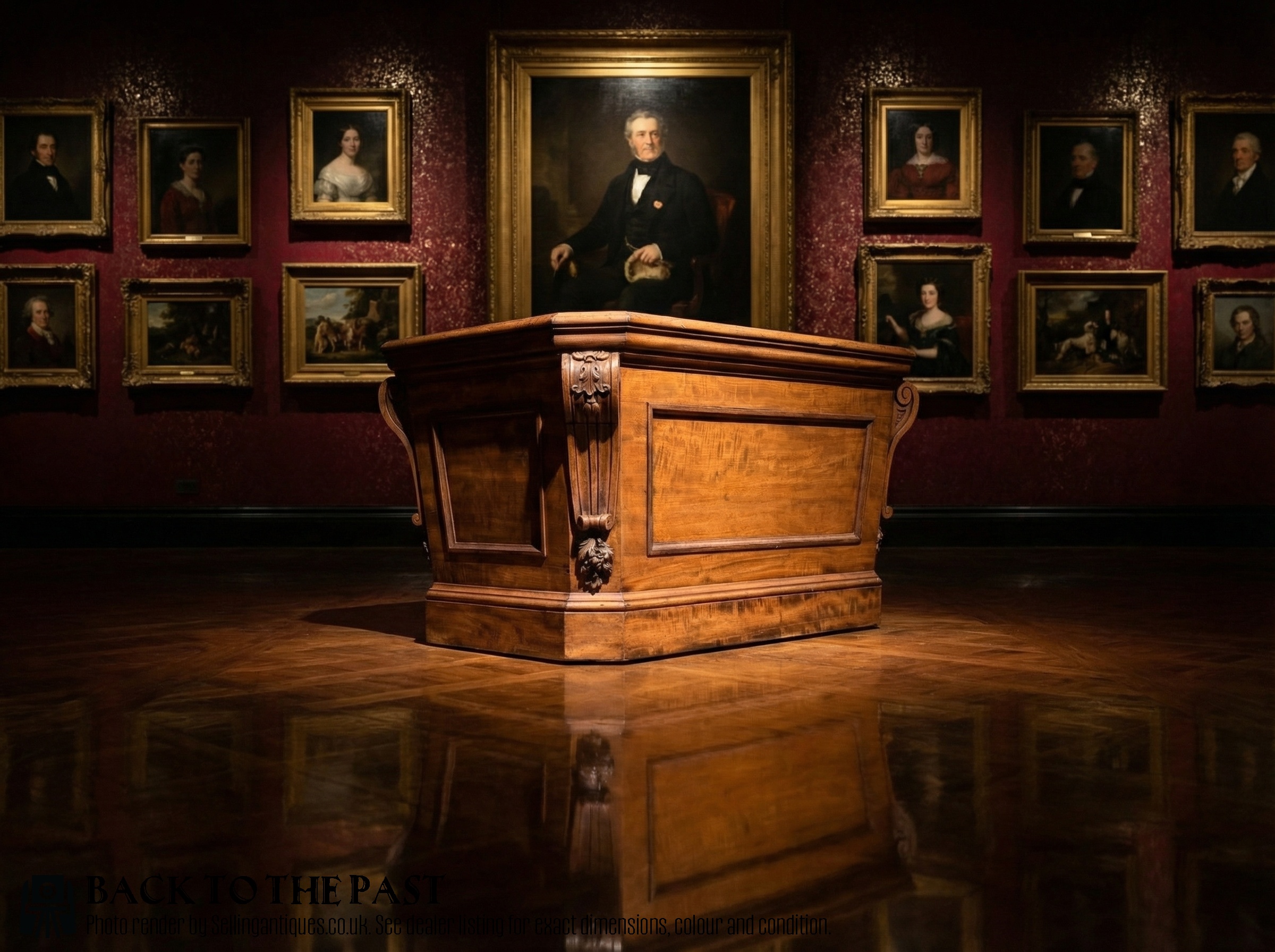
Victorian Wine Cellarette
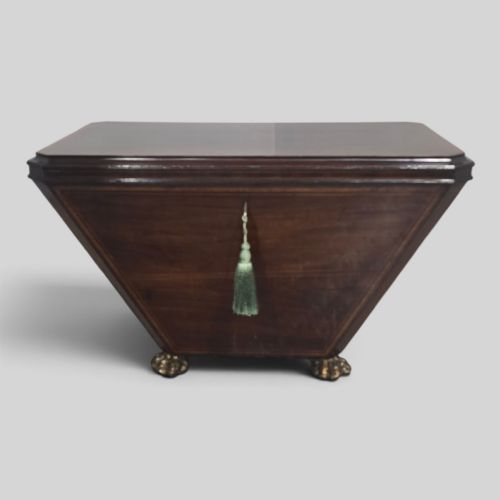
A victorian wine cellarette is a dedicated container designed to hold wine bottles and ice in the dining room, often taking the shape of a sarcophagus, oval, or chest. When you search for this phrase, you find heavy timber receptacles intended to sit beneath a sideboard or beside a dining table.
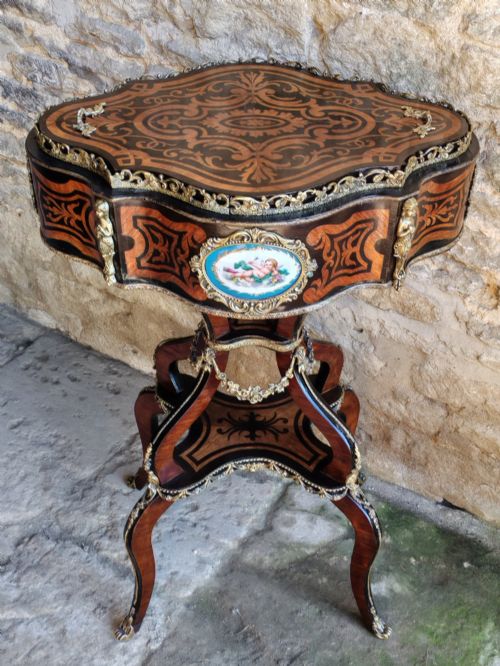
The versions most common on this page are fashioned from solid mahogany or rosewood, frequently incorporating brass bands or inlaid marquetry. Makers sometimes built these pieces in the Georgian style or with revival influences, keeping the interiors lined to hold bottles safely.
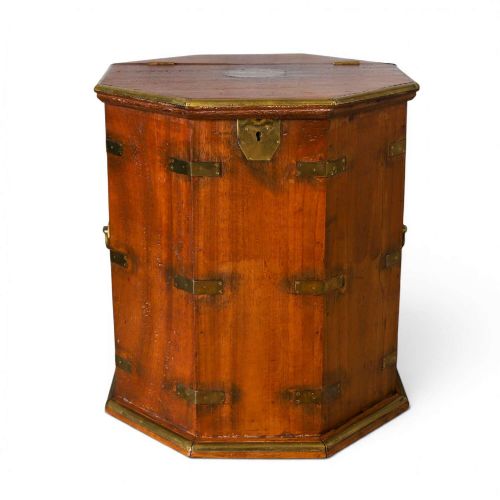
Forms range from compact cabinet cellarettes to massive carved walnut vessels and campaign style chests with hinged lift-up tops. Many pieces double as jardiniere planters or log baskets, reflecting how nineteenth-century households adapted furniture for multiple uses.
Materials and construction methods
Cabinet makers utilised dense hardwoods like mahogany, walnut, and rosewood to construct the heavy carcases needed to support the weight of liquid and ice. These timbers were often polished to a deep lustre, showing rich grain patterns across curved sarcophagus shapes and flat panelled sides.
Metal fittings played an essential structural and decorative role, with brass banding, cast ormolu mounts, and carrying handles secured to the exterior. Interiors frequently featured lead or metal linings designed to hold melting ice without damaging the surrounding timber framework.
Some nineteenth-century wine containers doubled as indoor plant holders, letting a dining room piece retire gracefully to green thumb duties.
Distinguishing quality in period pieces
The standard of timber selection and complexity of carving largely separate standard workshop items from exceptional commissions. Elaborate marquetry inlay, intricate brass ormolu mounts, and secondary woods like oak indicate a higher tier of craftsmanship.
Makers' signatures or attributions to recognised firms elevate certain examples, alongside the integrity of the original interior lining and hardware. The precision of the joinery on curved sarcophagus lids and heavy panelled doors demonstrates the skill invested by the original cabinet maker.
Edwards and Roberts·Freemans of Norwich·Maples and Co·Robert Strahan and Co of Dublin·Samual Norman
The Victorian Wine Cellarette Glossary
- Cellarette
- A lockable container or cabinet designed for storing wine bottles near the dining table. They frequently include interior compartments or metal liners for cooling.
- Sarcophagus form
- A monumental burial-chest shape popular for nineteenth-century wine coolers and cellarettes, featuring a domed lid and tapered or ogee sides. This classical silhouette was favored in grand dining rooms.
- Campaign chest
- A portable furniture form made in sections with recessed brass hardware, designed for easy transport by military officers. Examples adapted for wine storage feature specialised interior configurations.
- Jardiniere
- An ornamental stand or container used to hold growing plants and flowers. Nineteenth-century examples often share forms with wine coolers and cellarettes.
- Bin label
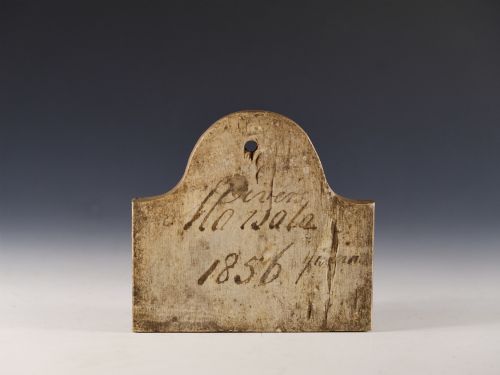
- A small marker, often made of ceramic or metal, used in cellars to identify vintage and bin locations. They appear alongside cellarettes in wine storage listings.
Victorian Wine Cellarette: Frequently Asked Questions
How were cellarettes used?
Cellarettes stood in the dining room to store wine close to the table before meals were served. Servants kept bottles chilled inside the lined compartments using ice.
After dining, the contents remained secure, and the lockable lid prevented unauthorized access to the family's better vintages.
Where should I place one?
These pieces fit naturally in a dining room, living room, or large hallway where their substantial timber presence can anchor the space. Many people use them beside a sideboard as intended.
Alternative modern uses include storing extra bottles, holding logs by a fireplace, or functioning as a planter for large indoor houseplants.
How do I identify the period?
Check the primary wood, construction techniques, and decorative style to narrow down the era. Mahogany and rosewood construction with classical revival motifs typically points to the nineteenth century.
Cabinet maker stamps, brass hardware styles, and interior linings also offer clues regarding whether a piece originates from the Georgian era or the Victorian revival period.
What maintenance do they need?
Keep timber cellarettes out of direct sunlight and away from sudden temperature shifts to protect the polish and prevent wood splitting. Apply appropriate furniture wax occasionally to nourish the hardwood grain.
Inspect metal liners and interior fittings gently, ensuring any historical zinc or lead linings are kept dry to preserve the original materials.