



Victorian Watercolour River Landscape
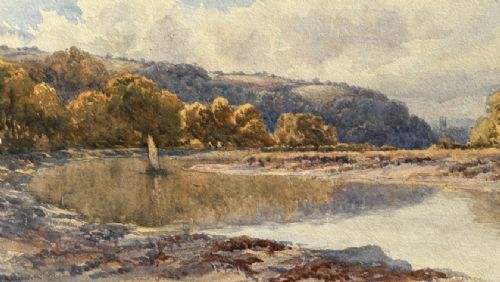
When you collect a victorian watercolour river landscape, you acquire an atmospheric window onto nineteenth-century waterways captured directly upon paper.
Victorian Watercolour River Landscape
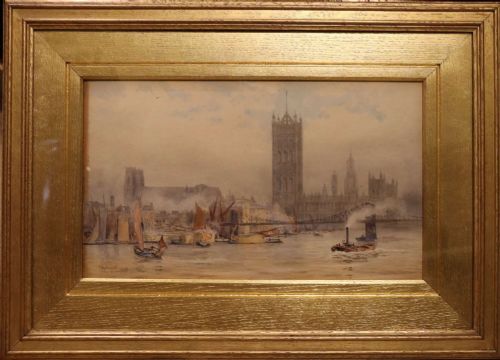
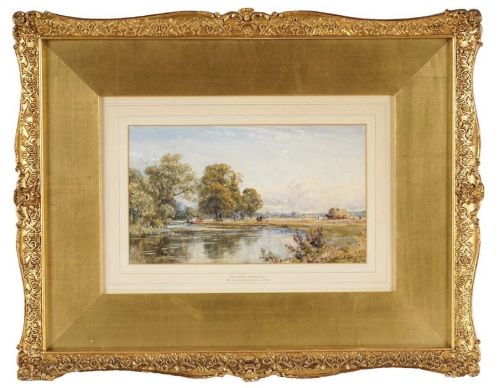
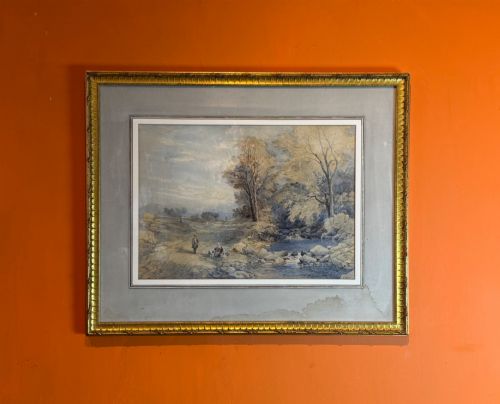
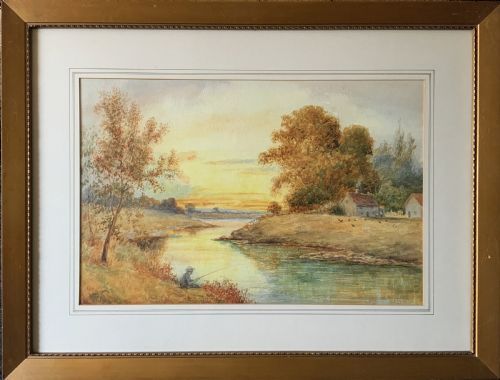
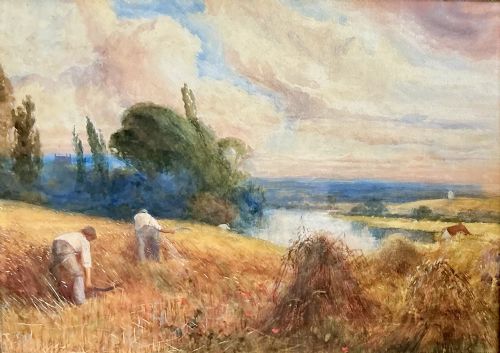
A victorian watercolour river landscape depicts rivers, estuaries, and maritime scenes across Britain and abroad, executed primarily during the nineteenth century. The typical piece encountered on this page frames natural waterways, rural banks, or historic bridges through the lens of Victorian naturalism or pastoral traditions.
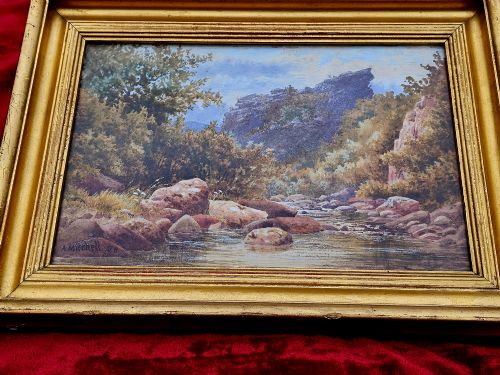
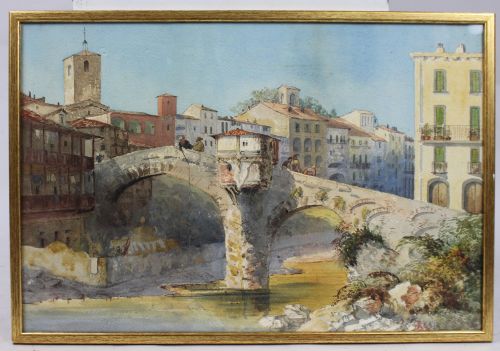
These works take the form of framed fine art paintings and wall art, varying from intimate pastoral sketches to large-scale gallery pieces. Subjects range from the River Thames and Welsh valleys to Italianate waters and Dutch ports.
The aesthetic embraces quiet rural life, livestock watering by riverbanks, shipping activity, and atmospheric atmospheric effects like sunsets over water. They represent a distinct period of British watercolour painting executed on paper support.
What Varies In Quality
Quality rests upon the handling of light, atmospheric perspective, and the fluidity of pigment application across the paper. A superior composition demonstrates confident brushwork and precise topographical draughtsmanship rather than stiff, formulaic execution.
The reputation of the artist and the specific documentary interest of the location elevate certain works above standard topographical sketches. Condition of the delicate paper support and preservation under glass also influence overall desirability.
Several Victorian artists clearly painted while very damp, judging by the occasional raindrop bloom preserved forever in the sky washes.
H. Medlycott·Alfred Young Nutt·Robert Thorne Waite·David Cox·Frederick Hines·William Frederick Settle·Alfred George Morgan·Cornelius Pearson·Edwin Lord Weeks·Henry John Kinnaird·Stuart Lloyd·Thomas Bush Hardy·Thomas Hunn·Colin H Greenwood·John Syer·Robert Winchester Fraser·Alfred Grey·George Arthur Fripp·Harold Lawes·Frederick G Coulridge·William Joseph Boyes·Walter Follen Bishop·Charles Harmony Harrison·William Wyld·Henry Barlow Carter
The Victorian Watercolour River Landscape Glossary
- Watercolour
- A painting method where the paints are made of pigments suspended in a water-based solution. The medium relies on the reflective quality of the white paper showing through transparent washes of colour.
- Giltwood
- Wood carved and covered with a thin layer of gold leaf or gilt. This material frequently frames nineteenth-century fine art paintings to enhance their display.
- Estuary
- The tidal mouth of a large river, where the tide meets the stream. Painters frequently selected these dynamic coastal transition zones for their expansive skies and shipping traffic.
- Victorian Naturalism
- An artistic approach focusing on the accurate observation of nature and everyday rural scenes. This style guided many landscape painters of the nineteenth century.
- Bodycolour
- Watercolour paint rendered opaque by the addition of a white pigment such as chalk. Artists utilised this technique to create highlights and solid opaque passages within paper works.
Victorian Watercolour River Landscape: Frequently Asked Questions
How should I hang a watercolour painting?
Watercolours are sensitive to bright sunlight and ultraviolet rays which can fade delicate pigments over time. Position them away from direct, harsh light sources and damp walls to preserve the paper.
Ensure framing includes glass protection and acid-free mounts so the paper breathes without touching the glazing directly.
How do I identify a Victorian river scene?
Look for period dress on any figures present, traditional sailing vessels, and distinct stylistic cues associated with nineteenth-century British art schools. Signatures can often be researched against historical exhibition records from the era.
The paper stock, framing style, and handwritten inscriptions on the reverse often provide clues to the exact decade of creation.
Were these painted outdoors or in studios?
Artists during this period frequently produced initial pencil and wash sketches outdoors beside the river before completing finished watercolours in the studio. Portable watercolour boxes made plein-air observation increasingly popular.
Larger scale exhibition pieces were almost certainly refined indoors using field studies for reference.
What subjects are most common?
British rivers such as the Thames, Humber, and Medway appear frequently, alongside Welsh valleys and rural pastoral scenes with livestock. Coastal harbours and European continental waterways also feature prominently.
Artists favoured locations offering natural reflections, bridges, shipping activity, and changing atmospheric light.