
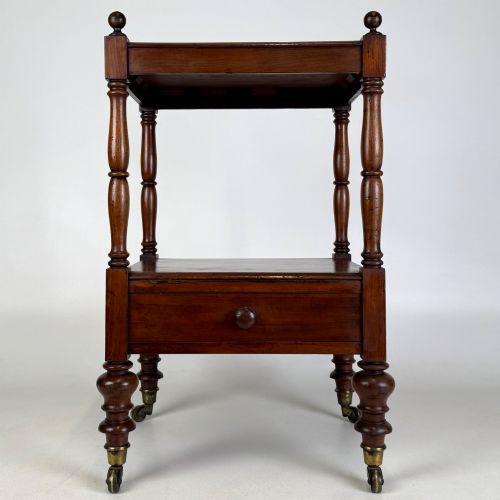
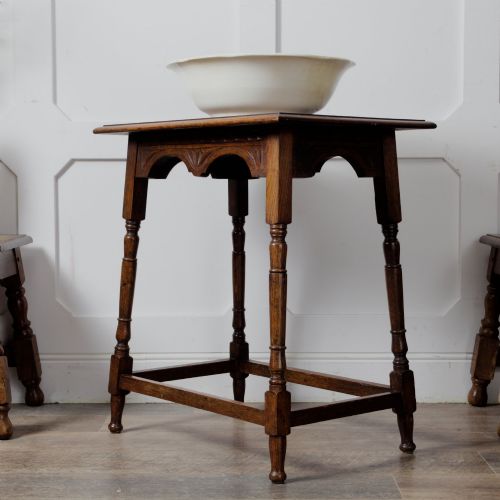
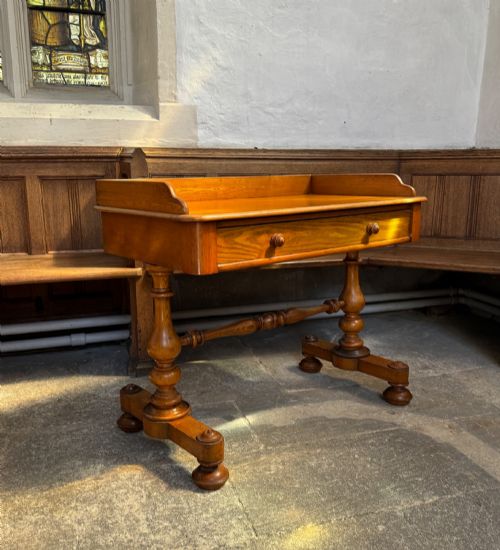
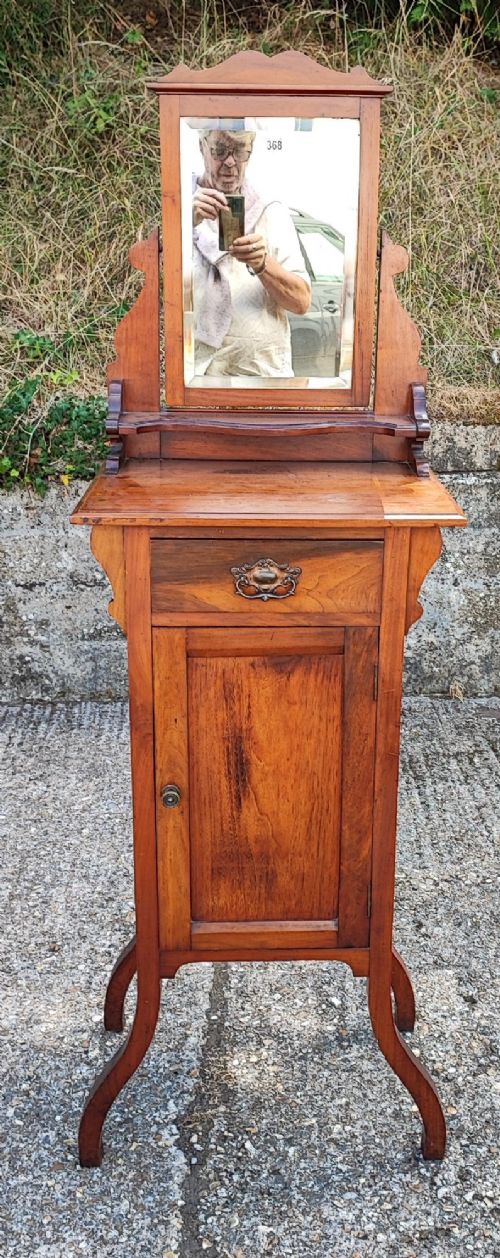
Victorian Washstand Table
A victorian washstand table brings solid nineteenth-century utility into a modern room as a versatile surface with character.
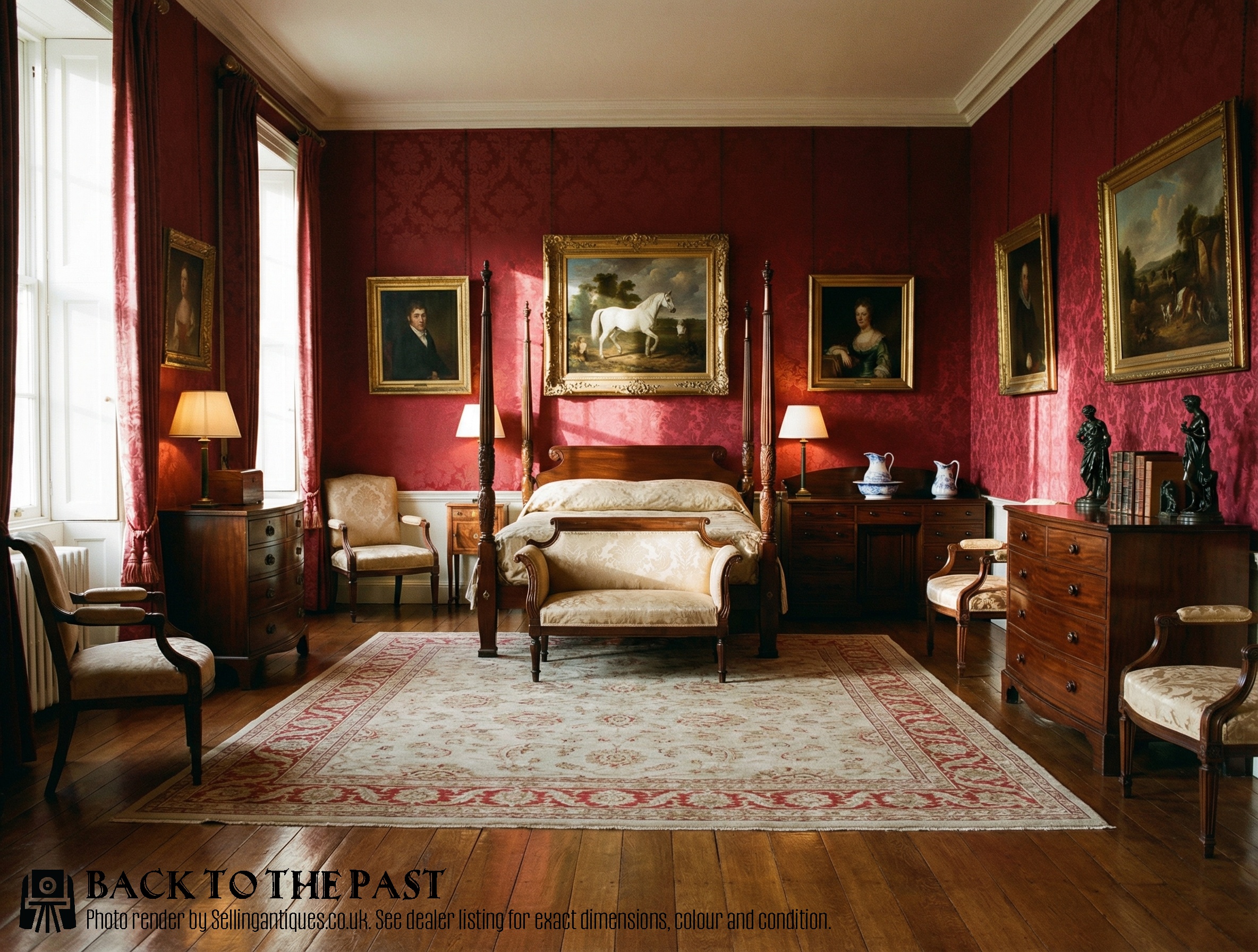
Victorian Washstand Table
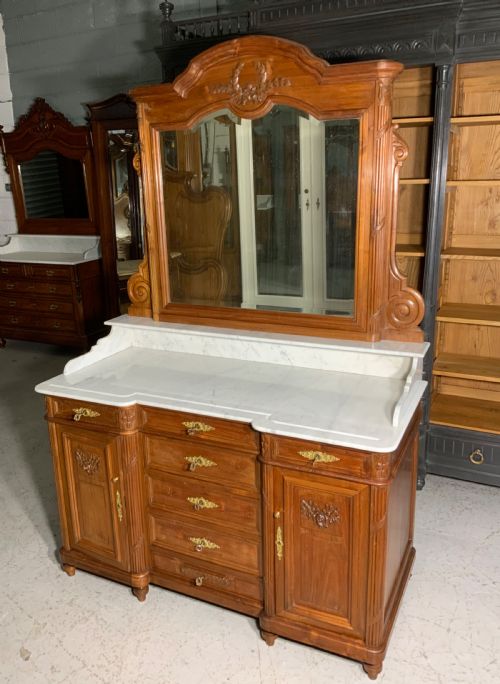
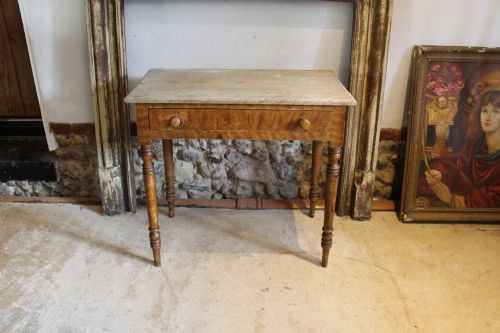
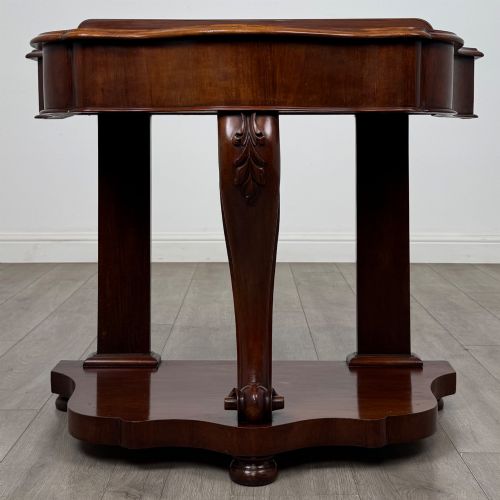
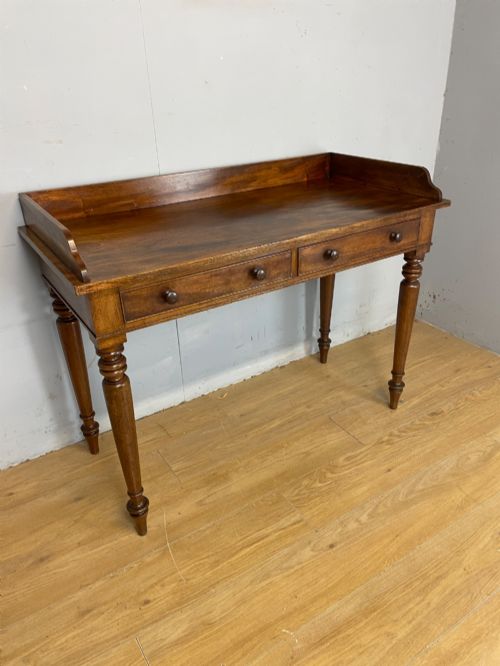
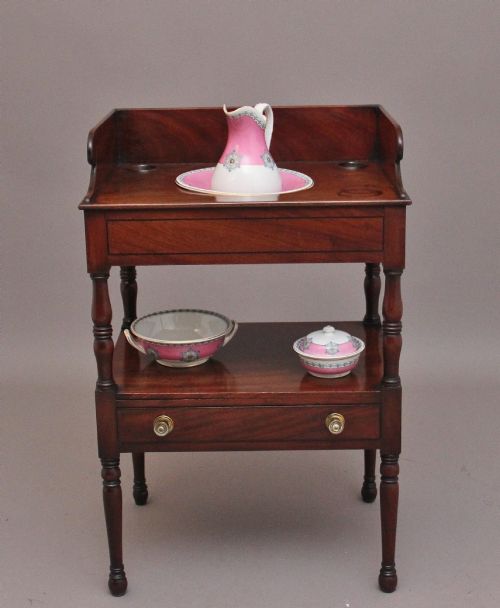
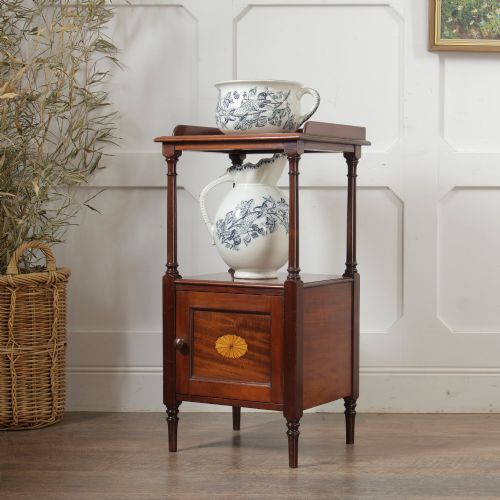
A victorian washstand table is a functional nineteenth-century bedroom piece designed for personal ablutions, commonly found in mahogany, pine, and walnut across this selection.
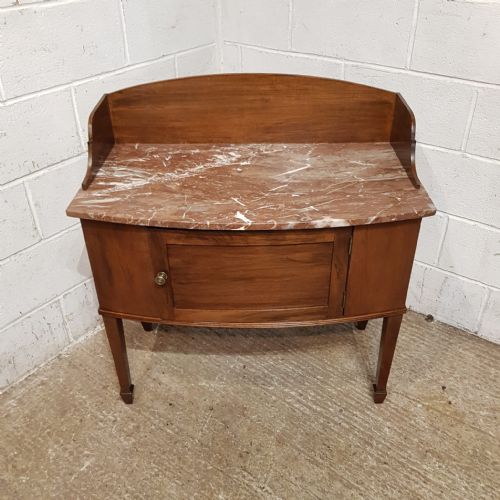
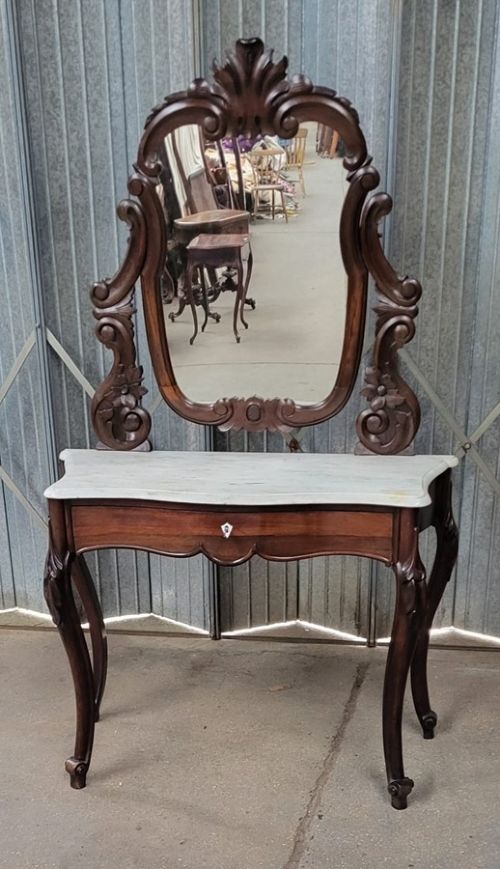
Buyers will frequently encounter mahogany and pine iterations from the Victorian period, often featuring marble tops or original paint finishes.
Many examples double as side tables or dressing tables, reflecting nineteenth-century domestic habits where bedroom furniture served multiple daily roles.
Materials and Construction
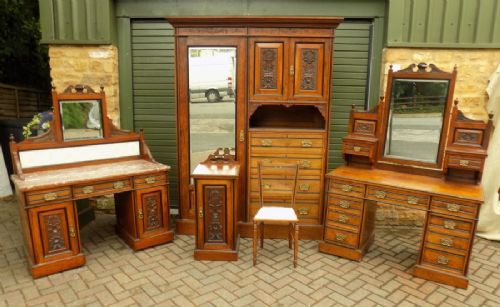
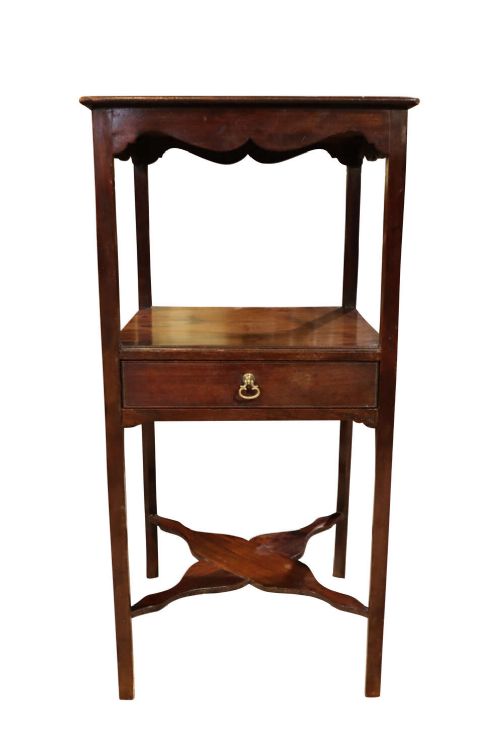
Cabinet makers utilised dense hardwoods like mahogany and walnut alongside robust softwoods such as pine, occasionally incorporating brass hardware and decorative tiles.
Stone tops in marble provided a hygienic, waterproof surface for wash jugs and basins, while painted and scumble finishes offered decorative appeal on simpler pine carcases.
Some washstands hide remnants of Victorian soap splashes inside their splashbacks.
Quality and Craftsmanship
Superior examples display finely figured timber veneers, dovetail drawer construction, and intact original marble tops without hairline fractures.
The survival of original surface treatments, whether scumble graining, paint, or polished mahogany, distinguishes pieces retaining their authentic finish from later alterations.
Harrods·Maples·Gillows
The Victorian Washstand Table Glossary
- Scumble
- A decorative painting technique used to mimic the grain of more expensive timbers on a pine base. It creates a textured, translucent finish popular in nineteenth-century country furniture.
- Campaign
- Furniture constructed to be easily dismantled and transported for travel. These pieces often feature recessed brass handles and corner brackets.
- Faux bamboo
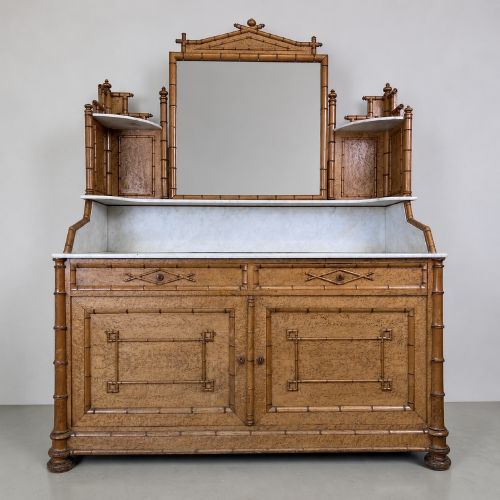
- A decorative carving style on wood that imitates the segmented joints of real bamboo. This technique appeared frequently in late nineteenth-century aesthetic movement pieces.
- Crossbanding
- A decorative border of veneer laid around the edges of a table top so the grain runs at right angles to the central panel.
Victorian Washstand Table: Frequently Asked Questions
What was a washstand table used for?
These tables held water jugs, basins, and washing accessories in nineteenth-century bedrooms before plumbed bathrooms became standard.
Today, buyers repurpose them as hallway consoles, bathroom vanity bases, or bedroom side tables.
How do I care for a marble top?
Marble requires gentle cleaning with warm water and mild soap to avoid etching the polished stone surface.
Using coasters and avoiding acidic liquids protects the historic material from permanent staining.
Are these pieces solid wood?
Construction methods vary between solid timbers like pine and oak, and frameworks utilising mahogany veneers over secondary woods.
Inspect the edges and drawer linings to understand the material build of each specific table.
How do I identify the period?
Cabinet construction techniques, such as hand-cut dovetails and timber selection, help distinguish early Victorian pieces from later Edwardian examples.
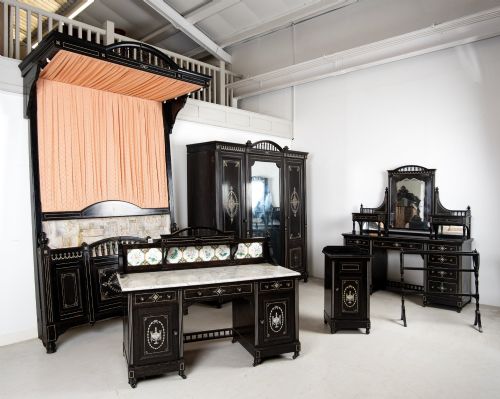
Stylistic markers like bamboo turning or aesthetic movement ebonising point toward the final decades of the nineteenth century.