
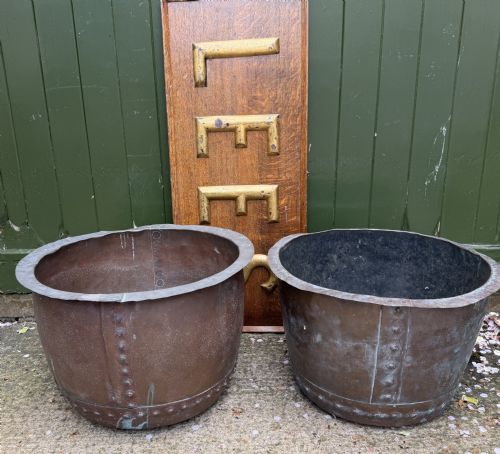


Victorian Washing Tub
These heavy metal vessels bring robust utility indoors, offering enduring character for firesides or gardens.
Victorian Washing Tub
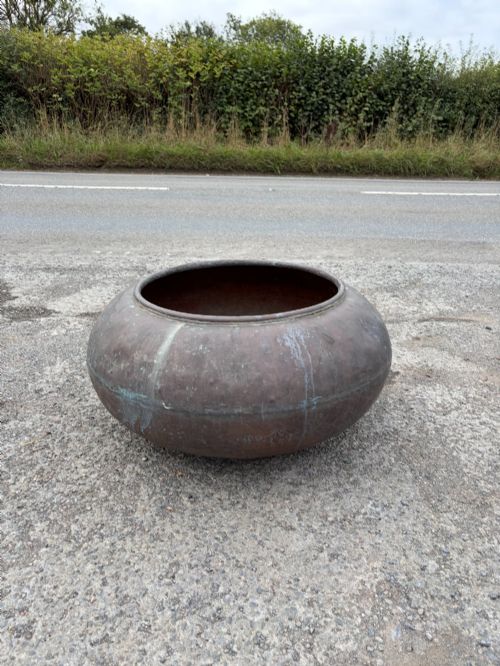
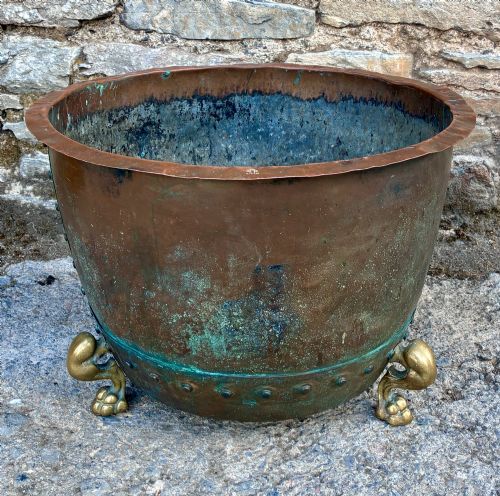
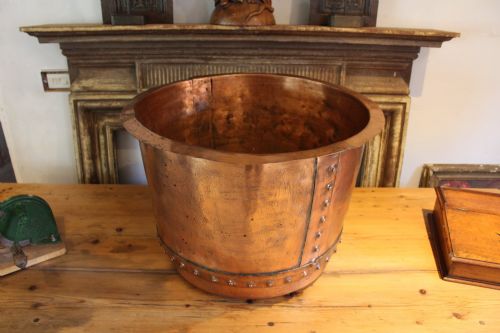
When searching for a victorian washing tub, collectors encounter robust metal vessels originally built for domestic labour during the nineteenth century. These utilitarian items survive primarily in copper, iron, and tin, often adapted today as log bins or garden planters.
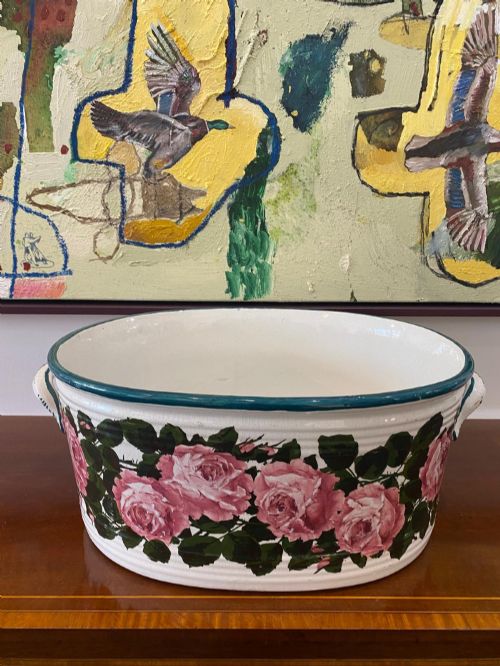
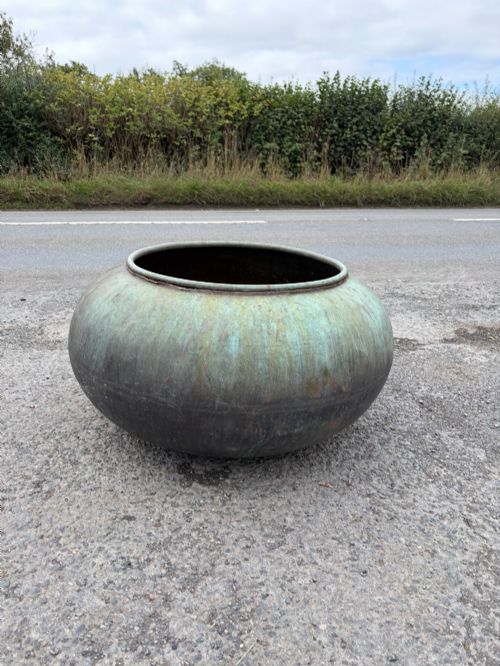
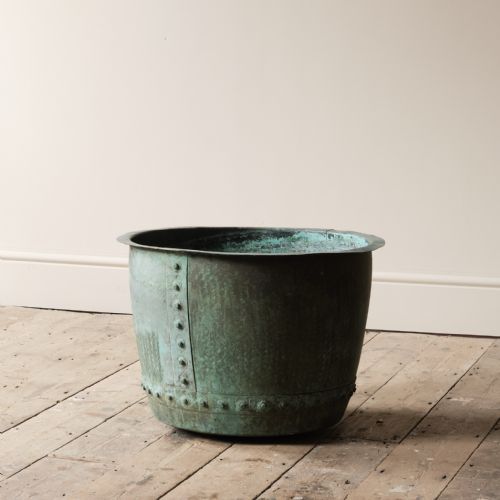
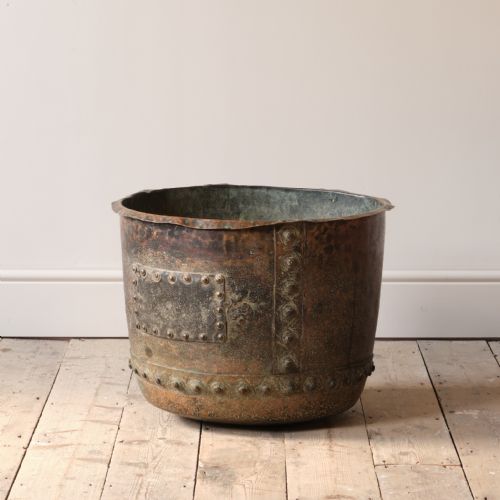
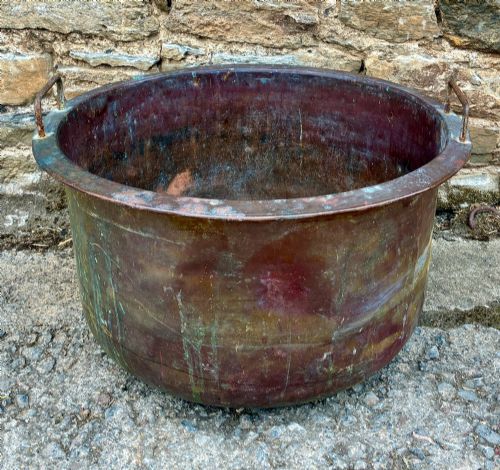
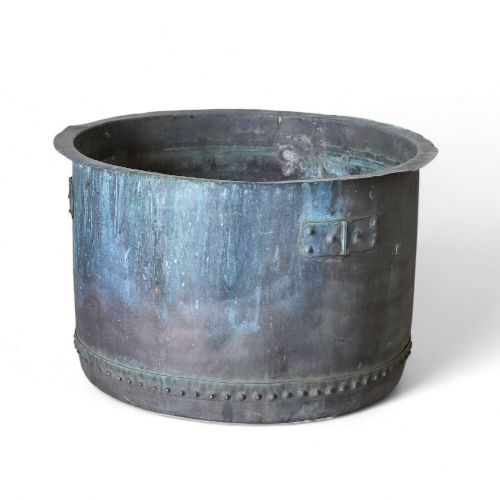
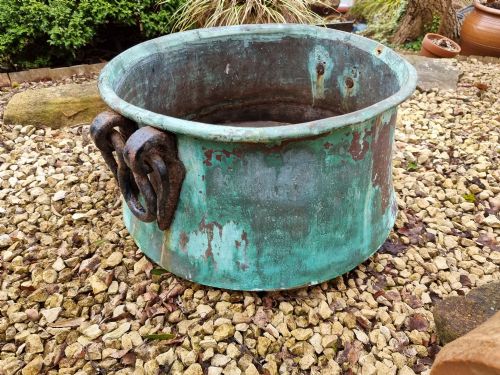
The selection ranges from large riveted copper boilers and cauldrons to galvanised tubs and ceramic footbaths. Many examples show the marks of heavy past use, such as verdigris surfaces or weathered patinas acquired over decades of service.
Materials and construction methods
Makers utilised heavy sheet metal, joining sections with hand-riveted seams to withstand intense heat and water pressure. Wrought iron handles were frequently attached to copper bodies for lifting.
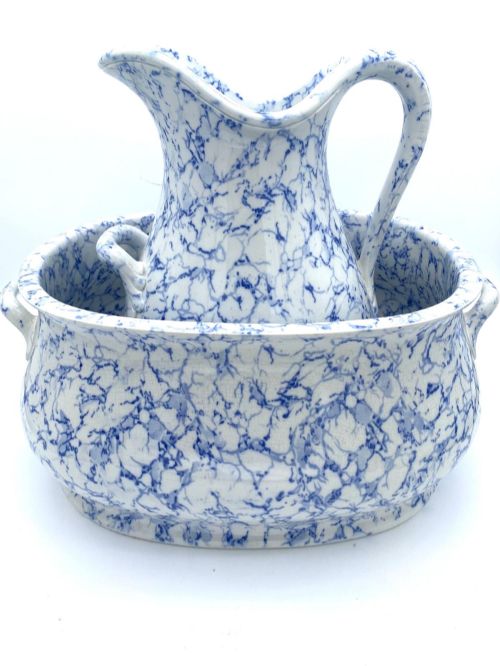
Alternative forms employ cast iron or galvanised metal, while ceramic versions utilise glazed earthenware decorated with transfer prints.
Object forms vary widely, encompassing cauldrons, grain measures, hip baths, and ceramic footbaths alongside traditional tubs.
Distinctions in craftsmanship
Quality rests in the heaviness of the metal gauge and the integrity of the hand-riveted construction. Vessels retaining original wrought iron swings and uncompromised structural forms command greater appreciation.
Surface character also dictates standing, where undisturbed patinas and natural verdigris enhance the visual weight of the piece compared to overly polished metal.
Wemyss·Minton·Copeland
The Victorian Washing Tub Glossary
- Verdigris
- A green patina formed naturally on copper or brass through atmospheric oxidation. This surface layer develops over long periods of exposure to moisture.
- Coopered
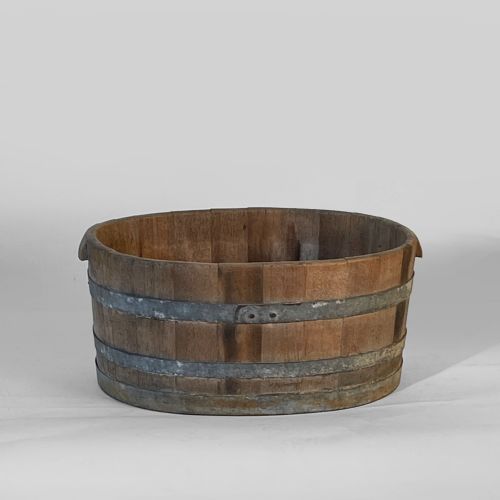
- Built from wooden staves bound with metal hoops, typical of traditional bucket and tub construction. This technique ensured watertight integrity for laundry work.
- Flow blue
- A cobalt printing style where the blue pigment intentionally bled into the surrounding white glaze during kiln firing. This created a soft, hazy appearance on nineteenth-century earthenware.
- Jardiniere
- An ornamental pot or stand designed to hold growing plants or flowers. These vessels often utilise antique metal wash bodies repurposed for horticulture.
Victorian Washing Tub: Frequently Asked Questions
What were these tubs originally used for?
These vessels served demanding domestic tasks such as boiling laundry, heating bathwater, and general washing before modern plumbing arrived.
Built for heavy utility, they handled boiling water and daily manual labour in large nineteenth-century households.
How do I use a copper tub at home?
Modern interiors repurpose these durable metal vessels as fireside log bins, umbrella stands, or large garden planters.
Their robust construction and weathered patinas suit contemporary spaces seeking industrial or rustic character.
How can I tell the period of a metal tub?
Nineteenth-century pieces typically display hand-riveted seams, heavy copper gauges, and wrought iron fittings rather than modern machine welding.
Surface patinas and maker stamps help anchor the manufacturing era within the Victorian timeline.
What is the difference between a copper boiler and a wash tub?
Boilers generally feature heavier metal walls and fixed handles designed to sit directly over a heat source for boiling water.
Tubs often incorporate coopered wooden staves or lighter metal bodies intended for holding water during manual scrubbing.