

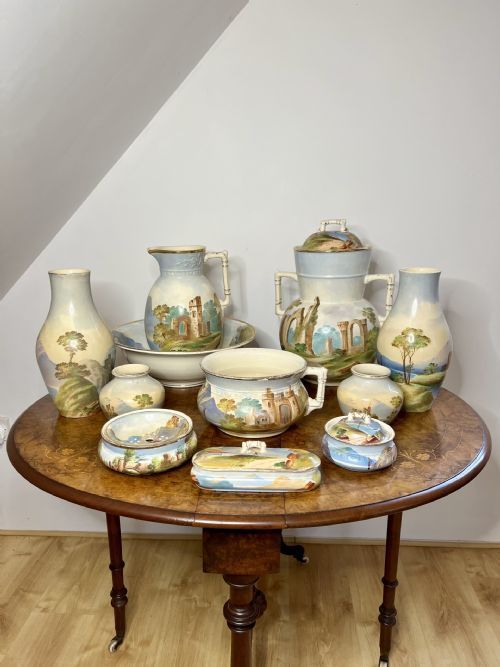
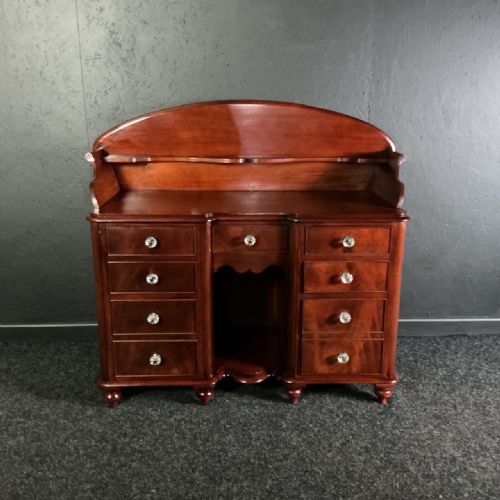
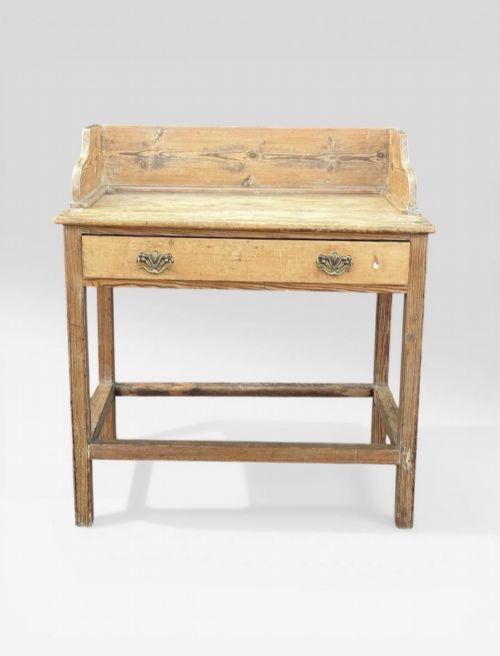


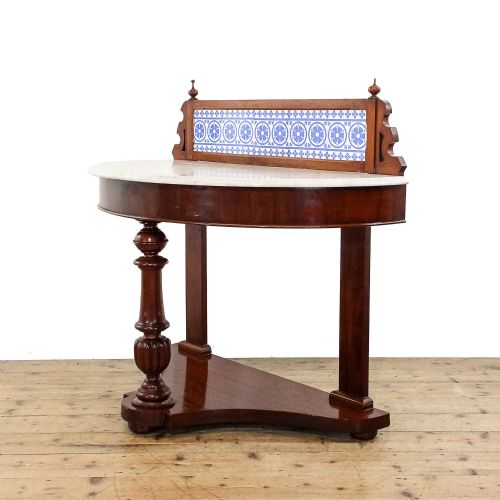


Victorian Wash Table
A victorian wash table brings practical nineteenth century craft into a modern bedroom as a versatile side table or vanity.
Victorian Wash Table
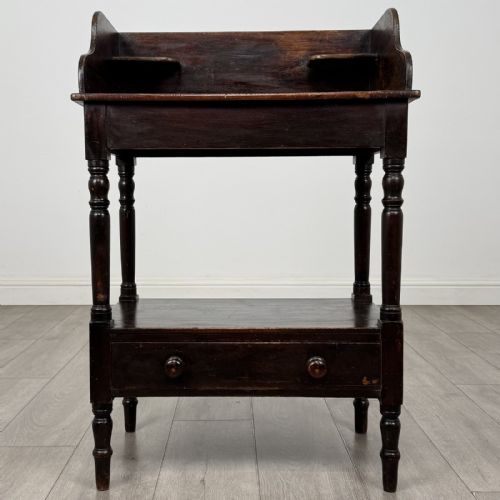
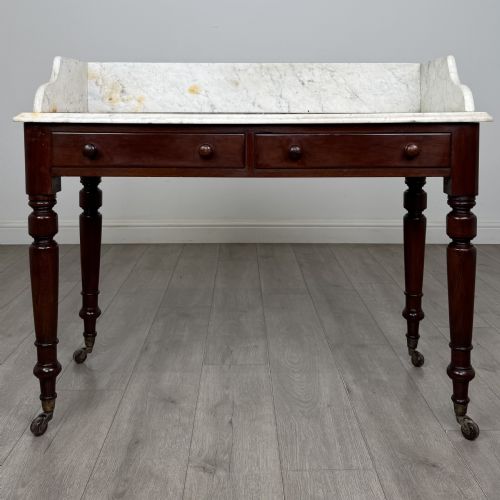
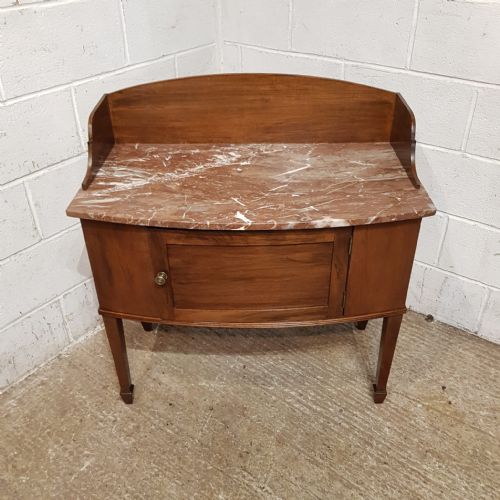
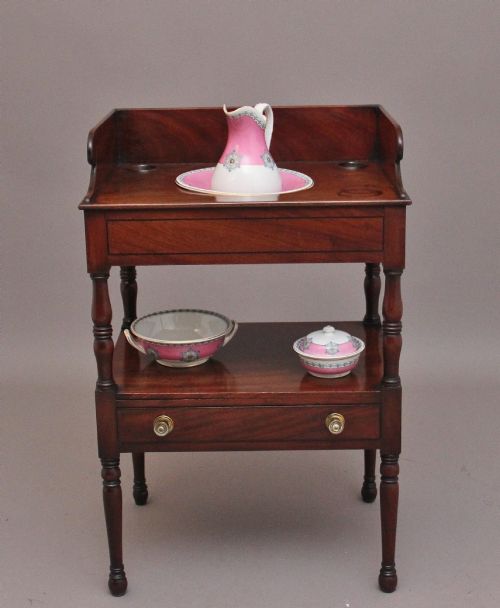
A victorian wash table serves as a functional bedroom fixture designed during the nineteenth century to hold washing basins and sanitary sets. These pieces appear most frequently on this page as mahogany or pine washstands, often featuring integrated marble tops or original painted surfaces.
Beyond traditional washstands, the category encompasses related forms such as side tables, duchess washstands, and occasional tables from the 18th to early 20th centuries. These items reflect the domestic hygiene habits of periods including the Edwardian era and the late 19th century.
Buyers encounter diverse regional styles within this selection, ranging from English country and rustic farmhouse to French provincial and Victorian maritime designs. Many examples double as practical writing tables or low hallway furniture due to their accommodating proportions.
Materials and construction
Cabinet makers built these tables predominantly from solid timbers such as mahogany, pine, ash, satinwood, and walnut, frequently incorporating heavy marble slabs to resist water damage during daily ablutions. Brass fittings, forged iron supports, and ceramic elements complete the primary structural vocabulary.
Surface treatments range from polished mahogany veneers and crossbanded satinwood to original layers of paint and washed oak finishes. Joinery typically relies on traditional nineteenth-century framing techniques suited to supporting heavy stone tops and porcelain wash sets.
Victorian Wash Table Retail Price Guide 2026
Typical asking prices for victorian wash table among the pieces listed under this phrase on Sellingantiques today, from the lower quarter to the upper quarter. They describe what is for sale here now, not the wider market.
Listings for this phrase include pine, mahogany, satinwood, and teak timbers paired with marble, brass, and ceramic components.
Evaluating the standard
Quality in a victorian wash table rests on the selection of timber and the integrity of its structural timber framing. Superior examples utilise dense, well-figured mahogany or intact marble tops with complementary decorative woodwork rather than utilitarian deal or replaced elements.
The degree of original survival distinguishes standard pieces from exceptional ones, particularly regarding untouched paint finishes, matching ceramic wash sets, and harmonious proportions. Refined detailing such as bow fronts, turned supports, and satinwood crossbanding elevate the status of an individual washstand.
The Victorian Wash Table Glossary
- Washstand
- A dedicated bedroom table designed to hold a basin, jug, and personal washing equipment. These items frequently convert well into contemporary hallway or side tables.
- Duchess washstand
- A grander variation of the standard washstand, often paired with a dressing table and incorporating an elevated back or mirror support. They typically feature substantial timber construction and marble surfaces.
- Crossbanding
- A decorative border technique where thin strips of veneer are laid perpendicular to the grain of the primary wood surface. This treatment frames the top of finer mahogany or satinwood tables.
- Marble top
- A heavy stone slab fitted to the upper surface of a wash table to provide a durable, waterproof workspace. White, grey, and rouge varieties appear across nineteenth-century examples.
- Pine washstand
- A domestic wash table constructed from softwood timber, frequently found retaining its original paint finish or stripped to the natural grain. These pieces often align with rustic farmhouse or country aesthetics.
Victorian Wash Table: Frequently Asked Questions
How do I use a wash table today?
A victorian wash table adapts easily to modern interiors as a bedside surface, hallway console, or bathroom vanity. The flat upper surface provides convenient space for lamps, books, or decorative items.
Marble-topped variants offer durable waterproof surfaces well-suited for plant stands or serving areas. Lower shelves and cupboards originally intended for chamber pots now serve as practical storage for everyday household goods.
Can I place a marble top washstand in a bathroom?
Marble top washstands suit modern bathroom environments well because the stone surface resists moisture and water splashes naturally. Historic timber frames require careful placement away from direct steam and standing water to preserve the finish.
Applying appropriate wood waxes helps protect nineteenth-century mahogany and pine frames from high humidity. Regular wiping maintains both the stone and the polished wood beneath.
What is the difference between a washstand and a side table?
Washstands were originally manufactured with specific cutouts or raised galleries to retain wash basins and prevent water from spilling onto the floor. Many surviving pieces share identical proportions and leg construction with standard nineteenth-century side tables.
Some examples feature integrated lower stretchers designed specifically to support heavy ceramic water jugs. Over time, many wash tables lose their splashbacks or basins, bringing their appearance very close to that of a conventional side table.
How do I date a nineteenth-century wash table?
Dating relies on examining timber species, construction methods, and stylistic cues characteristic of specific decades. Early nineteenth-century pieces often display solid mahogany and restrained classical lines, while late Victorian and Edwardian examples introduce lighter satinbirch, bamboo, or elaborate painted decoration.
Hardware such as brass handles and the presence of rouge or white marble slabs provide further chronological indicators. Comparing the piece against documented examples from the 1870s through to 1900 helps narrow the period of manufacture.