
Victorian Walnut Library Table
A victorian walnut library table brings rich grain and practical surface area to a room, functioning as a freestanding centrepiece or a serious workspace.
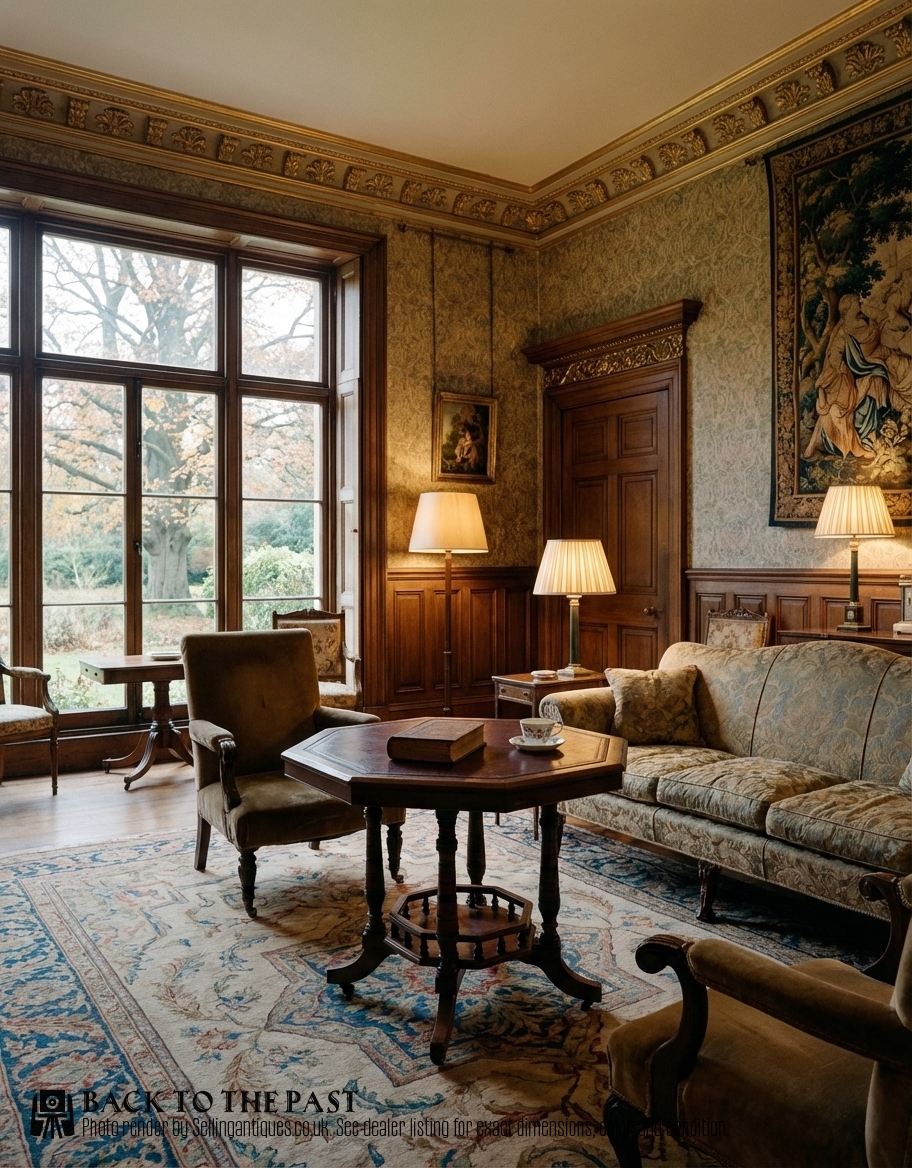
Victorian Walnut Library Table
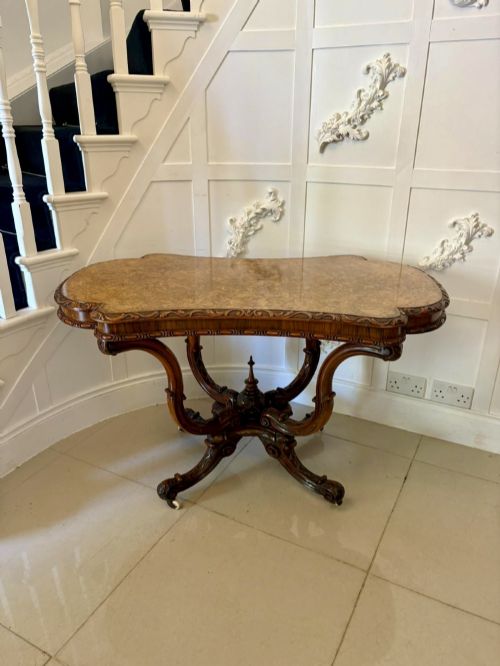
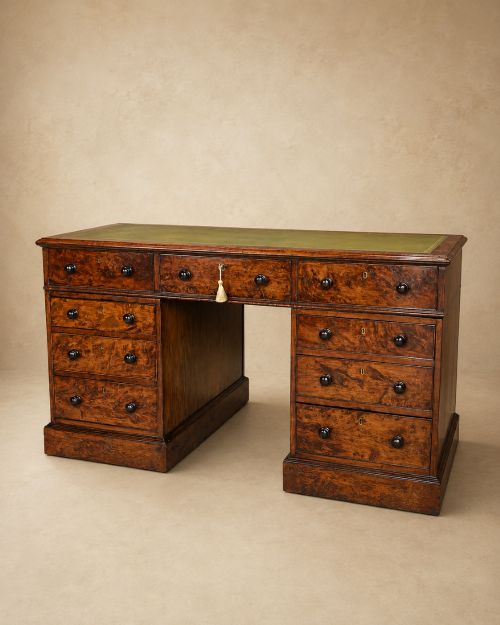
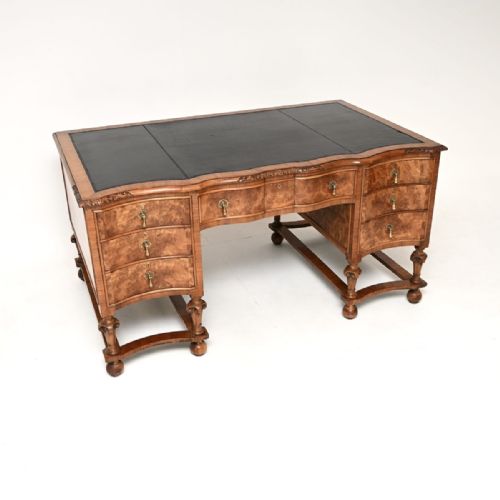
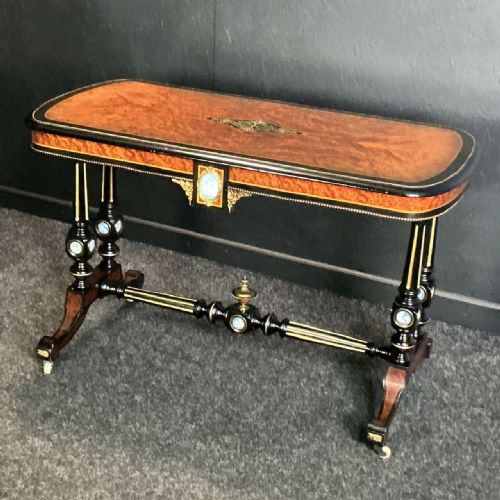
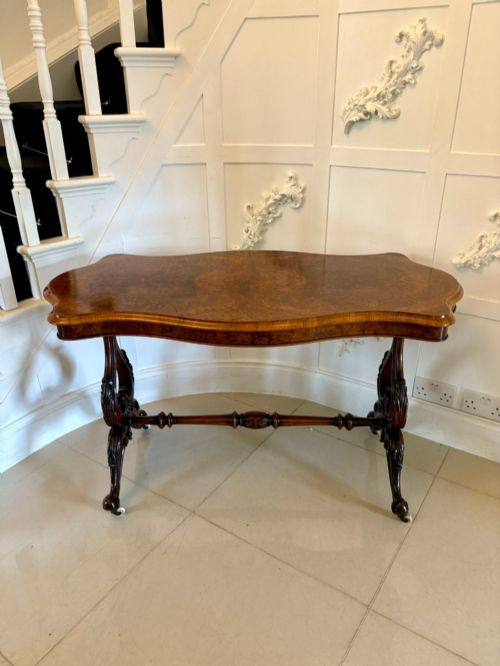
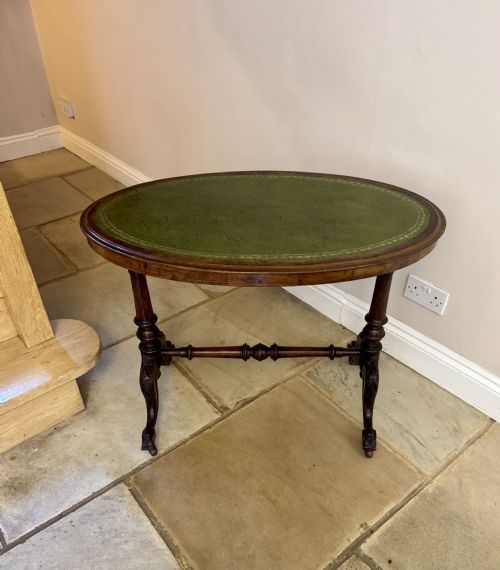
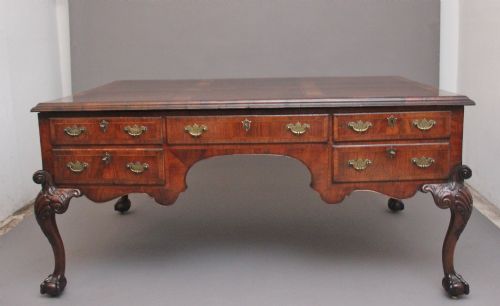
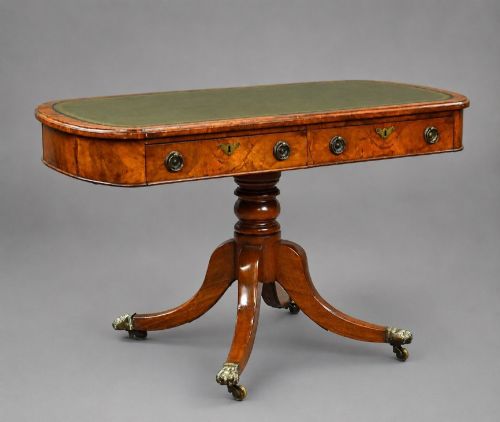
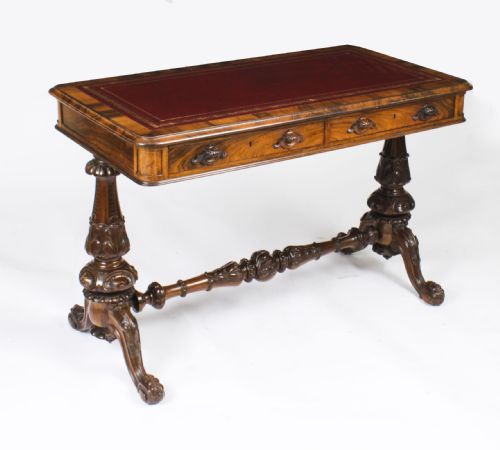
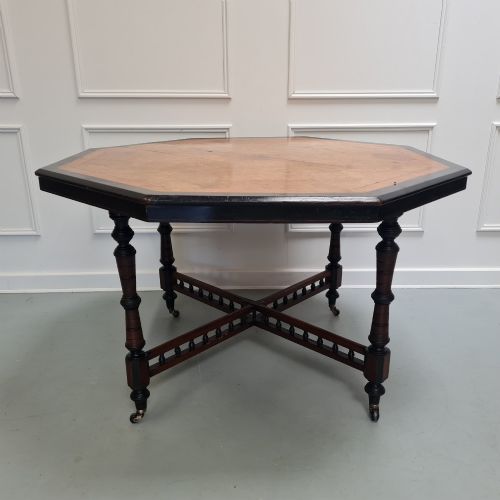
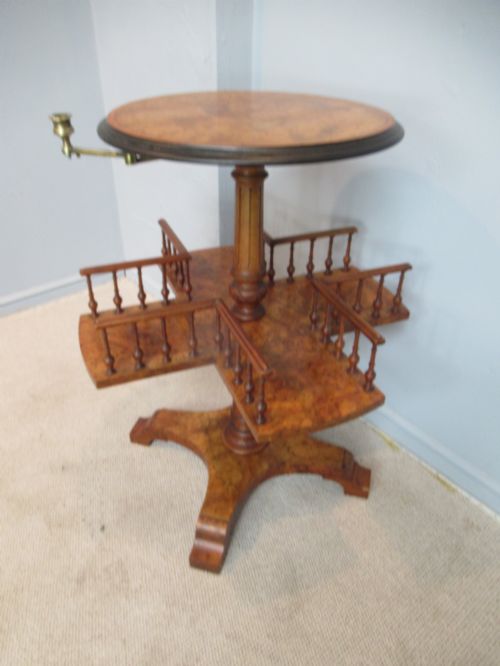
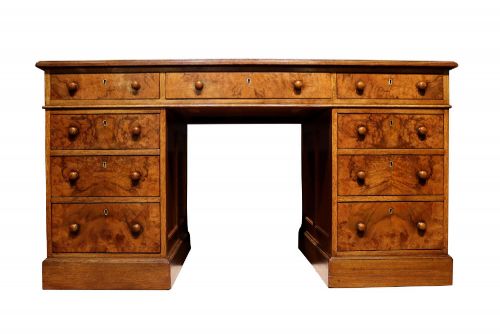
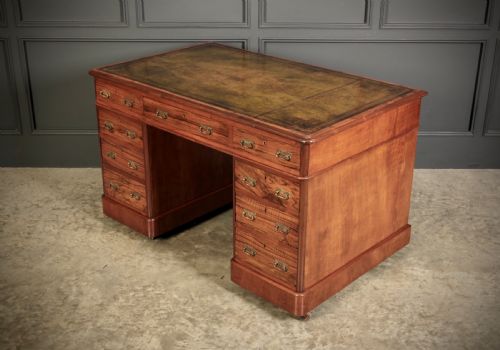
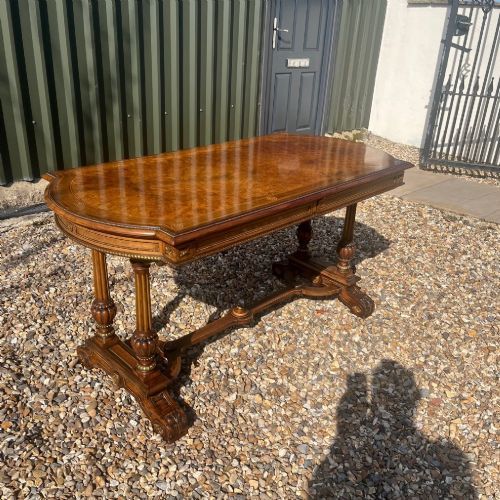
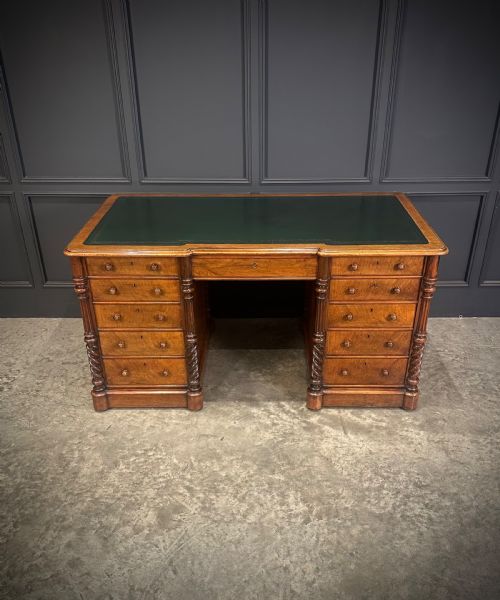
When you search for a victorian walnut library table, you encounter substantial nineteenth-century furniture designed to stand away from walls rather than sit against them. These pieces span rectangular centre tables, twin pedestal partners desks, revolving bookstands, and writing tables.
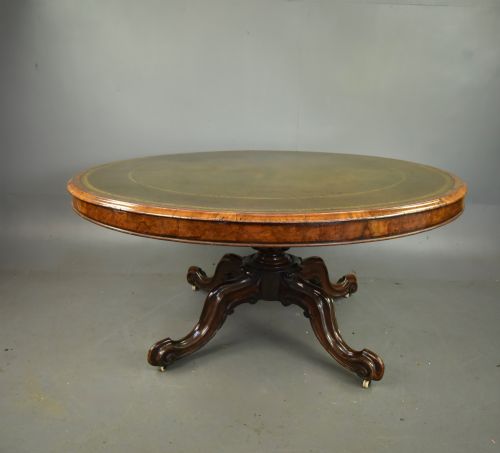
The versions most common on this page date from the mid to late Victorian decades, specifically between eighteen fifty and eighteen ninety. Makers constructed them in various shapes, including circular, oval, kidney-shaped, and octagonal formats.
Origin points encompass English workshops alongside Scottish cabinet makers, reflecting diverse regional tastes in timber selection and decorative revival styles such as Louis XV and Renaissance.
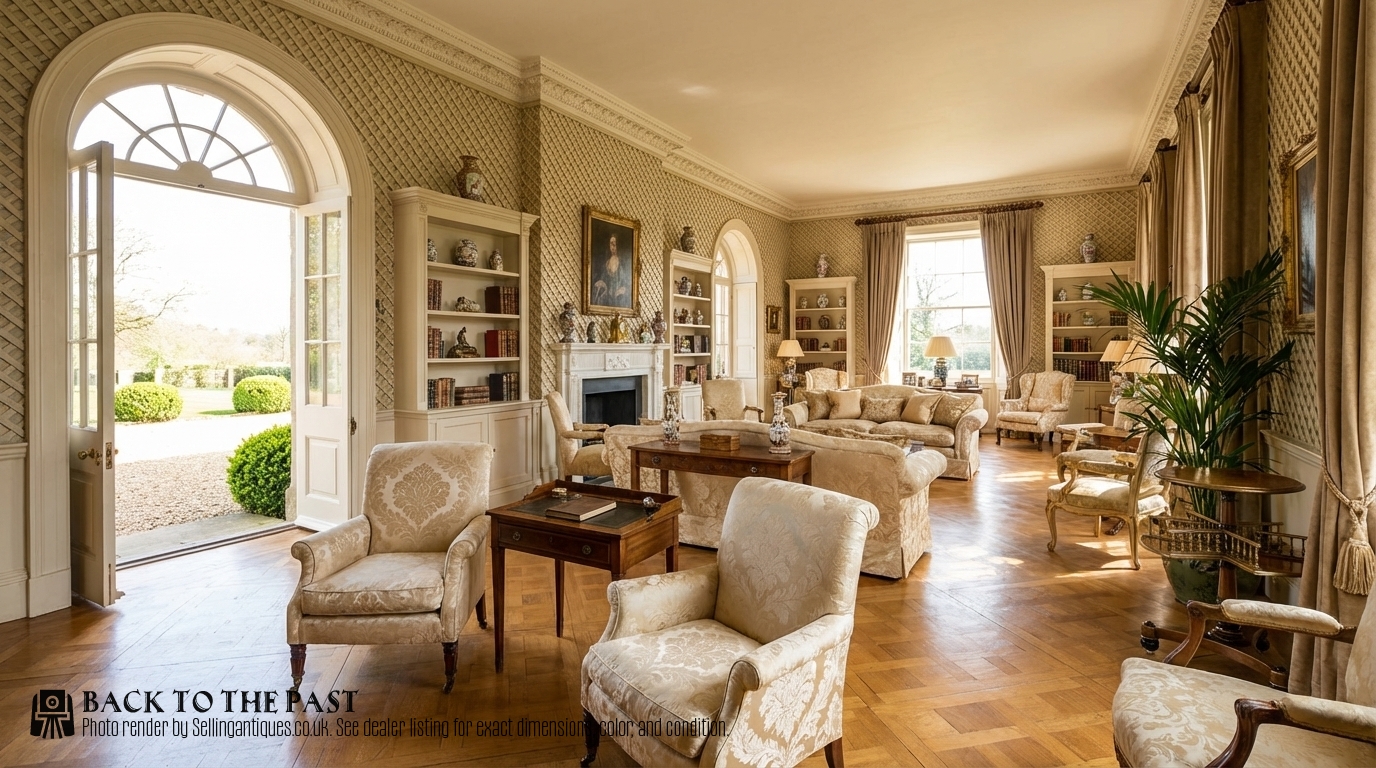
Materials and Technique
Cabinet makers utilised solid walnut and figured burr walnut veneers applied over secondary carcase timbers to achieve striking decorative surfaces on tops and drawer fronts. They frequently incorporated tooled leather writing surfaces inset into the timber tops.
Structural embellishments relied on brass hardware, cast ormolu mounts, turned spindle bases, and intricate marquetry inlay. Skilled artisans shaped cabriole legs, barley twist supports, and carved pedestals to anchor the substantial weight of these large tables.
Some Victorian walnut library tables feature hidden compartments inside pedestals to secure private correspondence from prying eyes.
The Spectrum of Quality
Quality differences stem primarily from the choice of timber figure, where dense and highly figured burr walnut commands greater visual presence than plain walnut planks. The fineness of the marquetry inlay and the crispness of hand-carved wooden details further distinguish standard production pieces from exceptional works.
Underpinning construction methods also separate the tiers, visible in the careful matching of veneers across expansive table tops, the integration of solid brass ormolu mounts rather than plated alternatives, and the presence of maker signatures or stamps from prominent cabinet makers.
Maple and Co·Edwards And Roberts·GILLOWS Lancaster·W J Mansell·Hindley and Sons·Mordant and Sons·Wylie and Lochhead
The Victorian Walnut Library Table Glossary
- Burr Walnut
- Timber harvested from walnut tree growths or burls, yielding complex, swirling grain patterns highly prized for decorative veneer work. Cabinet makers selected these figured sections for the primary visual surfaces of high-end tables.
- Partners Desk
- A large double-sided pedestal desk allowing two people to work opposite one another simultaneously. These forms typically feature drawers and cupboards accessible from both ends.
- Ormolu
- Gilded bronze ornamentation applied to furniture as decorative mounts and feet. This technique added metallic contrast to the dark walnut timber during revivalist periods.
- Marquetry
- The art of applying decorative veneer pieces to a structure to form intricate geometric or floral designs. Artisans used contrasting timbers like satinwood and amboyna alongside walnut.
- Centre Table
- A freestanding table finished on all sides so it can occupy the middle of a room rather than a wall. These pieces function independently of architectural boundaries.
Victorian Walnut Library Table: Frequently Asked Questions
How were these tables originally used?
These tables served primarily in libraries, studies, and grand reception rooms for reading, correspondence, and administrative tasks. Their freestanding nature allowed scholars and homeowners to walk completely around them while accessing central storage drawers.
Many variants included revolving bookstands or dual writing surfaces to accommodate multiple users in large Victorian households.
Where should I place a library table?
A library table functions best as a central anchor in a spacious room, allowing the finished sides and detailed burr walnut grain to remain fully visible. Positioning it away from walls highlights the craftsmanship of the freestanding design.
Ensure the surrounding floor space accommodates chairs or movement, particularly if the piece incorporates pedestals or outward-curving cabriole legs.
How do I care for the leather top?
Maintain the inset leather surface by dusting gently with a dry, soft cloth and avoiding harsh chemical cleaning agents. Occasional application of specialised leather balms prevents drying and cracking over time.
Keep the table away from direct sunlight and heat sources to protect both the supple leather and the underlying walnut timber from warping.
How do I distinguish different Victorian periods?
Early Victorian pieces from the eighteen fifties often showcase heavier carved elements and rich burr walnut surfaces influenced by classical revivals. Mid to late-century examples incorporate lighter aesthetic movement forms, ebonised wood details, or refined marquetry.
Examining the construction of drawer linings and secondary timbers alongside stylistic revival cues helps narrow down the decade of production.