

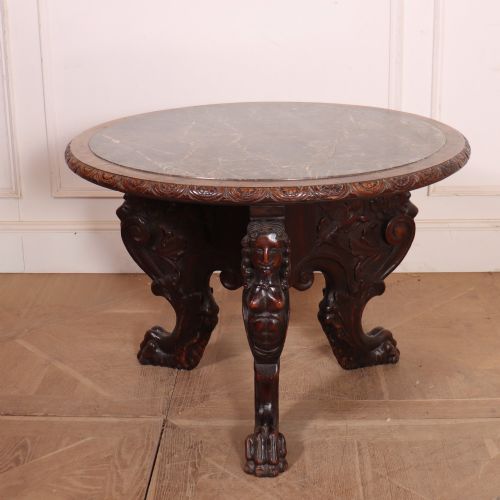
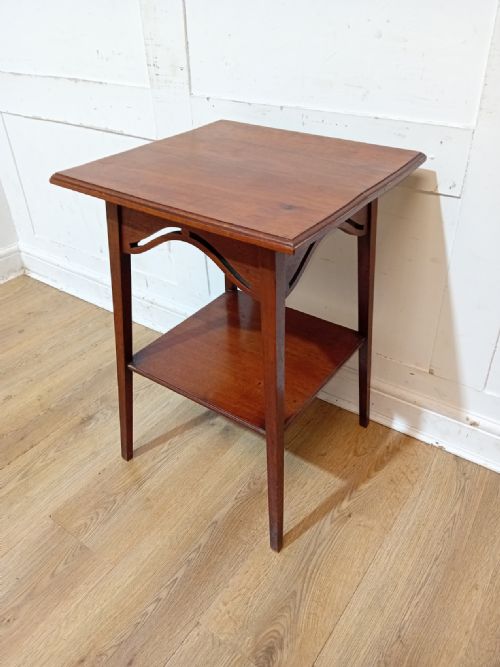


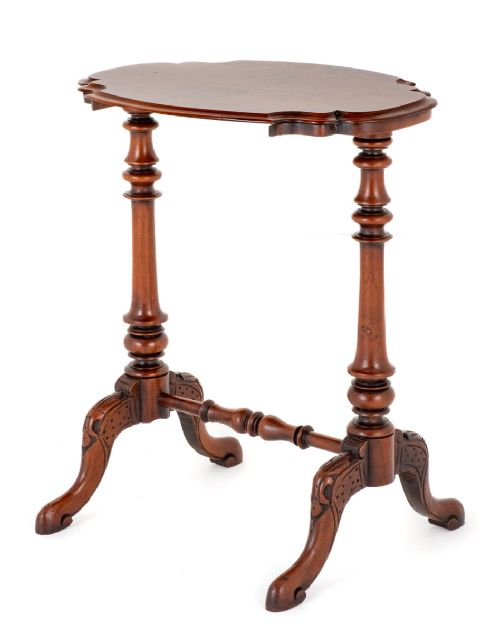


Victorian Walnut End Table
A victorian walnut end table brings warmth and rich figuring to a room, offering a compact surface for lamps and books.
Victorian Walnut End Table
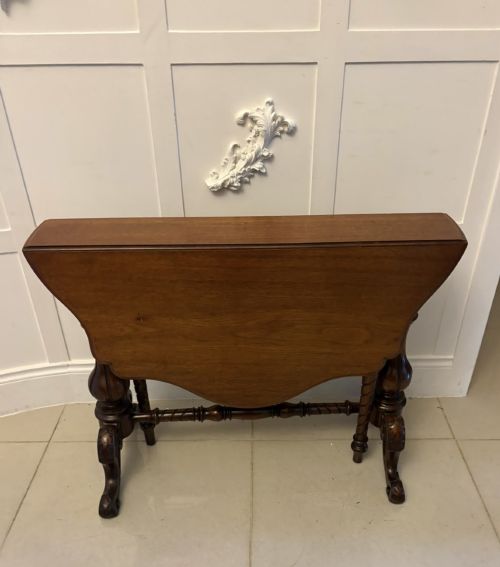
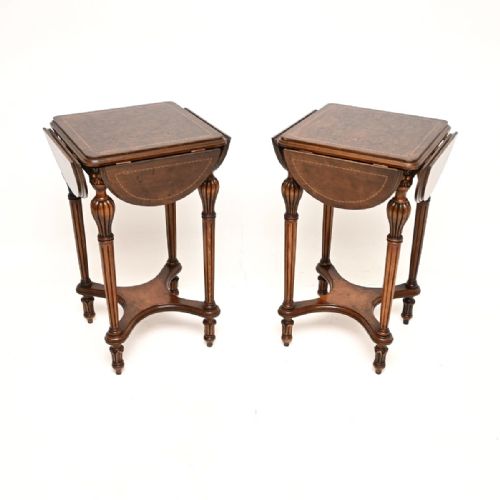
A victorian walnut end table covers a diverse selection of small domestic furniture, from drop-leaf sutherland tables to occasional and lamp stands. These pieces emerge primarily from the nineteenth century, including specific dates across the eighteen-fifties to eighteen-nineties alongside later revival iterations.
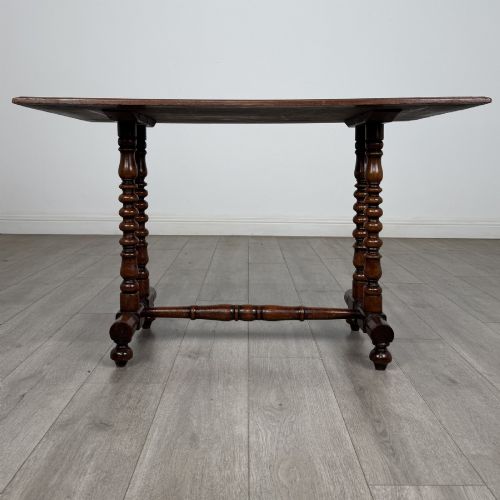
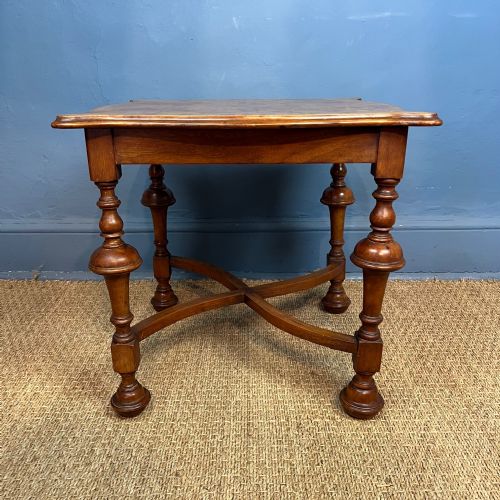
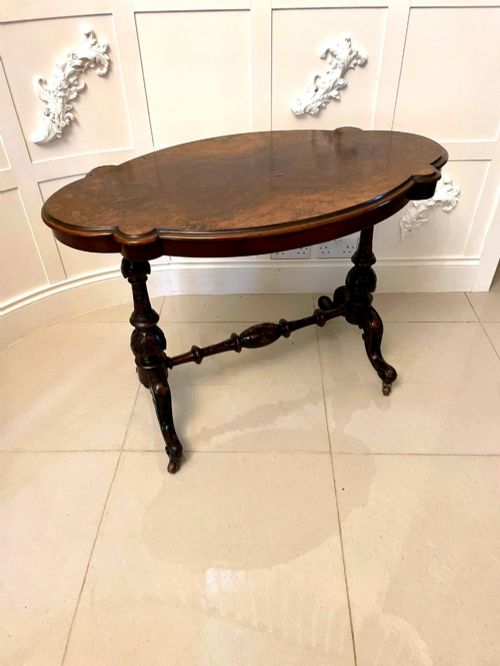
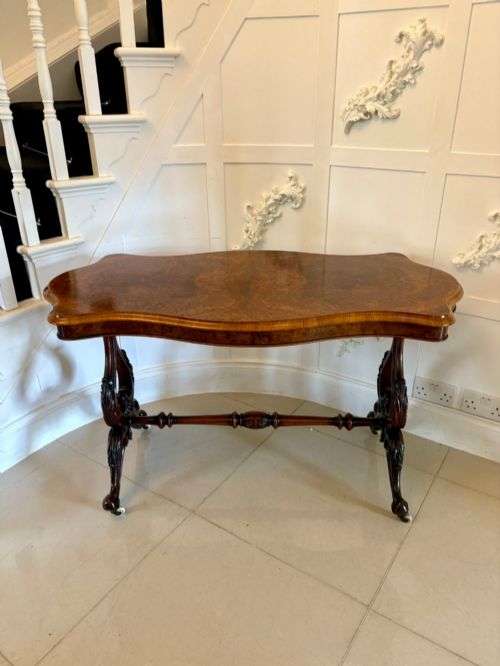
Makers and manufacturers utilised walnut and burr walnut extensively, often shaping rectangular, square or shaped tops supported by turned bases, stretchers or pillar supports. Buyers frequently encounter side tables and occasional tables designed for compact spaces within the Victorian parlour or drawing room.
Materials and Construction
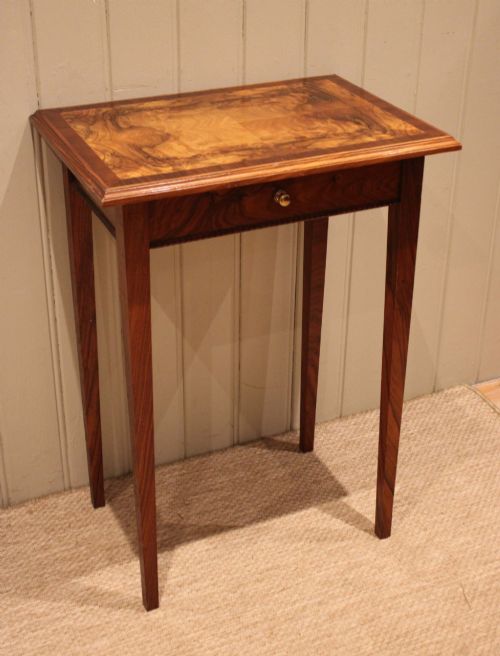
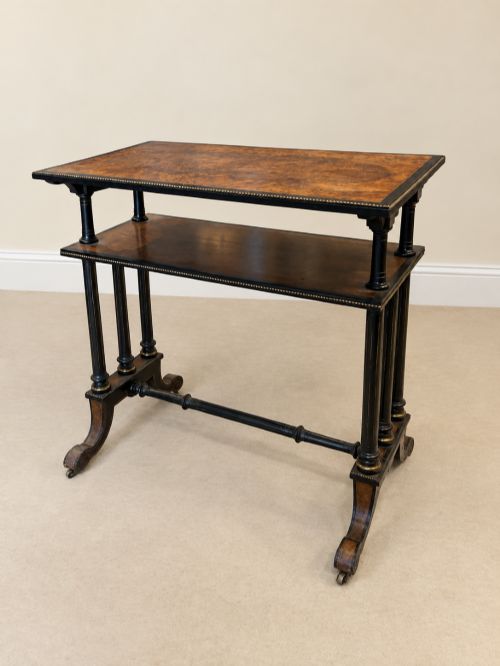
Cabinet makers selected solid walnut and highly figured burr walnut veneers for these tables, applying them over secondary timbers to showcase complex grain patterns. Secondary decorative elements incorporate ebonised wood, brass fittings, satinwood inlay and occasional marble inserts.
Joinery techniques ranged from bobbin turning and carved wooden bases to drop-leaf mechanisms and two-tier tiers. Workshops employed quarter-veneering and precise inlay work to elevate the visual texture of the walnut surfaces.
Victorian Walnut End Table Retail Price Guide 2026
Typical asking prices for victorian walnut end table among the pieces listed under this phrase on Sellingantiques today, from the lower quarter to the upper quarter. They describe what is for sale here now, not the wider market.
Current listings feature nineteenth-century dates alongside nineteen-thirties revivals, utilising walnut, burr walnut, brass and marble.
Distinguishing Quality
Quality separates through the selection and matching of the walnut veneer, where symmetrical figuring and rich depth elevate a piece significantly above plain timber surfaces. Expert execution in carved wooden details, turnings and inlay work defines the superior examples.
Structural integrity of the base, whether a stretcher arrangement, pillar support or bobbin turned legs, dictates the long-term stability and refinement of the table. Finer pieces demonstrate careful attention to proportion and joinery that remains tight through decades of use.
Liberty of London
The Victorian Walnut End Table Glossary
- Burr walnut
- A veneer taken from the wart-like growths on walnut trees, yielding highly swirled and mottled grain patterns. It was favoured for high-status Victorian occasional and centre tables.
- Sutherland table
- A narrow drop-leaf table with hinged flaps that fold down almost vertically, supported by swinging gate legs. This form allowed compact storage against a wall.
- Bobbin turned
- A style of furniture leg or stretcher shaped on a lathe to resemble a series of wooden bobbins or spools strung together. It appears frequently on nineteenth-century side tables.
- Quarter veneered
- A method of arranging four matching slices of veneer cut from the same log section to create a symmetrical, mirrored pattern across a table top.
- Stretcher table
- A table featuring horizontal rails connecting the legs below the tabletop to provide structural rigidity and support.
Victorian Walnut End Table: Frequently Asked Questions
Where should I place an end table?
These compact tables suit living rooms and bedrooms alike, positioned beside a sofa or armchair to hold lamps, drinks or reading material.
Their relatively small footprint allows them to fit into tighter corners or hallways without dominating the floor space.
How do I care for walnut wood?
Walnut benefits from occasional polishing with quality beeswax to nourish the timber and maintain its natural lustre.
Keep these tables away from direct heat sources and strong sunlight to prevent the wood or veneer from drying out.
How do I identify the period?
Dating relies on examining construction methods, timber choices and stylistic cues such as turning patterns, inlay styles and overall proportions.
Mid-nineteenth century pieces often display heavier proportions and rich burr veneers, while later examples sometimes incorporate lighter revival influences.