


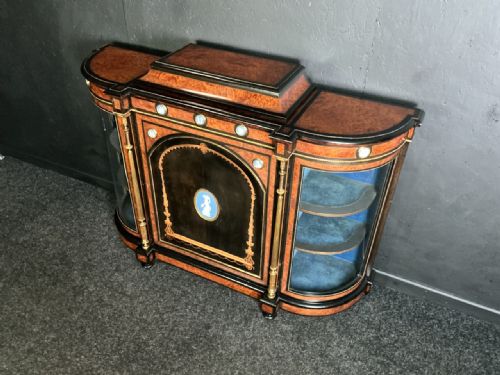
Victorian Walnut Credenza Cabinet
When you want a grand centrepiece for a refined interior, a victorian walnut credenza cabinet delivers striking burr veneers and gilt mounts.
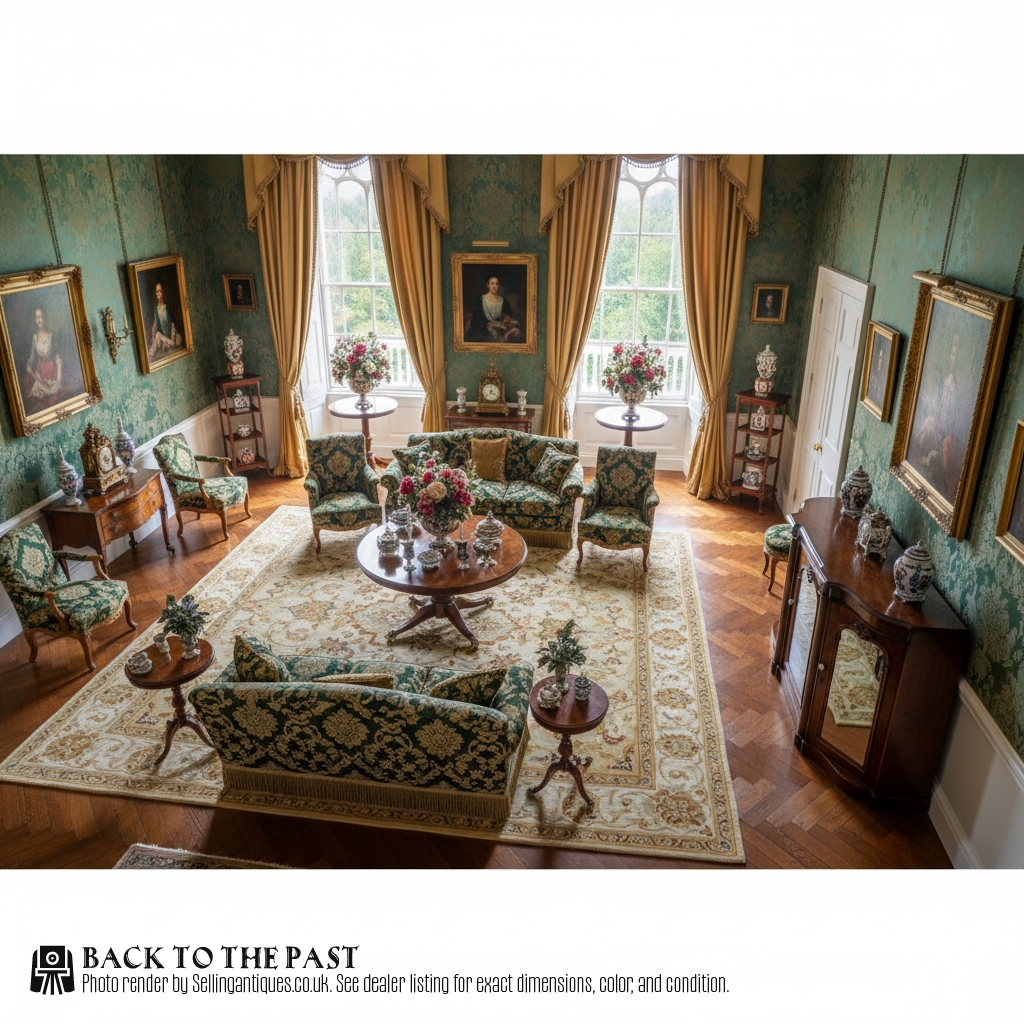
Victorian Walnut Credenza Cabinet
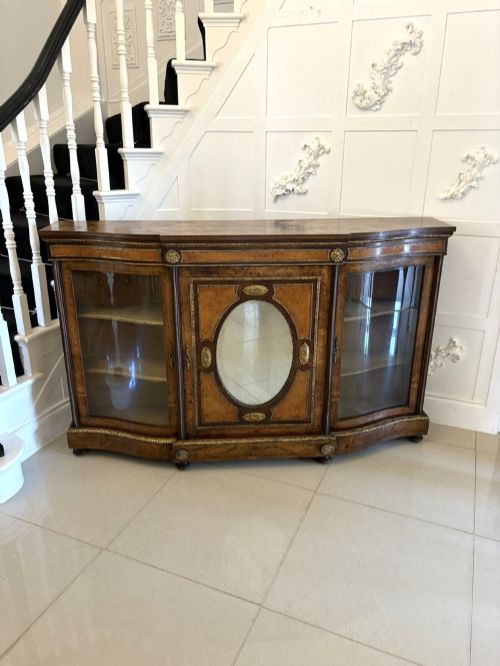
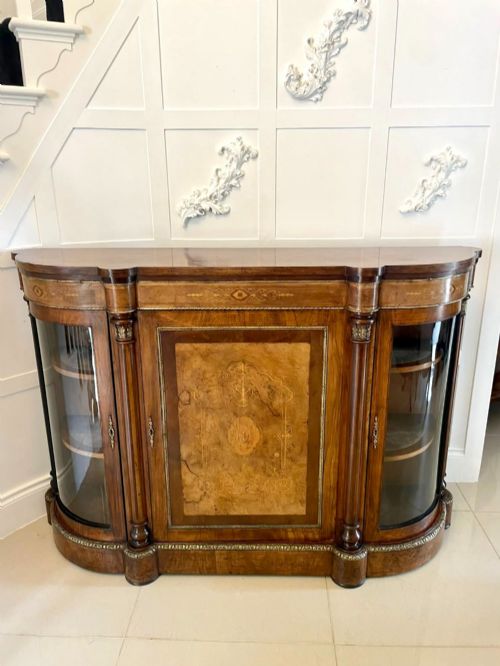
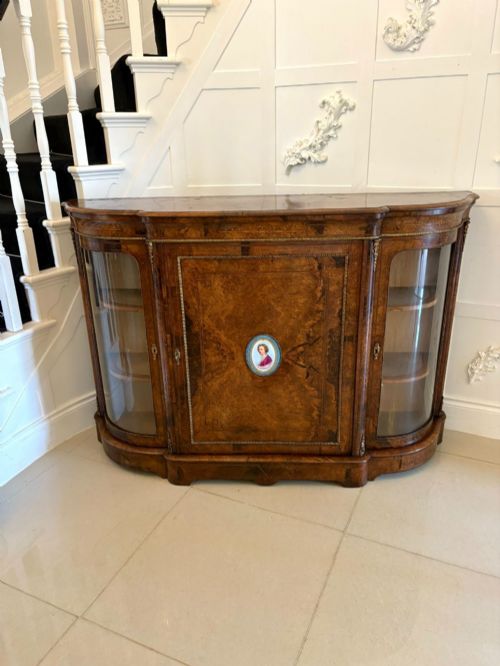
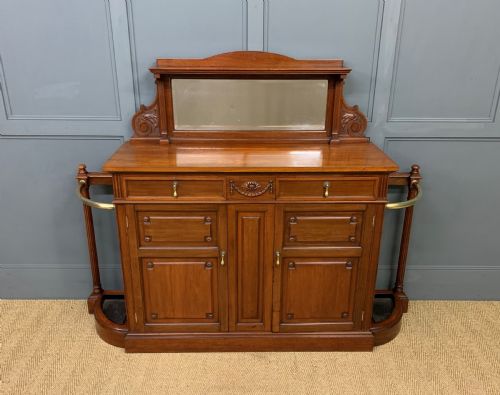
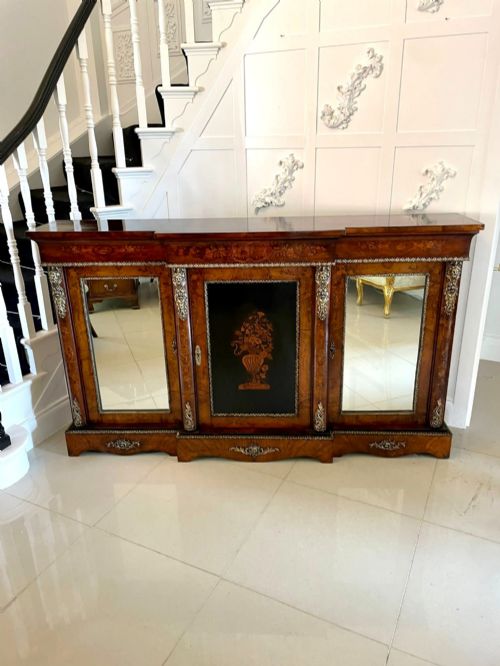
A victorian walnut credenza cabinet is a low, freestanding display piece designed for principal reception rooms during the nineteenth century. These items typically feature a central curved door flanked by glazed side cupboards or open shelving.
The version most commonly met on this page dates from the mid to late nineteenth century, spanning decades such as the eighteen-fifties and eighteen-eighties. Their low profile allowed them to sit beneath drawing room windows without blocking natural light.
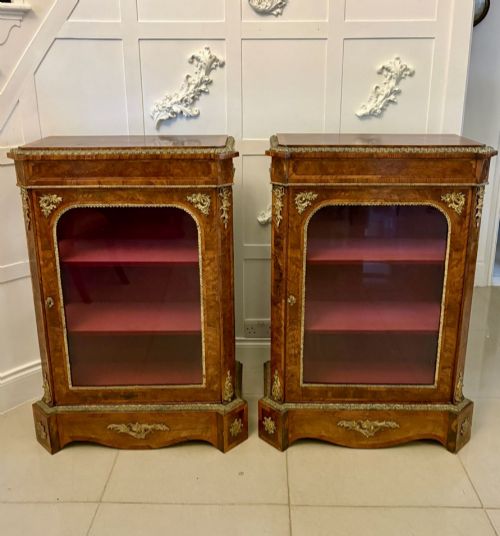
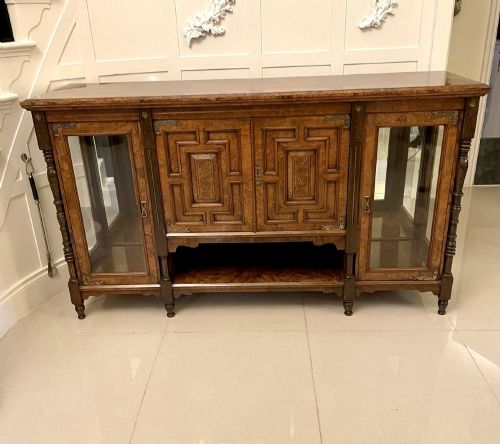
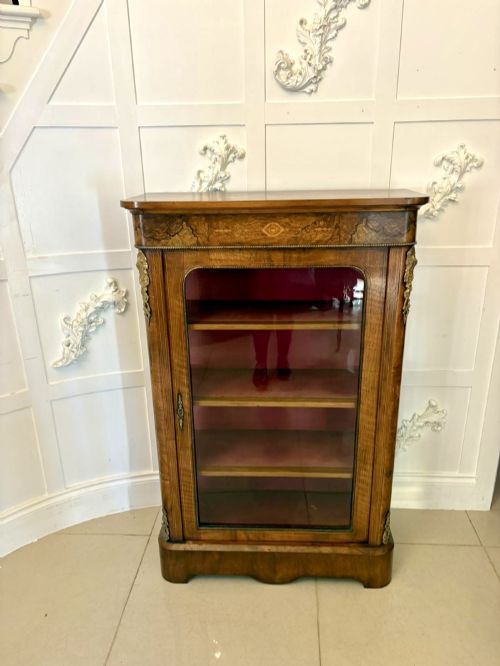
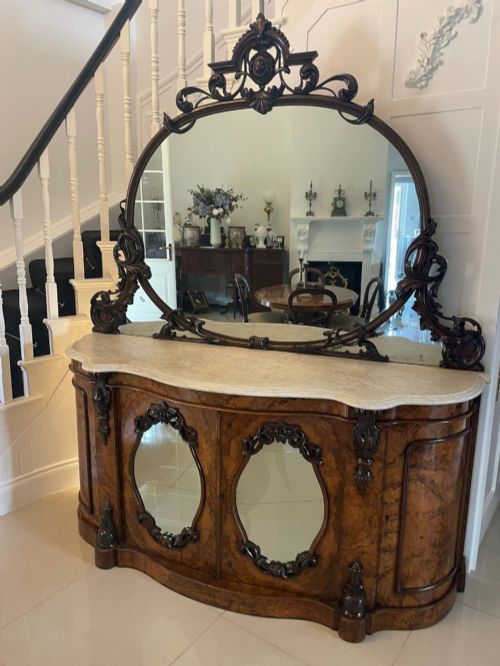
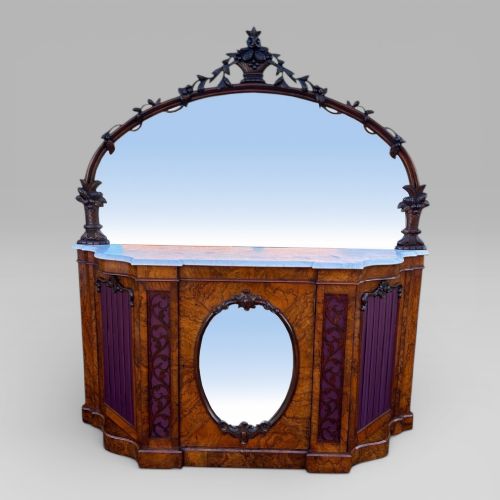
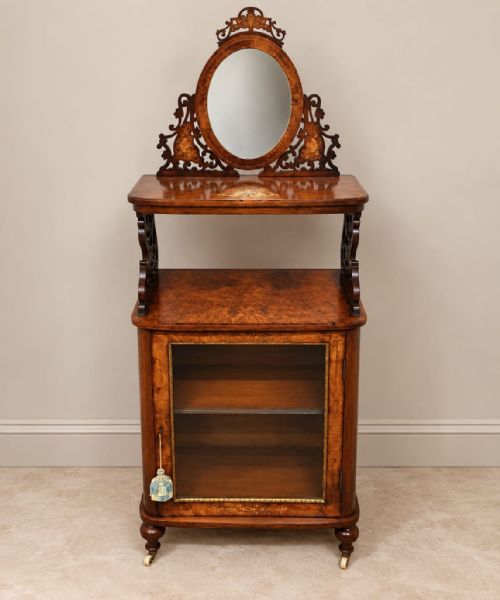
Makers adapted these cabinets into various forms including serpentine fronts, breakfront layouts, and mirror-backed sideboards. Collectors also encounter narrower pier cabinets and salon display pieces sharing the same timber vocabulary.
How They Were Made
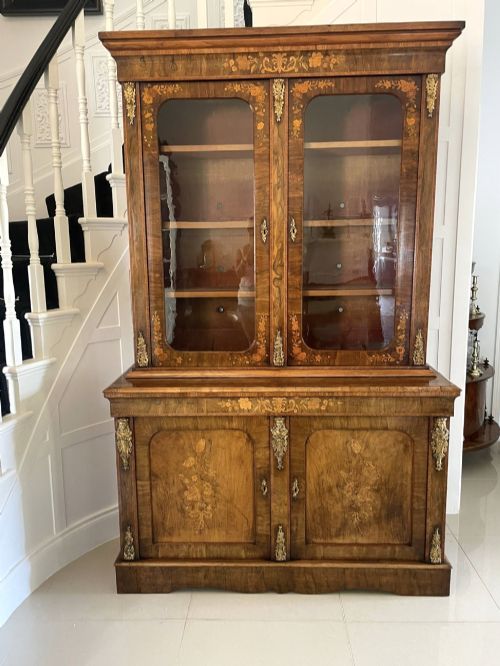
Cabinet makers selected figured burr walnut veneers for their swirling grain patterns, laying them carefully across flat surfaces and curved doors. Marquetry inlay in lighter woods like satinwood often decorated the central panels in floral or geometric motifs.
Cast ormolu and gilt bronze mounts embellished the corners, framing columns, and door edges. Interior setups frequently incorporated velvet-lined shelving behind glass doors, occasionally complemented by painted porcelain plaques.
Many a Victorian drawing room used these mirrored cabinets to bounce candlelight around after dark, creating an illusion of endless polished burr walnut.
What Varies in Quality
The selection of the walnut veneer dictates the visual impact, with tightly figured burr patterns sitting at the upper end of craftsmanship. Lesser examples rely on plain timber without the rich mottled depth characteristic of premier workshops.
Mount quality separates standard production from exceptional pieces produced by prominent makers. Finely chased ormolu, intricate marquetry, and robust serpentine carcases indicate superior atelier standards.
Shoolbred and Co·Gillows·Lamb of Manchester·Maison Gagneau
The Victorian Walnut Credenza Cabinet Glossary
- Burr Walnut
- A timber obtained from the wart-like growths on walnut trees, prized for its complex and swirling grain patterns. It was sliced into thin veneers for high-end nineteenth-century cabinetry.
- Ormolu
- Gilt bronze mounts cast and chased to decorate the corners and borders of furniture. This metallic embellishment was heavily utilised during the French Revival taste.
- Marquetry
- Inlaid patterns formed by fitting contrasting veneers into a prepared background. Floral designs and strapwork are typical examples found on nineteenth-century panels.
- Pier Cabinet
- A narrow display cabinet designed specifically to fit the wall space between windows. These tall, slender pieces often match the aesthetic of larger credenzas.
- Serpentine
- A furniture front characterised by a double-curved line, curving outward in the centre and inward at the sides. This contour required advanced woodworking skill.
Victorian Walnut Credenza Cabinet: Frequently Asked Questions
What rooms suit a credenza?
These low cabinets suit drawing rooms, dining spaces, and wide hallways where floor space permits a substantial silhouette. Their low height leaves wall space free above for mirrors or artwork.
Because they provide enclosed display space and surface area, they function well for showcasing collections while storing table linen or books.
How do I date a credenza?
Dating relies on stylistic shifts visible in the mounts, timber choices, and overall silhouette. Pieces from the eighteen-fifties often display heavier ormolu mounts and rich burr walnut veneers.
Later Victorian examples from the eighteen-eighties may incorporate Aesthetic Movement influences with ebonised details or simpler rectilinear forms.
Are shelves adjustable?
Original interiors generally featured fixed wooden or velvet-lined shelves supported on fixed wooden battens. Alterations made by later owners sometimes introduced modern track supports.
Buyers inspecting these pieces should check the interior configuration if they plan to store items of specific heights.
How do I maintain walnut furniture?
Walnut requires stable room humidity to prevent the timber veneers from lifting or cracking over time. Direct sunlight should be avoided to protect the warm colour of the wood.
Routine dusting with a dry cloth keeps the surface clean without needing heavy polishes that can build up on delicate marquetry.