


Victorian Wall Hanging Cupboard
A victorian wall hanging cupboard organises small spaces while showing off the timber and joinery of the period.
Victorian Wall Hanging Cupboard
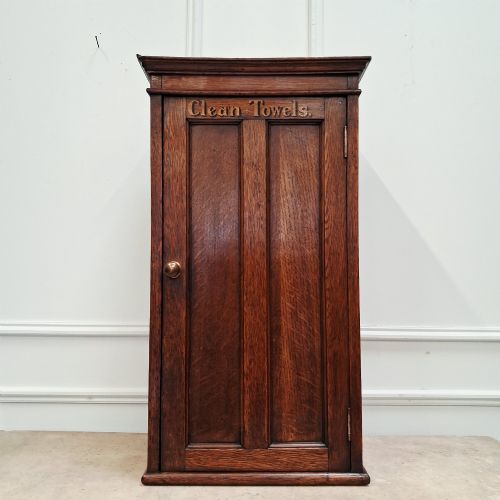
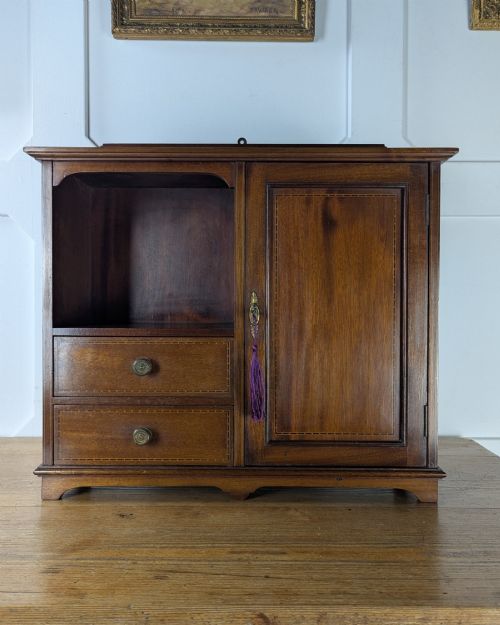
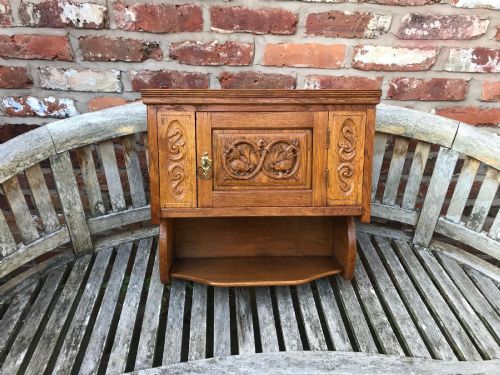
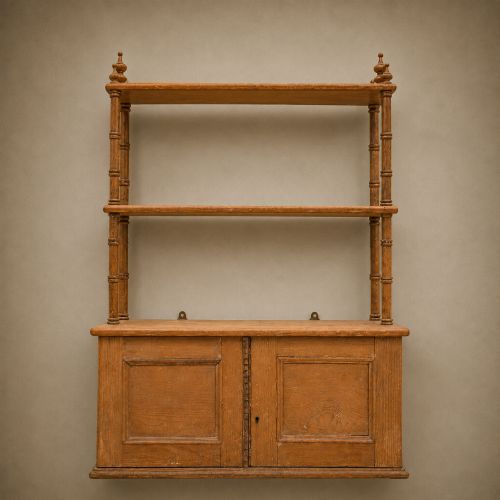
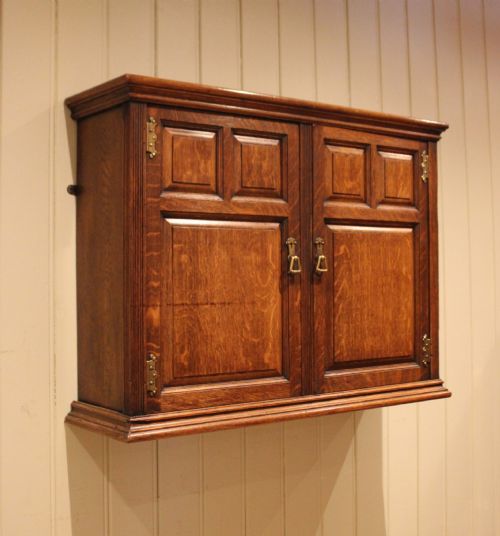
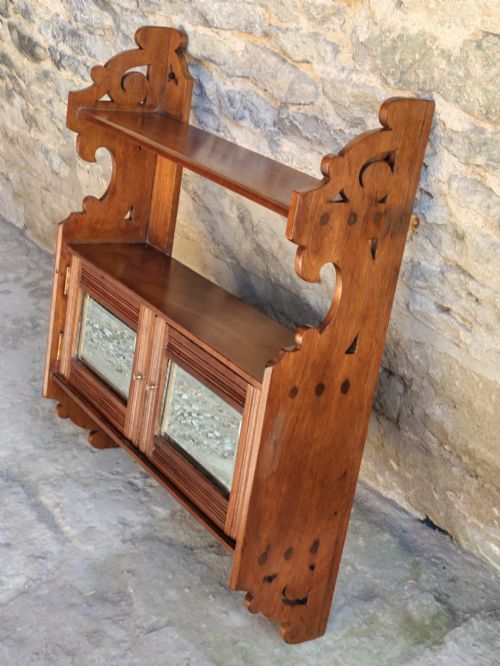
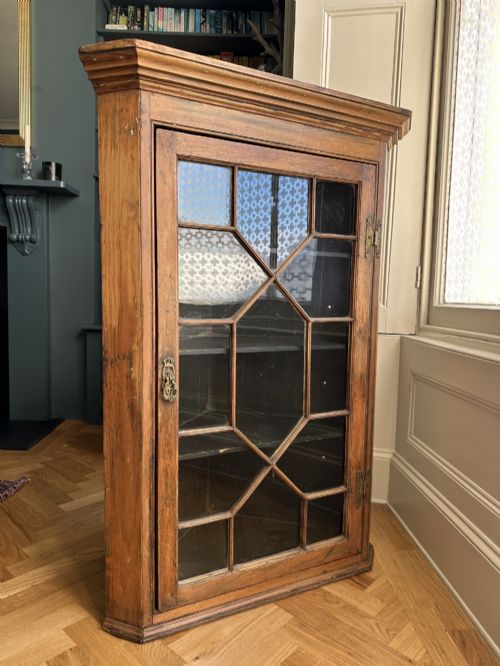
A victorian wall hanging cupboard takes many forms on this page, appearing frequently as a corner cabinet, a flat-backed wall cabinet, or a combination of shelves and enclosed storage. Most examples hail from the nineteenth century, spanning eras from early Victorian pine pieces to later Arts and Crafts and Aesthetic Movement designs.
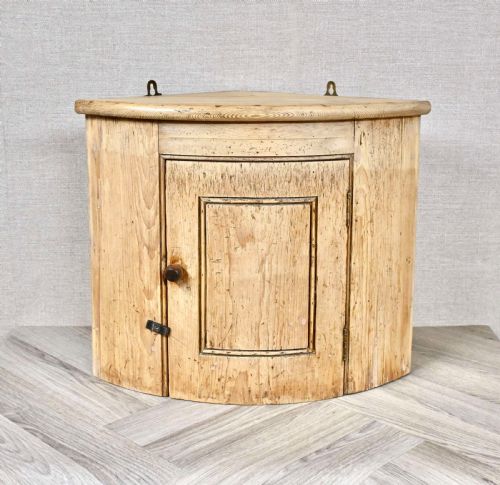
Makers often shaped these cabinets to fit awkward spaces, producing bow front versions and corner units alongside rectangular wall cupboards. They served various household roles, functioning as kitchen racks, smokers' cabinets, chemist cupboards, and display units for prized objects.
Materials and Techniques
Cabinet makers utilised a diverse palette of timbers, building sturdy pieces from oak, mahogany, walnut, and pine, while occasionally turning to exotic woods like satinwood and rosewood for finer commissions. Construction methods combined solid boards with delicate inlays, glass panes for display doors, and carved decorative elements.
Metal hardware plays a functional and visual role, incorporating brass fixtures, iron fittings, and locks secured by original keys. Painted finishes and glazed doors appear across various pieces, highlighting the range of workshop techniques employed during the period.
One unique pair of oak cabinets on record was salvaged directly from the royal yacht HMY Osborne.
Judging Quality
Quality in a victorian wall hanging cupboard rests upon the selection of timber and the precision of the construction. Finer pieces display thoughtful grain matching, crisp carving, and careful inlay work rather than purely utilitarian assembly.
The survival of original details elevates an item, such as untouched painted interiors, period glass, and maker attribution. Estate-made or vernacular pine pieces possess a distinct rustic charm, while signed or branded cabinets demonstrate workshop pedigree.
John Moyr Smith·Town and Emanuel
The Victorian Wall Hanging Cupboard Glossary
- Bow front
- A cabinet front that curves outward in a convex shape, providing extra internal depth and a softer exterior silhouette. This design appears frequently on corner cupboards.
- Aesthetic Movement
- A late nineteenth century design style prioritising beauty and craftsmanship over strict historical revival. Cabinets from this movement often display Anglo-Japanese influences.
- Corner cupboard
- A triangular cabinet engineered to fit snugly into the intersection of two walls, making efficient use of otherwise dead room space.
- Whatnot
- A set of open shelves designed for displaying small ornaments and curiosities, sometimes integrated with a enclosed cupboard section below.
Victorian Wall Hanging Cupboard: Frequently Asked Questions
How do I hang a heavy wall cupboard safely?
These cabinets possess substantial weight, particularly when constructed from dense hardwoods like oak or mahogany. Secure them directly into wall studs using appropriate fixings suited to the age of the structure.
Distribute internal loads evenly once mounted, and check the structural integrity of the original hanging brackets on the backboards before loading the shelves.
Where were these cupboards originally used in the home?
Victorian households placed these hanging units in nearly every room depending on their specific internal configuration. Kitchens and pantries utilised pine racks and corner cupboards for provisions, while reception halls and parlours housed glazed display cabinets.
Smaller specialised variants, such as smokers' cabinets and chemist cupboards, served smoking rooms and studies for storing personal items and medicines.
How do I tell pine pieces from hardwood ones?
Pine cabinets generally present a lighter, softer appearance with visible grain patterns and knots, frequently found with stripped finishes or original painted surfaces. They tend to originate from domestic vernacular workshops.
Hardwoods like walnut and mahogany exhibit deeper colour tones, heavier weight, and tighter grain structures that often accommodate finer carved details and polished finishes.
What is the difference between an Aesthetic Movement and an Arts and Crafts cupboard?
Aesthetic Movement pieces focus on artistic refinement, often incorporating exotic wood veneers, ebonised details, and Anglo-Japanese motifs popular in the late nineteenth century. They emphasise visual harmony and decorative elegance.
Arts and Crafts cabinets lean toward honest construction, visible joinery, and simpler oak forms that celebrate traditional handcrafting methods over elaborate surface decoration.