






Victorian Wall Corner Cupboard
A victorian wall corner cupboard turns dead room space into useful display, bringing timber grain and period brasswork right to the corner.
Victorian Wall Corner Cupboard
A victorian wall corner cupboard turns dead room space into useful display, bringing timber grain and period brasswork right to the corner. When you search for a victorian wall corner cupboard, you look at wall-mounted storage built to fit domestic room angles from the nineteenth century.
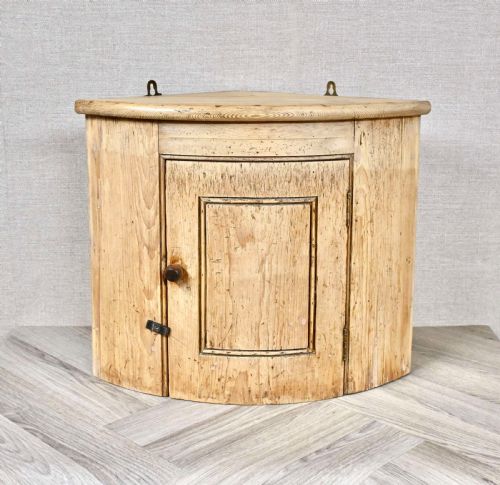
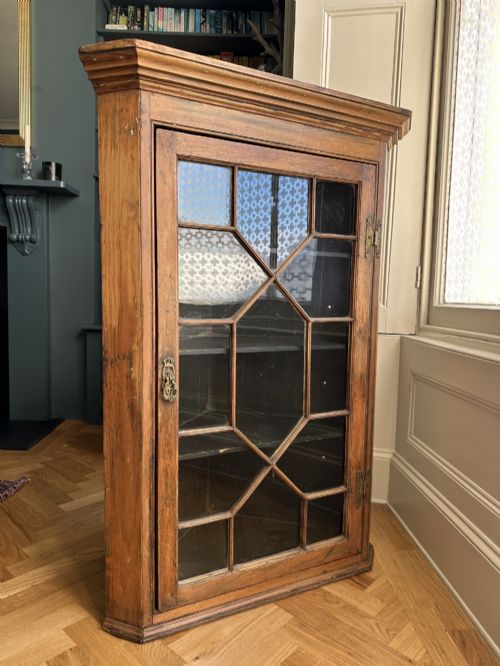
The version you meet most often on this page is a pine or oak corner cabinet with a single door, occasionally glazed to show shelves inside. These pieces hang on walls in kitchens, hallways or sitting rooms, taking up minimal floor space while holding glassware or china.
How they were made
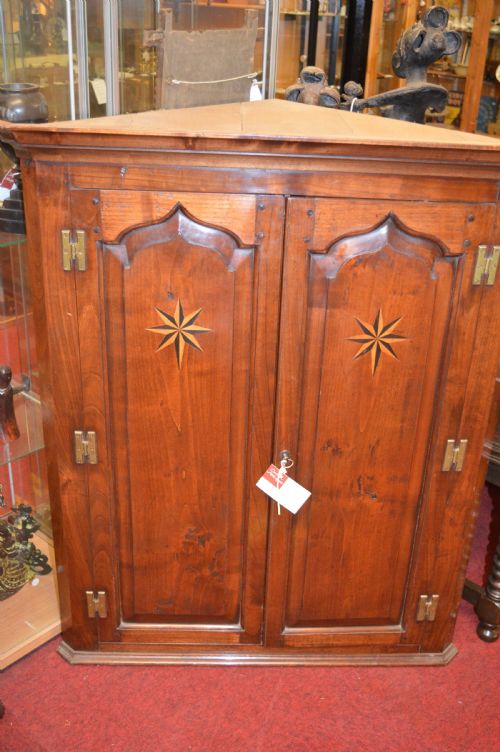
Joiners built these wall cabinets using solid timbers like pine, oak, mahogany and walnut, frequently housing them with brass hinges and escutcheons. Glazed doors utilised lead or timber glazing bars to hold glass panes securely in the frame.
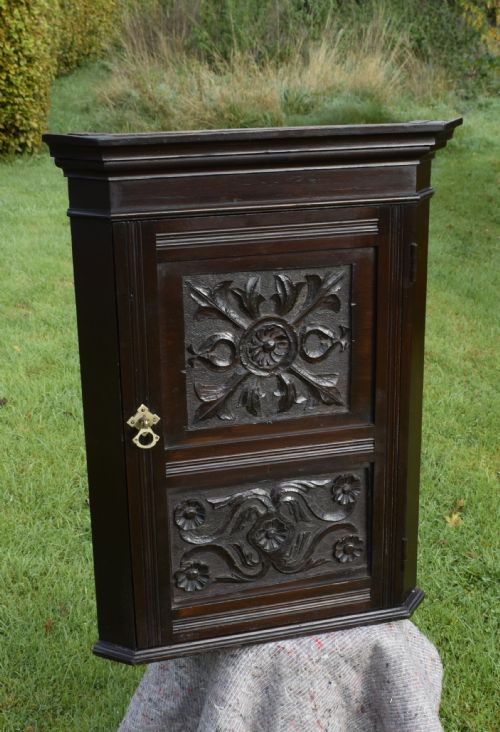
Carved ornament, inlaid rosewood and painted interiors appeared on revival styles, while simpler pine versions kept surfaces plain or stripped back to bare wood.
Victorian Wall Corner Cupboard Retail Price Guide 2026
Typical asking prices for victorian wall corner cupboard among the pieces listed under this phrase on Sellingantiques today, from the lower quarter to the upper quarter. They describe what is for sale here now, not the wider market.
Listings feature woods spanning pine, oak, mahogany, walnut and fruitwood, paired with brass and glass across nineteenth-century styles.
What varies in quality
The distinction between standard utility cupboards and finer pieces rests upon the choice of timber and the ambition of the design. A plain stripped pine cupboard serves a functional storage role, whereas an inlaid rosewood or bow front cabinet demonstrates cabinetmakers applying decorative revivals.
Original painted interiors, fine brass hardware and glazed doors with astragal bars separate ordinary workshop output from more considered decorative examples.
The Victorian Wall Corner Cupboard Glossary
- Bow front
- A cabinet front curved outward in a convex shape, common in mahogany and pine corner cupboards.
- Astragal glazed
- A glass door divided into smaller panes by wooden glazing bars, allowing contents to be viewed.
- Hanging cabinet
- A wall-mounted storage piece designed to be fixed securely to room corners rather than standing on the floor.
- Chippendale revival
- A style drawing on eighteenth-century design principles, often featuring carved detail on nineteenth-century carcases.
Victorian Wall Corner Cupboard: Frequently Asked Questions
How do I hang a corner cupboard safely?
These wall cabinets require secure fixing into solid wall studs or brickwork using heavy-duty brackets suited to the weight of the timber.
Because corner units concentrate weight forward from the angle, professional installation ensures the carcase stays firm against plaster.
Were these always meant for walls?
Most examples in this selection are built specifically as wall-hanging units with original fixing points, though some records note pieces adaptable for floor use.
Their lightweight pine or oak construction meant domestic rooms could accommodate them without heavy floor supports.
How do I tell pine from oak pieces?
Pine provides a softer, lighter timber often found with painted surfaces or stripped finishes, typical of kitchen and farmhouse furniture.
Oak offers a heavier, dense grain structure that frequently carried revival carving or darker polish finishes.
What rooms suit a corner cabinet?
Kitchens, hallways and dining rooms benefit most from these units, utilising awkward angles for storage and display.
Glazed versions work well for ceramics and glassware, while solid doors hide pantry provisions or household items.