

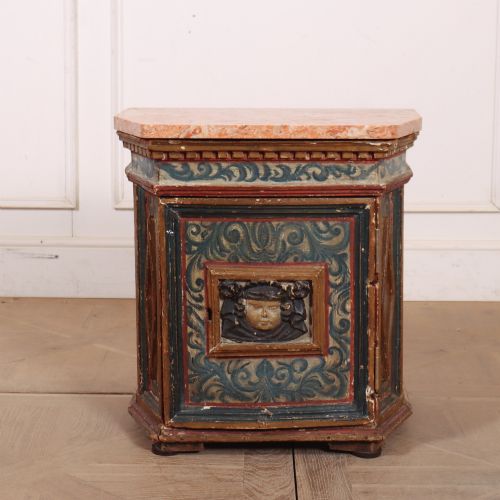
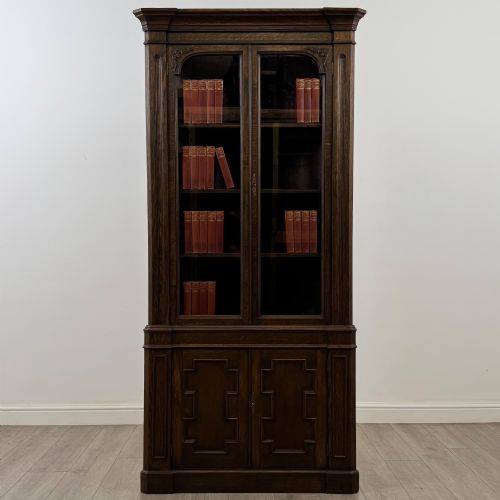
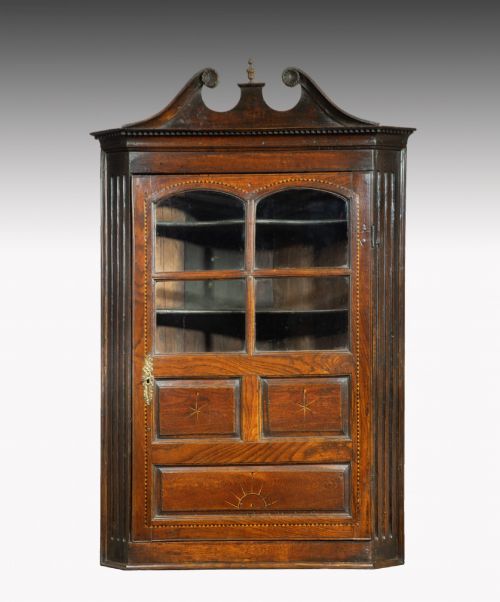
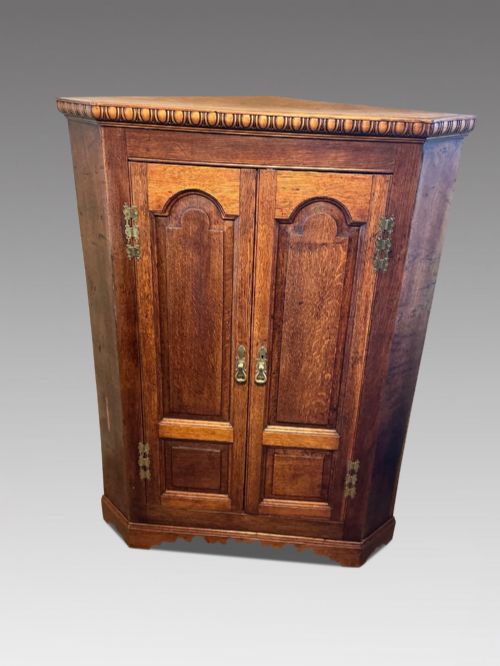



Carved Wood Corner Cabinet
A carved wood corner cabinet puts dead space to work, turning an empty room angle into display space for silver or books.
Carved Wood Corner Cabinet
When you search for a carved wood corner cabinet, you encounter sturdy hanging cupboards, floor-standing units, and tall display pieces designed specifically to fit room angles. The versions most commonly met on this page date from the eighteenth and nineteenth centuries, spanning Georgian, Victorian, and Edwardian periods.
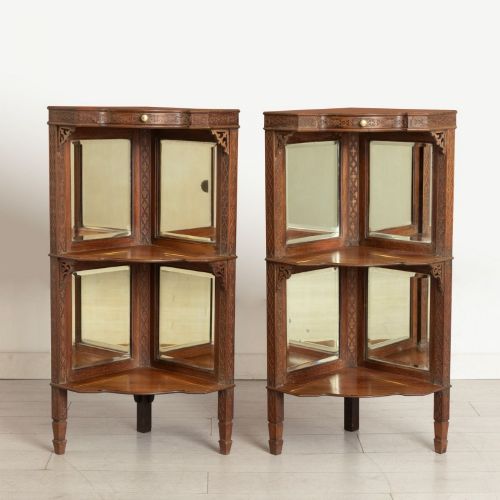
Makers fashioned these pieces in domestic timbers such as oak, mahogany, walnut, and pine, alongside exotic woods like teak and rosewood. Formats range from simple wall-mounted cupboards with panelled doors to elaborate standing display cabinets fitted with glass and brass hardware.
How they were made
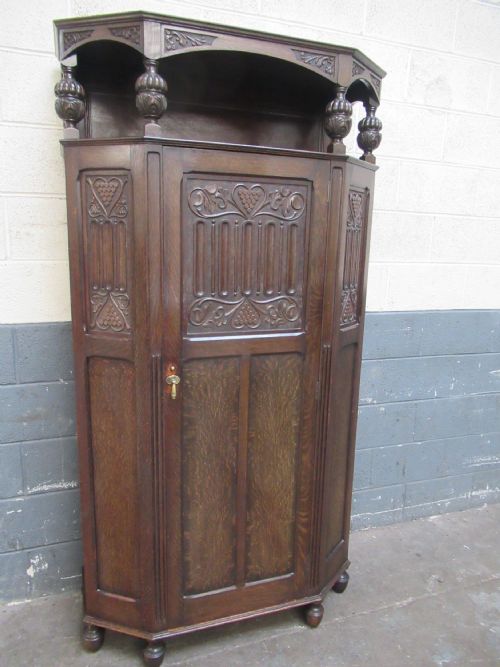
Cabinet makers built these units using solid hardwoods like oak, mahogany, and walnut, often applying intricate hand-carving directly to the timber. Joined framework construction ensured stability within sharp ninety-degree room angles.
Surfaces frequently received brass hinges and escutcheons, while finer examples incorporated glass panels, mirror glass inserts, or marquetry inlay to enhance the visual depth of the corner.
The furniture spans multiple eras, recording pieces from the Georgian, Victorian, Edwardian, and earlier seventeenth-century revival periods.
What varies in quality
Quality rests upon the selection of timber and the crispness of the hand-carved detail across the doors and cornices. Superior examples display dense, well-figured grain and secure joinery that maintains structural integrity over centuries.
The sophistication of the secondary materials also dictates worth, separating standard utility cupboards from refined pieces featuring bevelled glass, marquetry, or bespoke brass hardware.
Edwards & Roberts·Goodhall, Lamb and Heighway of Manchester
The Carved Wood Corner Cabinet Glossary
- Corner Cupboard
- A storage unit built with a triangular footprint designed to fit snugly into the intersection of two walls. These items save floor space while providing enclosed shelving.
- Marquetry
- The art of applying decorative veneer pieces of different woods to a structure to form intricate geometric or floral designs. This technique elevates the decorative finish of cabinet doors.
- Escutcheon
- A protective brass or metal plate surrounding a keyhole. It prevents the surrounding wood from wearing down through repeated use.
- Whatnot
- A piece of freestanding furniture consisting of a series of open shelves supported by slender pillars. These were traditionally used for displaying ornaments and small decorative objects.
Carved Wood Corner Cabinet: Frequently Asked Questions
Where should I place a corner cabinet?
These units perform best in unused room angles within dining rooms, hallways, or living spaces. They draw the eye upward and utilise awkward junctions effectively.
Keep them away from direct heat sources and strong sunlight to prevent the timber and veneer from drying out or splitting.
How do I clean antique carved wood?
Dust the carved surfaces regularly with a soft, dry lint-free cloth to prevent dirt accumulation in the crevices. Avoid modern silicone sprays that build up residue over time.
Apply a traditional beeswax sparingly once or twice a year to nourish the grain and maintain a natural lustre.
How do I date a corner cabinet?
Examine the timber species, construction joints, and hardware style to determine the era. Georgian pieces often feature pegged oak frames, while Victorian versions showcase darker carved ornamentation.
Inspect the secondary woods used on drawer linings and back panels, as these hidden elements reveal the manufacturing period more reliably than exterior finishes.