



Victorian Walker Hall Silver
Victorian Walker Hall silver brings substantial nineteenth-century weight and Sheffield craftsmanship to your table through plated serving pieces, tea urns, and decorative table settings.
Victorian Walker Hall Silver
Victorian Walker Hall silver encompasses a robust range of dining and desk accessories produced by the noted Sheffield firm across the nineteenth and early twentieth centuries. When searching for Victorian Walker Hall silver, buyers encounter functional and display pieces spanning from the mid-Victorian era into the Edwardian period.
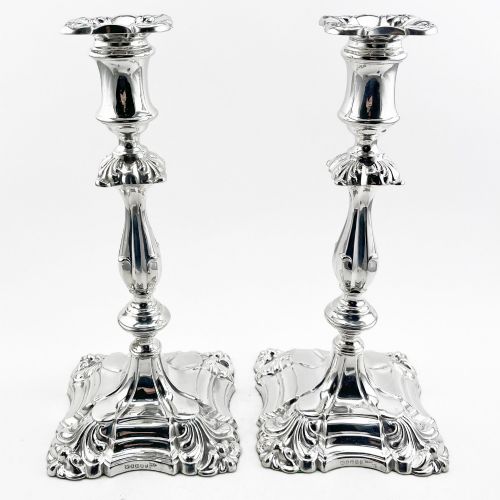
The selection on this page centres on substantial silver plated forms, including tea urns, samovars, candlesticks, and entrée dishes. Alongside standard metalware, buyers find mixed-media pieces that incorporate English oak, cut crystal, and hand-painted porcelain.
Most examples date from the later decades of the nineteenth century, reflecting the firm's prolific output during the Victorian and Edwardian manufacturing booms. These items range from single desk accessories to complete dessert sets and twin-handled serving trays.
Materials and methods
Production relies heavily on silver plate and electroplated nickel silver, known as EPNS, which provided a durable base metal coated in a layer of silver. Manufacturers shaped these metal foundations into complex forms such as épergnes, tantalus frames, and jewellery caskets.
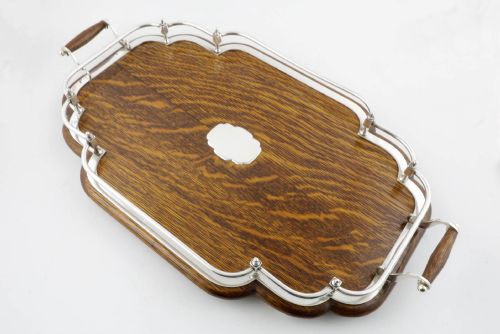
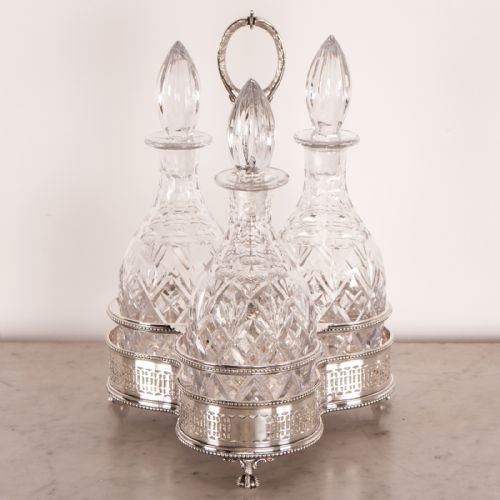
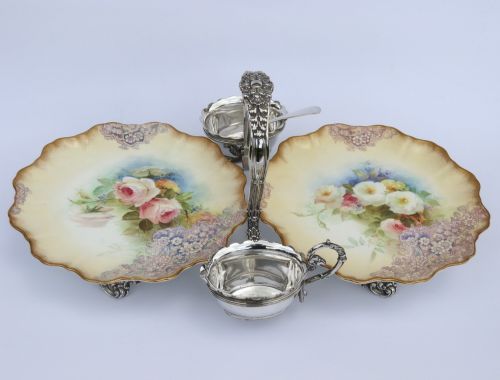
Craftsmen combined the plated metal with organic and silicate materials, pairing English oak with silver mounts and pairing silver frames with cut crystal or etched glass decanters. Porcelain elements, such as Doulton Burslem plates, were integrated into dessert sets alongside the metalwork.
Victorian Walker Hall Silver Retail Price Guide 2026
Typical asking prices for victorian walker hall silver among the pieces listed under this phrase on Sellingantiques today, from the lower quarter to the upper quarter. They describe what is for sale here now, not the wider market.
Materials recorded across the inventory include silver plate, EPNS, nickel silver, metal, glass, English oak, cut crystal, and porcelain.
Assessing quality
Quality in these pieces rests upon the crispness of the floral engraving and the structural integrity of complex assemblies like samovars and épergnes. The depth of the silver plating over the nickel silver or base metal dictates longevity and resilience through decades of use.
Design ambition separates standard utility items from superior pieces, with elaborate cast mounts, fitted glass inserts, and combined materials like English oak or hand-painted porcelain marking the higher tier of production.
Walker and Hall·Doulton Burslem
The Victorian Walker Hall Silver Glossary
- Silver Plate
- A base metal substrate coated with a thin layer of pure silver. This technique allowed manufacturers to produce ornate domestic goods at a fraction of the cost of solid sterling silver.
- EPNS
- Electroplated Nickel Silver. A durable alloy of copper, nickel, and zinc that received an electrolytic coating of silver.
- Samovar
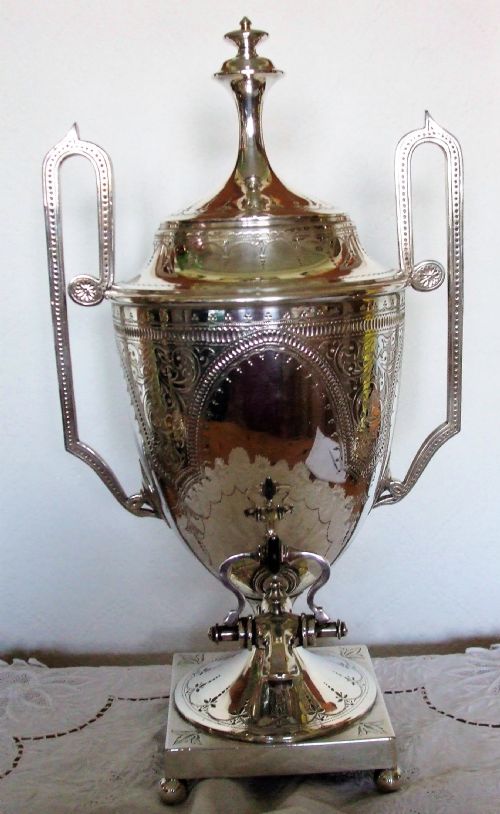
- A large heated metal container traditionally used to boil water for tea. Walker and Hall produced substantial silver plated examples featuring functioning taps.
- Épergne
- An ornamental centrepiece designed for a dining table, typically featuring a central trumpet or basket surrounded by smaller hanging dishes for fruit or sweetmeats.
- Tantalus
- A locked wooden or metal frame that holds decanters securely visible while preventing unauthorized access to the contents.
Victorian Walker Hall Silver: Frequently Asked Questions
What is Walker and Hall?
Walker and Hall was a prominent English manufacturing silversmith firm based in Sheffield. They established a reputation for producing high-quality silver plated and sterling silver tableware, cutlery, and decorative items.
Their pieces often bear specific hallmarks or maker's marks that indicate the grade of silver plate and the production period.
How do I clean silver plate?
Silver plate requires gentle maintenance using a non-abrasive silver polish and a soft cloth to protect the underlying metal layer. Avoid harsh chemical dips that can strip the plating over time.
Regular dusting and careful hand washing in warm soapy water will preserve the finish on items like trays and tea urns.
Were these pieces used daily?
Many of these items served practical functions in nineteenth-century middle and upper-class households, from boiling water in samovars to serving tea and desserts. Dining rituals of the period relied heavily on specialised silver plated vessels for presentation.
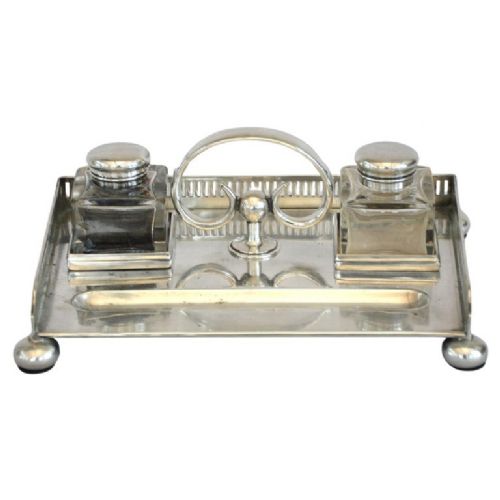
Items like desk stands and jewellery caskets were intended for study and bedroom use rather than the dining room.
How do I date these items?
Dating relies on stylistic clues, accompanying materials like English oak or Doulton Burslem porcelain, and specific manufacturer marks. The presence of Edwardian or Victorian design motifs helps narrow the production window.
Catalogues and historical records from Sheffield makers provide further context for specific forms like the bachelor cruet set or gallery cocktail tray.