





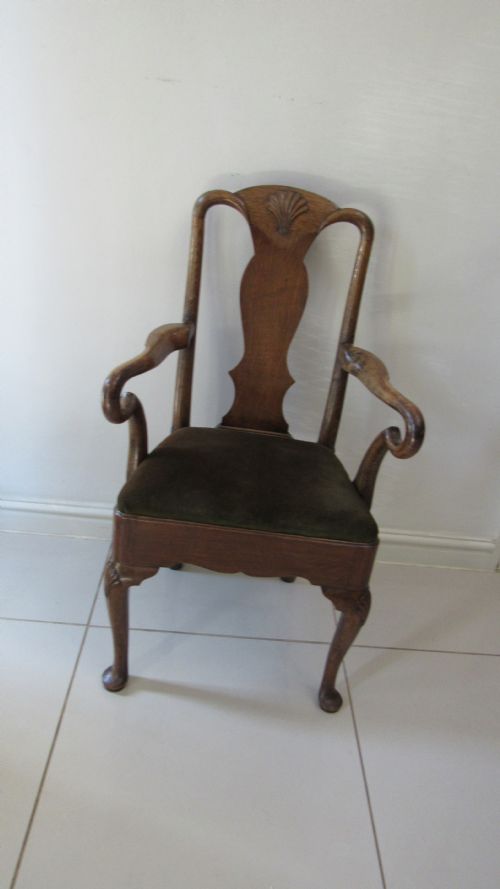

Victorian Velvet Elbow Chair
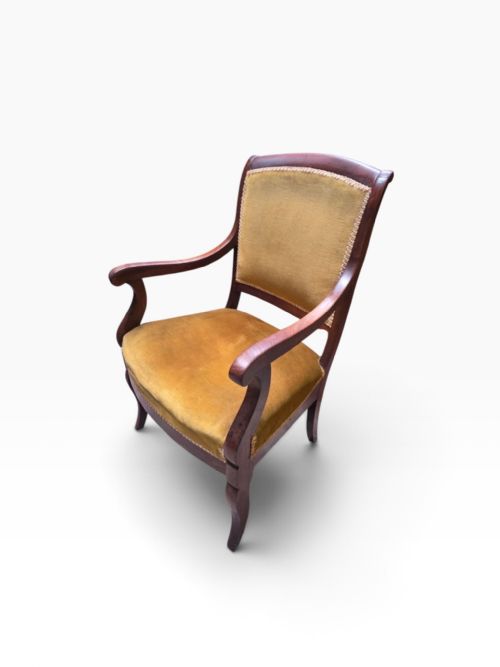
These victorian velvet elbow chair selections bring nineteenth-century comfort and substantial timber framing directly into your rooms.
Victorian Velvet Elbow Chair
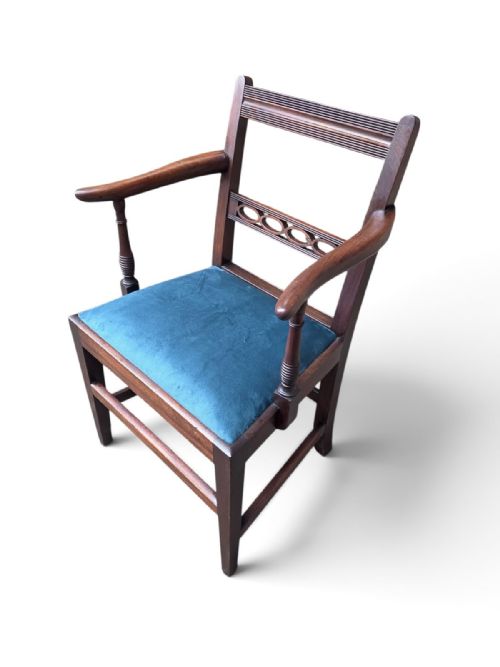
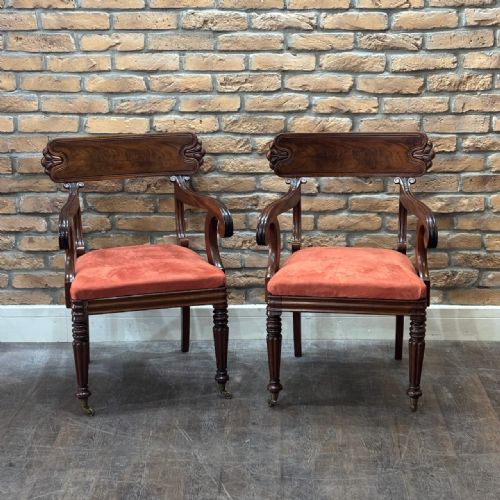
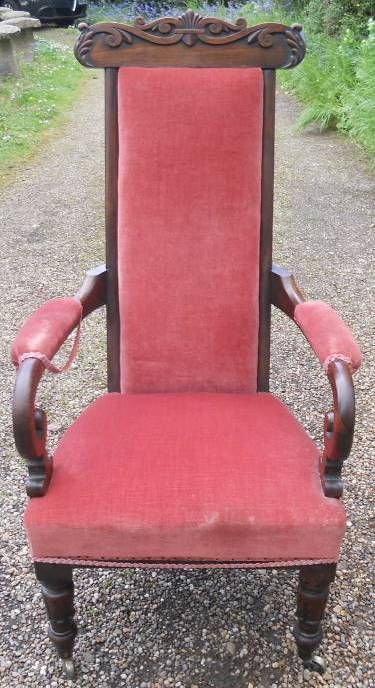
When you search for a victorian velvet elbow chair, you encounter sturdy nineteenth-century seating built with supportive arms and soft textile coverings. The selection on this page centres primarily on Victorian and Edwardian armchairs, tub chairs, and morning room elbow chairs dating from roughly 1850 to 1920. Makers worked across various regional tastes, producing substantial open armchairs alongside specialised pieces.
Most examples rely on rich timbers such as mahogany, rosewood, and oak, often paired with contrasting velvet upholstery. You find distinct stylistic revivals represented here, including Gothic Revival, Chippendale taste, and Carolean influences. These sturdy elbow chairs served diverse domestic functions, from parlor seating to dedicated music hall and morning room furniture.
How they were made
Cabinetmakers constructed the frames of these chairs using dense hardwoods like mahogany, rosewood, and oak, frequently shaping the timber to follow revivalist styles. Workshops employed traditional joinery techniques to ensure the structural integrity of the open arms and backrests.
Makers applied luxurious velvet over padded upholstery to finish the seating surfaces, sometimes incorporating brass elements or subtle inlay work into the wooden framework. Selected pieces utilised cane panels or specialised timber framing to achieve lighter or more ornate silhouettes.
Victorian Velvet Elbow Chair Retail Price Guide 2026
Typical asking prices for victorian velvet elbow chair among the pieces listed under this phrase on Sellingantiques today, from the lower quarter to the upper quarter. They describe what is for sale here now, not the wider market.
Listings feature pieces spanning the Victorian and Edwardian periods, utilising mahogany, rosewood, oak, and velvet.
What varies in quality
The distinction between standard domestic seating and superior examples rests heavily on the choice of timber and the ambition of the carved or inlaid details. Dense rosewood and finely figured mahogany denote higher ambition than ordinary hardwood frames.
Makers who adhered to specific revival styles or named workshops invested greater precision in the structural joinery and overall proportions. The integration of specialised upholstery materials and secondary elements like brass fittings further separates exceptional pieces from simpler production.
Howard & Sons·Jenks & Wood
The Victorian Velvet Elbow Chair Glossary
- Elbow chair
- An armchair featuring supportive rests for the arms, often designed for use at a desk or in a morning room.
- Tub chair
- A compact armchair characterised by a curved, continuous back and arm rail that encloses the sitter.
- Gothic Revival
- A nineteenth-century design movement utilising medieval architectural motifs such as pointed arches and heavy timber tracery.
- Rosewood
- A dense, heavily figured tropical timber prized by Victorian cabinetmakers for its dark grain and polished finish.
- Chippendale taste
- Furniture design inspired by the eighteenth-century pattern books of Thomas Chippendale, featuring fluid lines and carved flourishes.
Victorian Velvet Elbow Chair: Frequently Asked Questions
What is an elbow chair?
An elbow chair is an armchair built with distinct supports for the arms, designed for comfortable sitting in parlors or morning rooms.
These pieces typically feature open wooden arms and upholstered seats suited to nineteenth-century domestic life.
How do I identify a Victorian armchair?
Victorian armchairs are identified by their use of dense timbers like mahogany and rosewood, alongside period upholstery materials.
They frequently incorporate revival styles such as Gothic details or Chippendale influences typical of the nineteenth century.
Where were these chairs used?
These elbow chairs served various functions in nineteenth-century homes, appearing in morning rooms, music halls, and parlors.
Their sturdy timber construction and comfortable velvet seating made them practical for daily domestic use.
What woods were commonly used?
Cabinetmakers primarily worked with hardwoods including mahogany, rosewood, oak, and general timber.
These materials provided the structural strength needed for open armchairs and supported intricate carving or inlay.