
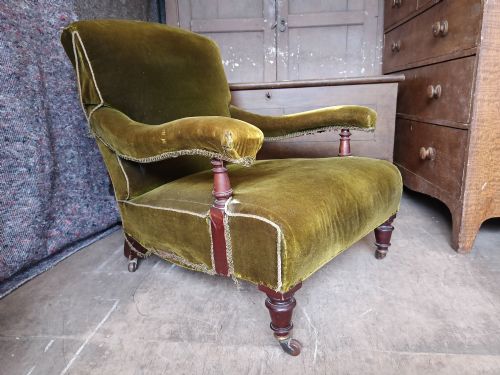
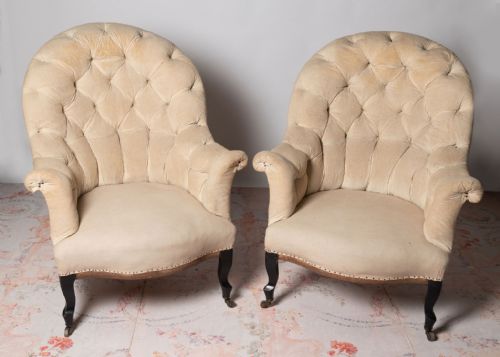


Victorian Velvet Easy Chair
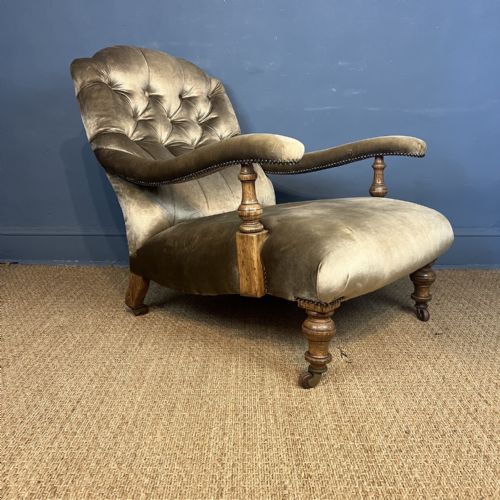
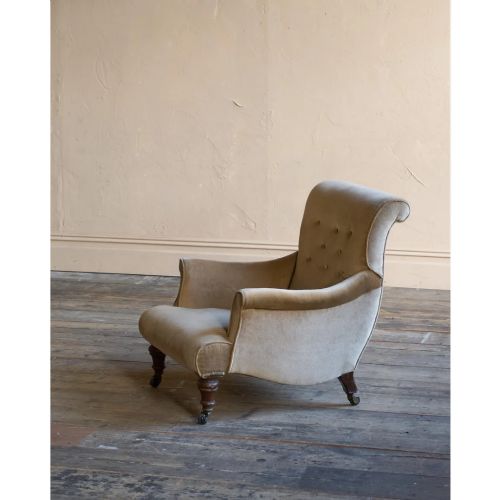
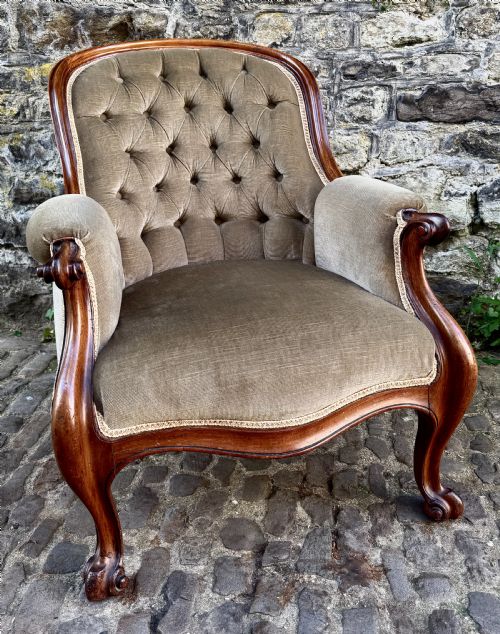
A victorian velvet easy chair provides deep, low-slung seating designed for nineteenth-century drawing rooms and libraries, upholstered in rich, tactile pile.
Victorian Velvet Easy Chair
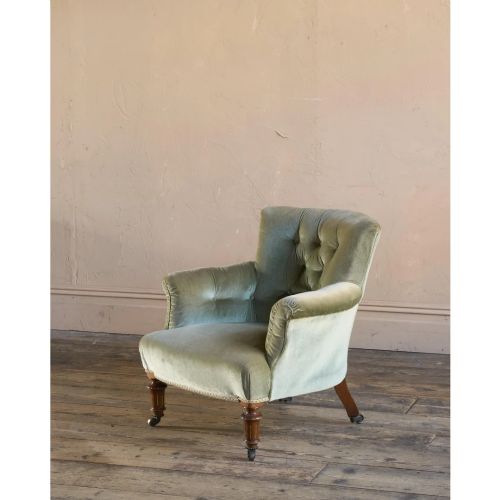
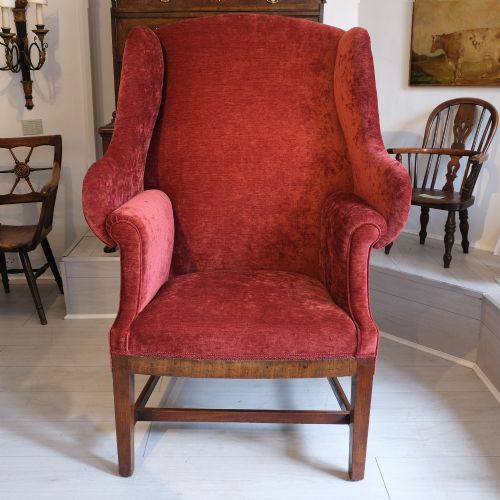
A victorian velvet easy chair combines nineteenth-century seating forms with plush textile upholstery, appearing in variations from open armchairs to button-backed tub shapes. Buyers searching this phrase encounter pieces spanning the 1850s to the early twentieth century, alongside revivals and related styles like Regency and William IV.
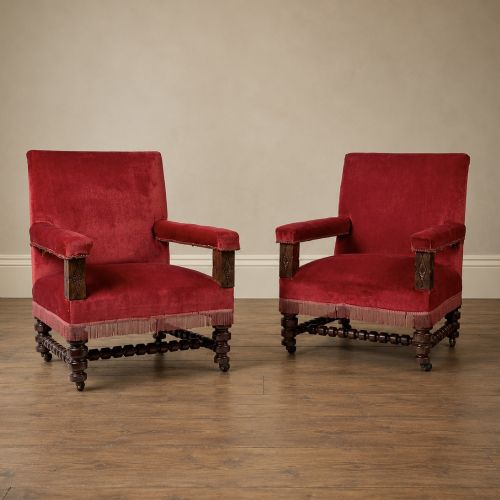
The materials recorded across these items rely heavily on timber frames constructed from walnut, mahogany, oak, and hardwood, accented with brass and metal details. Upholstery comes in various coloured velvets, ranging from red and pink to green, blue, and gold.
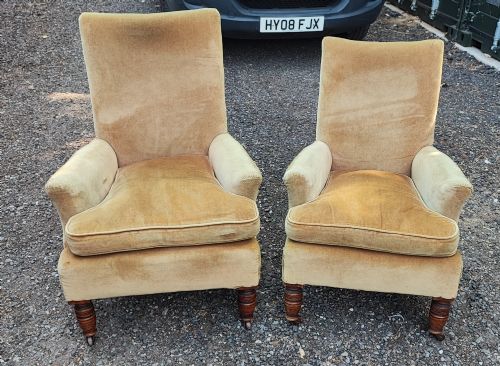
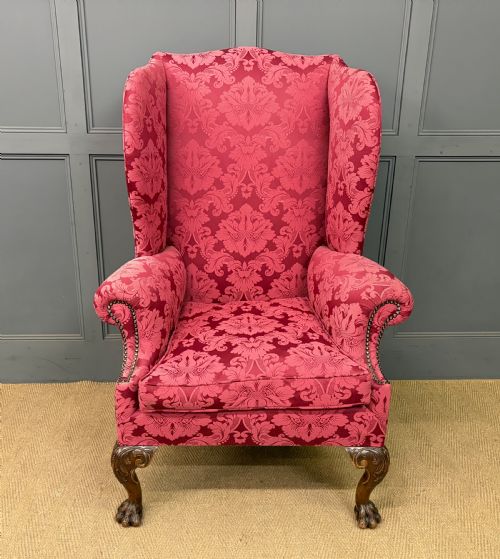
These armchairs range from diminutive seating and standard easy library chairs to large English wing chairs and country house models. Many examples survive as pairs, offering matched seating for period interiors.
Assessing Quality and Execution
The distinction between standard production and top-tier seating rests in the precision of the timber carving and the integrity of the frame construction. Superior library chairs and stamped maker pieces display refined proportions and robust hardwood skeletons.
Upholstery execution and fabric selection mark another division, with high-end pieces utilising dense pile velvets and careful button-back or sprung tension. Maker attribution, such as factory stamps, elevates the standing of an armchair significantly.
Listings feature oak, walnut, mahogany, and hardwood frames paired with velvet upholstery across various nineteenth-century periods.
Gillows·Howard and Sons·Johnstone and Jeanes·Liberty·Hampton and Sons
The Victorian Velvet Easy Chair Glossary
- Armchair
- A chair with supports for the arms. These large seats form the primary category of upholstery seen in nineteenth-century collections.
- Wing chair
- An armchair with side panels attached to the back to shield the sitter from draughts. Late nineteenth-century examples frequently utilise this enclosed design.
- Tub chair
- A curved armchair where the back and arms form a continuous semi-circular enclosure. Iron-framed versions with button backs appear frequently in this shape.
- Easy chair
- A heavily upholstered chair designed for comfort rather than formal posture. Superior library variants offer deep seating dimensions.
- Parcel gilt
- Wood decorated with partially applied gold leaf. This technique highlights carved details on rosewood and walnut frames.
Victorian Velvet Easy Chair: Frequently Asked Questions
How do I date a velvet armchair?
Dating relies on stylistic markers, timber choices, and structural framing methods typical of specific decades between the Regency era and the early twentieth century. Mid-nineteenth-century examples often feature walnut or rosewood frames with distinct revival carvings.
Later Victorian and Edwardian pieces shift towards different proportions and metal frame integration. Comparing the upholstery style with known workshop production helps narrow the decade further.
What is a country house armchair?
A country house armchair is a deep, generously proportioned seat built for comfort in large domestic interiors. These pieces prioritise relaxed seating angles and heavy cushioning over formal rigidity.
They frequently appear upholstered in velvet or patterned textiles. Their generous scale makes them focal points in traditional sitting rooms.
Are these chairs comfortable for daily use?
Nineteenth-century easy chairs were specifically engineered for relaxation in drawing rooms and libraries. Their padded arms and sprung backs provide substantial physical support.
Many surviving pieces retain deep seats suited for prolonged sitting. Modern users often place them in studies or living spaces as primary reading chairs.
How do I identify a Howard armchair?
Howard armchairs possess distinctive low proportions, rolled arms, and careful internal springing that set them apart from standard Victorian seating. Early examples often bear maker stamps on the castors or frame woodwork.
They frequently feature high-quality velvet upholstery in shades like gold or pink. The maker's reputation for comfort makes marked pieces highly sought after by collectors.