





Victorian Upholstery Frame
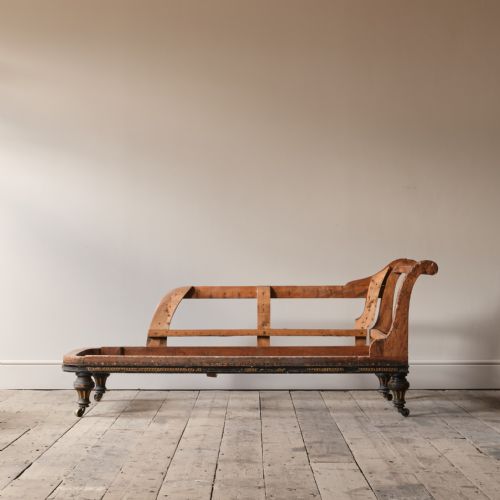
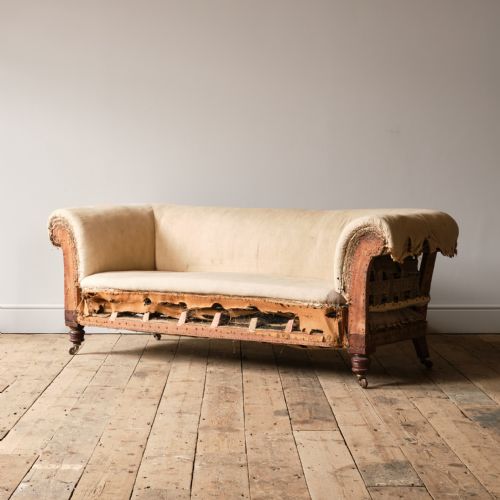
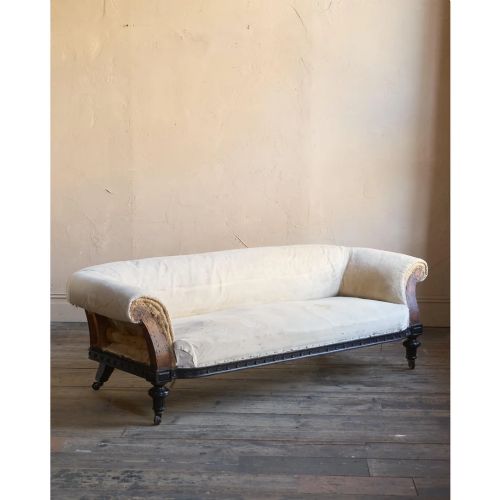
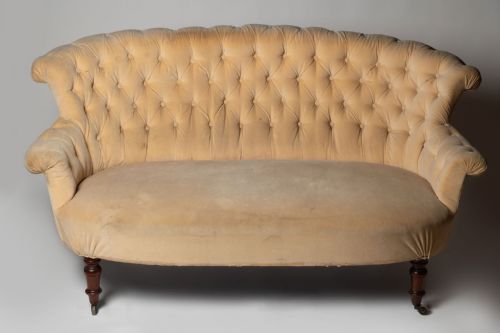
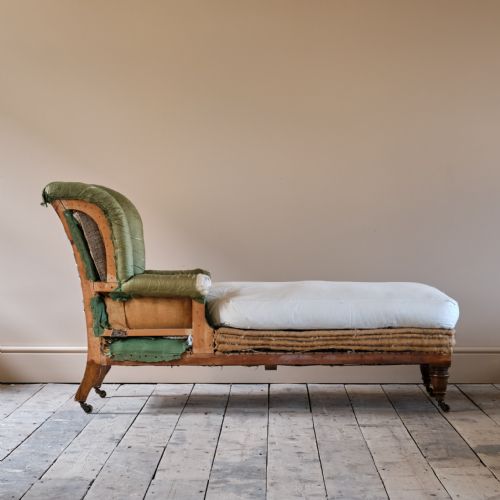
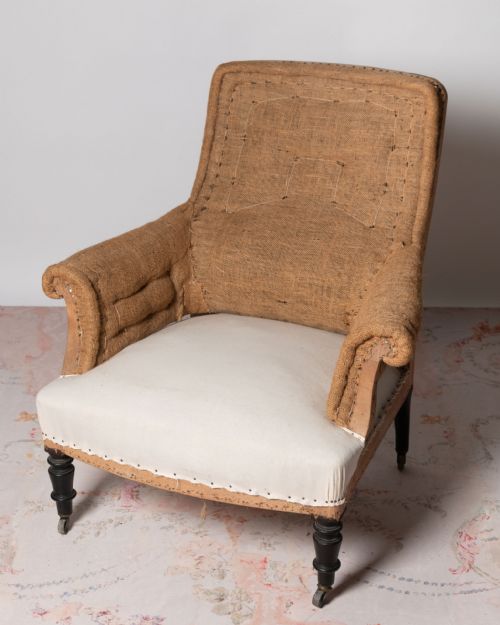
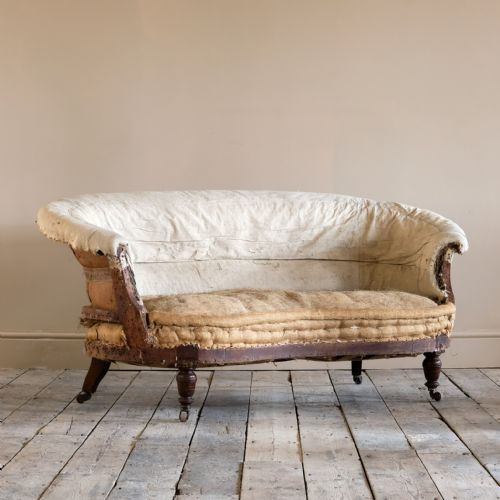
A victorian upholstery frame offers the foundational bones for classic seating, waiting for webbing, stuffing and fabric to become an armchair, sofa or chaise longue.
Victorian Upholstery Frame
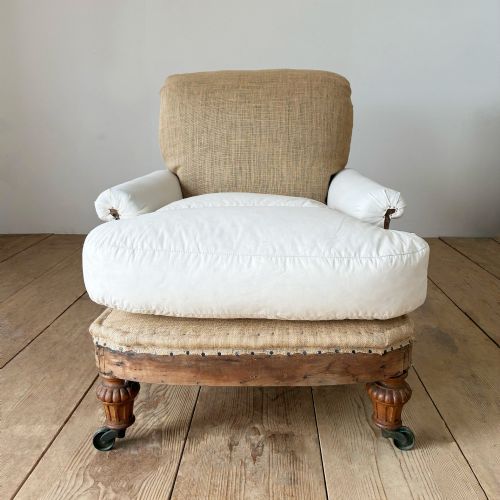
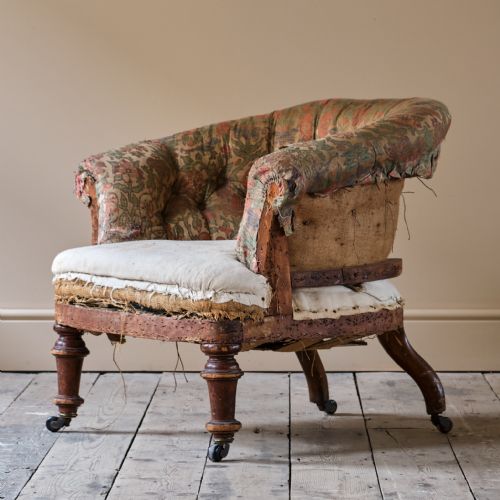
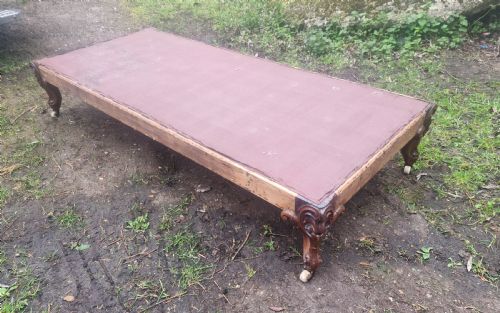
A victorian upholstery frame represents the skeletal framework of period seating before final covering, often stripped down or preserved in wood and iron. Buyers seek these pieces to restore traditional seating using authentic forms from armchairs and sofas to stools and daybeds.
The selection here encompasses various seating types originating across the nineteenth century, including Napoleon III, Aesthetic Movement and revival styles. Walnut and mahogany woods predominate alongside iron internal structures, providing sturdy timber foundations for future recovering.
How they were made
Maker workshops constructed these frames primarily from solid timber like walnut and mahogany, occasionally incorporating iron framing for internal strength. Joinery techniques relied on traditional framing methods designed to bear heavy internal stuffing, webbing and spring systems.
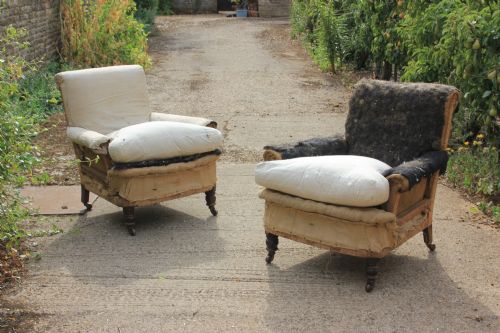
Surviving foundational materials like hessian, calico and cotton webbing often remain attached to the wood or iron chassis. Show wood elements received careful carving, turning, spiral twisting or French polishing where the timber frame remained visible around the upholstery.
Listings feature walnut and mahogany timbers alongside iron frames, Hessian webbing and calico linings across nineteenth-century armchairs and sofas.
What varies in quality
The distinction between ordinary and superior frames rests upon the crispness of the timber carving and the architectural balance of the show wood frame. Robust construction in dense mahogany or walnut separates finely proportioned library armchairs and salon sofas from simpler utility seating.
Maker attribution elevates certain pieces significantly, particularly frames bearing stamps or signatures from noted cabinet makers and upholstery workshops. The integrity of the original show wood frame, free from major structural alterations, dictates the desirability for restoration.
Holland and Sons·Gillows·Howard and Sons·Hampton and Sons
The Victorian Upholstery Frame Glossary
- Gros-point
- A heavy counted-thread needlework stitch used historically for durable upholstery covers. It creates a robust textured surface on stools and chairs.
- Barley twist
- A decorative woodworking turn resembling a twisted rope. This technique frequently appears on nineteenth-century chair legs and stretchers.
- Cabriole leg
- A furniture leg that curves outward and then tapers inward with an arched profile. It often terminates in a scroll or leaf-capped foot on Victorian seating.
- Prie-dieu
- A low devotional chair featuring an upright back designed for kneeling or leaning during prayer. The top rail often incorporates carved wooden ornament.
Victorian Upholstery Frame: Frequently Asked Questions
What is a victorian upholstery frame?
A victorian upholstery frame is the exposed wooden or iron structural skeleton of a nineteenth-century chair, sofa or daybed stripped for recovering or preserved with legacy webbing and stuffing.
These frames give buyers the exact proportions and timber integrity required to complete traditional upholstery projects using period-appropriate materials.
How do I choose the right frame?
Consider the intended room placement and seating height, matching the chair or sofa form to your interior space. Look closely at the wood type, such as walnut or mahogany, and verify the structural firmness of the joints.
Check whether the piece requires complete re-webbing or merely top fabric replacement by examining the existing Hessian and internal support condition.
Are iron frames authentic to the period?
Iron frames emerged during the nineteenth century to provide exceptional rigidity and slender profiles for button-backed occasional chairs and armchairs.
These metal-framed pieces offer robust structural longevity while supporting deep buttoned upholstery and sprung seats.
How do I identify different nineteenth century styles?
Style identification relies on examining decorative motifs, wood choices and structural silhouettes across different decades. Early examples often display mahogany with classical revival influences, while later Victorian and Edwardian pieces show walnut, rosewood or specialised revival designs.
Consulting the specific turning details, leg shapes and maker stamps helps pinpoint the exact manufacturing era.