
Victorian Umbrella Rack Mirror
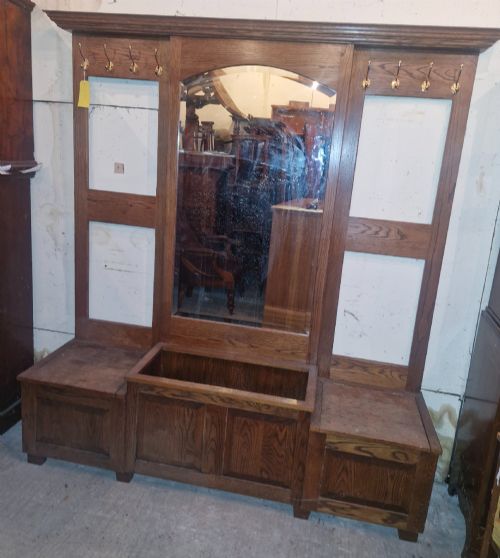
A victorian umbrella rack mirror organises the hallway with a central glass plate and integrated hooks, combining utility with period presence.
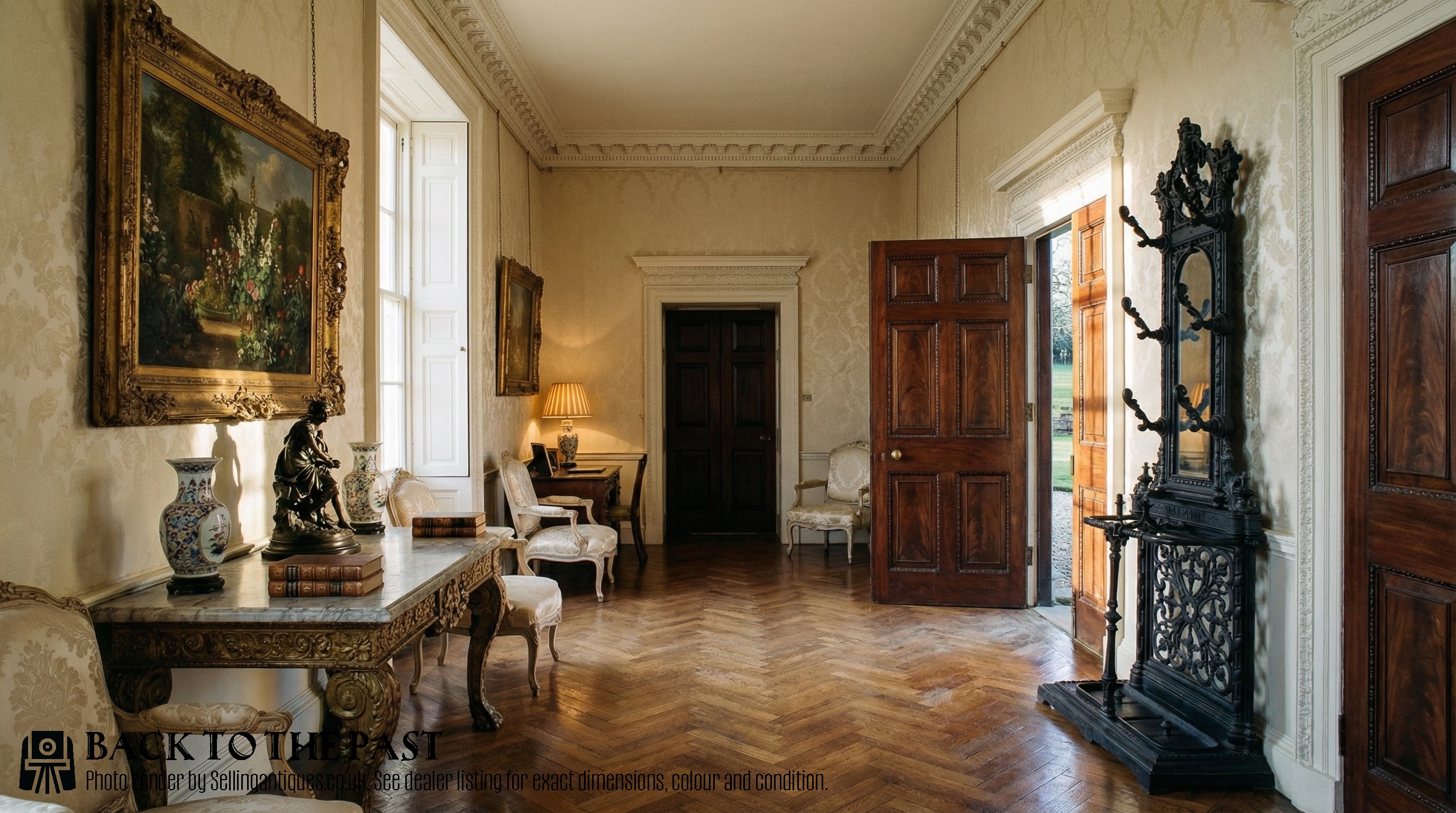
Victorian Umbrella Rack Mirror
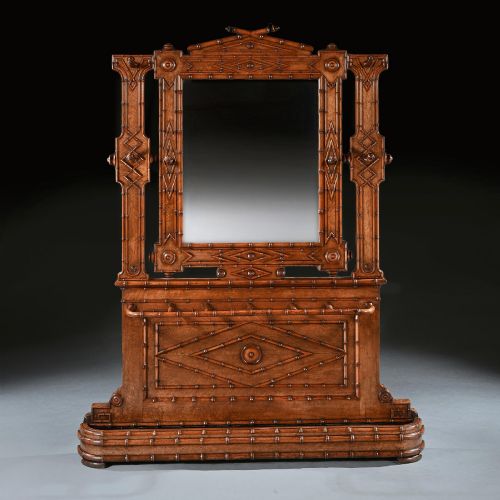
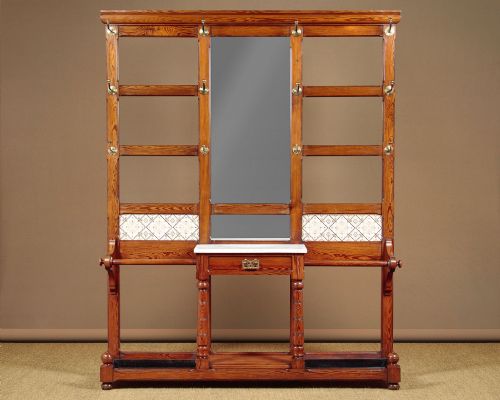
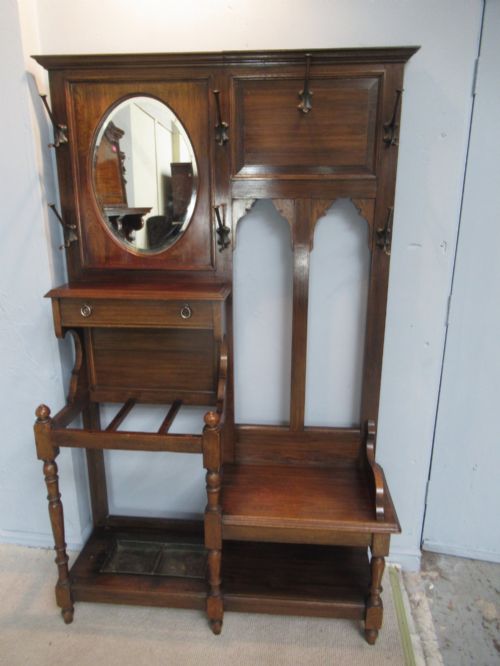
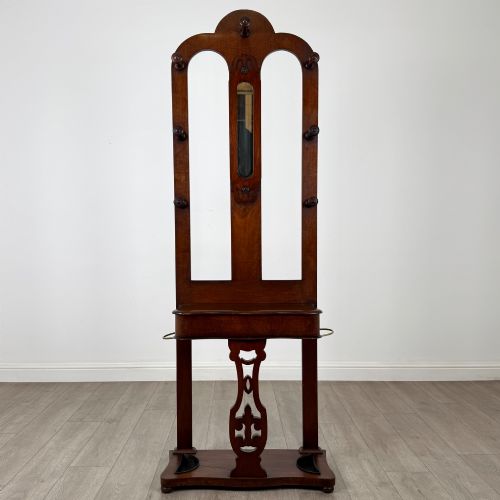
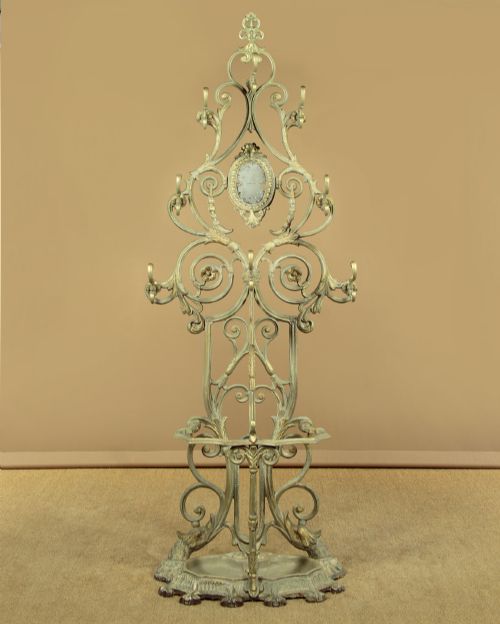
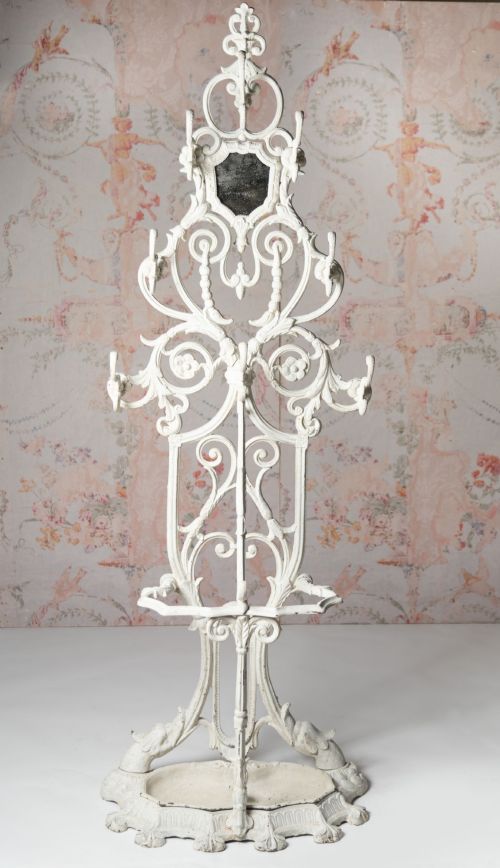
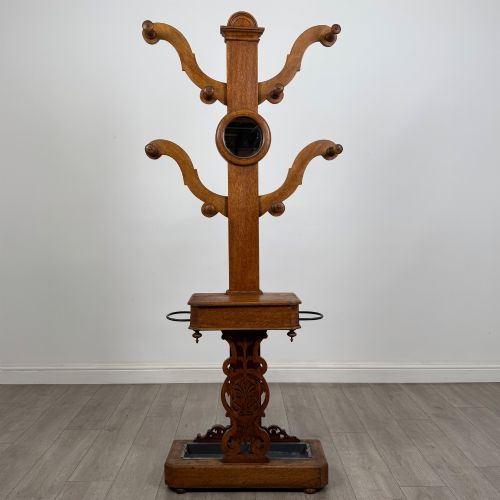
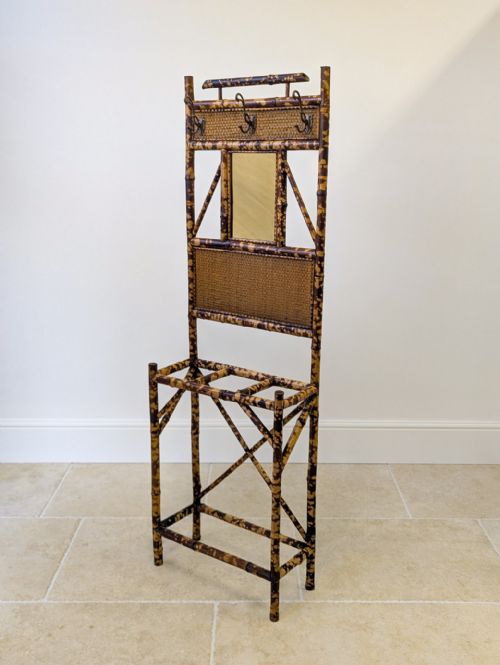
A victorian umbrella rack mirror serves as a functional piece of entrance furniture designed to hold coats, hats and walking sticks while incorporating a glass plate. The listings show these pieces appearing primarily as hall stands, coat and umbrella stands and wall-mounted racks from the nineteenth century onwards.
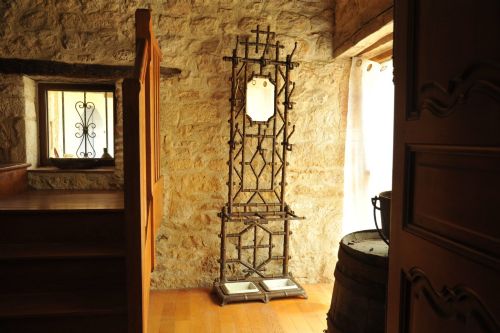
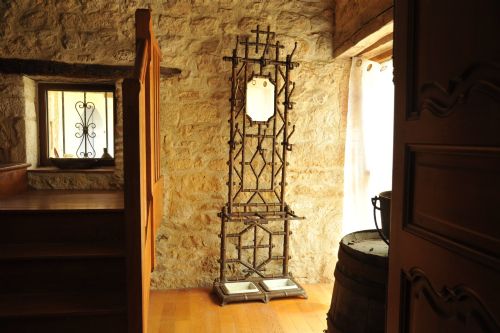
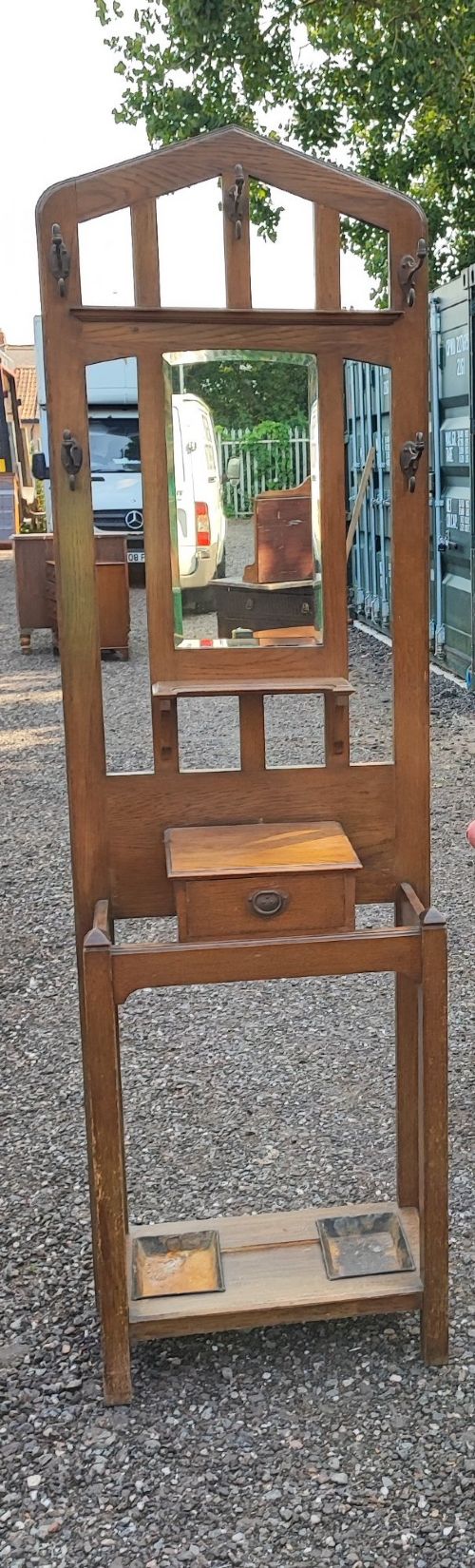
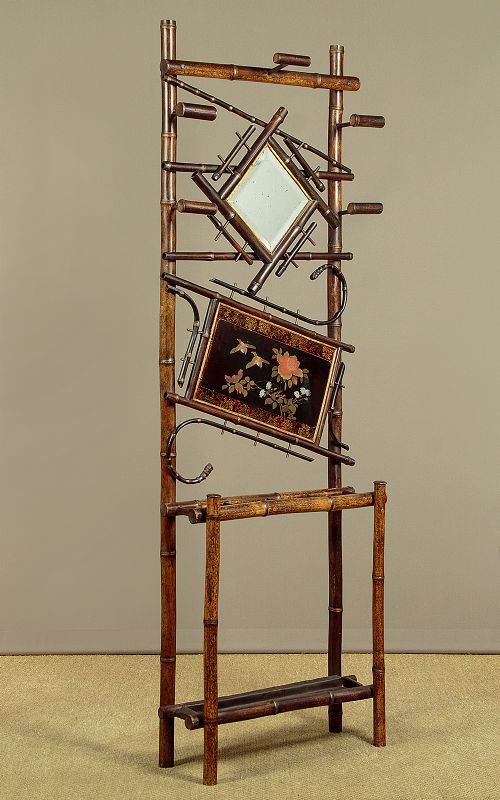
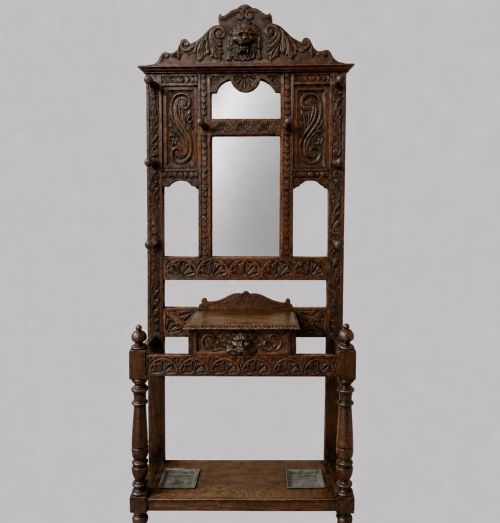
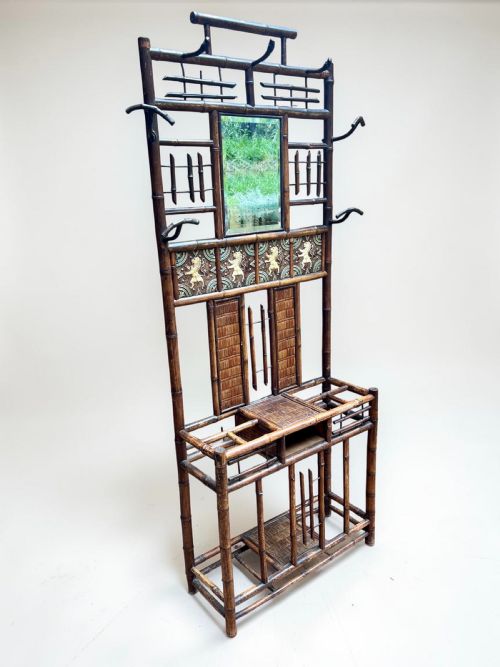
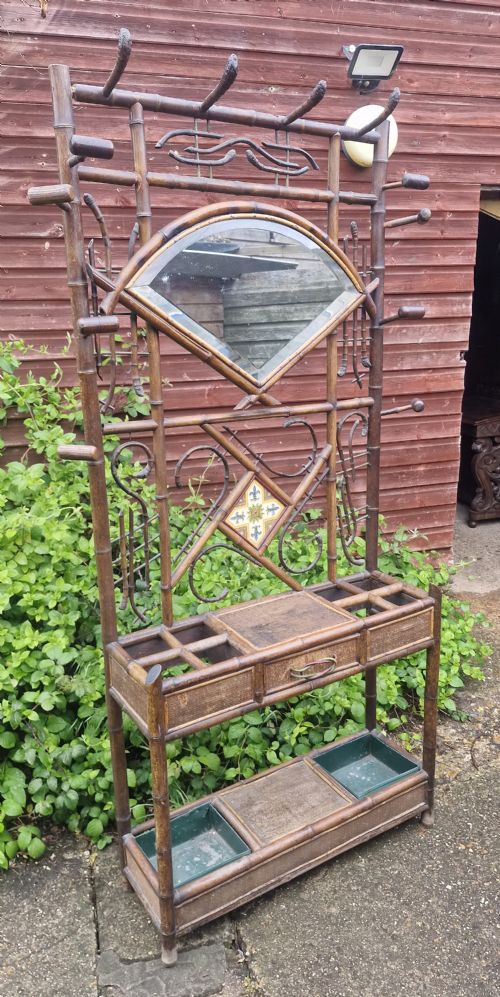
Buyers meet variations spanning the Victorian and Edwardian eras, executed in styles that include the Aesthetic Movement, Gothic Revival, Arts and Crafts and Rococo Revival. These items range from compact bamboo frames to substantial carved timber structures incorporating marble shelves and cast iron trays.
How they were made
Timbers such as oak, mahogany, walnut and birdseye maple form the structural core of many examples, frequently shaped with detailed carving or constructed from bamboo and faux bamboo. Metal elements appear extensively through cast iron frames and brass hooks, providing durable support for heavy garments.
Glass plates provide the central mirror surface, often accompanied by marble inserts that serve as waterproof umbrella bases or small ledges for visiting cards. Construction techniques combine robust joinery for heavy hardwood bodies with specialised framing to secure the glass securely within the hall stand.
Some cast iron examples wear the foundry mark of Coalbrookdale, turning an ordinary umbrella stand into a piece of industrial heritage.
What varies in quality
Quality differentiates through the ambition of the carving and the selection of materials, moving from plain utility items to elaborate architectural forms with deep relief work. The inclusion of decorative details such as Green Man motifs or designated Coalbrookdale cast iron foundations elevates the standing of the piece.
The integrity of the timber selection and the retention of original elements, including drip pans and mirror plates, dictate the overall standard. Finer examples display harmonious proportions across complex multi-functional forms that combine seating, storage and display surfaces.
Coalbrookdale
The Victorian Umbrella Rack Mirror Glossary
- Hall stand
- An entrance hall item combining coat hooks, umbrella storage and a mirror. Many versions also incorporate small shelves, glove drawers or integrated seating.
- Aesthetic Movement
- A late nineteenth century design style emphasising visual beauty over narrative subject matter. Pieces from this movement often utilise bamboo and Japonisme motifs.
- Faux bamboo
- A decorative technique where hardwood is carved or painted to resemble natural bamboo. This finish appears frequently on nineteenth century hall furniture.
- Cast iron
- A sturdy metal alloy shaped through pouring into moulds. It provides robust, ornate framework and drip trays for umbrellas.
- Gothic Revival
- An architectural and decorative style drawing inspiration from medieval forms. Pieces in this manner feature pointed arches, heavy mouldings and detailed tracery.
Victorian Umbrella Rack Mirror: Frequently Asked Questions
Where should I place a hall stand?
These pieces suit entrance halls and corridors where guests arrive, offering a practical spot for outerwear and umbrellas.
Ensure adequate wall clearance and floor space, particularly with larger carved oak or multi-functional seat stands.
How do I maintain the mirror plate?
Clean the glass gently using standard glass cleaner applied to a cloth rather than directly sprayed, protecting surrounding timber and metal frames.
Inspect the backing periodically to prevent moisture accumulation behind the plate.
What maintenance do the materials need?
Wooden surfaces benefit from occasional application of quality wax to nourish the grain and maintain the finish. Metal components and drip pans require dry conditions to prevent oxidation.
How do I identify an Aesthetic Movement piece?
Look for characteristic materials such as bamboo or faux bamboo, alongside slender proportions and Japonisme decorative influences. These items often date from the late nineteenth century.