
Victorian Hall Tree Mirror
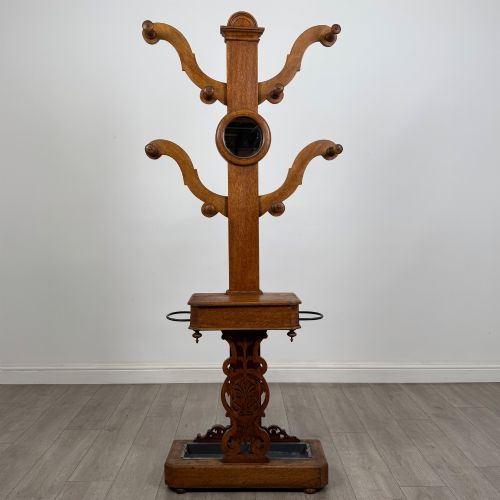
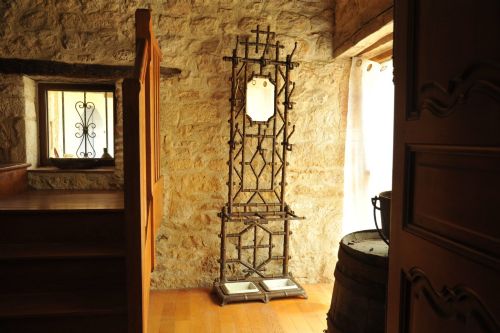
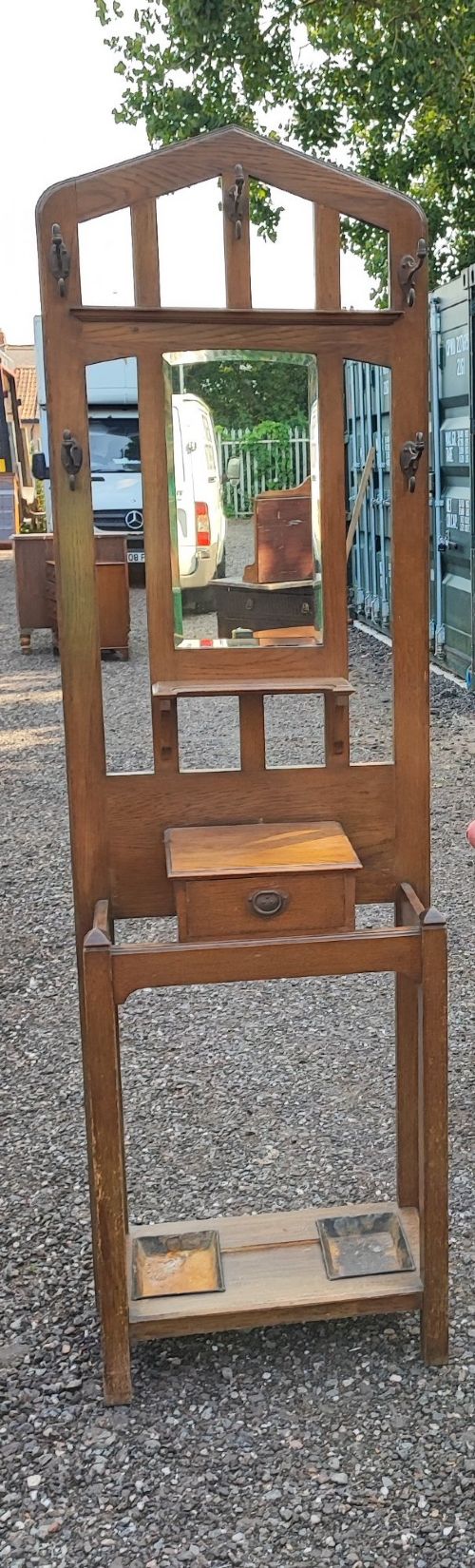
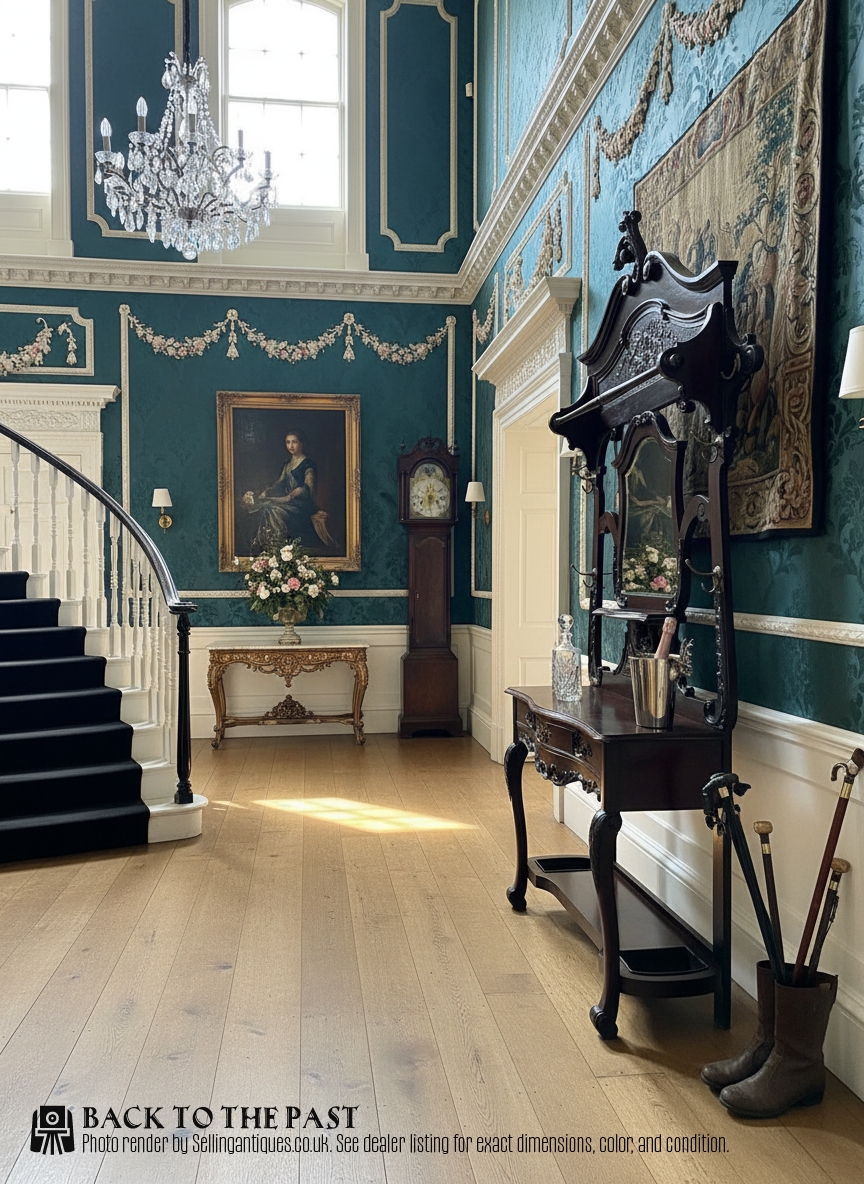
A victorian hall tree mirror anchors the entrance with timber, glass and brass.
Victorian Hall Tree Mirror
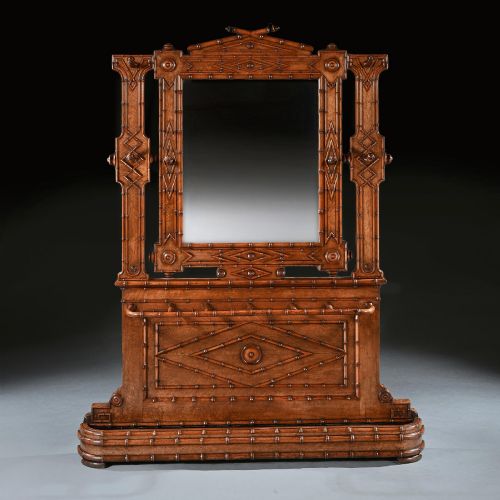
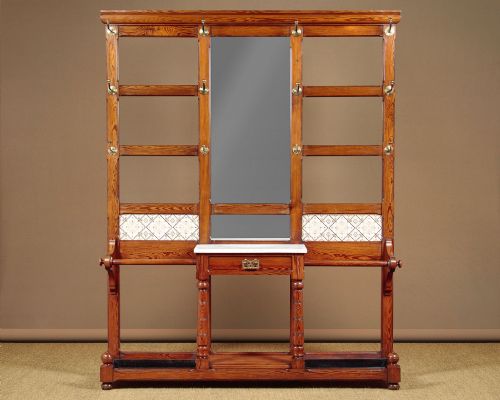
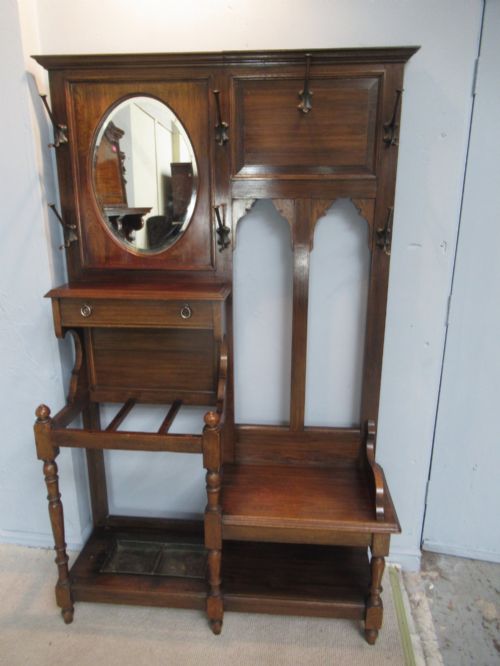
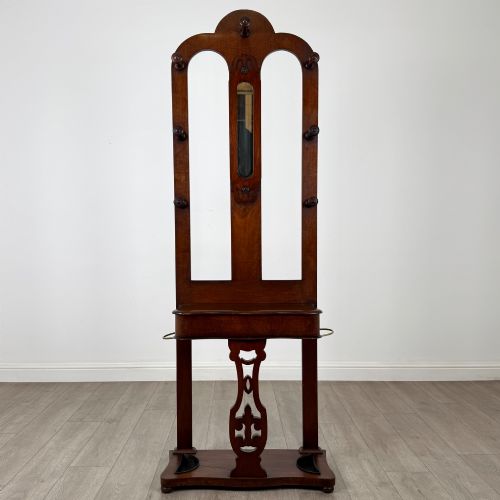
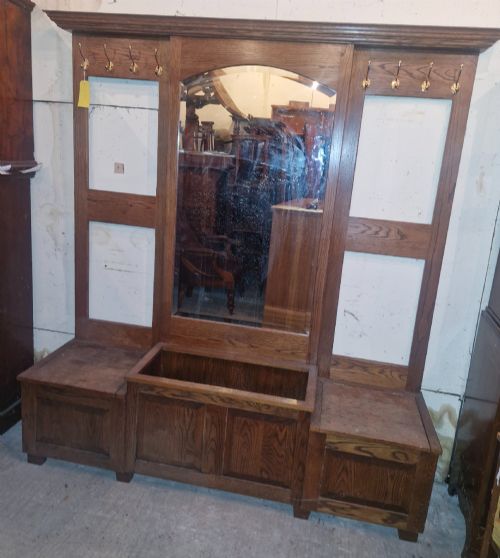
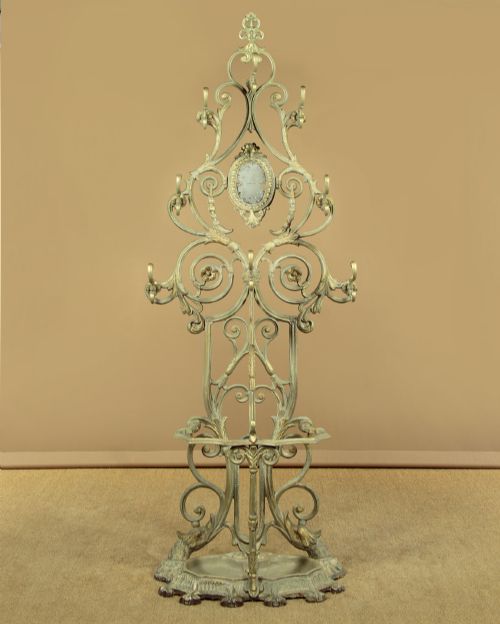
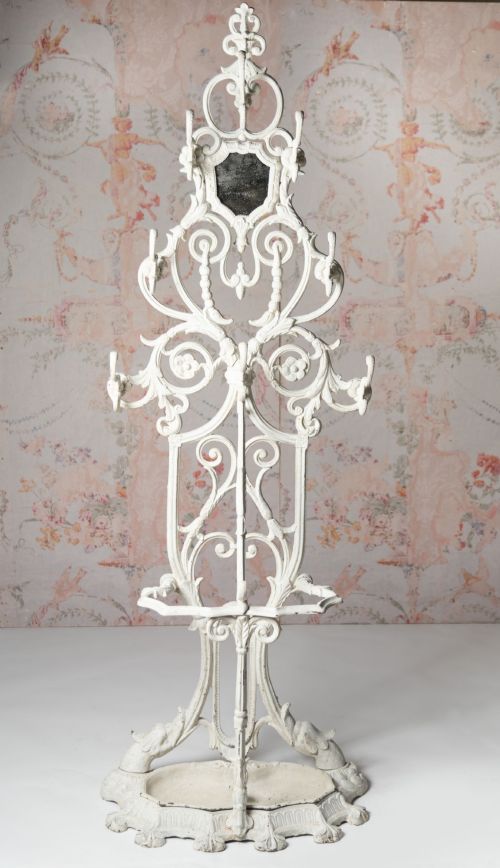
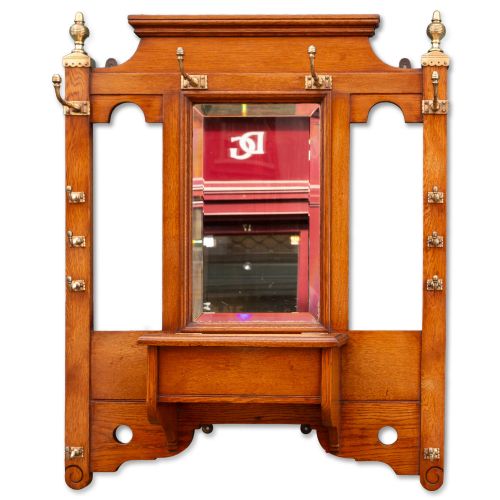
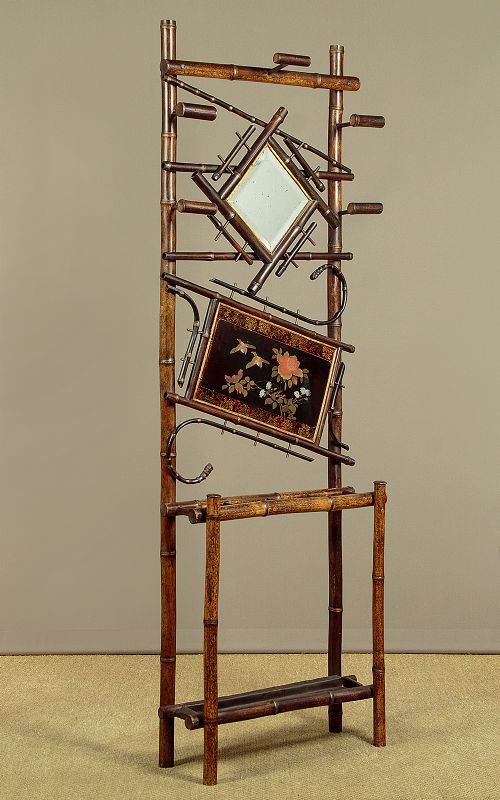
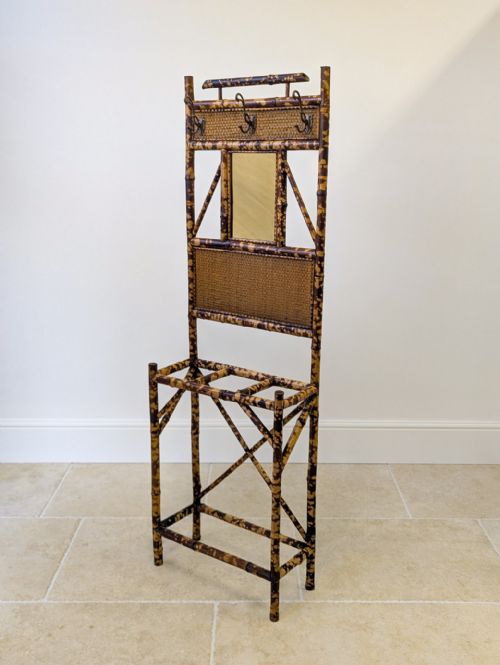
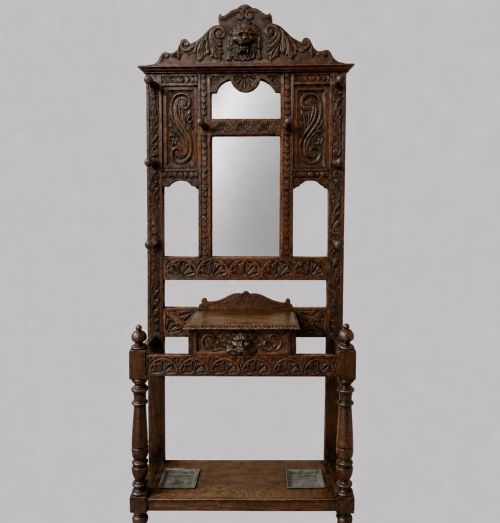
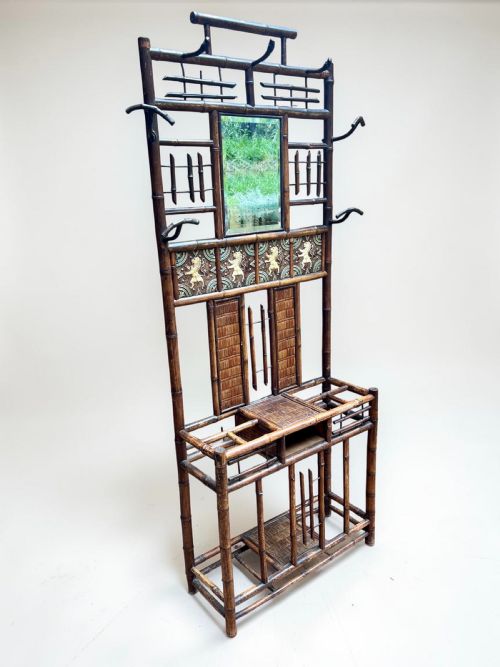
A victorian hall tree mirror serves as a combined coat rack, umbrella stand and looking glass for the entrance of a home. The pieces found here span the Victorian, Edwardian and late nineteenth-century periods, taking forms such as hall stands, coat racks and hall seats.
Makers utilised woods like oak, mahogany and pine, alongside cast iron, bamboo and brass. Buyers meet various styles including Aesthetic Movement, Arts and Crafts, and Gothic Revival alongside standard Victorian designs.
How they were made
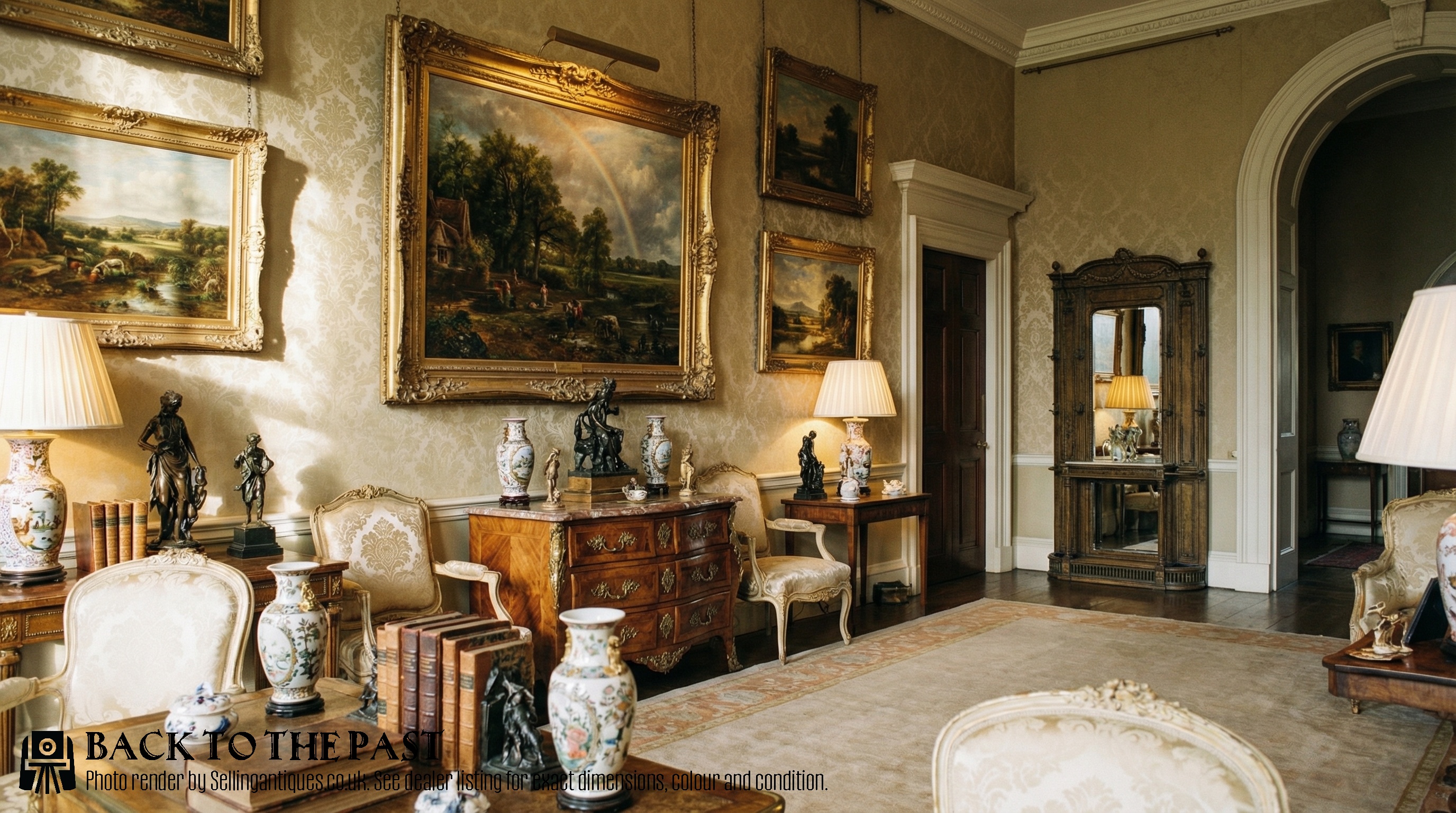
Makers constructed these stands using solid timbers such as oak and mahogany, frequently incorporating carved details, mirrored panels and brass or cast iron hooks. Faux bamboo and natural bamboo examples utilise specialised bending and jointing techniques typical of the Aesthetic Movement.
Cast iron and metal components provide structural weight and durability, particularly for umbrella wells and drip trays. Marble inserts appear on select mahogany surfaces to offer a durable shelf for small items.
Victorian Hall Tree Mirror Retail Price Guide 2026
Typical asking prices for victorian hall tree mirror among the pieces listed under this phrase on Sellingantiques today, from the lower quarter to the upper quarter. They describe what is for sale here now, not the wider market.
Listings include oak, mahogany, pine, cast iron, brass, bamboo and glass across Victorian, Edwardian and late nineteenth-century periods.
What varies in quality
The distinction between tiers rests upon the choice of timber, the depth and precision of the wood carving, and the integration of the mirror plate. Dense golden oak and figured mahogany represent superior timber selection compared to plain pine.
Proportion and scale dictate the presence of architectural elements like Green Man carvings or Flemish panels. Higher grade examples feature robust cast iron framing and original brass hardware rather than later replacements.
Coalbrookdale
The Victorian Hall Tree Mirror Glossary
- Hall stand
- A piece of hallway furniture combining hooks, hat storage, a mirror and umbrella holders. These items manage outdoor garments near an entrance.
- Aesthetic Movement
- A late nineteenth-century design style emphasising visual beauty over narrative function. Pieces often feature Japanese-inspired motifs and bamboo construction.
- Faux bamboo
- Wood turned or carved to imitate natural bamboo stems. This technique appears frequently on nineteenth-century French and English hall stands.
- Coalbrookdale
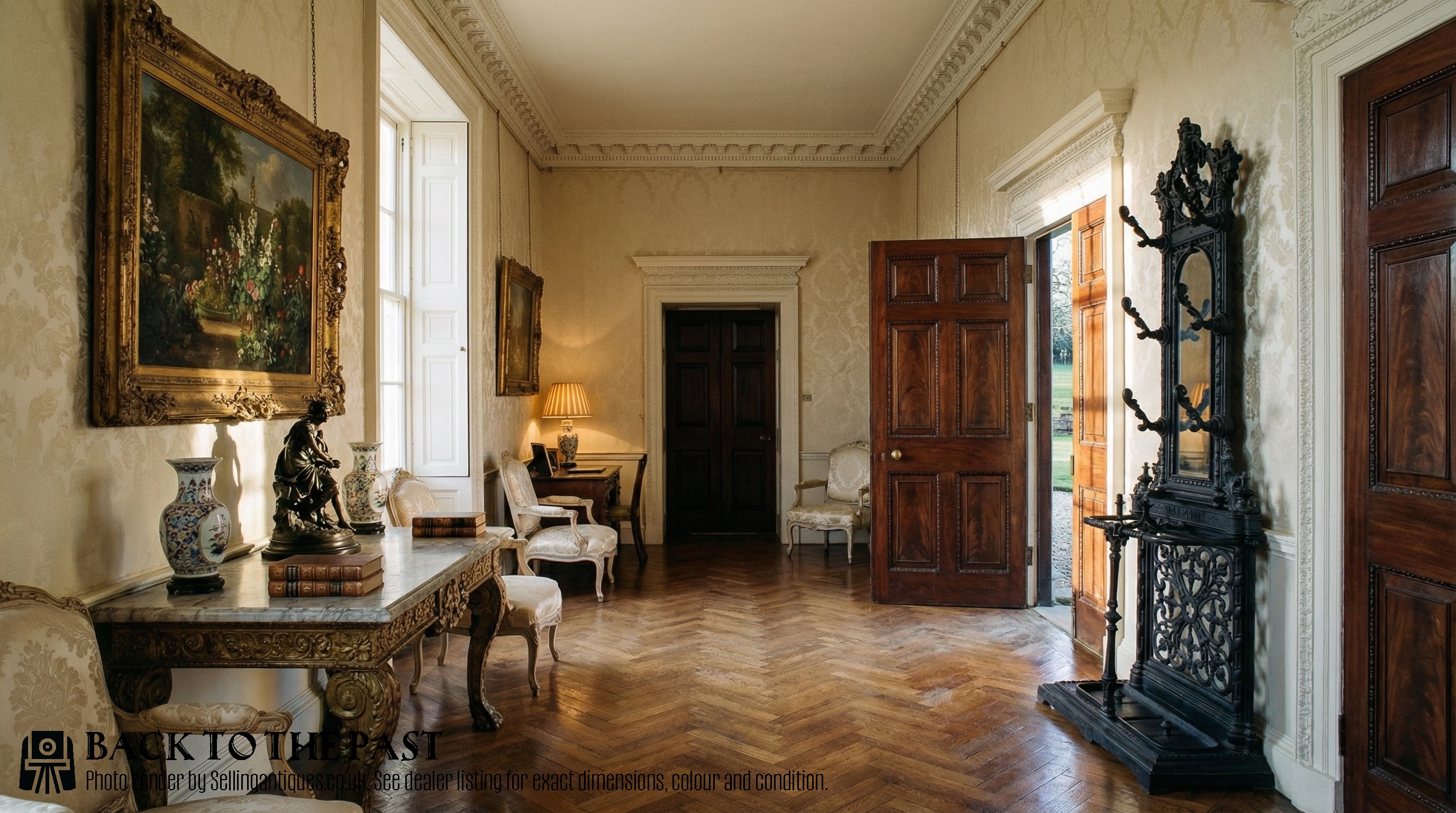
- A prominent ironworks foundry known for producing decorative cast iron hall stands. Their work often displays intricate openwork patterns.
Victorian Hall Tree Mirror: Frequently Asked Questions
What is a hall tree mirror?
A hall tree mirror is a tall hallway furnishing designed to hold coats, hats and umbrellas while providing an integrated looking glass.
These pieces emerged to keep entryways orderly and allowed occupants a final glance at their appearance before stepping outside.
How do I date a hall stand?
Dating relies on stylistic clues, construction methods and materials. Victorian examples often display heavy carving or Aesthetic bamboo, while Edwardian pieces lean toward lighter oak forms.
Examining the bevel of the mirror glass and the type of metal hooks also helps determine the period.
Where should I place a hall stand?
These pieces suit entrance halls and porches where guests arrive and outdoor garments accumulate. Their vertical footprint makes them practical for narrow circulation spaces.
Ensure adequate wall clearance for coat hooks and sufficient floor space for umbrella trays.
What woods were used?
Makers predominantly employed oak, mahogany and pine for timber frames. Bamboo and faux bamboo also appear in Aesthetic Movement examples.
Cast iron and brass provide structural support and hardware details across multiple styles.