





Cast Iron Coat Tree
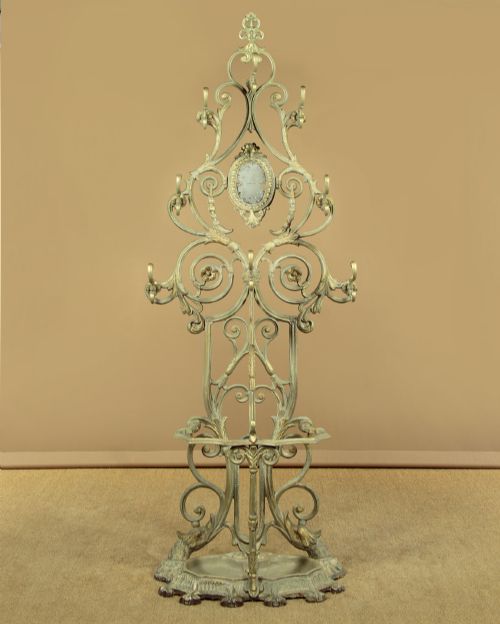
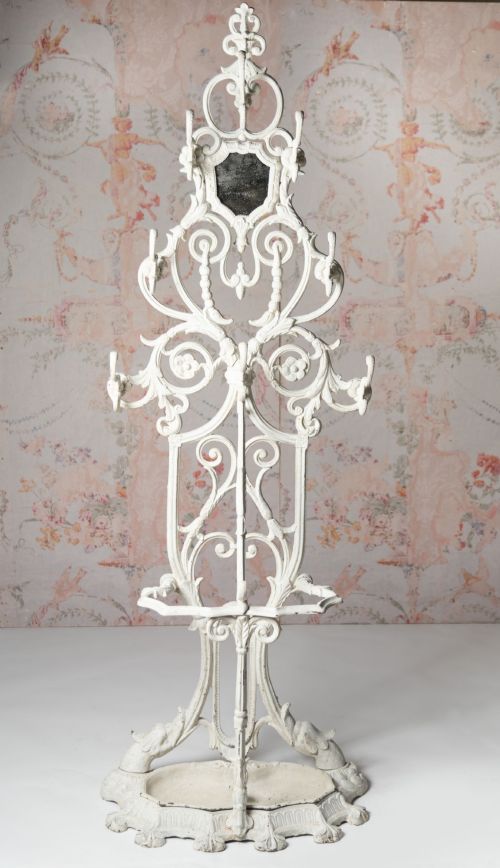
A cast iron coat tree grounds a hallway with architectural presence and offers sturdy hanging space for heavy garments.
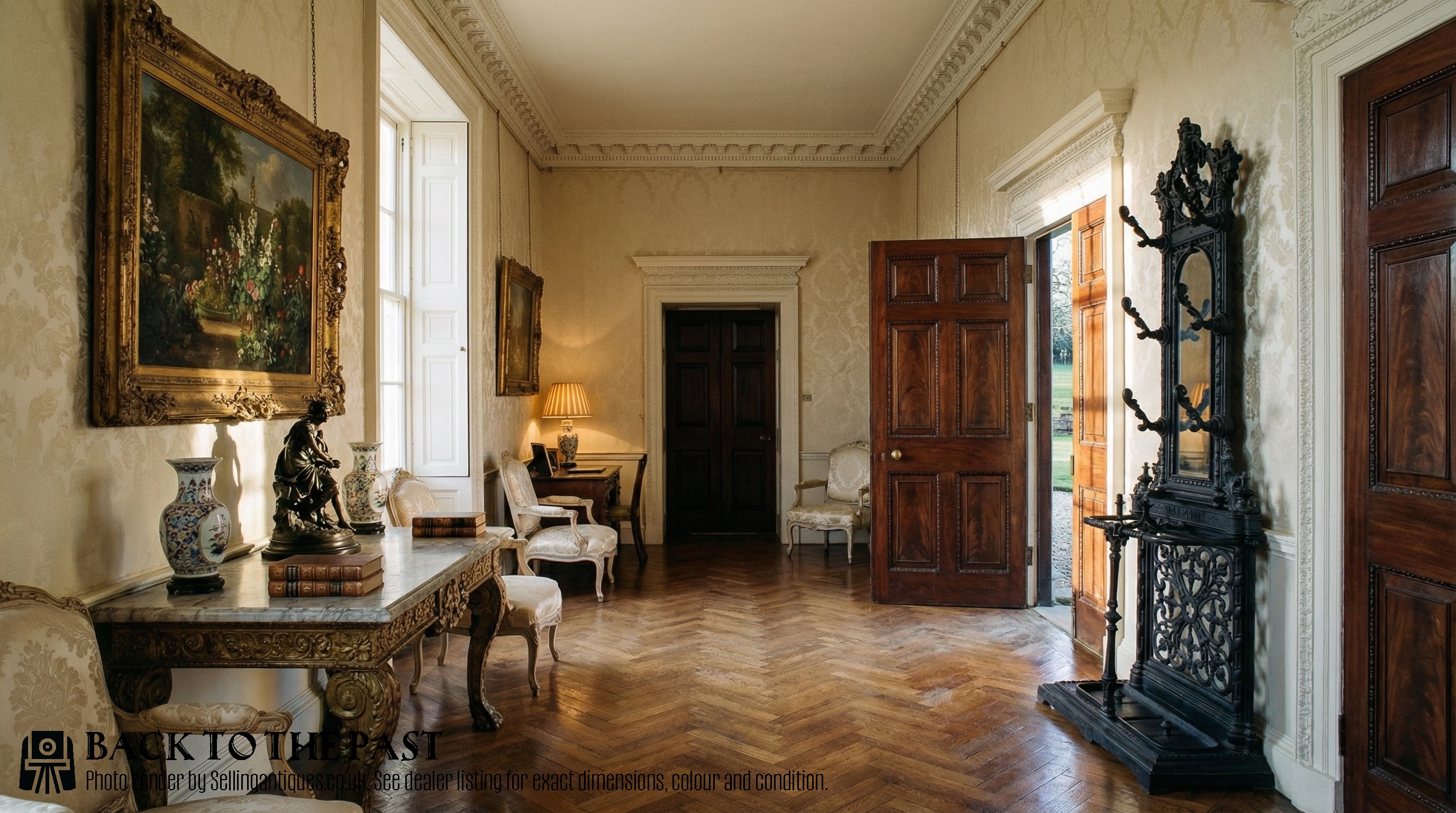
Cast Iron Coat Tree
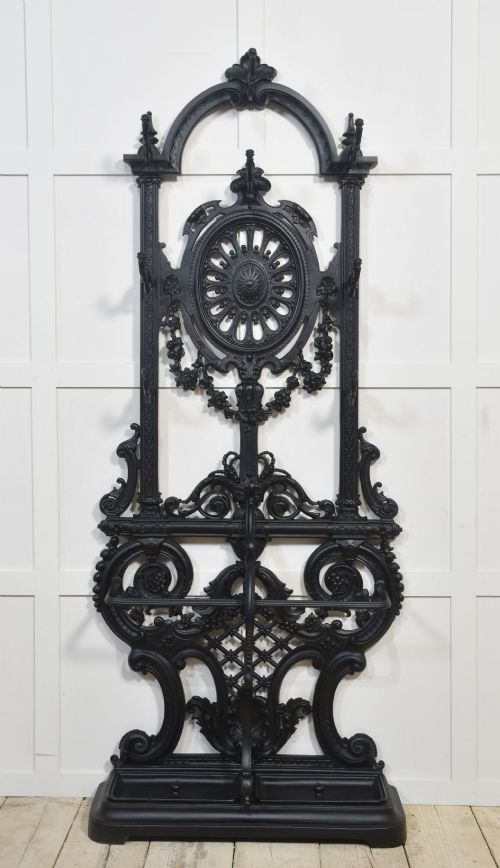
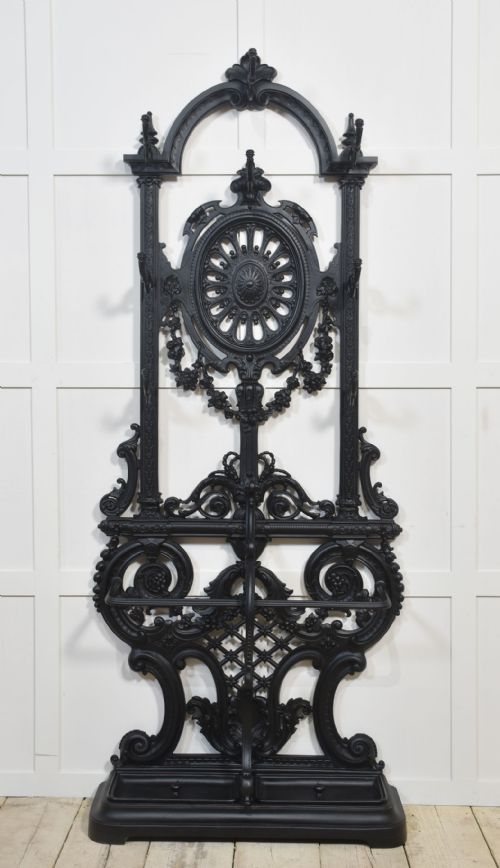
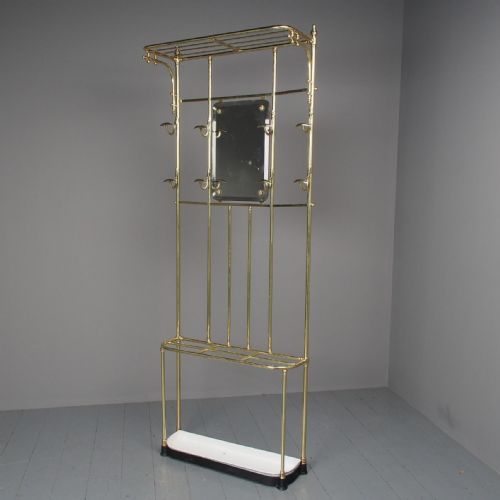
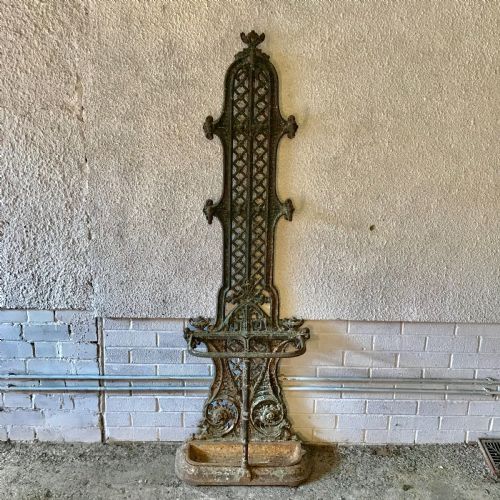
When you search for a cast iron coat tree, you encounter sturdy hall stands and coat stands designed for domestic hallways. These functional pieces organise coats, hats, and umbrellas while making a strong decorative statement.
The selections available here span the Victorian era, the nineteenth century, and the nineteen-thirties. You will find pieces reflecting Victorian Gothic Revival, Rococo Revival, French Chateau, and Art Deco styles.
Makers such as the Falkirk Foundry and the Coalbrookdale style produced robust hall stands featuring integrated mirror panels, marble surfaces, and brass fittings. These variations provide both utilitarian function and distinct period character.
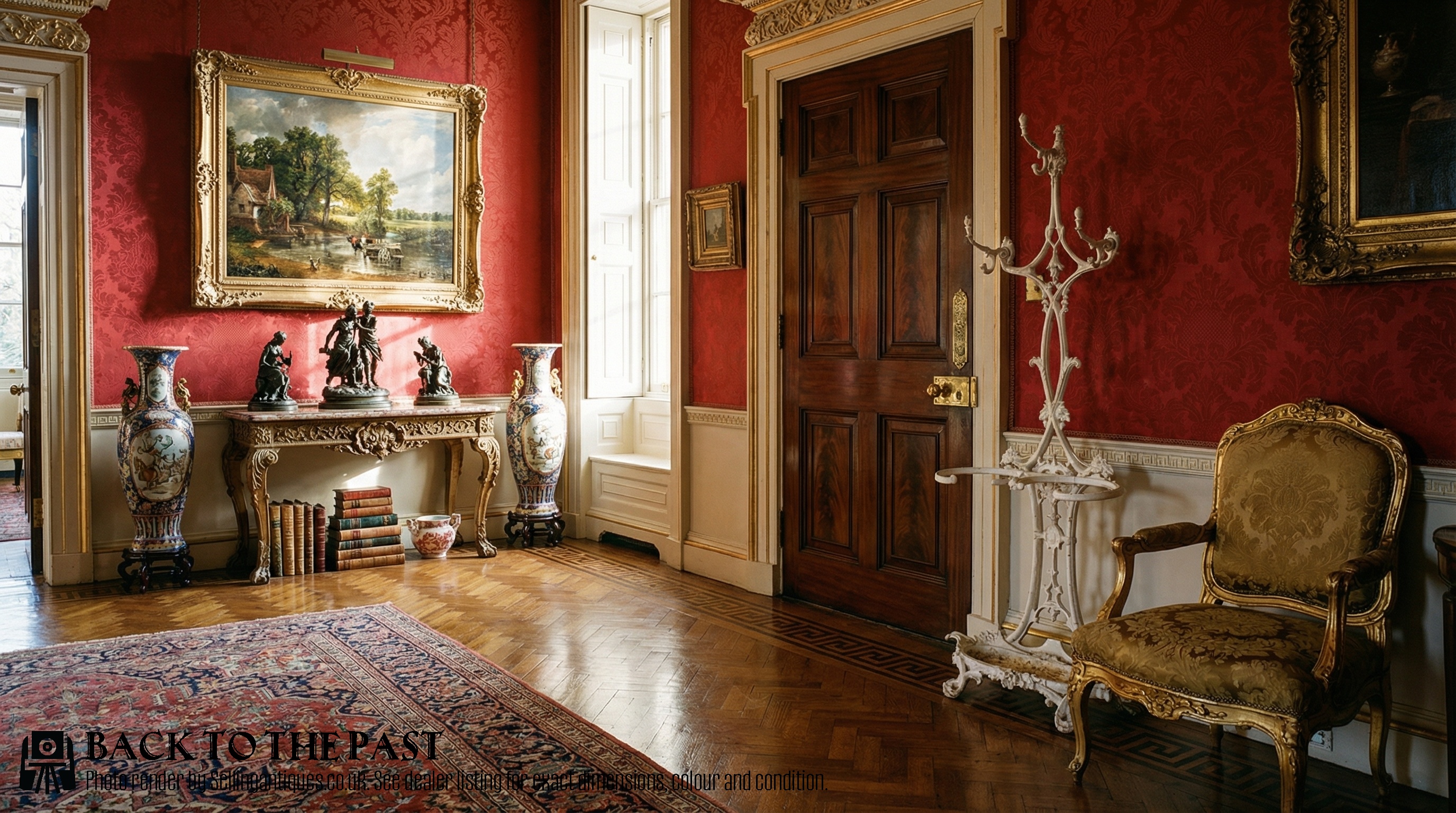
Construction and Materials
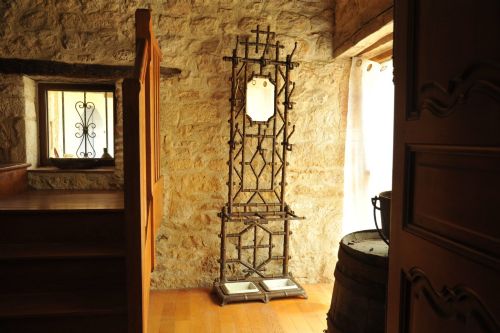
These items rely primarily on cast iron, shaped in foundry moulds to create intricate scrollwork, faux bamboo detailing, and sturdy structural frames. The heavy metal casting ensures exceptional durability and stability for supporting heavy winter garments.
Many examples incorporate secondary materials including brass hooks, mirrored glass panels, and marble drip trays or bases. Painted finishes, sometimes combined with polished metal highlights, protect the iron and enhance the visual depth of the ornamentation.
Listings feature cast iron combined with glass, paint, brass, mirror, and marble across Victorian, Edwardian, and Art Deco periods.
Assessing Quality and Craftsmanship
The distinction between standard production and exceptional work lies in the crispness of the foundry casting and the complexity of the ironwork. Finer examples display sharply rendered surface detail, smooth joints, and integrated architectural elements such as portico frames.
Proportion and material integration also determine overall quality. Superior pieces combine heavy cast iron frames with intact bevelled mirrors, original brass hooks, and fitted marble components without compromising structural balance.
Falkirk Foundry·Coalbrookdale
The Cast Iron Coat Tree Glossary
- Hall Stand
- A multifunctional hallway furniture piece incorporating coat hooks, a hat rack, a mirror, and an umbrella stand. These items anchor entryways by combining storage and display in a single unit.
- Faux Bamboo
- A decorative treatment mimicking the segmented stems of real bamboo, executed in cast iron. This technique became popular during the nineteenth century under the influence of Asian design trends.
- Gothic Revival
- An architectural and decorative style drawing inspiration from medieval forms. Pieces in this style often feature pointed arches, trefoils, and heavy structural verticality.
- Rococo Revival
- A nineteenth-century style characterised by asymmetrical scrollwork, naturalistic floral motifs, and C-scrolls. It brings an ornate, flowing aesthetic to iron castings.
Cast Iron Coat Tree: Frequently Asked Questions
How do I clean cast iron?
Dust the iron framework regularly with a soft, dry cloth to prevent grime accumulation. Avoid harsh chemical cleaners that can strip original painted or patinated surfaces.
For stubborn buildup, use a lightly dampened cloth followed immediately by thorough drying to prevent rusting. Preserving the original finish maintains the historical integrity of the piece.
Are these stands stable?
Cast iron construction provides a naturally heavy base that supports the weight of coats and umbrellas without tipping. The substantial mass of the metal keeps the structure grounded during daily use.
Position the stand on a level floor to ensure even weight distribution across the base. Heavier items should be distributed evenly around the hooks to maintain balance.
Can they hold wet umbrellas?
Many hall stands include integrated metal or marble base trays designed to catch water from wet umbrellas. These trays protect flooring from moisture damage.
Ensure any accumulated water is emptied and dried periodically to prevent rust formation on the lower iron components. This simple maintenance preserves the metalwork over time.
How do I identify Victorian pieces?
Victorian examples often exhibit characteristic styling such as Gothic Revival tracery or Rococo floral scrollwork. Foundry marks and registration numbers cast into the iron can also point to nineteenth-century production.
Inspect the construction methods, such as threaded bolts and hand-finished casting seams, which distinguish older foundry work from twentieth-century reproductions.