

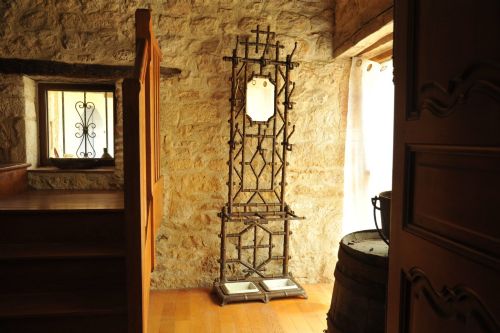
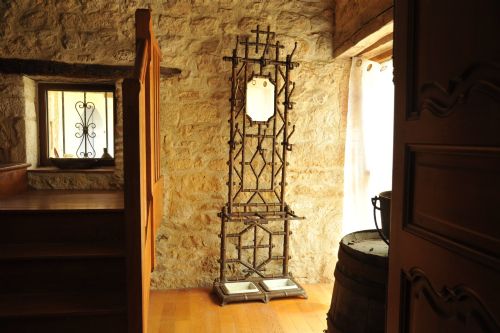
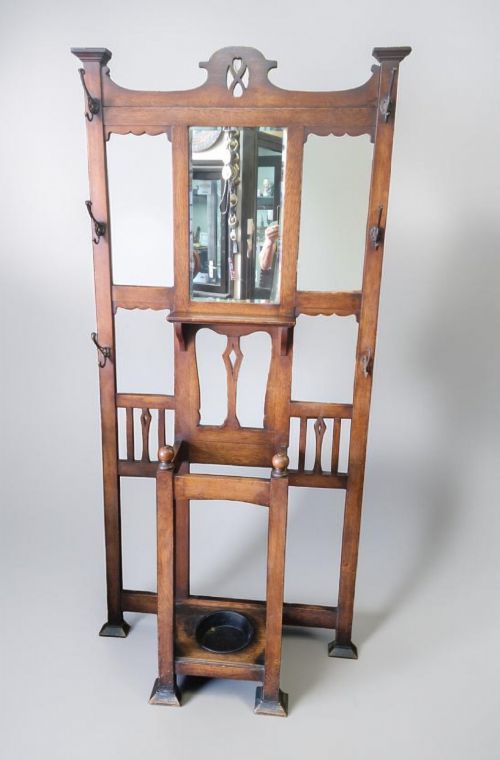
Antique Coat Stand with Mirror
An antique coat stand with mirror is a practical hallway centrepiece combining hanging space, polished glass, and umbrella storage.
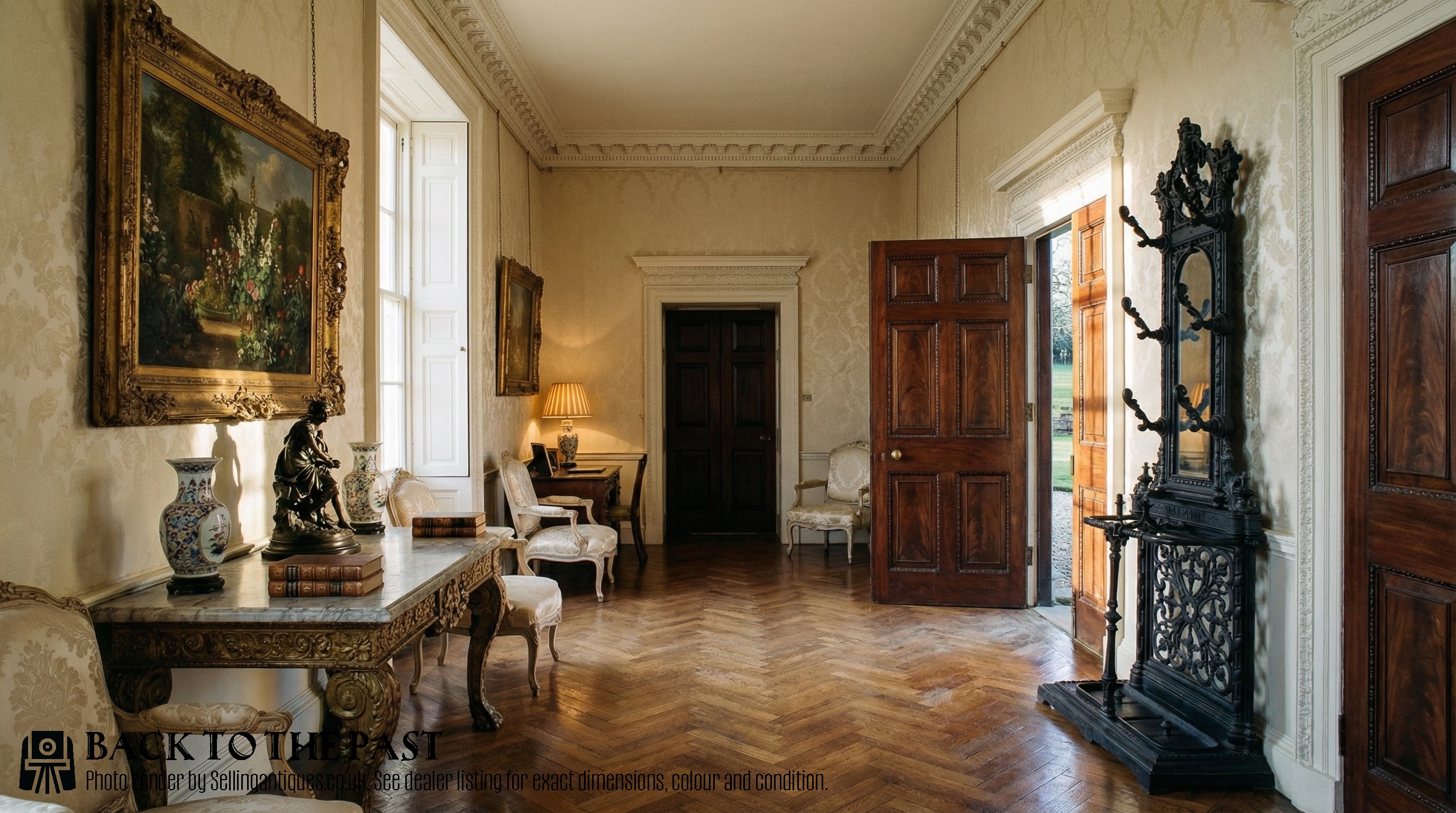
Antique Coat Stand with Mirror
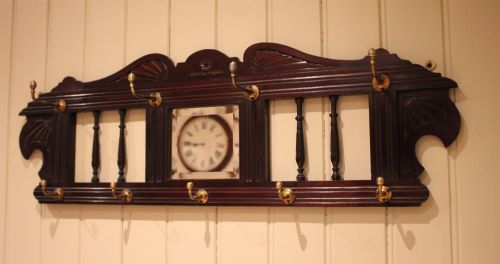
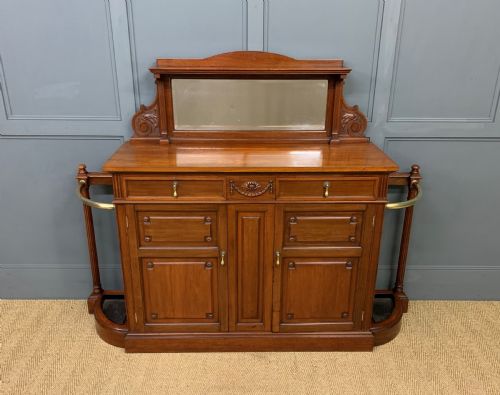
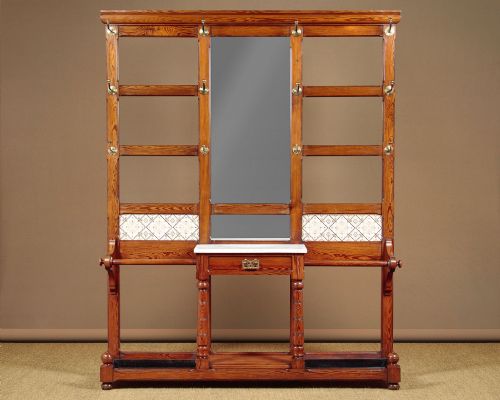
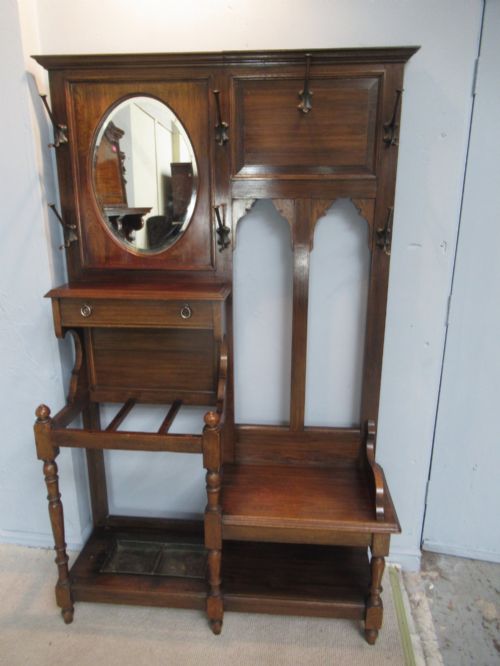
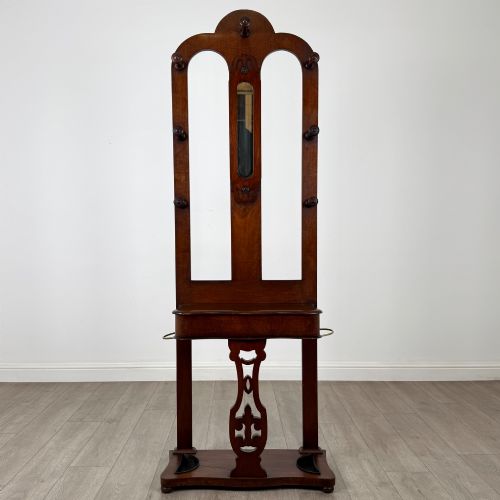
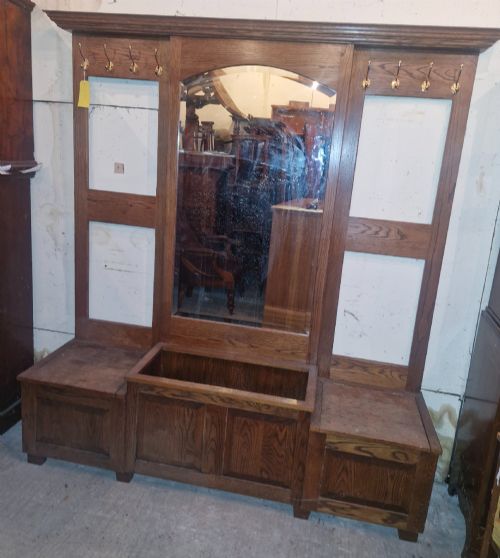
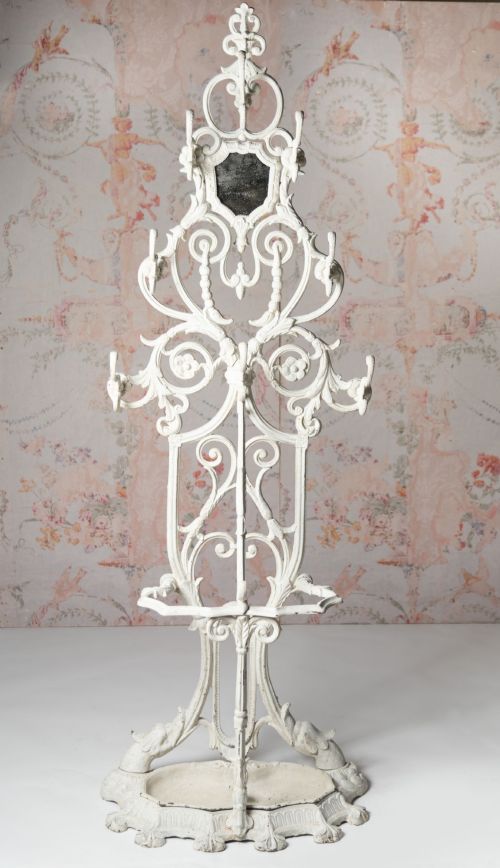
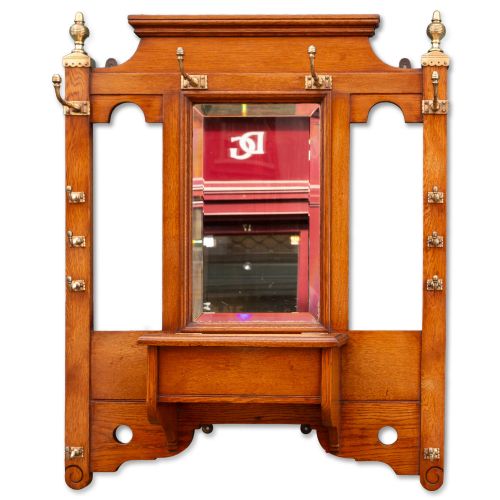
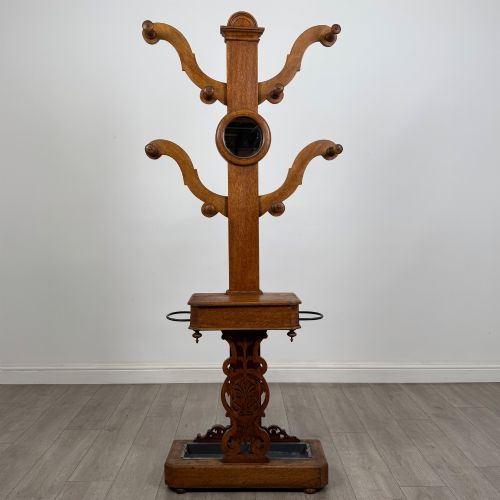
An antique coat stand with mirror serves as the functional greeting point in a hallway, designed to hold hats, coats, and walking sticks while reflecting light into narrow spaces. These pieces combine a vertical wooden or metal frame with an integrated mirror plate, often incorporating hooks and a lower tray for umbrellas.
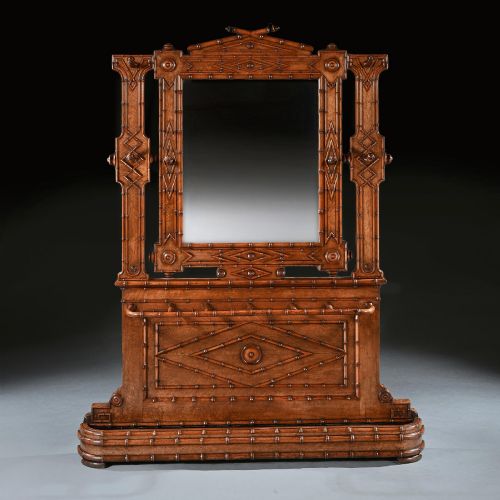
The pieces appearing on this page originate predominantly from the Victorian and Edwardian eras, alongside French workshops from the late nineteenth and early twentieth centuries. Oak and mahogany dominate the wooden examples, while cast iron and bamboo appear frequently in distinct stylistic variants.
How they were made
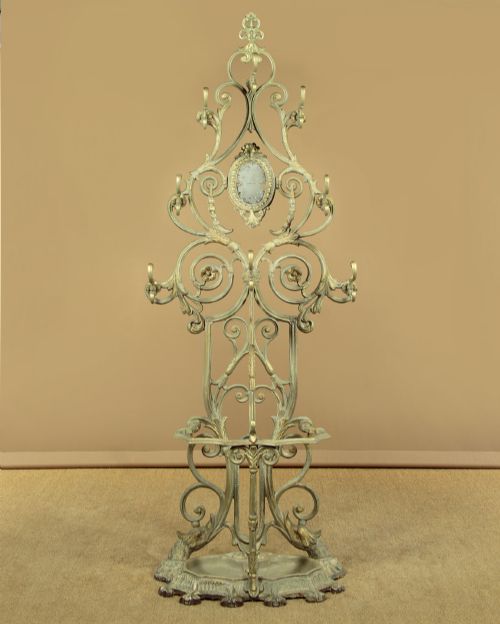
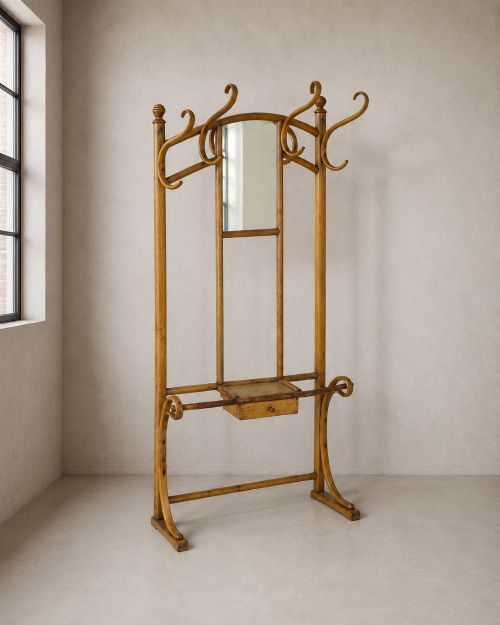
Cabinetmakers utilised solid timbers such as oak and mahogany, often incorporating carved ornamentation, applied mouldings, or contrasting inlays. Bentwood techniques shaped flexible materials like beech or bamboo into curved frames, while metal versions relied on cast iron or wrought iron components.
Mirrors were set with bevelled plates secured into the wooden or metal framework, accompanied by brass or cast metal hooks fastened for hanging garments. Lower sections frequently integrated marble shelves and metal drip pans to catch moisture from wet umbrellas.
Design styles represented here include Victorian Gothic Revival, Arts and Crafts, Art Nouveau, and French Art Deco.
What varies in quality
The distinction between standard utility pieces and finer examples rests upon the depth of the carving, the selection of timber, and the architectural ambition of the design. Elaborate iterations feature carved motifs such as Green Man masks, heavy brass hardware, and inset marble surfaces.
Structural integrity and the originality of the mirror plate and drip trays dictate the standing of an individual piece. Superior examples display cohesive styling, whether adhering to Aesthetic Movement, Arts and Crafts, or Art Nouveau principles.
Thonet·Coalbrookdale·Christopher Dresser
The Antique Coat Stand with Mirror Glossary
- Hallstand
- A substantial piece of hallway furniture combining a coat rack, mirror, and umbrella stand. These items were essential furnishings in traditional entrance halls.
- Portmanteau
- A comprehensive hallway furniture piece incorporating mirrors, hat hooks, and storage compartments. The term often describes French mirrored stands designed for coats and accessories.
- Faux bamboo
- Turned and painted wood simulating natural bamboo stems. This technique was popular in nineteenth-century French and English furniture production.
- Bentwood
- Wood softened by steam and bent into curved structural forms. Thonet manufacturing utilised this method to create lightweight stands.
- Bevelled plate
- Mirror glass with an angled, polished edge tapering towards the frame. This treatment adds depth and decorative refinement to the reflective surface.
Antique Coat Stand with Mirror: Frequently Asked Questions
Where should I place a coat stand?
These pieces belong in an entrance hall or vestibule where visitors arrive. They require sufficient wall space and clearance for hanging garments.
Position the stand away from direct dampness to protect wooden frames and mirror plates while keeping everyday coats easily accessible.
How do I care for the mirror?
Clean the glass gently using standard mirror cleaner applied to a cloth rather than sprayed directly onto the surface. This prevents moisture seeping behind the antique silvering.
Inspect the fixings periodically to ensure the heavy plate remains securely seated within its wooden or metal rebate.
Can these stands hold heavy coats?
Solid construction in oak, mahogany, and cast iron provides robust support for multiple heavy winter garments. The original brass or iron hooks are firmly anchored into the vertical boards.
Distribute weight evenly across the upper and lower hooks to maintain balance and prevent strain on the wall fastenings where applicable.
How do I identify the period?
Examine the timber species, decorative motifs, and hardware construction to determine the era of manufacture. Victorian pieces often display rich mahogany or heavy oak carvings, while Edwardian examples tend towards lighter oak and Arts and Crafts simplicity.
Stylistic cues such as Aesthetic Movement bamboo or Art Nouveau whiplash lines help narrow down the decade of production.