
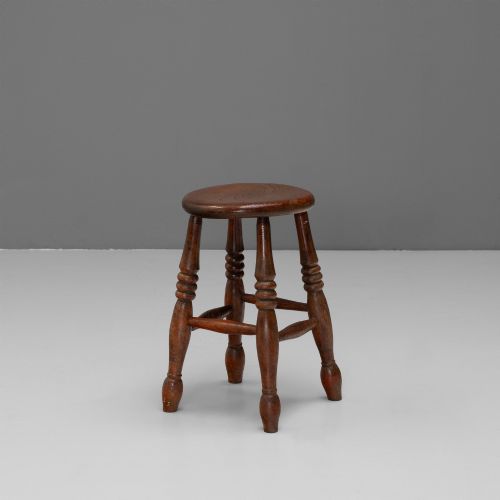
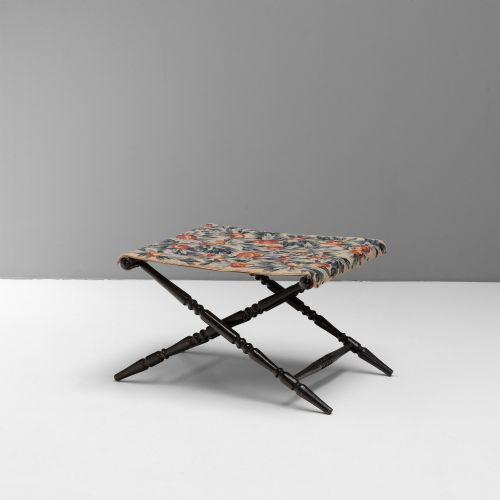
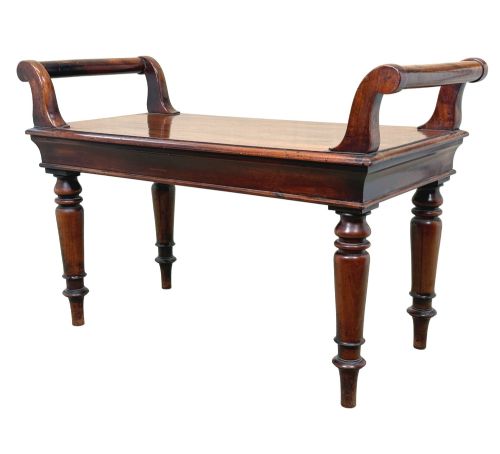
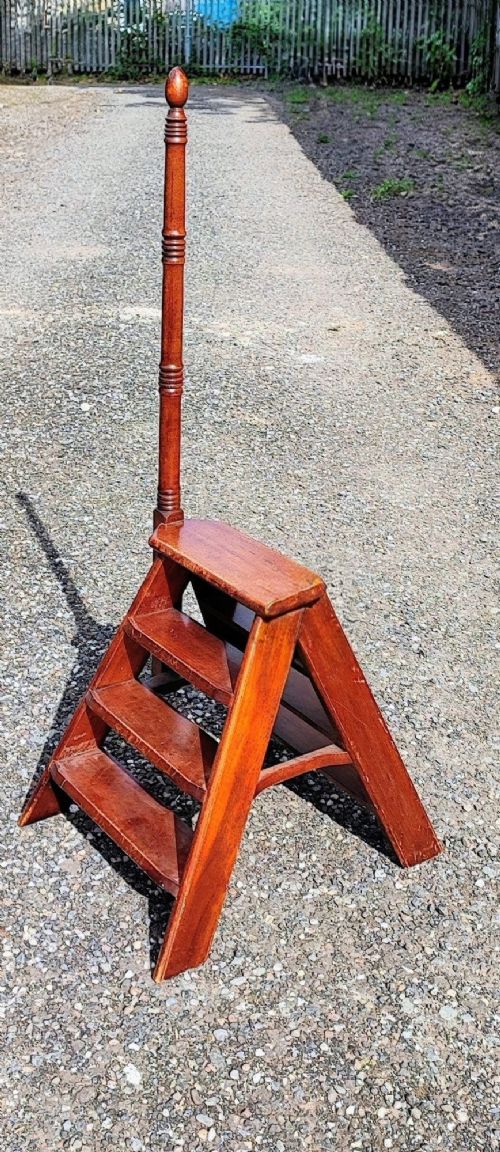
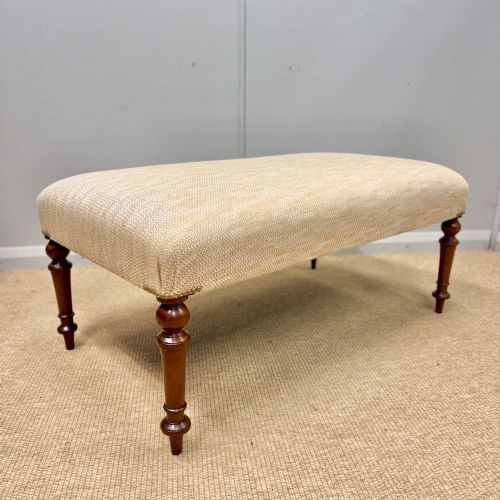
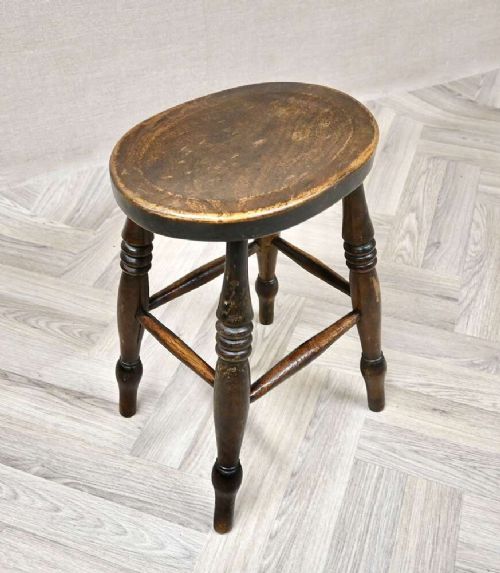
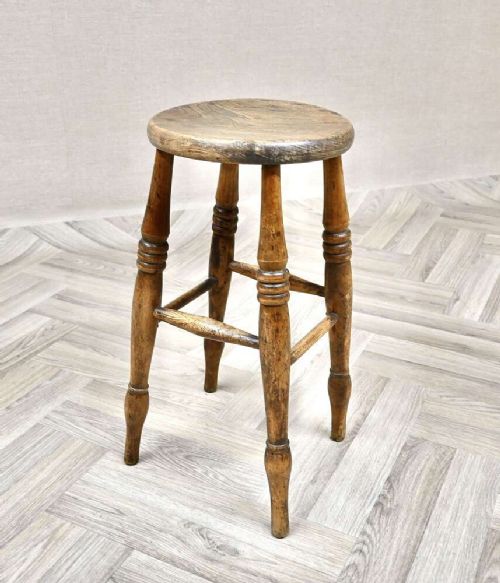
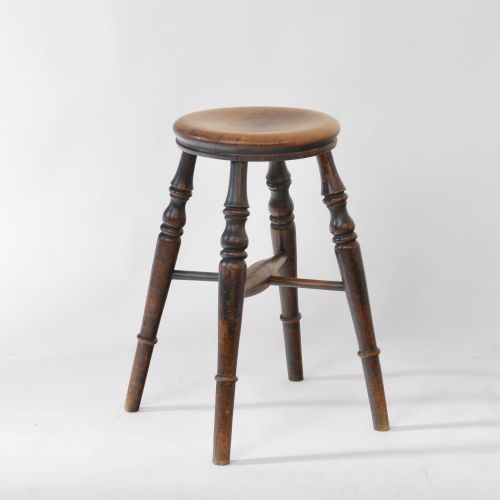
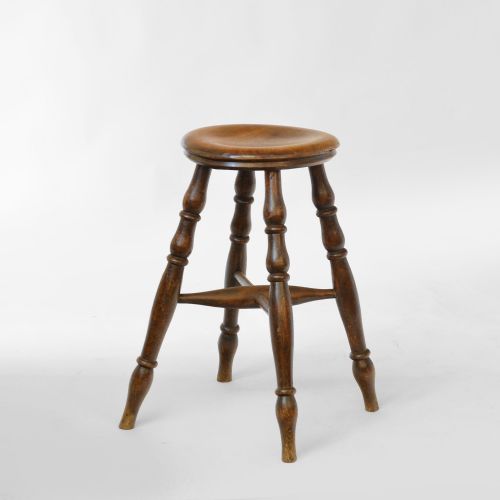
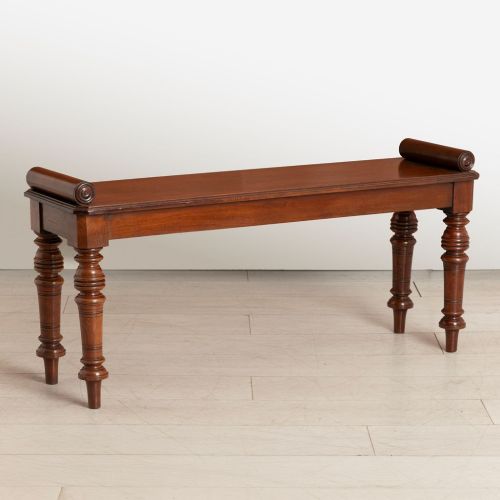
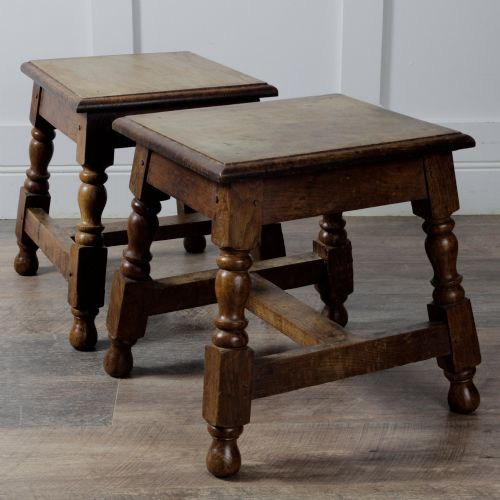
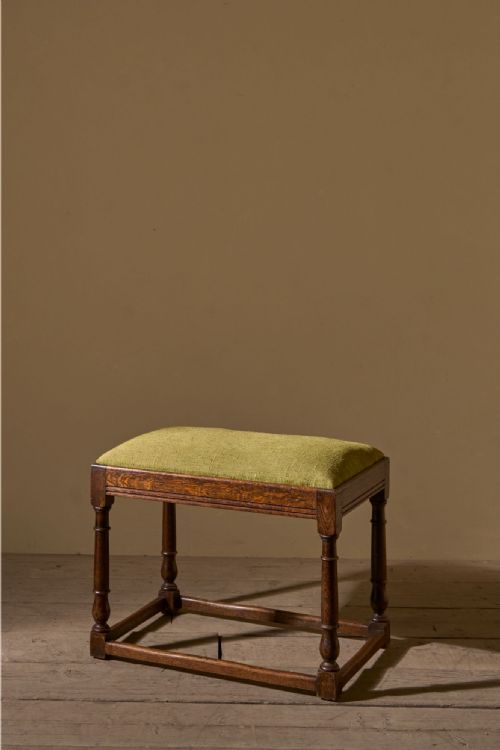
Victorian Turned Wooden Stool
A victorian turned wooden stool brings sturdy utility and honest craft to a room, offering simple seating shaped by nineteenth-century joinery.
Victorian Turned Wooden Stool
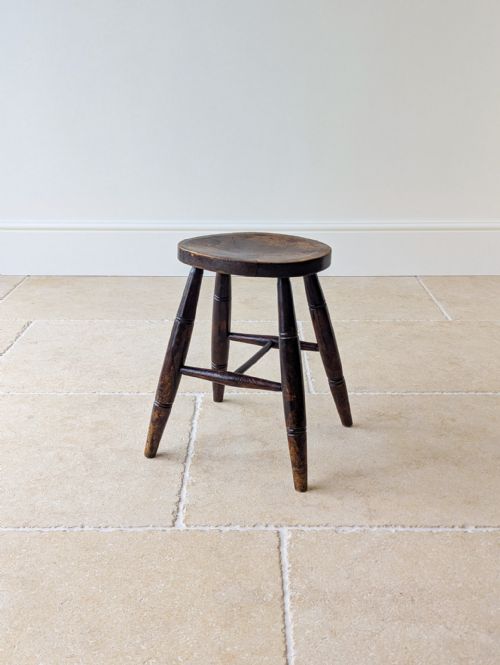
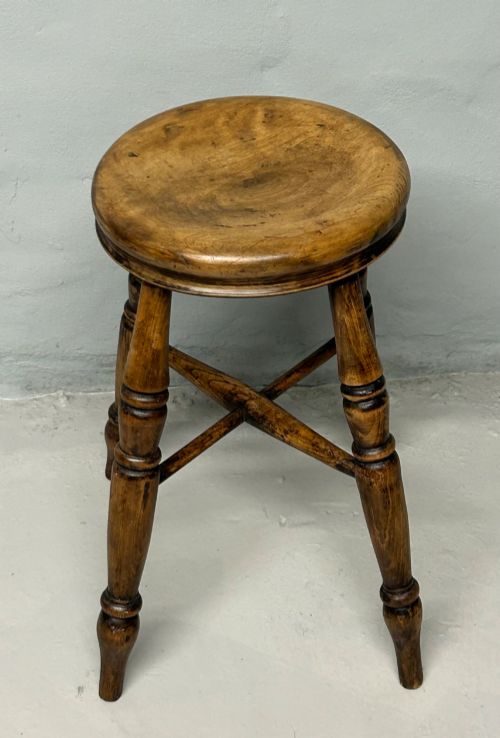
A victorian turned wooden stool is a practical domestic or commercial seat shaped by nineteenth-century craft, frequently found in forms such as tavern stools, dairy stools, and country seating.
The pieces listed on this page span the nineteenth century and early decades following, including periods like eighteen-eighty and eighteen-ninety alongside broader Victorian eras.
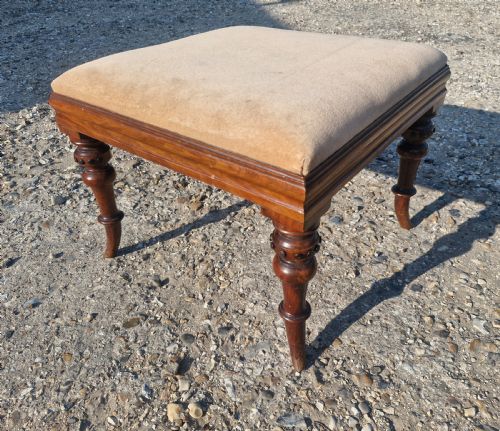
Buyers encounter diverse object types including footstools, bar stools, piano stools, and window seats, with simple wooden forms appearing alongside upholstered examples.
Materials and construction
Maker's workshops utilised domestic timbers such as oak, mahogany, elm, beech, ash, and walnut, selecting woods suited for strength and turning.
Lathe-turned legs and spindles provide structural support, often paired with solid timber seats or cane work.
Object forms span simple country stools, library steps, window seats, and revolving piano seats.
What separates quality in these pieces
The distinction between ordinary utility items and superior examples lies in the crispness of the lathe work and the selection of figured timber.
Integration of joints and the retention of original surface patination separate honest survivor pieces from heavily restored examples.
Brown & Lamont·Liberty & Co·Gillows
The Victorian Turned Wooden Stool Glossary
- Turned
- Shaped on a lathe by rotating the timber against a cutting tool. This technique creates cylindrical legs, stretchers, and decorative spindles.
- Joint stool
- A rigid wooden stool constructed with mortise and tenon joints rather than turned legs driven into a seat. These sturdy seats date back centuries and were built to endure.
- Dished top
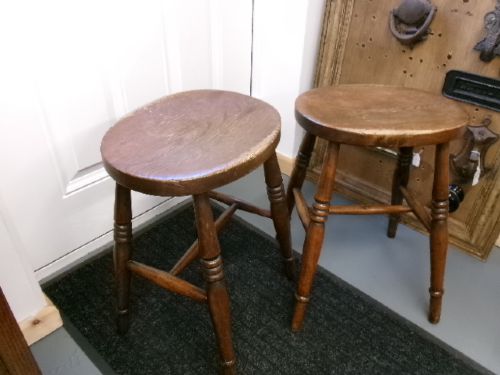
- A wooden seat hollowed into a shallow concave curve for comfort. Tavern and dairy stools frequently feature this carved depression.
- Bobbin turned
- A style of furniture turning resembling a string of wooden bobbins or spools. This decorative detail appears on nineteenth-century revival pieces.
Victorian Turned Wooden Stool: Frequently Asked Questions
How were these stools used?
These pieces served practical daily functions in domestic kitchens, public taverns, and workshops. Tall versions suited clerks and pub counters, while low forms served dairies and hearths.
Footstools and piano stools accommodated domestic leisure, whilst luggage stands supported guest belongings in bedrooms.
How do I identify a tavern stool?
Tavern stools typically feature sturdy turned legs braced by stretchers to withstand heavy commercial use. Many display an oval dished top designed for seating.
Sycamore, beech, and elm woods appear frequently in these public house pieces, chosen for durability.
Are piano stools adjustable?
Victorian piano stools often incorporate revolving mechanisms allowing the seat height to be adjusted for the musician. Mahogany and walnut woods frequently form these refined music room seats.
Swivel actions rely on threaded wooden or metal spindles concealed beneath the upholstery.
How do I care for antique wood?
Keep wooden stools away from direct heat sources and rapid humidity shifts to prevent timber splitting. Gentle dusting and occasional application of appropriate wax maintain the finish.
Avoid excessive moisture on unsealed timber surfaces and cane seats.