


Victorian Turned Wood Rack
These victorian turned wood rack items and related stands are practical home furnishings prized for their warm timber grain and functional design.
Victorian Turned Wood Rack
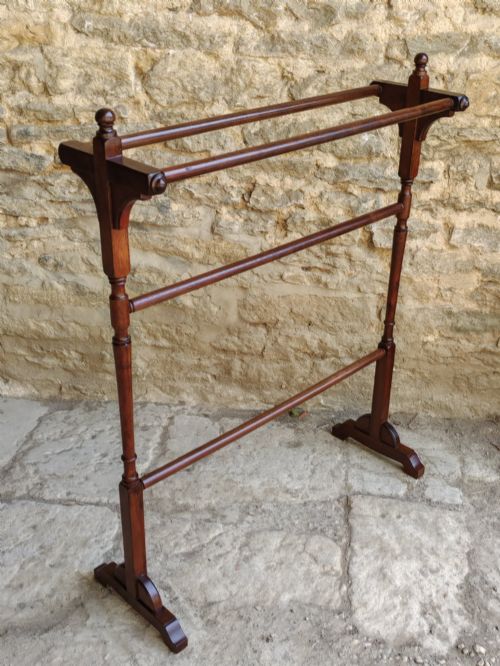
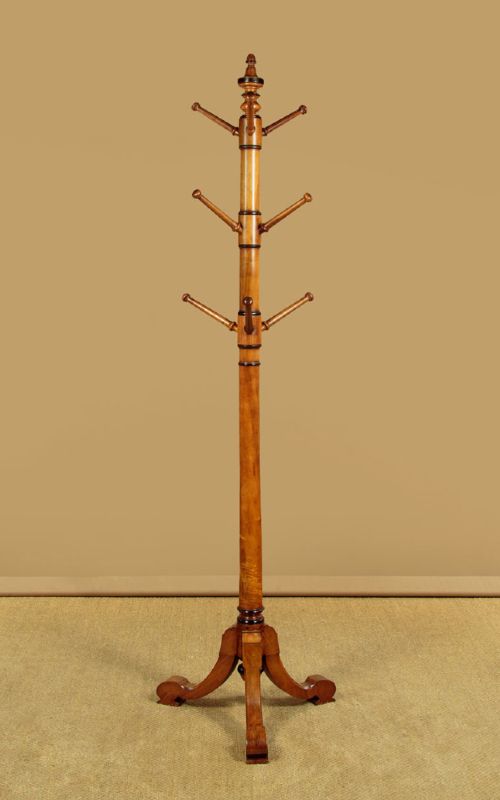
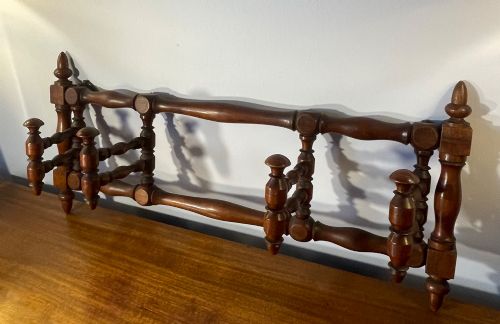
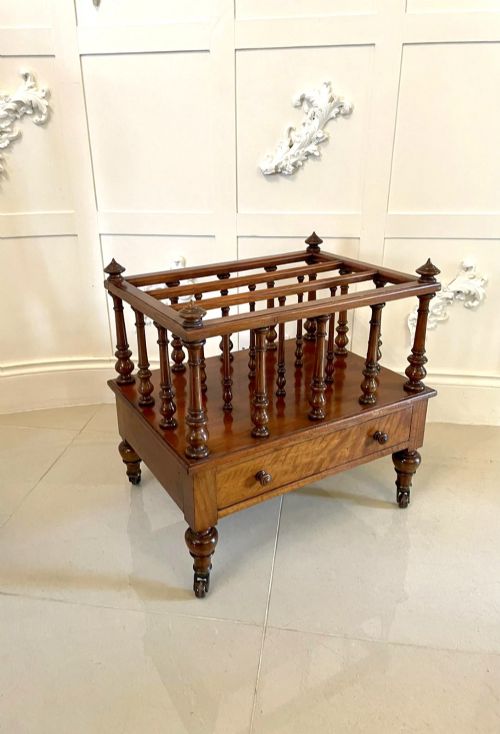
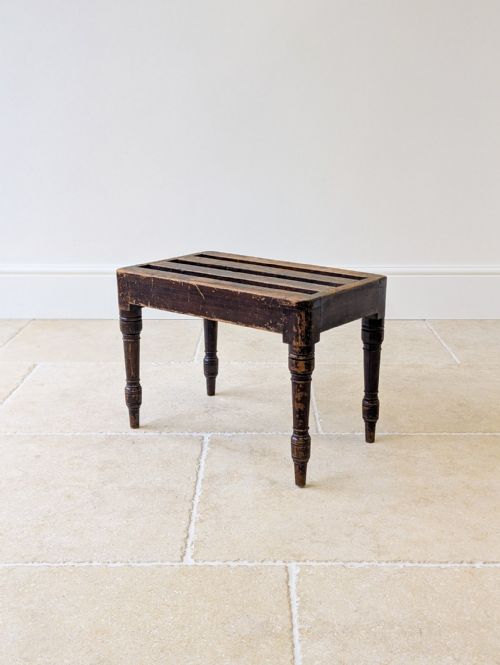
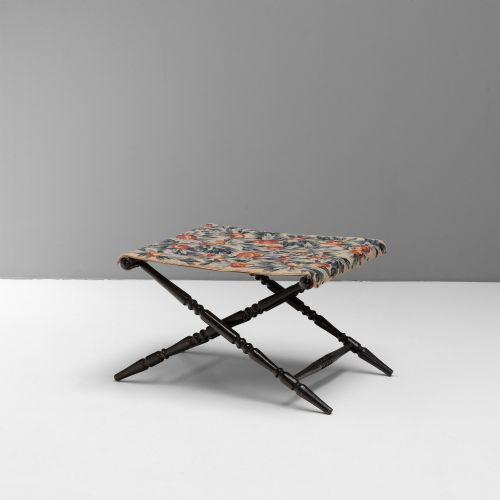
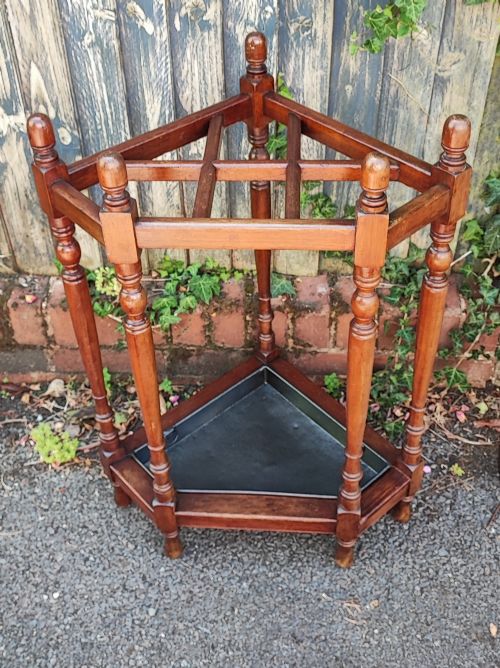
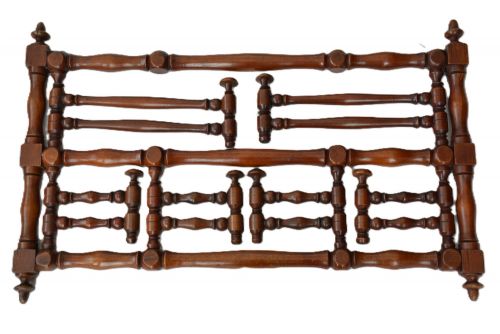
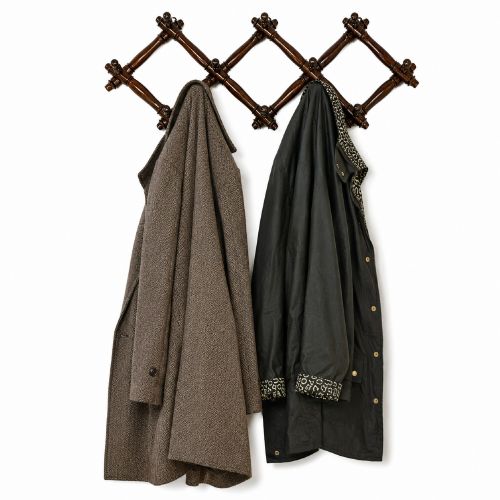
A victorian turned wood rack encompasses various domestic storage forms created during the nineteenth century, including wall shelves, hall trees, coat stands, luggage racks, and canterburys.
The selections on this page span several decades of production from the early nineteenth century through to the Edwardian era, featuring distinct regional influences such as French chateau and Victorian Gothic revival.
Buyers frequently encounter functional hall furniture and display pieces built to organise garments, headwear, walking sticks, umbrellas, and reading materials in domestic hallways and parlours.
How they were made
Cabinet makers utilised a diverse selection of dense timbers including mahogany, rosewood, walnut, satin birch, ash, beech, and cherry wood, often finished with turned wooden spindles and applied brass details.
Construction techniques combined traditional joinery with lathe-turned elements, producing sturdy frames designed to support heavy garments, books, or luggage without sacrificing decorative elegance.
Items include dedicated tack room whip stands and clay pipe holders for Victorian smokers.
What varies in quality
Excellence in these items rests upon the selection of timber figures, the crispness of the lathe turning, and the integrity of the original joints and structural mounts.
Pieces from renowned workshops or those incorporating unusual forms like revolving bootstands and clay pipe holders demonstrate greater design ambition than standard utility items.
Brown and Lamont·Gillows·Shoolbred
The Victorian Turned Wood Rack Glossary
- Whatnot
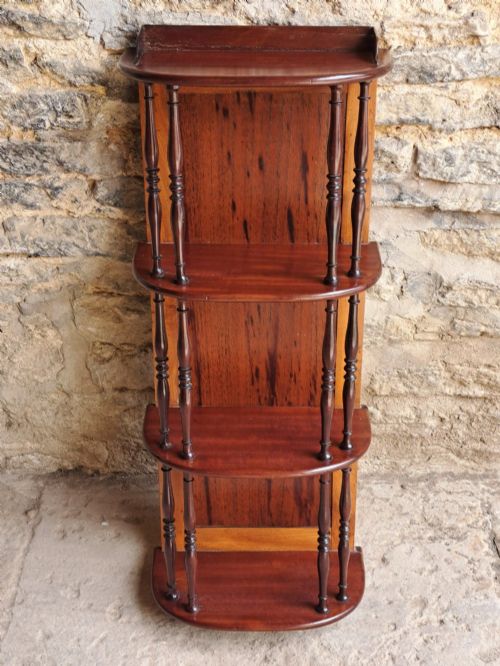
- A set of open shelves supported by pillars used for displaying ornaments or holding books. These items frequently appear with three or four tiers.
- Treen
- Small handmade wooden domestic objects produced prior to the widespread use of plastics. Examples include coopered pipe stands and tobacco boxes.
- Luggage stand
- A folding or rigid low table with webbing or wooden slats designed to hold a travelling trunk at a convenient height.
Victorian Turned Wood Rack: Frequently Asked Questions
How were canterburys used in Victorian homes?
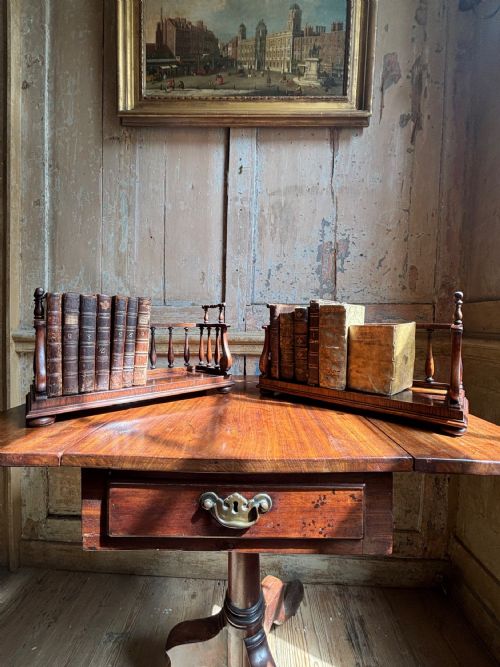
Canterburys were placed beside seating areas in the parlour to hold unbound sheet music, newspapers, and current journals.
Their divided upper sections kept paper goods upright and accessible while guests gathered for musical evenings.
What is the difference between a whatnot and a wall shelf?
Whatnots are freestanding multi-tiered display structures that stand on the floor, often supported by turned columns or castors.
Wall shelves are specifically designed to be mounted directly onto room walls to save floor space while displaying small objects.
Where were hall trees placed in a house?
Hall trees were positioned immediately inside the main entrance vestibule or hallway of a nineteenth century home.
They provided arriving guests with a convenient spot to hang coats, hats, and stow wet umbrellas.
How do I care for antique turned wood furniture?
Protect the timber surfaces by keeping them away from direct heat sources and strong sunlight which can dry out the polish.
Apply natural beeswax occasionally and buff gently with a soft cloth to maintain the grain lustre.