
Victorian Tufted Lounge Chair
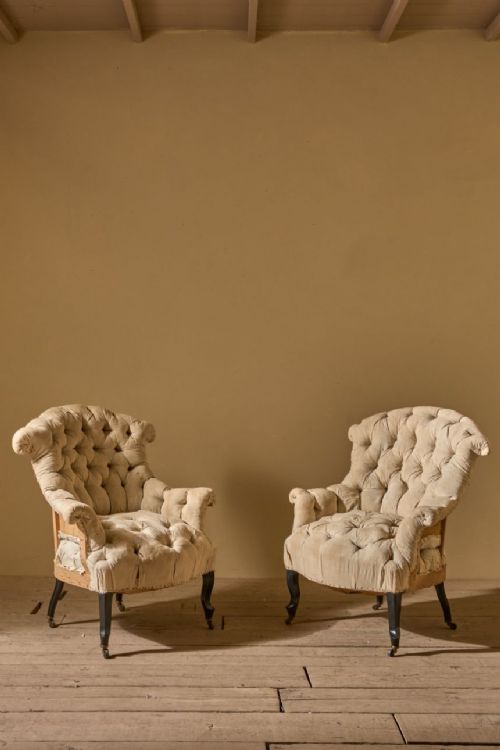
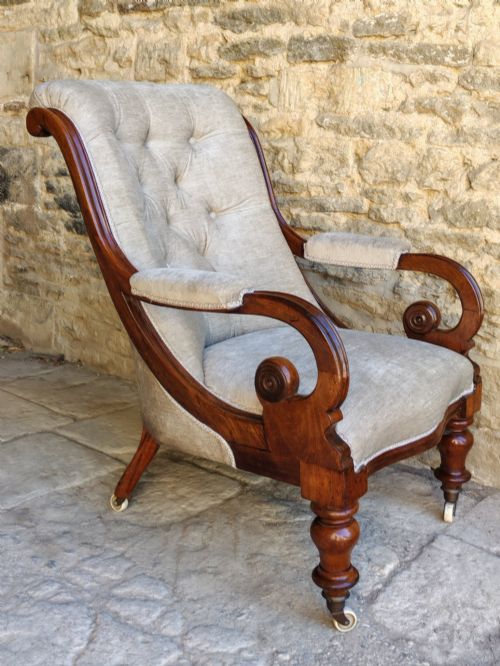
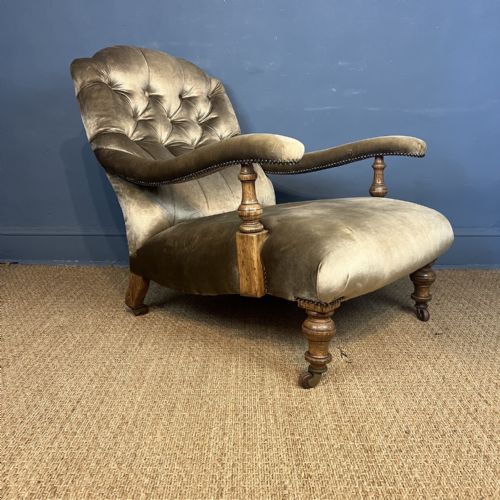
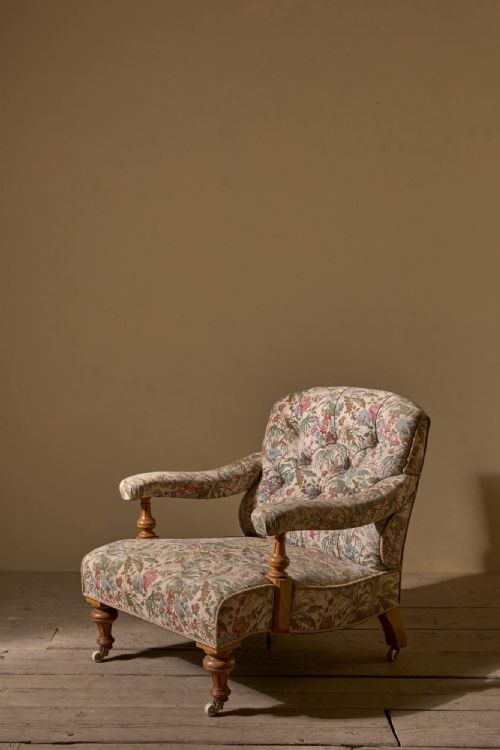
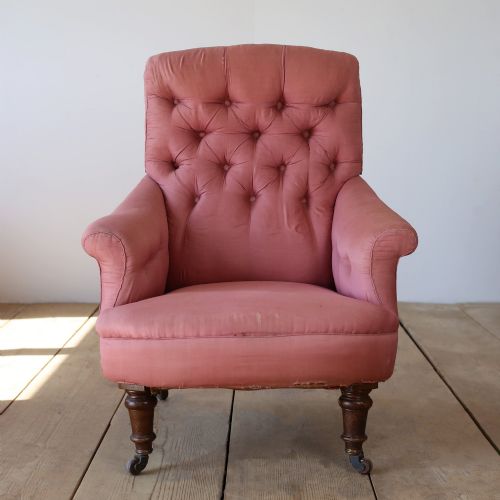
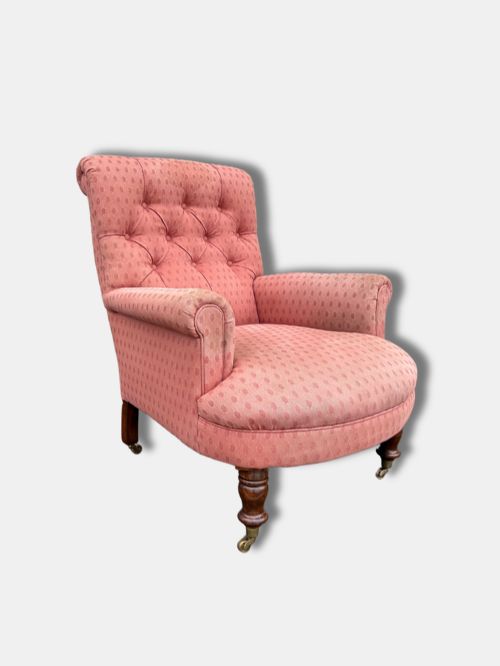
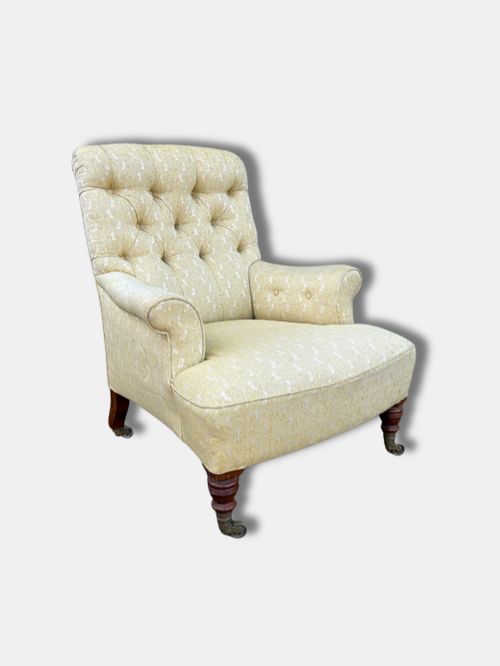
A victorian tufted lounge chair brings deep-buttoned upholstery and sprung comfort to a drawing room or study.
Victorian Tufted Lounge Chair
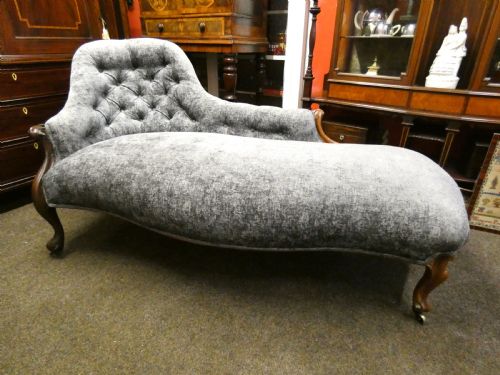
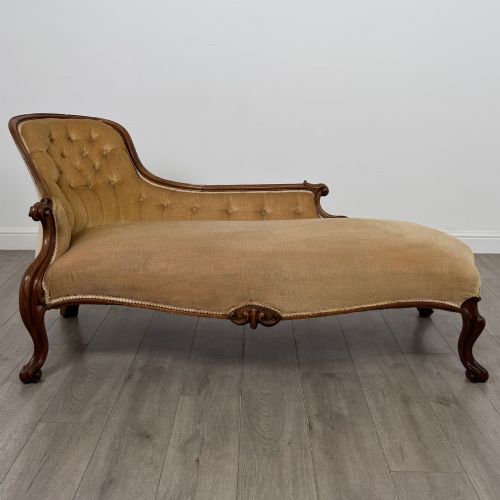
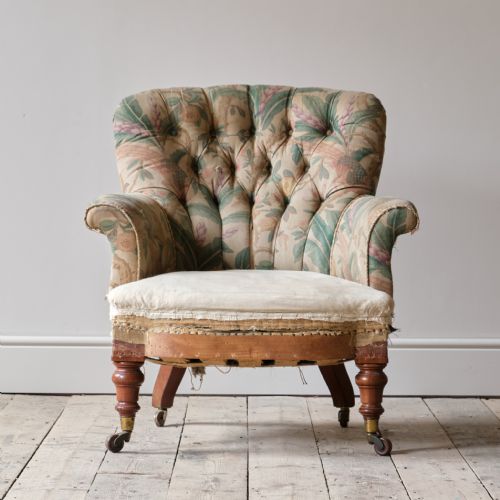
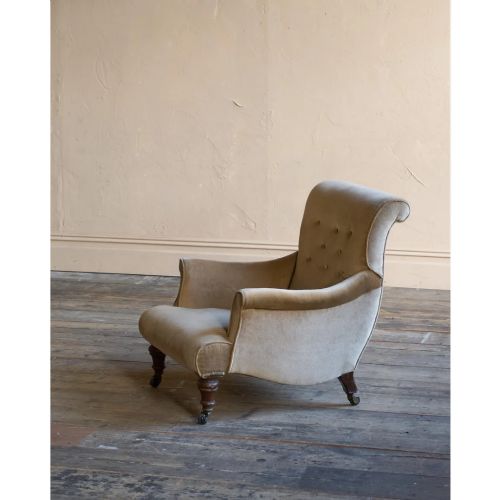
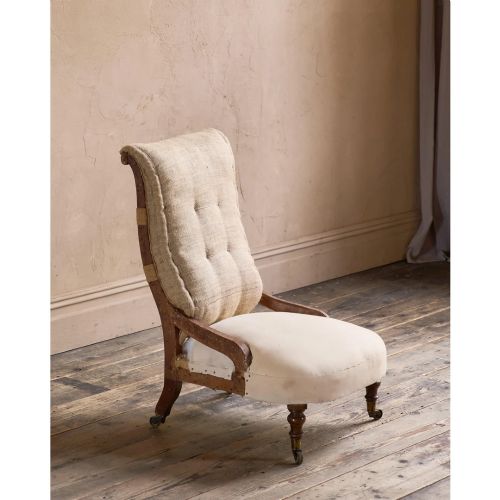
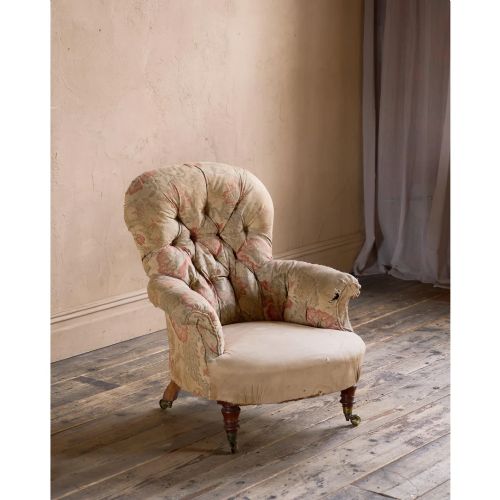
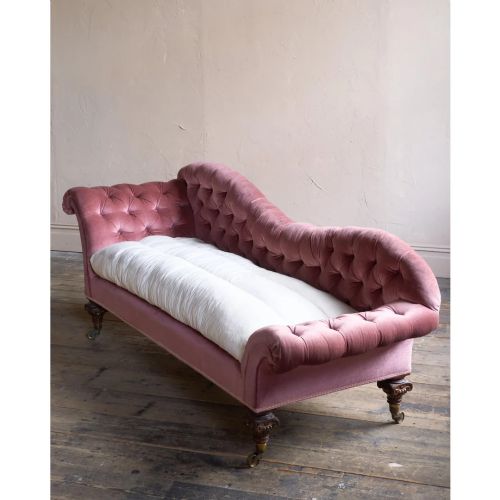
When you search for a victorian tufted lounge chair, you encounter a variety of nineteenth-century seating forms built for relaxation, including button-backed armchairs, gentleman's chairs, and chaise longues. The listings show examples spanning the Victorian period alongside related nineteenth-century styles such as Regency, Napoleon III, and Victorian Rococo Revival.
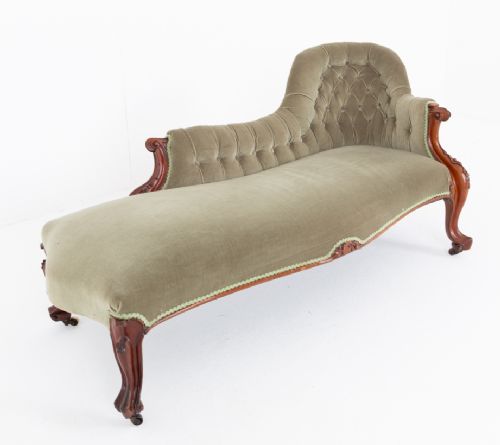
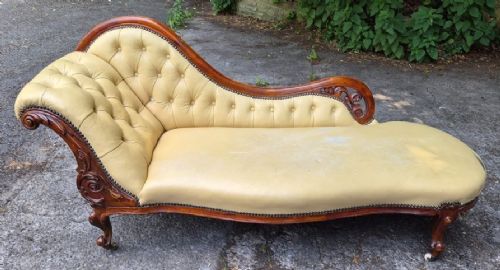
The most common versions on this page are button-backed armchairs and daybeds or chaises constructed during the 1850s, 1860s, 1870s, and 1880s. These pieces range from country house armchairs to refined rosewood, walnut, and mahogany showwood frames upholstered in velvet, leather, and fabric.
How they were made
Frames are constructed from dense timbers such as mahogany, walnut, rosewood, oak, and timber, frequently featuring carved showwood details, bobbin turnings, barley twists, or ionic column legs. Brass fittings and castors often support the heavier lounge and armchair frames.
Upholstery relies on traditional techniques incorporating buttoning, deep tufting, and sprung foundations, finished with textiles like velvet, leather, and fabric, sometimes trimmed with fringe.
Listings feature frames in walnut, mahogany, rosewood, and oak, alongside variants upholstered in velvet, leather, and fabric.
What varies in quality
The distinction between standard production and superior work lies in the sculptural ambition of the timber frame and the precision of the showwood carving. Finer frames exhibit crisp detailing in rosewood, walnut, or mahogany, whereas utilitarian pieces rely on simpler timber structures.
Upholstery execution dictates the success of the piece, with tightly executed buttoning and balanced tufting separating master upholsterers from provincial makers. The integrity of the underlying frame construction and the preservation of original showwood surfaces determine the overall character.
Howard and Sons·Holland and Sons·Hindley and Sons
The Victorian Tufted Lounge Chair Glossary
- Button back
- A style of upholstery where buttons are pulled deep into the padding in a diamond grid pattern to create tufting. This technique secures the stuffing and provides firm support.
- Showwood
- Exposed timber framing on an upholstered chair where polished wood forms part of the visual design. It highlights the grain of walnut, mahogany, or rosewood.
- Chaise longue
- An elongated upholstered seat designed for reclining, combining a chair and a footstool into a single piece of furniture. They often feature a single raised end and scrolled arms.
- Spoon back
- An upholstered chair back shaped in a concave oval resembling the bowl of a spoon. This mid-nineteenth-century form fits the contour of the human spine.
- Barley twist
- A carved wooden furniture leg or stretcher resembling a spiral rope. It is turned on a lathe to create a twisting decorative effect.
Victorian Tufted Lounge Chair: Frequently Asked Questions
How do I identify a Victorian armchair?
Look for dense timber frames made from mahogany, walnut, or rosewood, combined with deep buttoned upholstery. Stylistic cues include turned legs, brass castors, and curved showwood.
Check for traditional joinery methods and materials beneath the fabric where possible. The proportions and weight of the timber frame typically point to nineteenth-century production.
Where should I place a chaise longue?
A chaise longue suits a spacious drawing room, master bedroom, or library where it can sit away from the walls. Its elongated form allows for reclining while maintaining a formal silhouette.
Ensure there is enough clearance around the piece to appreciate its carved showwood frame and upholstered lines from multiple angles.
How do I care for antique leather upholstery?
Dust the leather regularly with a soft cloth and feed it periodically with a suitable conservation wax or leather conditioner. Avoid placing the chair in direct sunlight or near heat sources to prevent cracking.
Handle the buttoned tufts gently during cleaning to avoid loosening the tension of the original thread work.
What is the difference between a slipper chair and a gentleman's chair?
A slipper chair sits lower to the ground and traditionally lacks arms, originally designed for dressing rooms. A gentleman's chair is a larger, padded armchair with open or closed arms built for a study or drawing room.
Both types frequently feature buttoned upholstery, but their scale and intended placement in the historic home differ significantly.