


Victorian Tufted Bedroom Chair
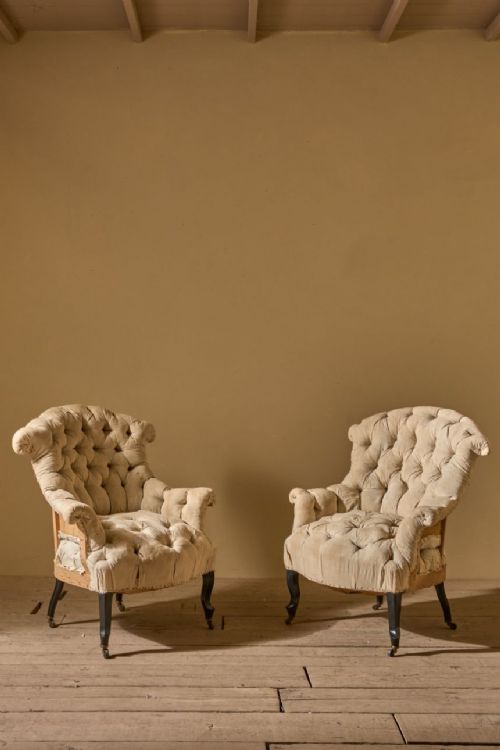
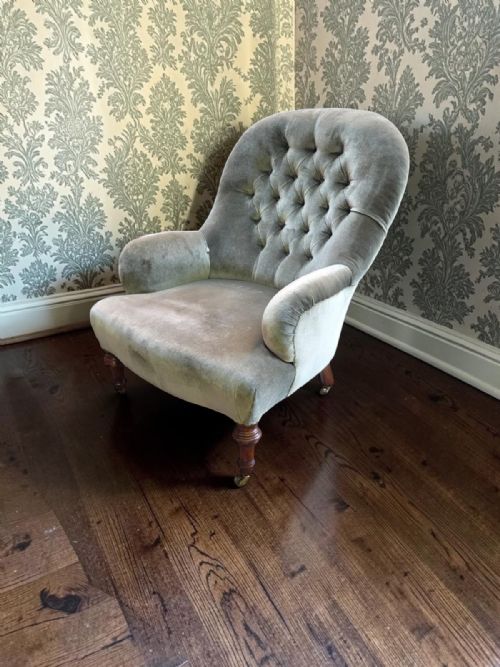
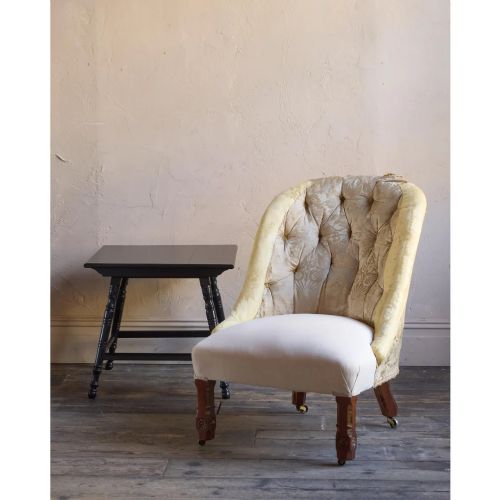
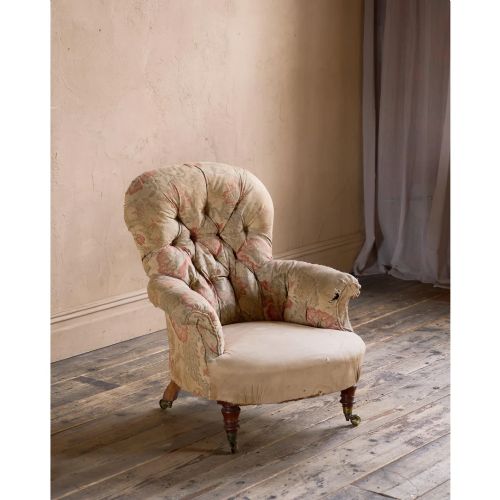
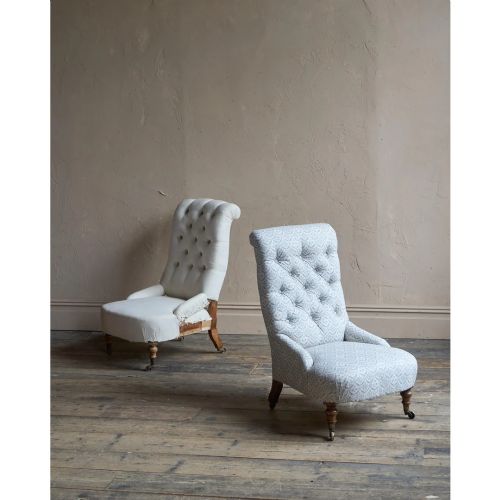
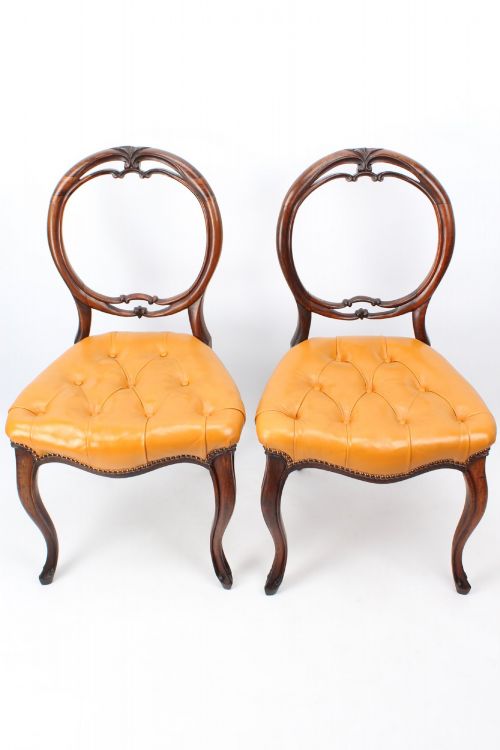
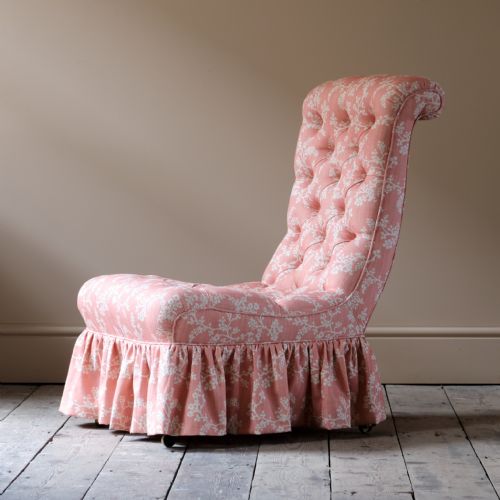
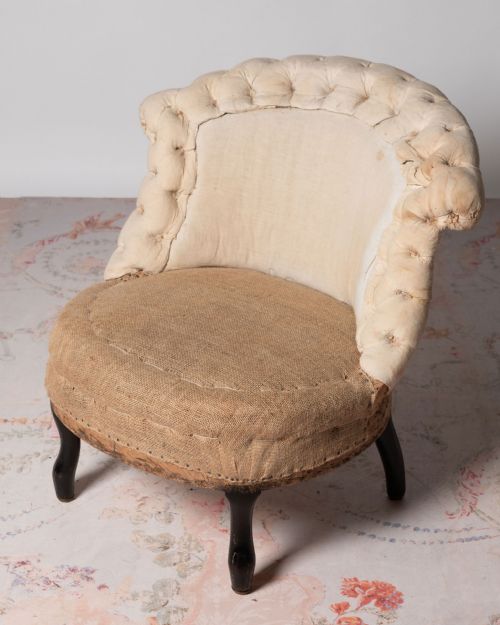
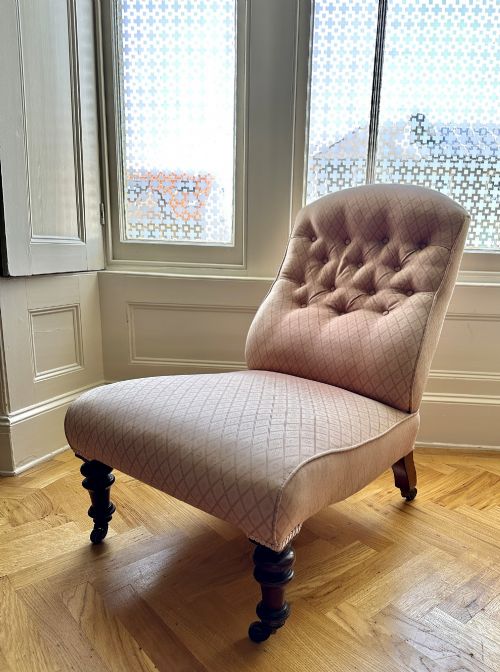
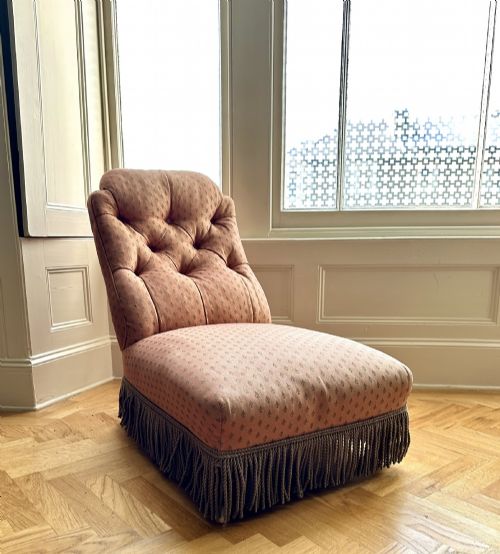
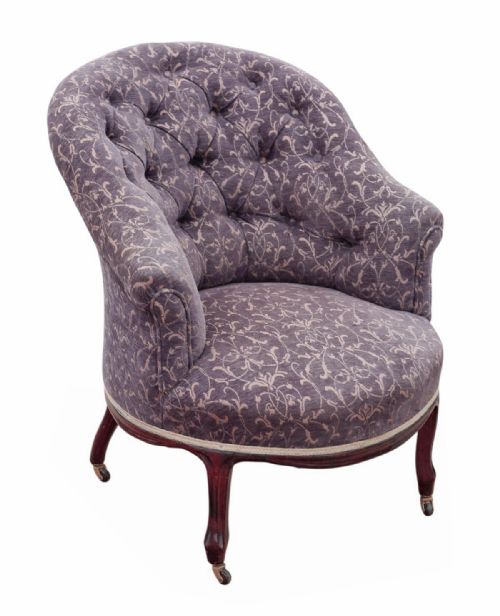
A victorian tufted bedroom chair brings deep upholstery and buttoned comfort to the private chambers of the nineteenth century.
Victorian Tufted Bedroom Chair
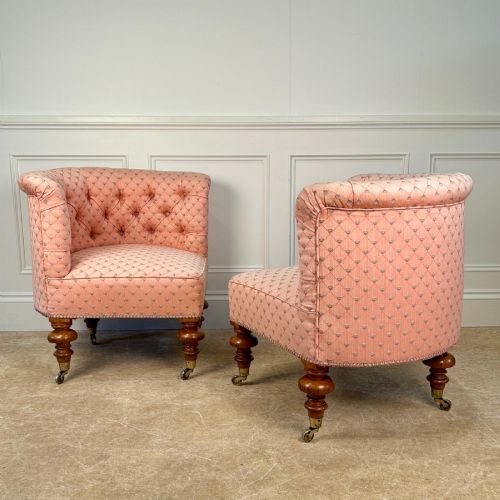
A victorian tufted bedroom chair primarily spans the nineteenth century, including specific periods from eighteen fifty to eighteen ninety alongside Edwardian examples. These low-slung seats often take the form of slipper chairs, nursing chairs, ladies chairs, and compact armchairs designed for private rooms.
The silhouettes vary from balloon backs and spoon backs to tub chairs and occasional seats, reflecting diverse regional tastes and French influences such as Napoleon III and Louis XV Revival styles. Walnut, rosewood, and mahogany provide the primary timber foundations for these upholstered pieces.
Materials and Construction
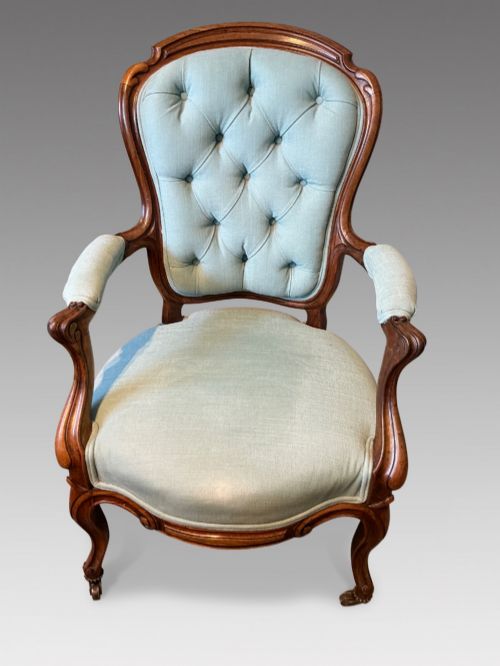
Makers built the frames of a victorian tufted bedroom chair using hardwoods like walnut, mahogany, rosewood, oak, and timber, sometimes incorporating iron or brass elements. Carved details, gilt finishes, and ebonised surfaces often adorn the structural woodwork.
Upholstery defines the genre, utilising fabrics such as velvet and leather stretched over button-backed and tufted springs or padding. Fringes, ceramic castors, and precise buttoning complete the traditional assembly.
Some chairs hid their castors in brass shoes so they could glide silently across the bedroom floor without disturbing the morning quiet.
Assessing Quality
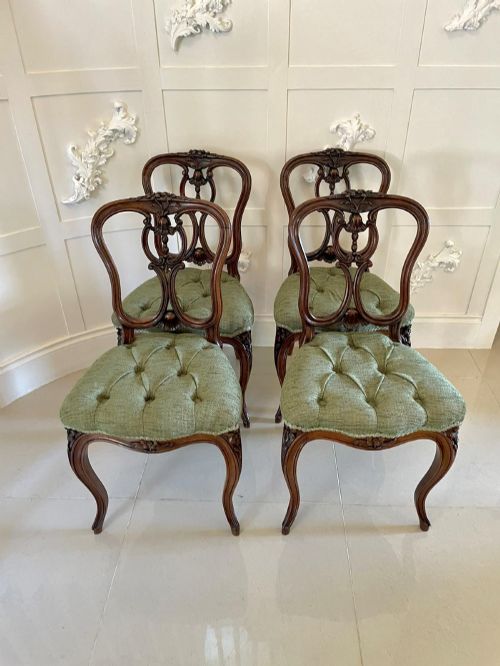
Excellence in a victorian tufted bedroom chair rests upon the crispness of the timber carving and the integrity of the underlying frame construction. Finer examples display superior joinery, such as solid walnut or rosewood frames rather than simpler secondary woods.
The sophistication of the upholstery work, including the regularity of the buttoning and the choice of premium textiles like velvet or leather, separates standard production from exceptional workshop output.
Holland and Sons·Howard and Sons·Gillows
The Victorian Tufted Bedroom Chair Glossary
- Button back
- An upholstery technique where depressions are formed in the padding by pulling threads through to the frame and securing them with buttons, creating a tufted surface.
- Slipper chair
- A low-seated upholstered chair originally designed for ladies' bedrooms to facilitate dressing.
- Nursing chair
- A low armchair with an upholstered seat designed for comfort while holding infants, prevalent during the nineteenth century.
- Spoon back
- A chair back shaped like the bowl of a spoon, curved to fit the human spine and typically edged with carved wood.
- Tub armchair
- A fully upholstered chair with a continuous curved back and arms forming a barrel-like enclosure.
Victorian Tufted Bedroom Chair: Frequently Asked Questions
Where were these chairs used?
These seating pieces were primarily positioned in private bedrooms, dressing rooms, and intimate parlours rather than formal reception rooms.
Their compact scale and low profiles suited personal domestic spaces where comfort and ease of dress were prioritized.
How do I identify a nursing chair?
Nursing chairs are characterised by their unusually low seats and absence of high wooden arms, which allowed women in voluminous nineteenth-century dresses to sit comfortably.
They frequently feature spoon backs or buttoned upholstery supported on short timber legs.
What is a slipper chair?
A slipper chair is an upholstered seat standing close to the floor, traditionally kept in a bedroom for changing shoes.
These pieces typically lack arms and emphasise deep padding or tufted upholstery over a compact frame.
How do I date these chairs?
Dating relies on stylistic shifts from early Victorian rosewood frames to later Edwardian variations, alongside wood choices like mahogany and walnut.
Details such as iron framing, ceramic castors, and specific revival styles help narrow the decade of production.