

Victorian Tripod Stand
These pieces gather the compact ingenuity of a victorian tripod stand, offering stable surfaces and adjustable heights for lamps, wine, or music.
Victorian Tripod Stand
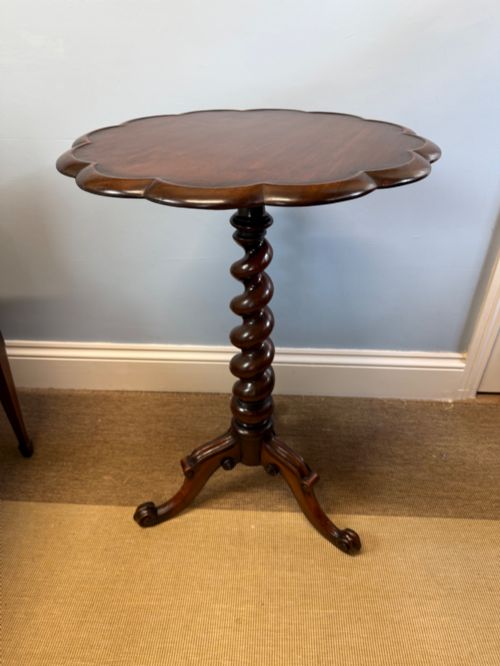
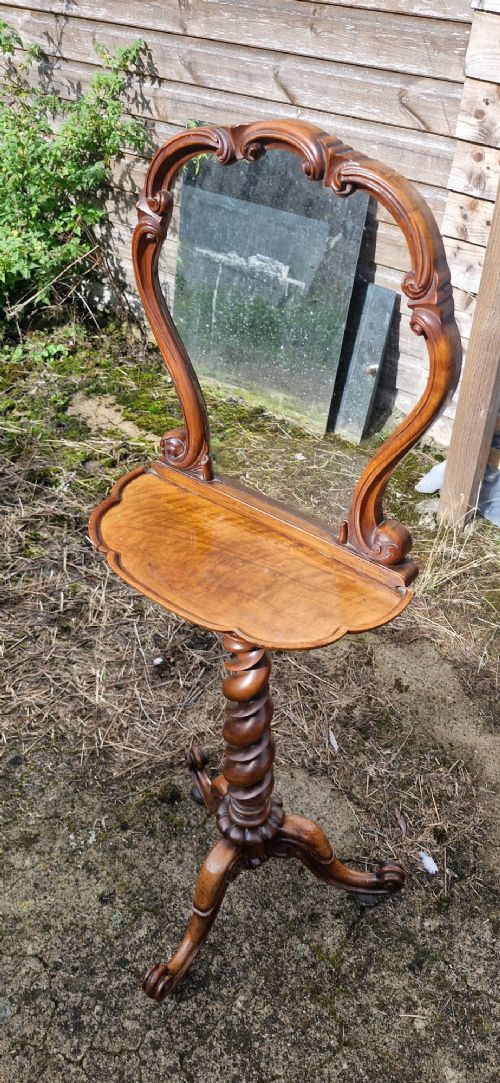
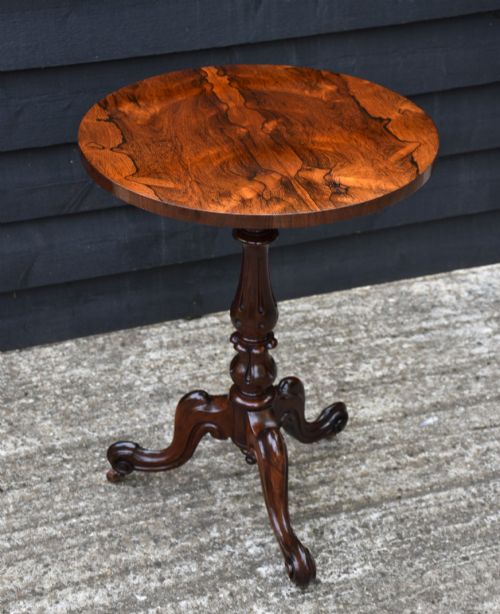
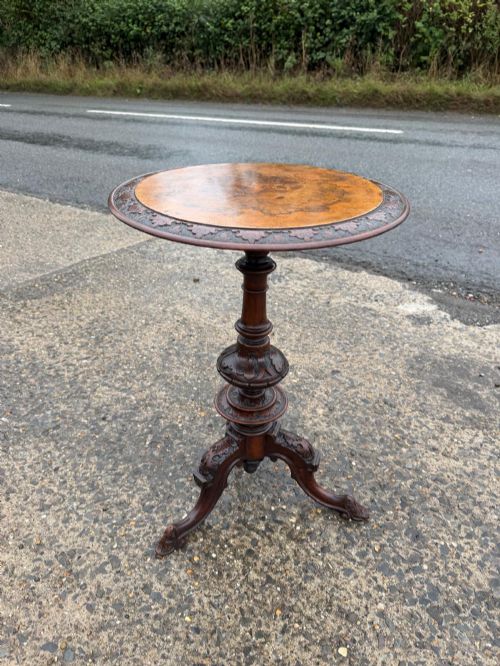
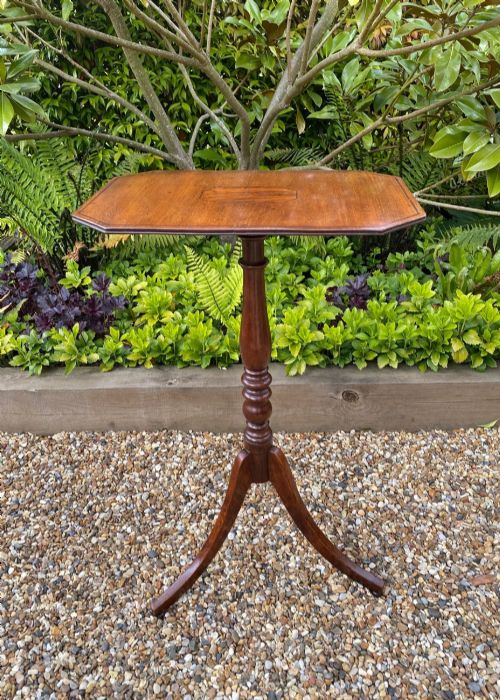
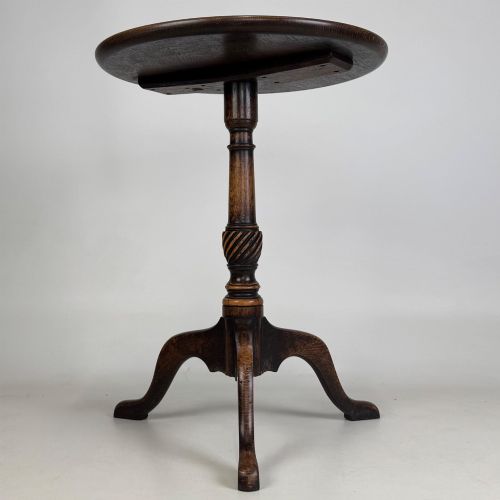
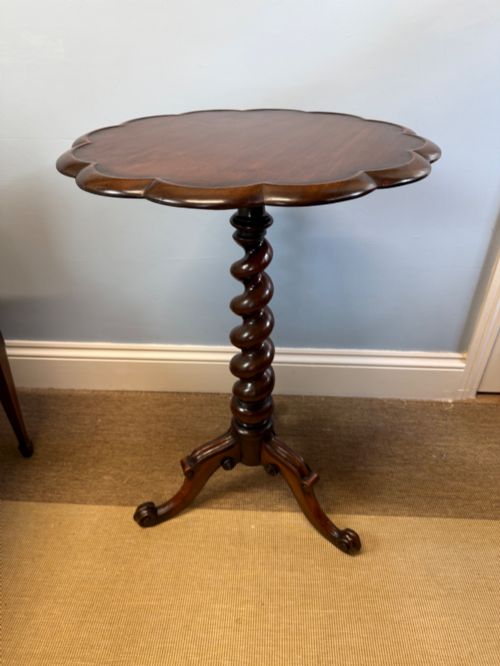
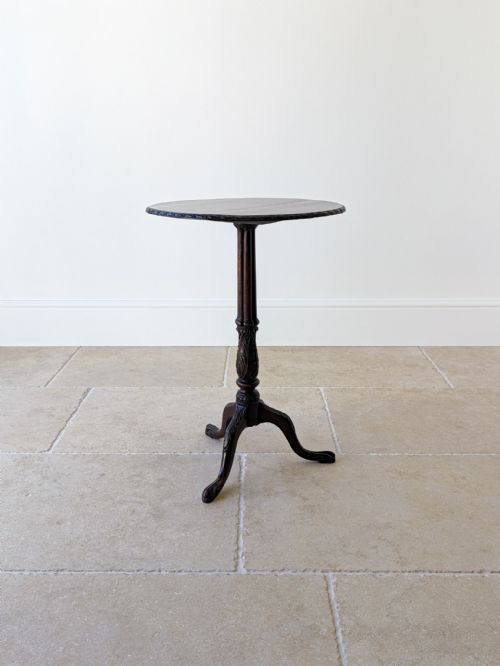
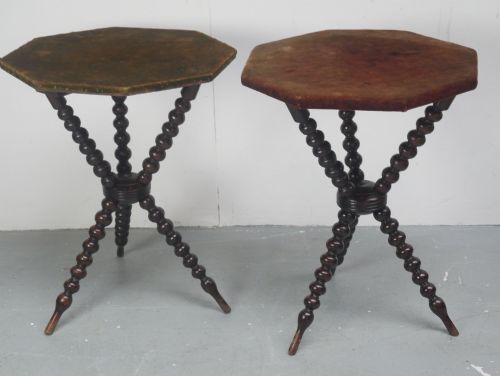
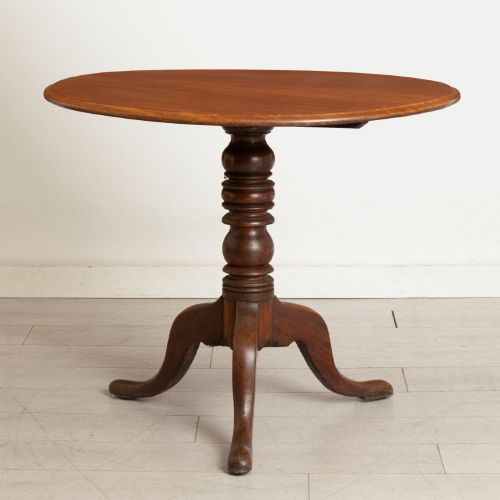
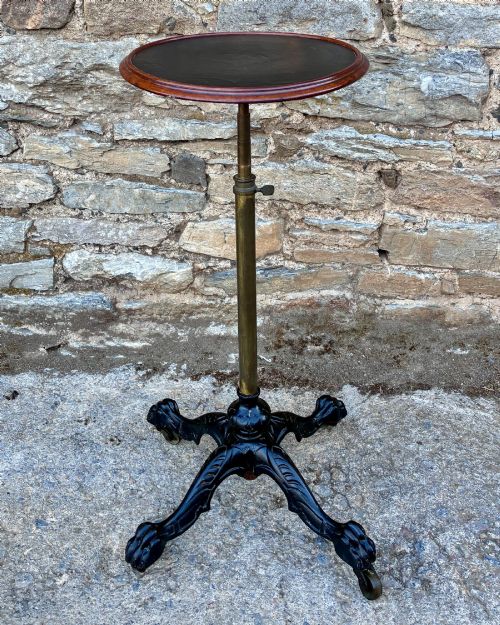
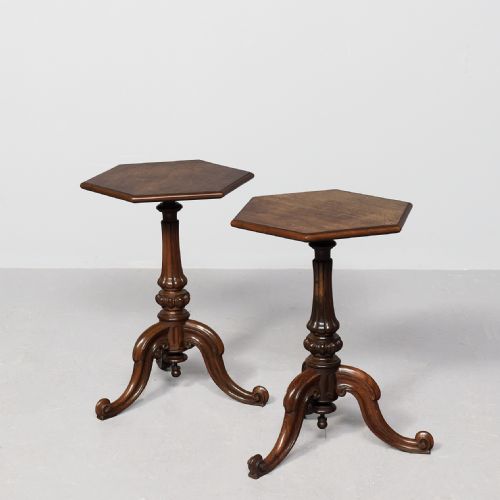
A victorian tripod stand appears primarily as a small table, music stand, or torchere supported by three splayed legs. The forms range from simple occasional and wine tables to adjustable reading stands, shaving mirrors, and floor lamps.
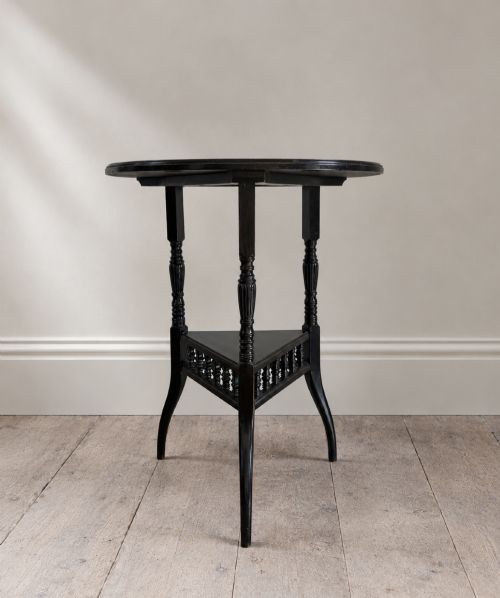
Makers adapted these balanced supports for specific domestic tasks in the nineteenth century, utilising compact footprints suited to tight corners and parlour groupings. Walnut, mahogany, and rosewood dominate the domestic tables, whilst occasional ebonised or inlaid satinwood pieces reflect aesthetic or revival influences.
Most examples date from the Victorian era, though related forms draw upon earlier Regency and William IV proportions or later Arts and Crafts ideals. Buyers encounter these versatile pedestals functioning as lamp bases, display columns, and bedside surfaces.
Materials and Construction
Cabinetmakers constructed these supports from dense hardwoods such as mahogany, walnut, and rosewood, frequently selecting figured veneers like burr wood or satinwood for the top surfaces. Brass fittings provide the mechanical adjustments for telescopic reading stands, music racks, and standard oil lamps.
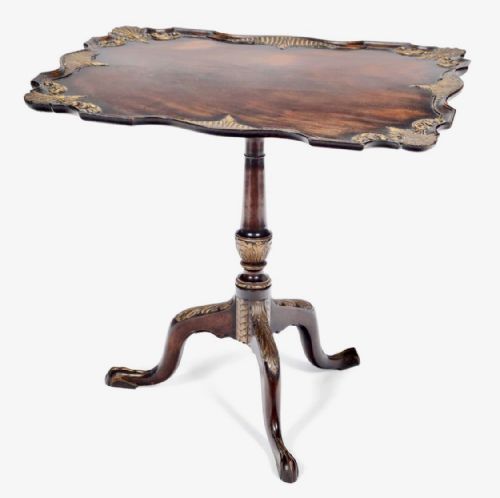
The central pillar connects to three shaped legs via dovetailed or tenoned joints beneath a turned block, balancing the upper weight. Tilt-top mechanisms rely on brass catches and wooden blocks that allow the surface to pivot flat against the pillar when stored.
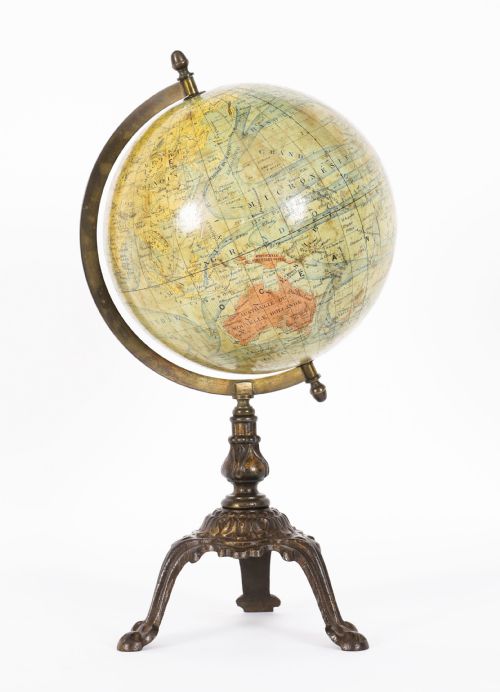
Object forms span wine tables, shaving stands, music racks, terrestrial globes, and floor lamps.
Judging the Standard
The sophistication of the timber selection and the crispness of the carving distinguish finer examples from standard production pieces. Figured mahogany or intricate parcel-gilt and chip-carved details elevate the visual weight of a small surface.
Mechanical precision marks the superior adjustable stands and tilt-top tables, where brass screws, hinges, and ratchets operate smoothly without excessive play in the central column. The rigidity of the three-legged base under lateral pressure indicates the integrity of the original joints.
EW Godwin·Lebegue and Cie·Gillows·Swann and Millican
The Victorian Tripod Stand Glossary
- Tilt-top
- A tabletop mounted on a pivot mechanism that allows the surface to rotate vertically for storage. This clever hinge saves floor space in smaller nineteenth-century chambers.
- Torchere
- A tall, slender stand designed to elevate a lamp, candle, or decorative plant. These display pedestals feature narrow tops and heavy, stable tripod bases.
- Treen
- Small handmade wooden domestic objects produced by turning or carving. These functional items showcase the natural grain of hardwoods like boxwood or fruitwood.
- Ebonised
- Timber treated with a dark finish to imitate expensive ebony. This dark staining technique found widespread favour during the late nineteenth century.
Victorian Tripod Stand: Frequently Asked Questions
What were these stands originally used for?
These versatile pieces served specific domestic functions in nineteenth-century rooms, holding reading material, pocket watches, candles, or wine glasses close to seating areas. Taller torchere columns elevated oil lamps and lighting to brighten dark corners.
Other formats accommodated grooming tasks or musical scores, providing adjustable heights and pivoting surfaces tailored to the daily routines of the household.
Are these stands stable on modern floors?
The three-legged design naturally accommodates uneven historical floorboards by distributing weight across three points of contact rather than four. This structural geometry prevents rocking in domestic settings.
However, tall torchere stands and heavy marble-topped variants require careful placement to maintain balance on modern carpets.
How do I tell an earlier piece from a later revival?
Earlier nineteenth-century examples often display hand-cut joinery, solid mahogany or rosewood construction, and subtle hand-turned pillar profiles. Timber patination develops a deep, soft lustre through decades of polishing.
Later revival pieces from the end of the century may incorporate machine-tooled fittings, standardised screws, or applied surface decoration characteristic of specific design revivals.