

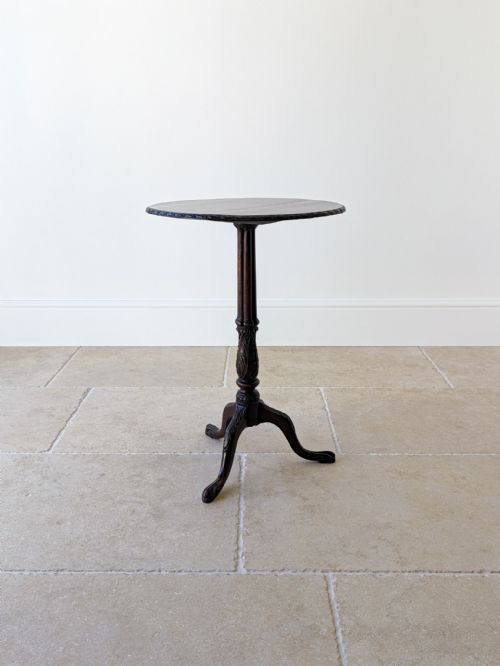
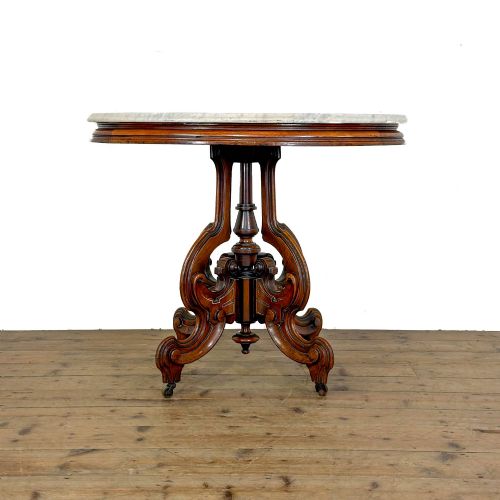
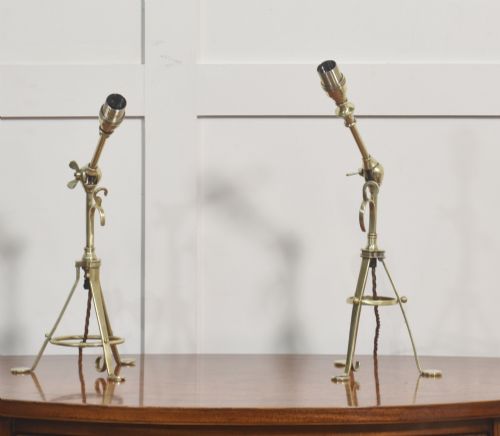
Victorian Tripod Lamp Table
A victorian tripod lamp table provides a steady, elegant perch for evening reading light while anchoring a room with nineteenth-century proportion.
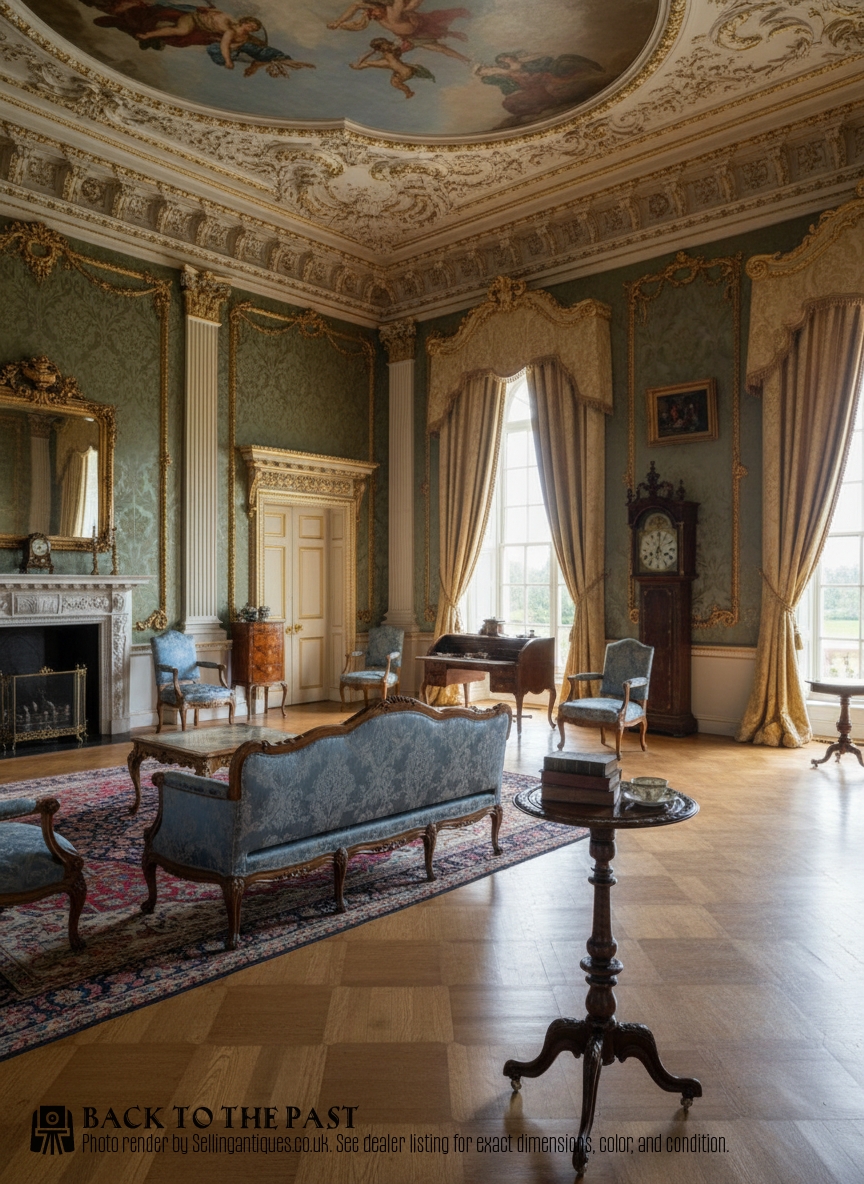
Victorian Tripod Lamp Table
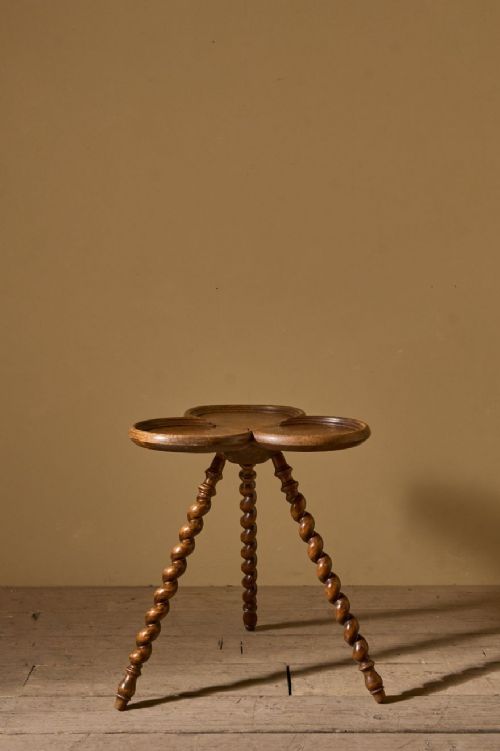
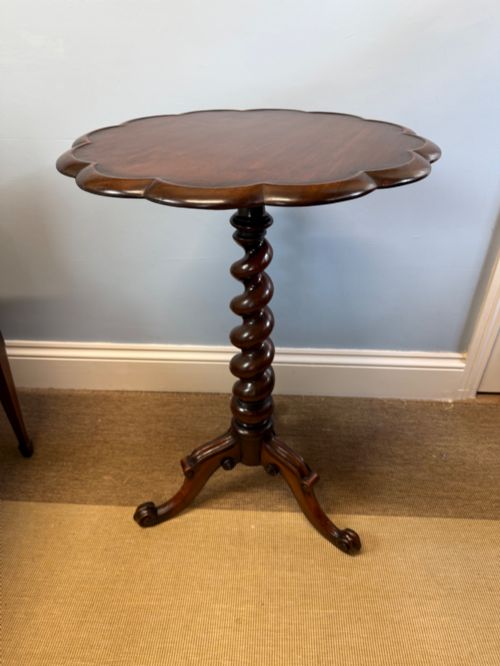
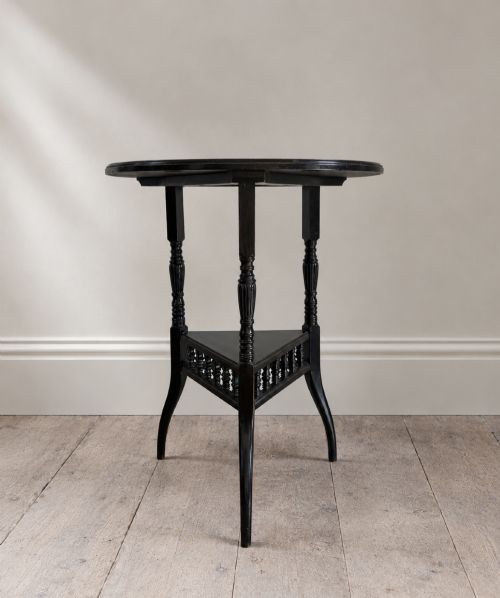
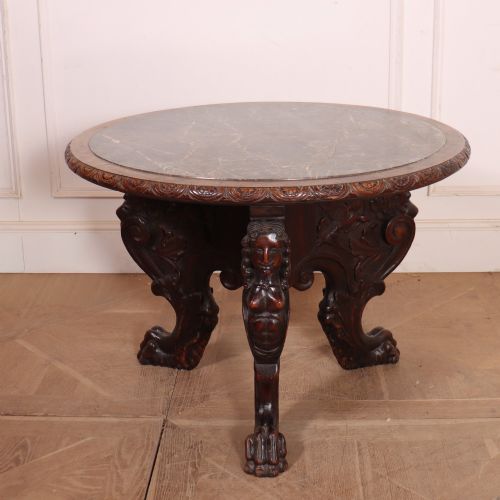
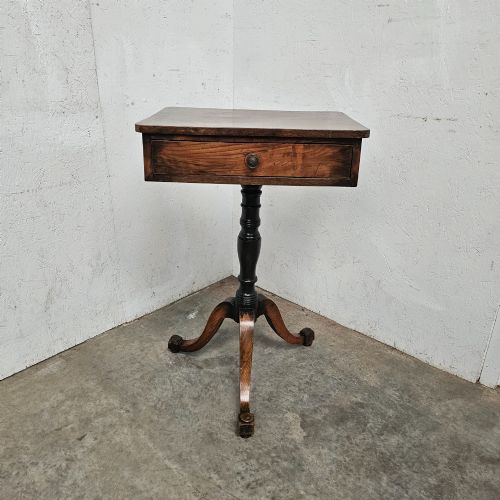
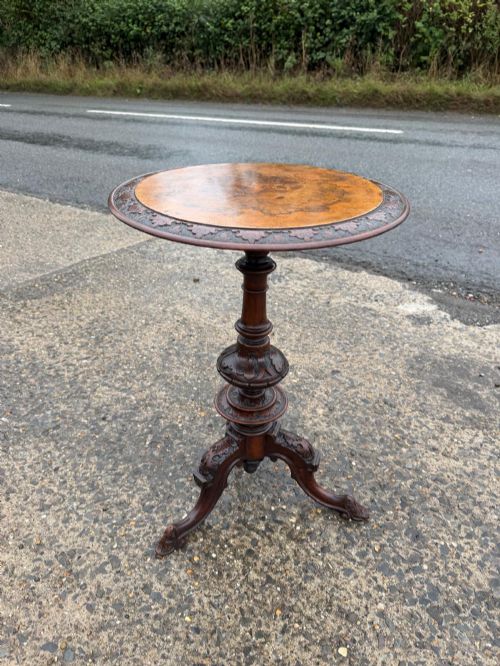
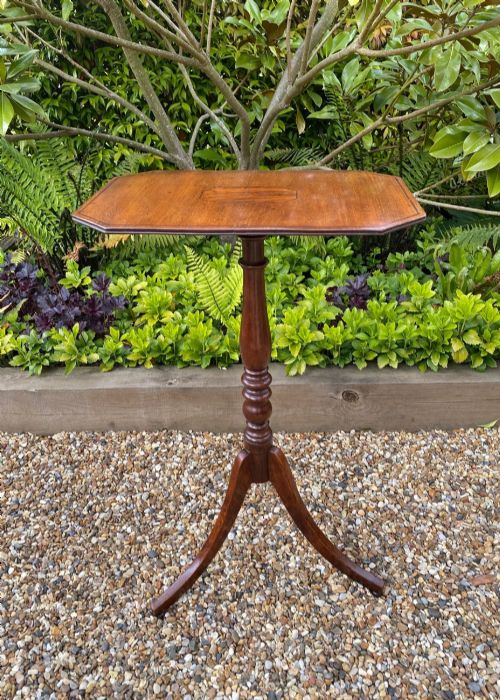
A victorian tripod lamp table is a compact occasional piece defined by a central pedestal supported by three splayed legs. These tables appear frequently in mahogany and burr walnut across the mid to late nineteenth century.
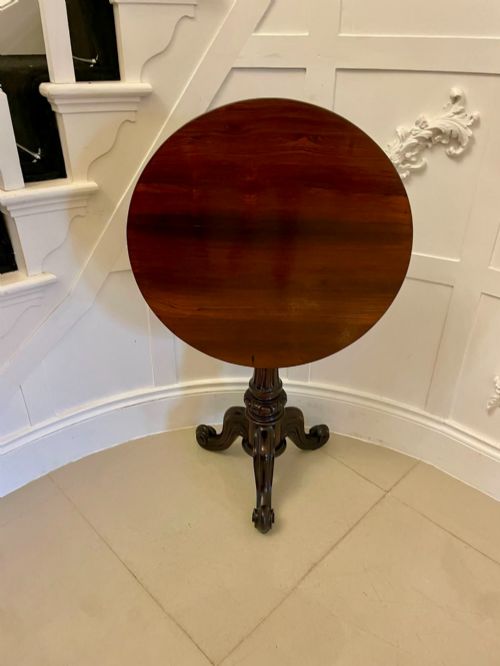
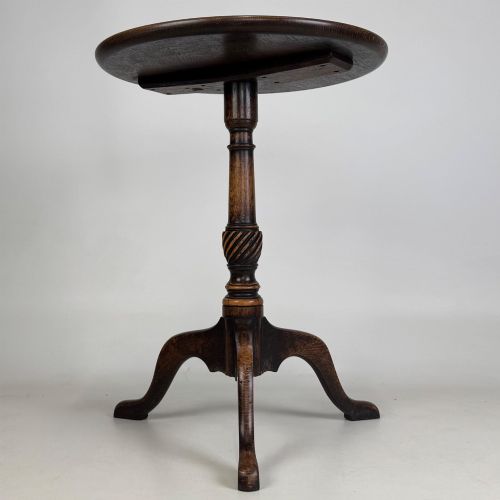
The form encompasses circular tops designed originally for candlesticks, oil lamps, or small reading lights. Makers also produced variations with scalloped edges, drop leaves, and tilting tops intended for easy storage against a wall.
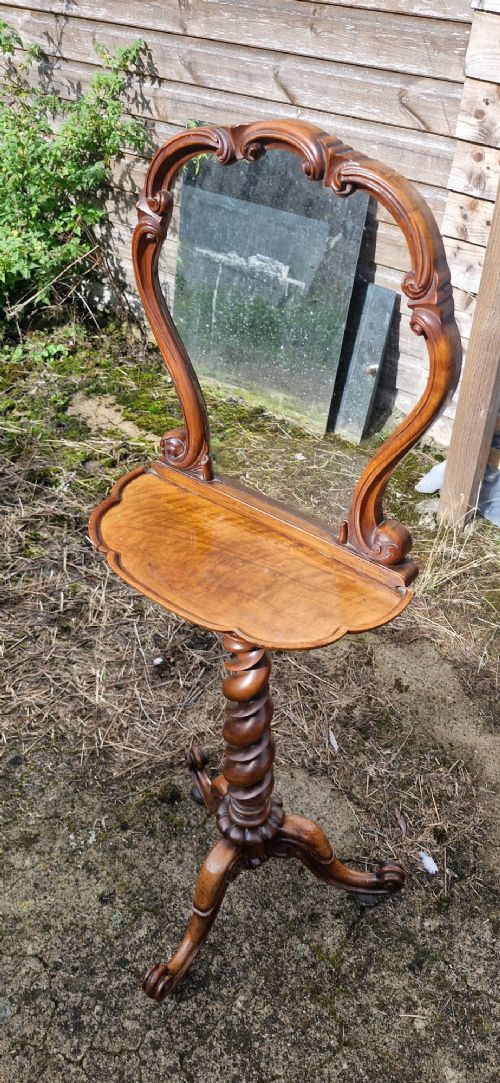
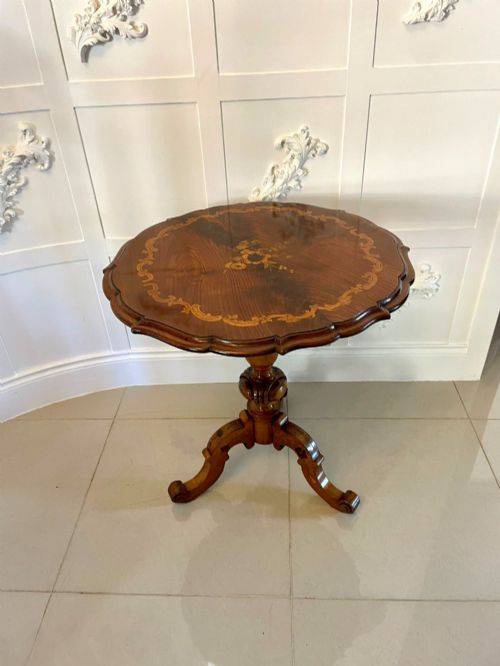
Buyers encounter simpler vernacular versions in oak and elm alongside more decorative iterations featuring marquetry inlay, bobbin turning, and barley twist shafts. The central column often terminates in carved cabriole legs or slender swept supports.
Materials and Construction
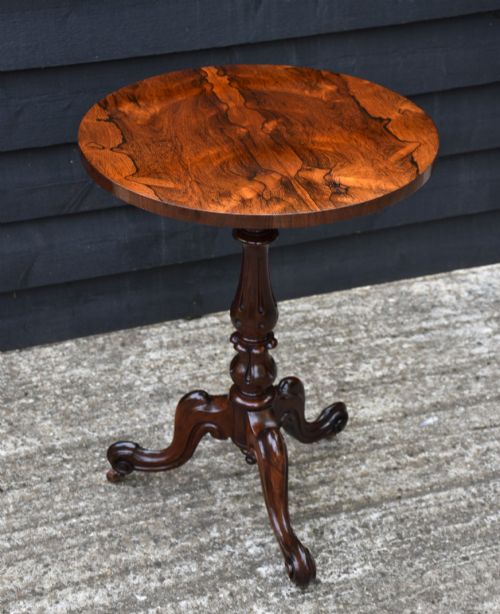
Cabinet makers utilised dense timbers like mahogany, walnut, and rosewood for structural stability, frequently applying figured veneers such as burr walnut or pollard oak to the table tops. These hardwoods were turned on lathes for the central pillars and hand-carved for the tripod bases.
Joinery relied on sturdy tenons and iron or brass spider brackets underneath the top to connect the central column securely to the three splayed legs. Surfaces were traditionally finished with shellac polish to highlight the natural grain and colour of the timber.
Listings feature woods spanning mahogany, walnut, rosewood, burr walnut, oak, elm, satinwood, and pollard oak across the nineteenth century.
Distinctions in Quality
Quality rests primarily in the choice of timber and the crispness of the turning on the central column. Superior examples display carefully matched burr veneers and finely executed hand carvings rather than purely machine-produced mouldings.
Stability and balance dictate everyday utility, separating robustly engineered pedestals from weaker frames. The integration of clever mechanisms, such as tilt-top catches or smooth brass adjustments, distinguishes workshop pieces made with greater care.
Gillows·W.A.S. Benson
The Victorian Tripod Lamp Table Glossary
- Tripod base
- A support structure consisting of three legs radiating from a central pillar. This design ensures the table remains steady on uneven floorboards.
- Tilt-top mechanism
- A hinged block beneath the table surface allowing the top to pivot vertically. This feature enabled servants to store the table flat against a wall when not in use.
- Spider bracket
- The iron or wooden boss beneath the table top that receives the three legs. It provides vital structural rigidity to the pedestal joint.
- Marquetry
- The art of applying decorative veneer pieces to form geometric or floral patterns. Master craftsmen used contrasting timbers like satinwood and walnut to achieve varied tones.
Victorian Tripod Lamp Table: Frequently Asked Questions
What were victorian tripod lamp tables originally used for?
These tables held heavy oil lamps, candles, or small reading books beside armchairs in nineteenth-century drawing rooms.
Their compact footprints made them easy to move closer to hearths or windows as daylight faded.
How do I spot a tilt-top mechanism?
Look underneath the circular surface for a wooden catch or brass latch holding the top flat against the central column.
Releasing this catch allows the table face to pivot ninety degrees for storage.
Are these tables suitable for modern lighting?
The sturdy timber tops easily accommodate contemporary table lamps and heavy ceramic bases without wobbling.
Their narrow profiles make them ideal for narrow hallways or beside modern sofas where space is limited.
How do I date a nineteenth-century pedestal table?
Examine the timber species, joinery methods underneath the top, and turning styles on the central column.
Earlier examples often feature rich rosewood and hand-cut screws, while later versions adopt denser machine-milled mouldings.