



Victorian Torchere Column
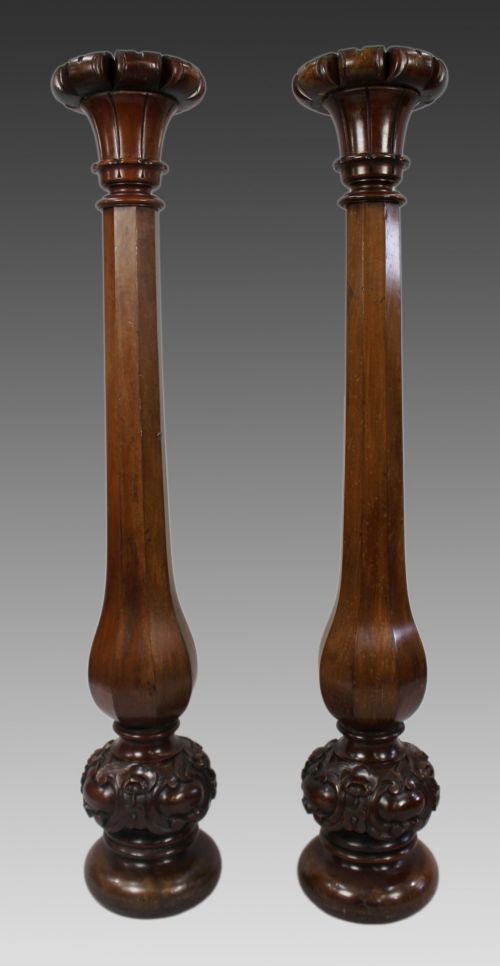
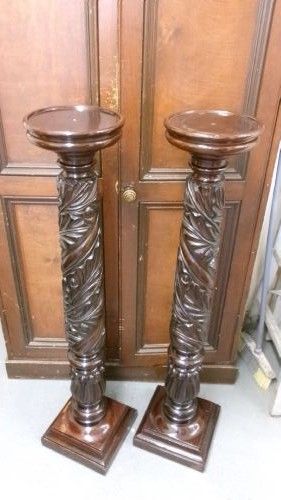
A victorian torchere column lifts a plant, bust or light above the floor on a slender pillar.
Victorian Torchere Column
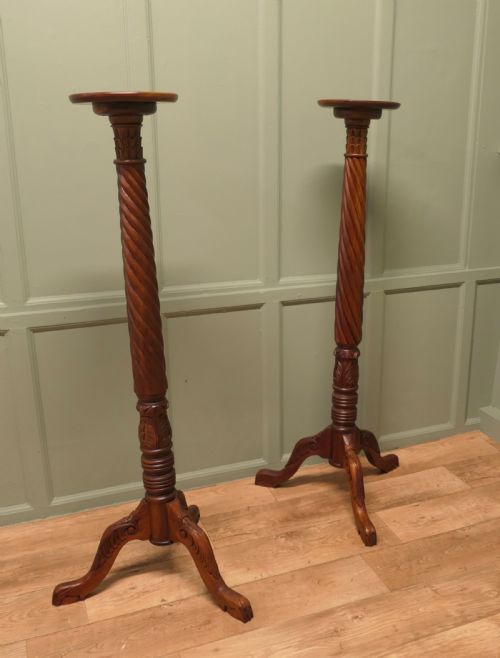
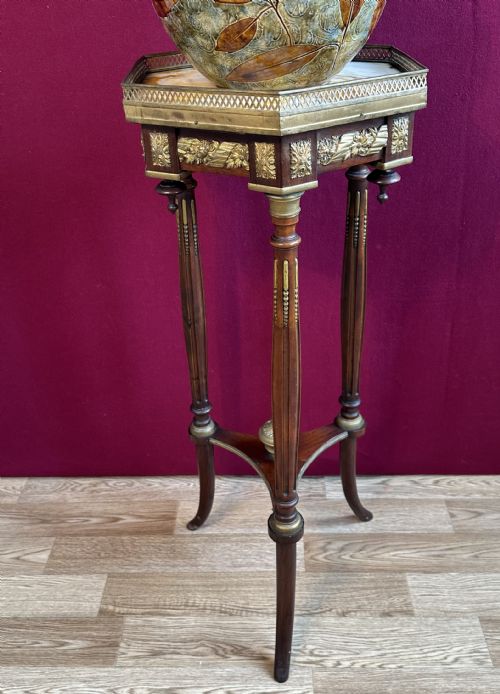
A victorian torchere column serves primarily as an elevated stand for plants, jardiniere bowls, sculpted busts and lamps. These vertical pieces function to break up horizontal lines in a room by introducing height and architectural interest into empty corners.
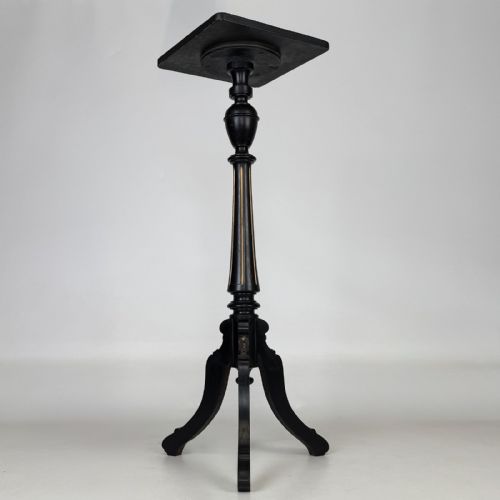
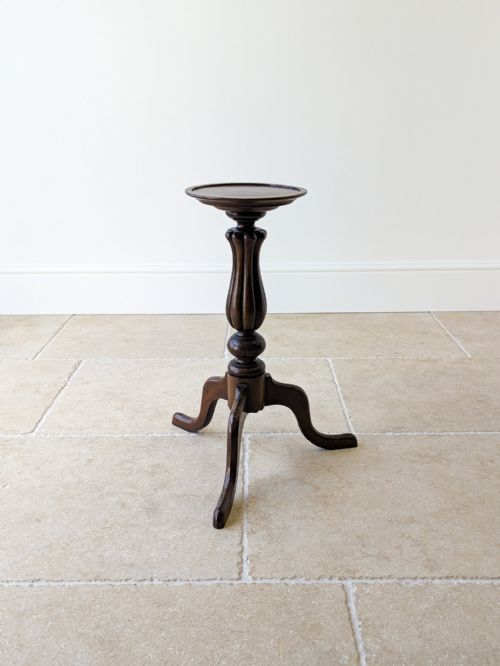
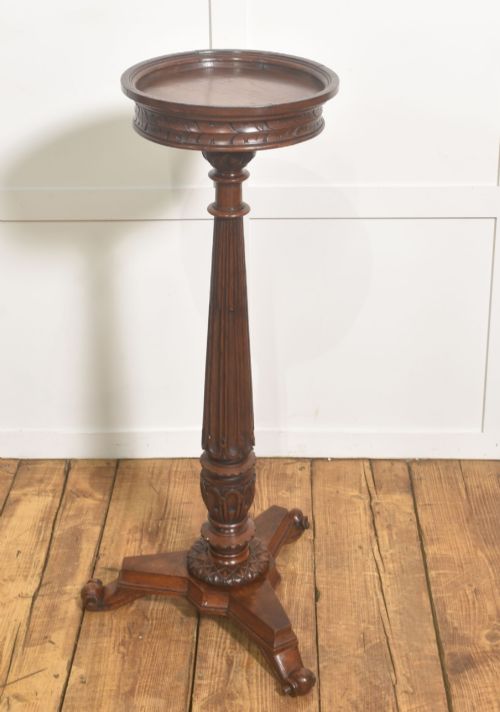
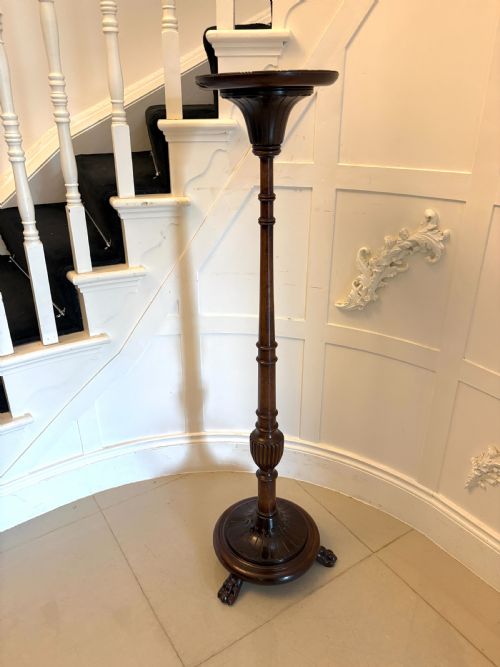
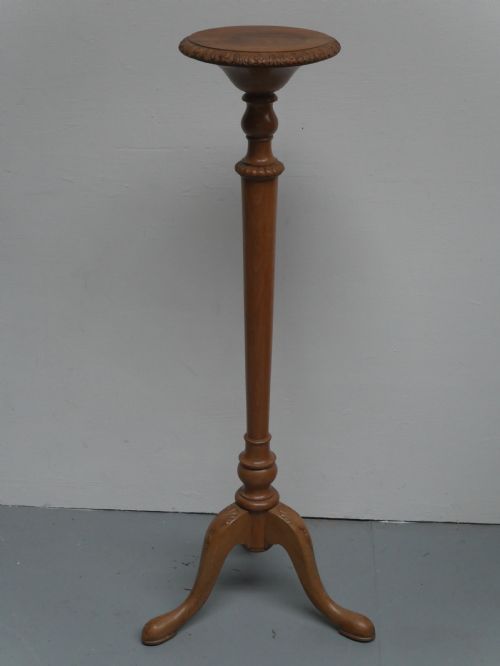
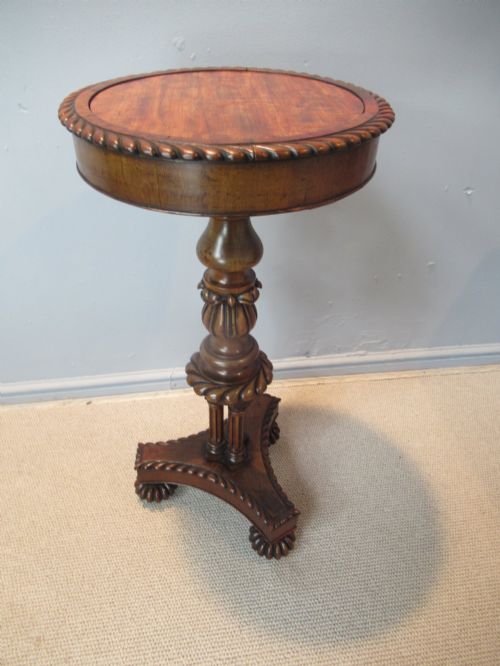
The most common examples encountered on this page date from the nineteenth century, often grouped alongside plant stands and pedestals. Makers built them with tall shafts supported by tripod bases or heavy plinths to ensure stability.
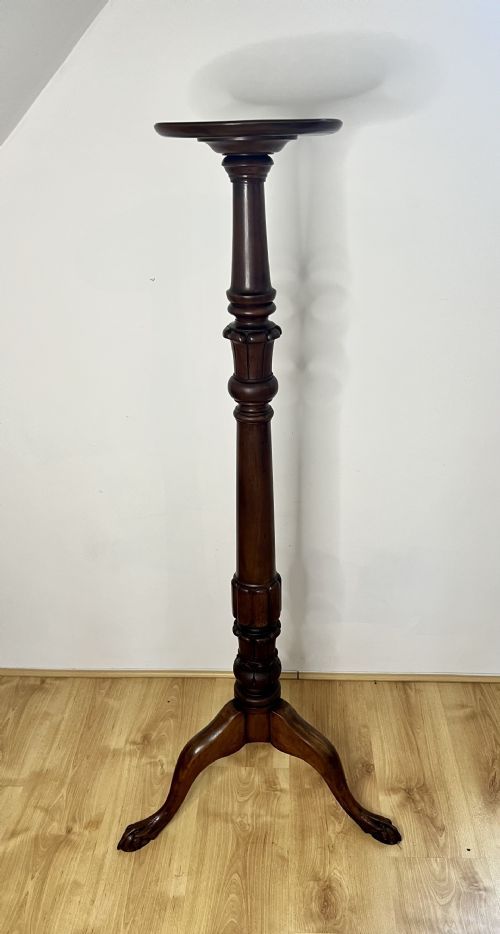
The form developed from earlier lighting stands into decorative furniture designed to display prized objects. Examples range from simple turned mahogany shafts to elaborate revival designs incorporating figures and carved detail.
How They Were Made
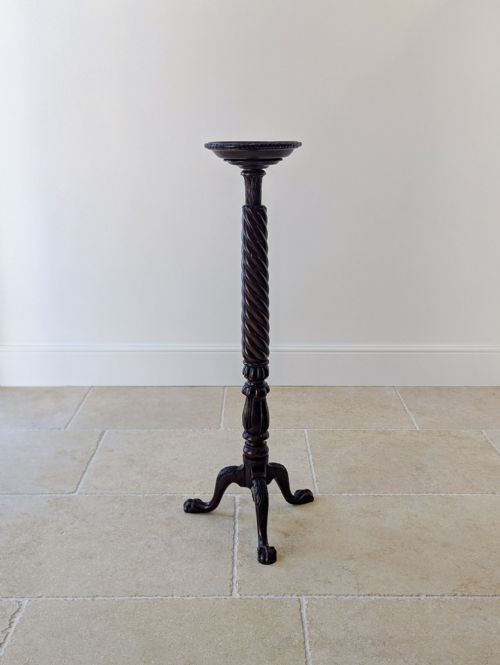
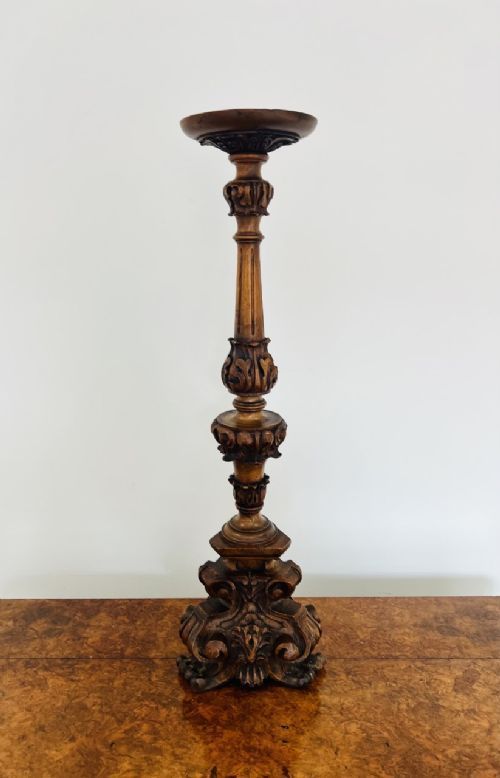
Timbers such as mahogany, walnut and oak form the structural backbone of these columns, frequently shaped by the lathe into smooth reeded columns or tight spiral pillars. Carvers worked directly into the solid wood to produce acanthus foliage, caryatids and figural bases.
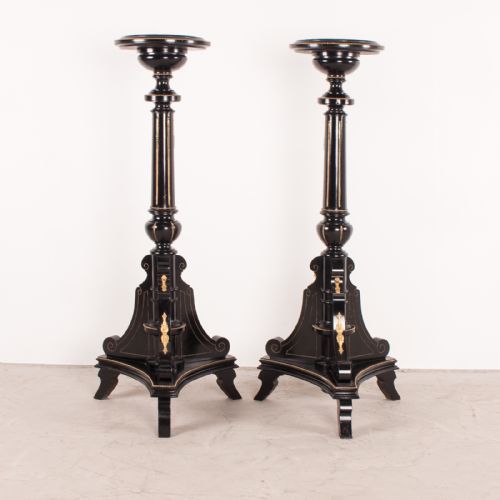
Alternative materials introduce contrasting textures, utilising polished marble and onyx for columns alongside brass mounts and ormolu details. Ebonised wood and applied lacquering mimic exotic finishes popular during the nineteenth century.
Victorian Torchere Column Retail Price Guide 2026
Typical asking prices for victorian torchere column among the pieces listed under this phrase on Sellingantiques today, from the lower quarter to the upper quarter. They describe what is for sale here now, not the wider market.
Listings feature woods like mahogany and walnut alongside marble, onyx and brass columns.
What Varies in Quality
The crispness of the hand-carved detail separates standard turned shafts from exceptional sculptural examples. Deeply undercut foliage and well-defined figural elements indicate skilled craftsmanship.
Choice of timber and material weight dictate the stability and presence of the piece. Dense solid hardwoods and genuine marble columns command greater visual authority than lighter softwood or composite constructions.
Shoolbred
The Victorian Torchere Column Glossary
- Torchere
- A tall ornamental stand originally intended to hold a torch or lamp. Today it serves as a display column for sculpture and plants.
- Jardiniere
- An ornamental pot or stand designed to hold plants and flowers. These vessels often sit atop tall columns.
- Caryatid
- A sculpted female figure serving as an architectural support taking the place of a column. They frequently appear on nineteenth century stands.
- Ormolu
- Gilded bronze mountings applied to furniture and decorative objects. This technique adds metallic contrast to dark timber columns.
- Ebonised
- Wood finished with a dark stain or black lacquer to imitate ebony. This process was widely used in Victorian decorative pieces.
Victorian Torchere Column: Frequently Asked Questions
What is a torchere column used for?
These tall stands elevate plants, decorative urns and sculpted busts above floor level. They draw the eye upward and utilise vertical space in domestic interiors.
Historically rooted in lighting support, nineteenth century examples evolved into dedicated display furniture for wealthy homes.
How do I tell different periods apart?
Earlier nineteenth century examples favour rich solid mahogany and classic architectural turning. Later nineteenth century pieces often embrace revival styles and mixed materials like onyx and brass.
Detailed carving and specific revival motifs help anchor pieces to particular decades within the Victorian era.
Are these stands stable enough for heavy items?
Most columns use weighted bases or wide tripod feet to distribute weight safely. Heavy marble plinths and dense hardwood shafts provide natural balance.
Placing very heavy objects requires checking the footprint and overall weight distribution of the specific stand.
Where should I place a column at home?
Corners and empty wall spaces benefit most from the vertical lift these pieces provide. They frame doorways well when matched as pairs.
Keep them clear of heavy foot traffic to protect delicate carved details and tall displayed items.