





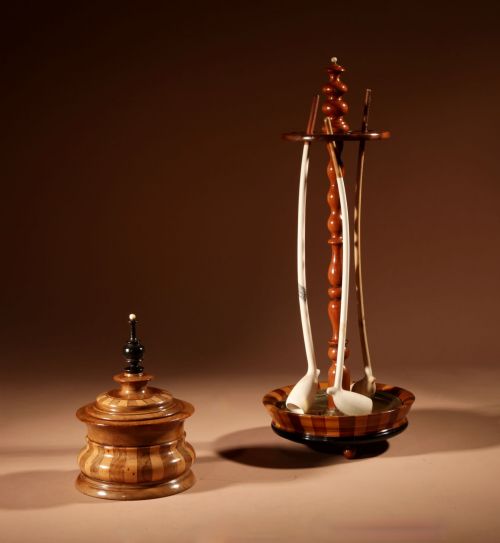

Victorian Tobacco Jar
A victorian tobacco jar holds the leaf in heavy earthenware, porcelain, or carved linden wood, offering a handsome piece of desk or mantel furniture.
Victorian Tobacco Jar
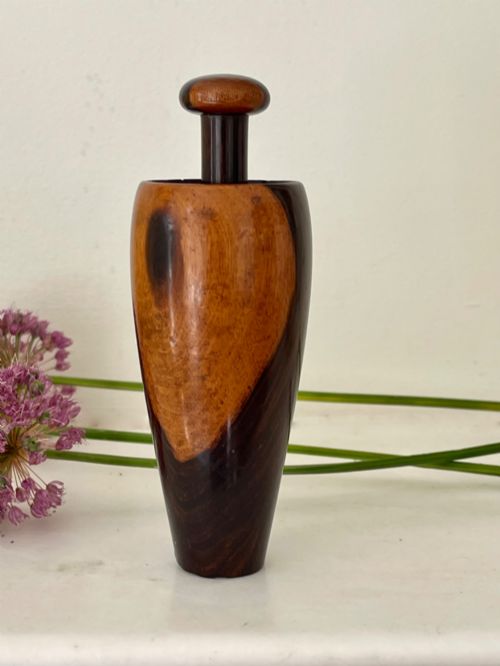
A victorian tobacco jar represents the domestic smoking culture of the nineteenth century, taking forms from Staffordshire pottery figures to carved Black Forest animal boxes. These vessels range from simple turned mahogany containers to glazed ceramic jars with tight-fitting lids designed to keep the leaf moist.
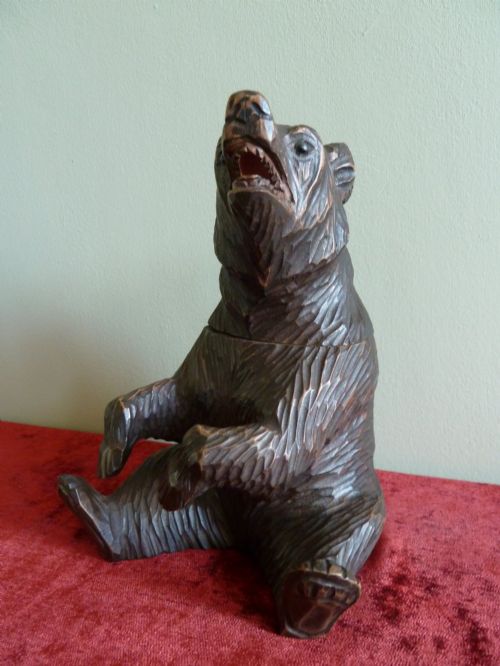
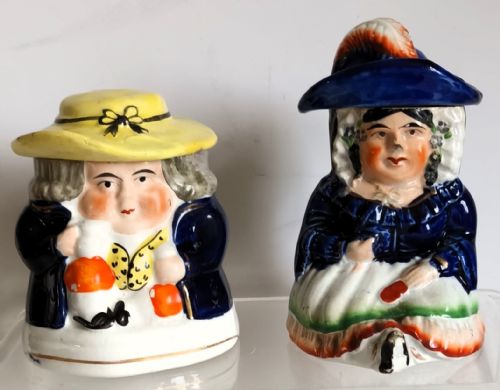
The most common examples encountered here include Black Forest carved wooden bears and dogs, alongside glazed earthenware jars and Staffordshire pottery figures such as Pierrot or the Gaudy Welsh lady and gentleman. Cabinet pieces in burr walnut and coopered mahogany also appear within the selection.
Makers utilised diverse materials across Britain, Germany, and India, producing everything from brass-mounted tins to fine porcelain and blush ivory lidded jars. Each piece reflects the nineteenth-century preference for decorative smoking accessories in the home.
Materials and methods
Carved wood stands out among the material evidence, particularly linden wood shaped into animal figures by Black Forest artisans using hand gouges and chisels. Coopered construction appears in mahogany pipe stands and tobacco boxes, utilising wooden staves bound tightly together.
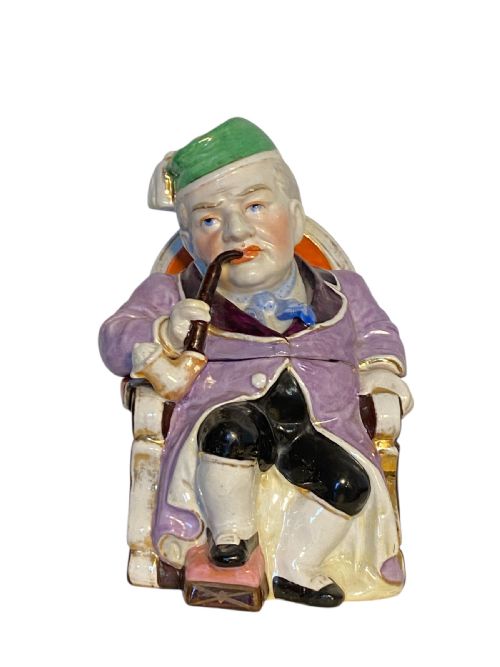
Ceramics and porcelain were shaped, glazed, and hand-decorated with painted details, seen in Staffordshire pottery jars and Royal Worcester blush ivory lidded pieces. Metal elements such as brass trim, silver plating, and solid silver mounts provide secure closures and decorative contrast.
Listings feature woods like linden wood, mahogany, and burr walnut alongside ceramics, porcelain, brass, and enamel across the nineteenth century.
Gradations in quality
Quality in carved wooden jars rests upon the depth of the carving and the life in the animal forms, where sharp detail in the fur and expression separates skilled workshops from simpler production. Wood selection also matters, as finely figured burr walnut or dense linden wood commands greater attention.
The Victorian Tobacco Jar Glossary
- Treen
- Small handmade wooden domestic objects produced by turning on a lathe or by hand carving. This term covers items like mortars, pestles, and small boxes.
- Black Forest
- A style of wood carving originating from the mountainous region of Germany, famous for lifelike depictions of bears and dogs. These pieces often incorporate hinged lids or removable heads.
- Coopered
- Made from curved wooden staves joined together with wooden or metal hoops, a technique traditionally used for barrels and casks.
- Staffordshire
- Pottery produced in the potteries of Staffordshire, England, encompassing glazed earthenware figures and lidded jars modelled in popular characters.
- Humidor
- A moisture-controlled box or jar designed to keep cigars and tobacco fresh. Many nineteenth-century examples relied on tight-fitting ceramic or wooden lids.
Victorian Tobacco Jar: Frequently Asked Questions
What is a victorian tobacco jar?
A victorian tobacco jar is a lidded container made during the nineteenth century to store smoking leaf while keeping it moist and aromatic. These pieces were kept on desks, sideboards, or smoking tables in middle-class and wealthy homes.
Craftsmen produced them in materials ranging from carved linden wood and mahogany to glazed earthenware and porcelain, often shaping them as animals, figures, or simple barrels.
How were these jars used?
Owners filled the interior chamber with loose pipe tobacco or cigars, using the heavy lid to seal the contents away from dry air and light. Many jars included inner liners or tight seals to preserve the moisture of the leaf.
Beyond simple storage, they served as decorative ornaments in smoking rooms, libraries, and studies, reflecting the personal tastes of the owner.
How do I care for wooden jars?
Wooden tobacco jars, particularly carved Black Forest pieces and treen, require stable indoor humidity to prevent the wood from splitting or warping. Keep them away from direct sunlight and radiators.
An occasional light application of appropriate furniture wax helps nourish the timber and maintain the surface sheen without damaging the carved details.
How are ceramic and wooden types told apart?
Ceramic and porcelain jars feature glazed surfaces, hand-painted decoration, or moulded earthenware bodies like those from Staffordshire potteries. They feel cool to the touch and often take the form of human figures or traditional glazed canisters.
Wooden examples display natural grain patterns, tool marks from carving, or coopered staves. Black Forest wooden jars almost exclusively depict animals such as bears holding barrels.