



Antique Ceramic Humidor
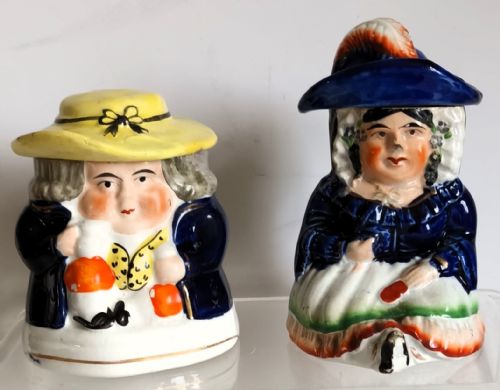
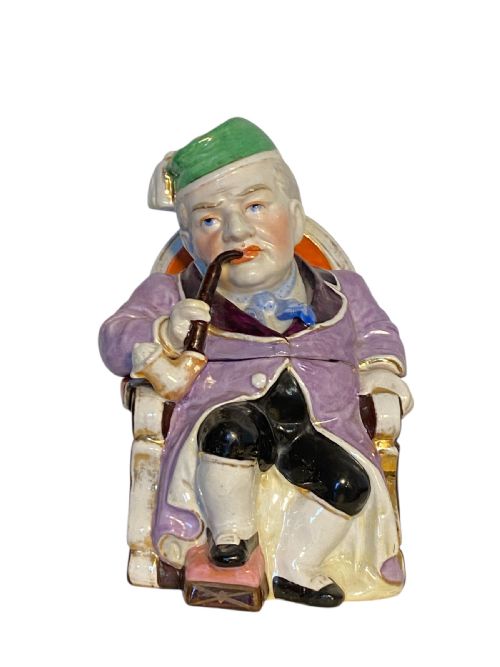
These antique ceramic humidor pieces are nineteenth-century tobacco jars and covers in glazed earthenware, offering collectors traditional Victorian Staffordshire pottery forms.
Antique Ceramic Humidor
An antique ceramic humidor in the current selection takes the form of a tobacco jar and cover from the nineteenth century. These utilitarian vessels were designed to keep tobacco moist before the widespread adoption of modern packaging.
The primary style encountered here is Victorian Staffordshire pottery. These English pieces combine functional storage with figurative or standard ceramic vessel designs typical of the era.
Every item listed originates from the nineteenth century and belongs to the broader category of tobacco jars. Collectors encounter both figurative representations, such as the Pierrot model, and standard glazed earthenware jars.
How They Were Made
Potters of the nineteenth century utilised earthenware as the core material for these tobacco jars. The clay bodies were shaped, fired, and finished with a protective glaze to seal the porous ceramic.
Each piece consists of a fitted jar and cover designed to reduce airflow and preserve the contents. Surface decoration and glazing techniques varied according to whether the piece was a standard utilitarian jar or a modelled figurative subject like Pierrot.
Every listed item belongs to the nineteenth century and is constructed from glazed earthenware pottery.
What Varies in Quality
The standard of modelling separates the straightforward earthenware vessel from the figurative Staffordshire sculpture. Pieces depicting named subjects require greater sculptural skill in the moulding and hand-finishing of the clay before glazing.
Glaze application and preservation of the original surface finish dictate the visual appeal of these nineteenth-century items. Consistency in the ceramic body and the crispness of the modelled details determine the standing of individual examples.
The Antique Ceramic Humidor Glossary
- Earthenware
- A porous pottery body fired at lower temperatures than stoneware or porcelain. It requires a surface glaze to hold moisture and provide a smooth exterior finish.
- Tobacco Jar
- A covered container designed specifically for storing pipe tobacco. These vessels typically feature a close-fitting lid to maintain humidity.
- Victorian Staffordshire
- Pottery produced in the Staffordshire potteries during the reign of Queen Victoria. This grouping includes both utilitarian wares and popular figures.
- Glazed Ceramic
- Any fired clay object coated with a vitreous layer before a second firing. This finish protects the porous earthenware body beneath.
Antique Ceramic Humidor: Frequently Asked Questions
What is an antique ceramic humidor?
An antique ceramic humidor is a nineteenth-century tobacco jar and cover made from glazed earthenware or pottery. These vessels served to store and protect pipe tobacco in domestic settings.
They appear in various forms, ranging from standard cylindrical containers to modelled figurative subjects like the Staffordshire Pierrot. Each piece relies on a fitted cover to maintain the condition of the leaf inside.
How were nineteenth century tobacco jars used?
Victorian households utilised these ceramic jars on side tables, desks, or smoking stands for daily tobacco storage. The covered design prevented the tobacco from drying out too quickly.
Unlike modern humidors with internal humidification systems, these relied simply on the tight fit of the ceramic lid and the glazed interior to regulate moisture.
Are these pieces English in origin?
The available evidence points directly to English manufacture during the Victorian era. Staffordshire potteries produced the bulk of these figurative and standard tobacco jars.
Collectors can identify the regional origin through the characteristic earthenware bodies and nineteenth-century glazing techniques typical of the Staffordshire district.
How do I identify a Victorian Staffordshire tobacco jar?
Victorian Staffordshire tobacco jars are characterised by nineteenth-century earthenware construction and specific stylistic forms. Many feature figurative modelling, such as theatrical characters like Pierrot, alongside a matching cover.
The combination of a glazed ceramic body, period styling, and utilitarian form defines this specific group of antiques.