



Victorian Textile
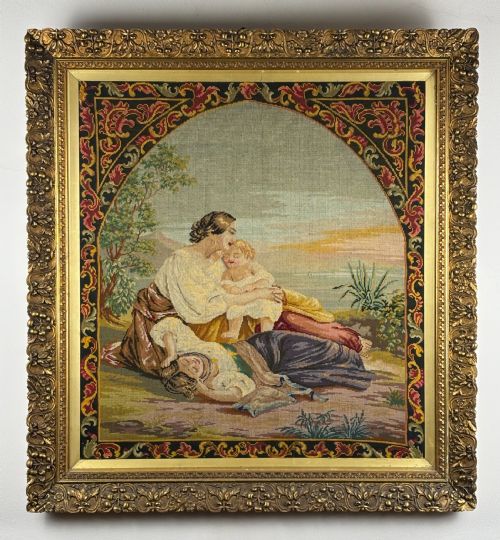
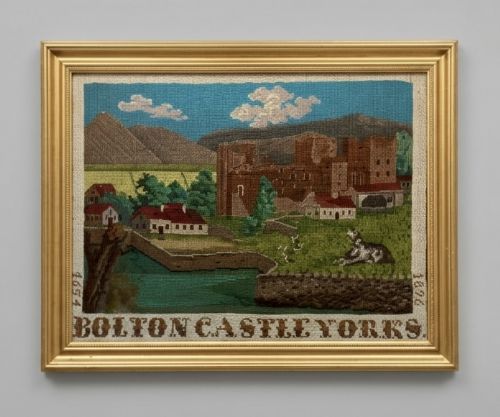
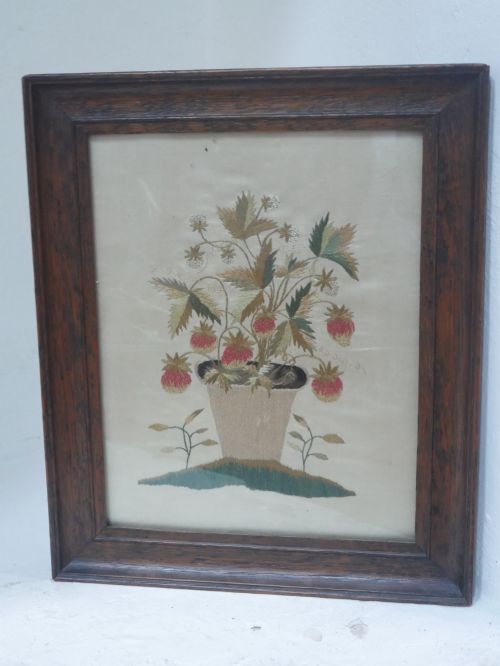
These Victorian textile pieces bring tactile depth and historic narrative to a room, ranging from intricate wool work samplers to silk embroideries.
Victorian Textile
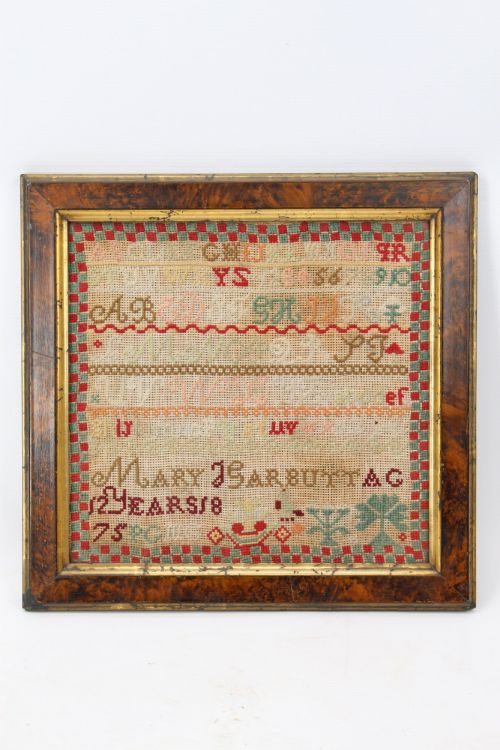
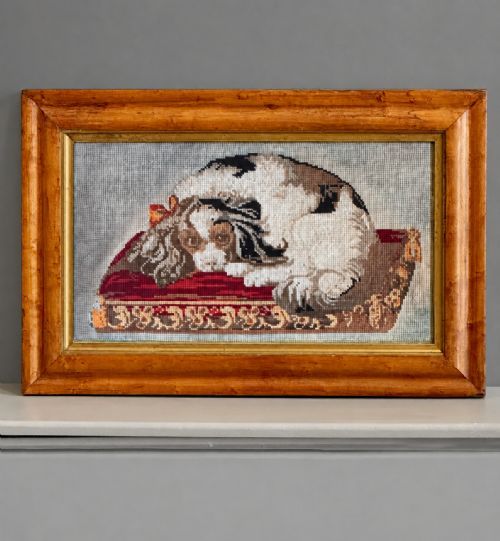
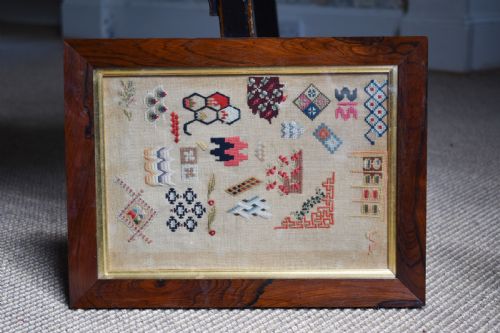
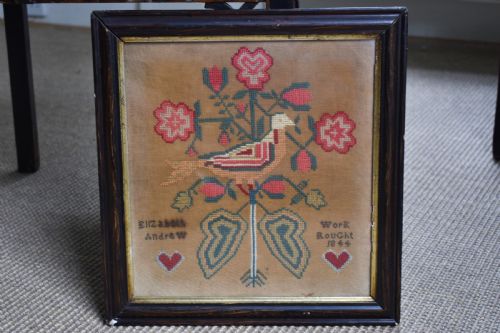
When you search for a victorian textile, you encounter a diverse range of fabric arts spanning samplers, tapestries, and framed wool work pictures. These items reflect the domestic handcrafts and commercial textile production of the nineteenth century.
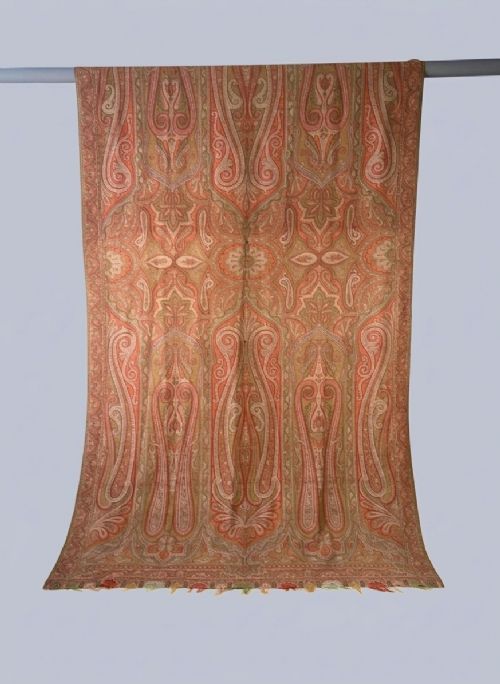
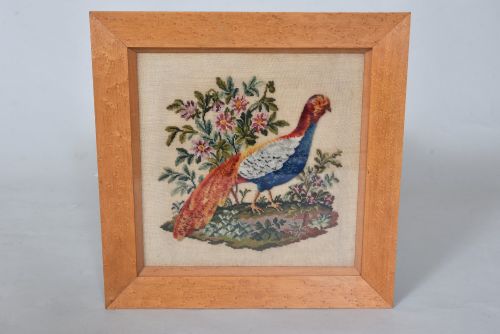
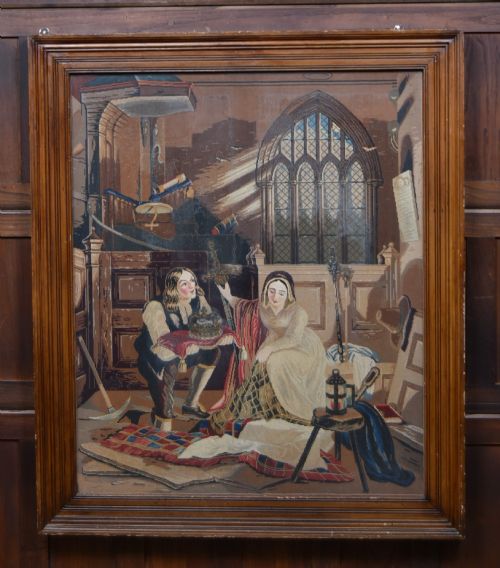
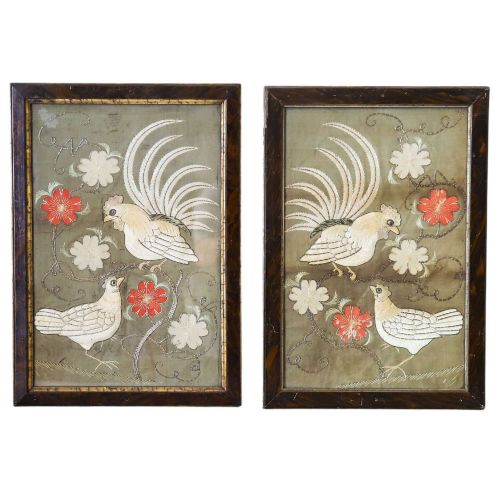
Framed needlework and samplers signed by young makers frequently appear on this page, alongside woven wool shawls and embroidered panels depicting animals or historical scenes. The selection also encompasses practical items like ceremonial sashes and printed fabric blocks.
Origins stretch from British workshops to French silk centres and Indian blockprint studios, showing broad international influences within nineteenth-century design. Pieces range from modest schoolroom samplers to elaborate decorative panels designed for country house interiors.
Materials and methods
Makers utilised natural fibres such as wool, silk, cotton, and linen as the primary canvas and thread for their needlework, tapestries, and woven shawls. Working with fine yarns allowed artisans to achieve remarkable detail in pictorial wool work and embroidered silk pictures.
Rigid supports and frames made of wood, brass, and glass protected these delicate textiles, utilising materials like burr maple, walnut, and faux tortoiseshell. Carved brass and wood also served functional roles in blockprinting wallpaper and fabrics.
Victorian Textile Retail Price Guide 2026
Typical asking prices for victorian textile among the pieces listed under this phrase on Sellingantiques today, from the lower quarter to the upper quarter. They describe what is for sale here now, not the wider market.
A Durham knitting sheath kept pace with fast-paced local fibre production.
Assessing quality
The precision of the needlework and the complexity of the stitch execution distinguish finer pieces from simpler domestic exercises. Tightly worked gros-point and petit-point wool pictures demonstrate superior skill compared to basic iterations.
The retention of original framing, such as burr maple or gilt wood surrounds, preserves the integrity of the piece. Superior examples also maintain vibrant natural dye colours in silks and wools without excessive fading.
Stevens of Coventry·Goodbrands of Manchester·Goodbrands & Co
The Victorian Textile Glossary
- Sampler
- A piece of needlework produced as a demonstration or test of skill in various stitches, often featuring alphabets and names.
- Berlin work
- A type of counted-thread embroidery popular in the nineteenth century, worked in wool on canvas from printed grid patterns.
- Paisley shawl
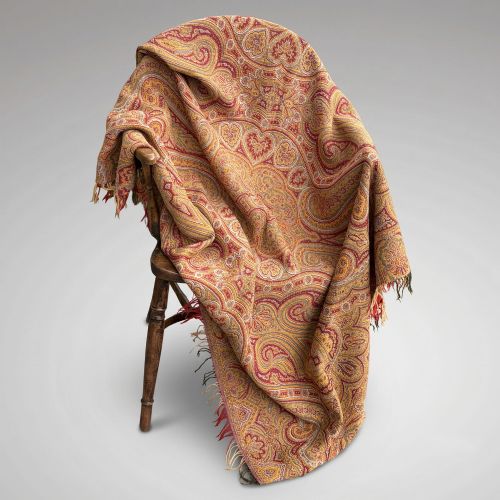
- A large woven shawl characterised by teardrop-shaped motif designs, originating from Scottish production centres mimicking Indian originals.
- Suzani
- A type of embroidered and decorative tribal textile from Central Asia, traditionally made by brides as part of a dowry.
Victorian Textile: Frequently Asked Questions
How were Victorian samplers made?
Makers stitched alphabets, numbers, and motifs onto linen or canvas using coloured wool or silk threads.
Young girls often produced these under instruction in schools to demonstrate their proficiency in various embroidery stitches.
What is a wool work picture?
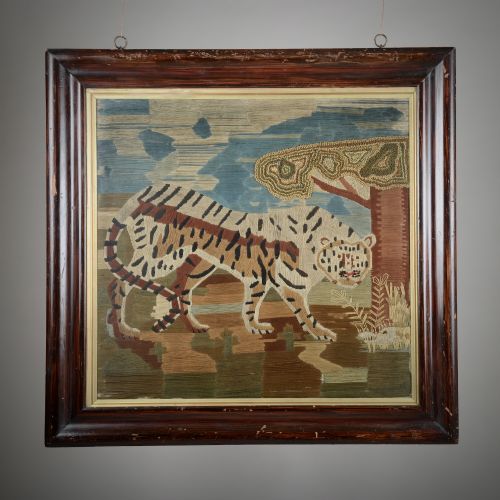
A wool work picture uses coloured wool yarns on canvas to depict animals, portraits, or landscapes, often framed for display.
These pieces utilised dense stitches like gros-point to create durable, textured wall art.
How do I care for antique textiles?
Keep antique textiles out of direct sunlight to prevent the fading of natural wool and silk dyes.
Mount pieces securely behind glass or in stable environments to protect fragile fibres from dust and handling.
What distinguishes a Kashmiri shawl?
Kashmiri shawls feature intricate hand-embroidered or woven patterns using fine pashmina wool.
They reflect traditional eastern craftsmanship that heavily influenced nineteenth-century European textile design.