


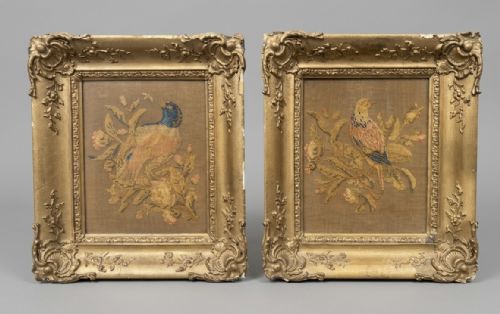

Victorian Textile Art
When you handle victorian textile art, you deal in wool work, samplers, and silk pictures that carry domestic patience directly into a modern room.
Victorian Textile Art
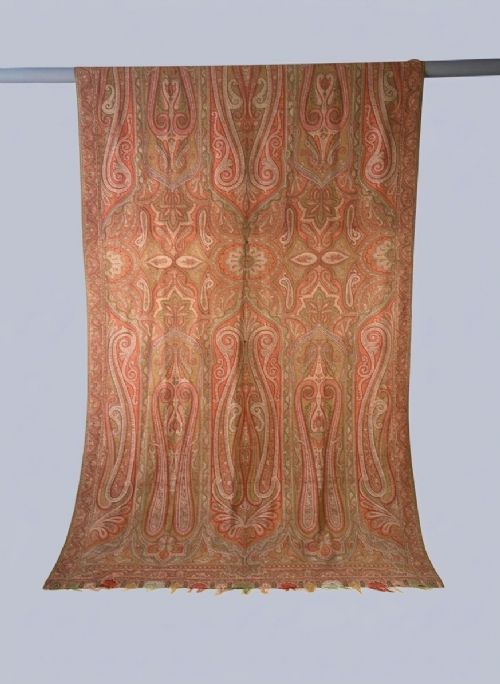
Victorian textile art encompasses framed needlework samplers, wool work pictures, silk embroideries, tapestries, and patchwork wall hangings created during the nineteenth century. These pieces record domestic skill, educational milestones, and decorative ambitions through needle and thread.
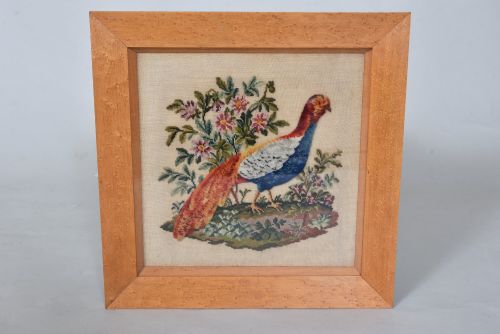
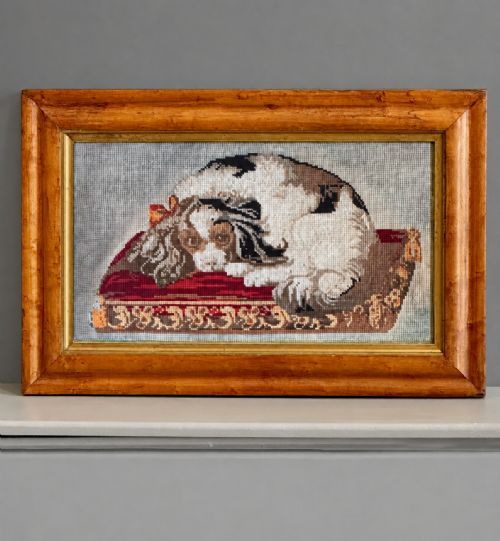
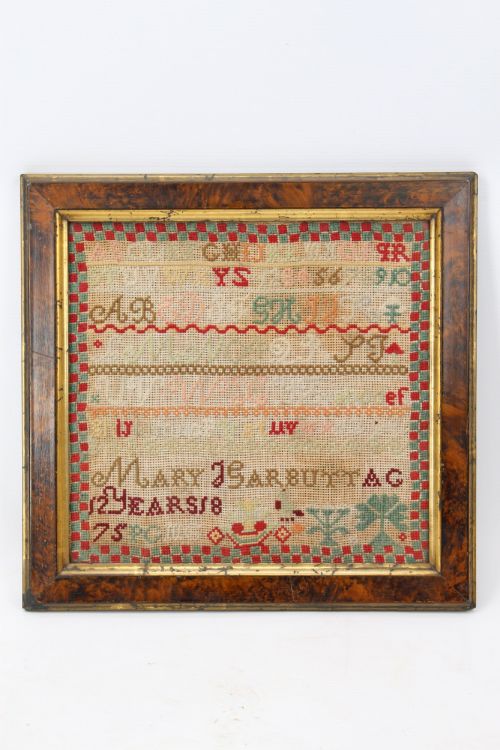
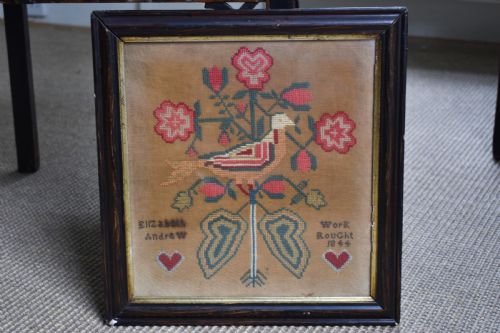
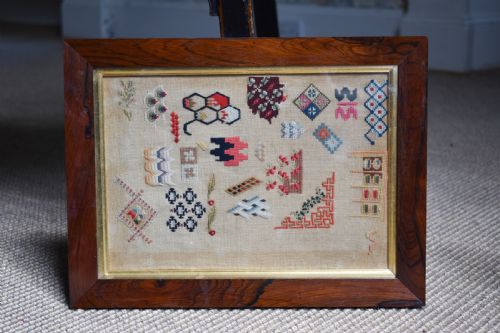
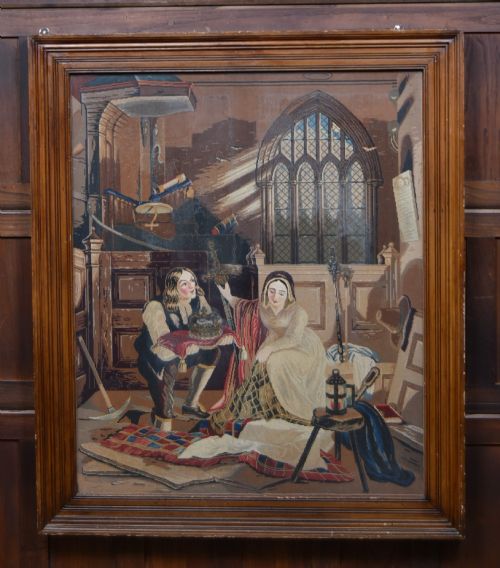
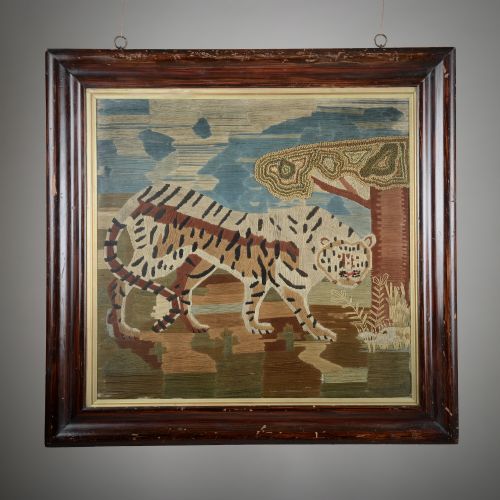
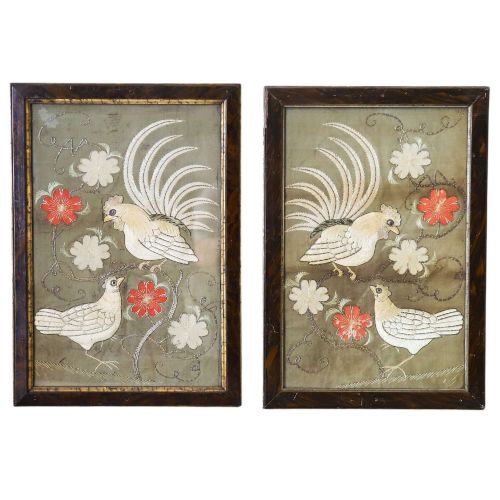
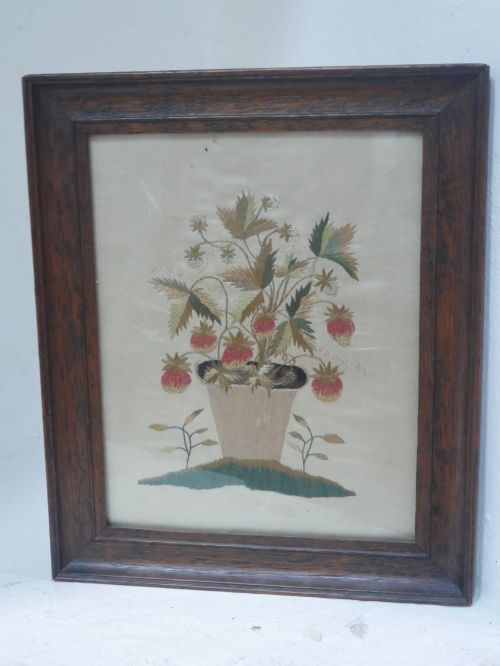
The most common examples on this page are framed needlework samplers and wool work pictures, often bearing names, dates, and ages of makers such as young girls. Alongside these, buyers find pictorial wool work depicting animals, historical figures, and rural scenes set behind glass in period timber frames.
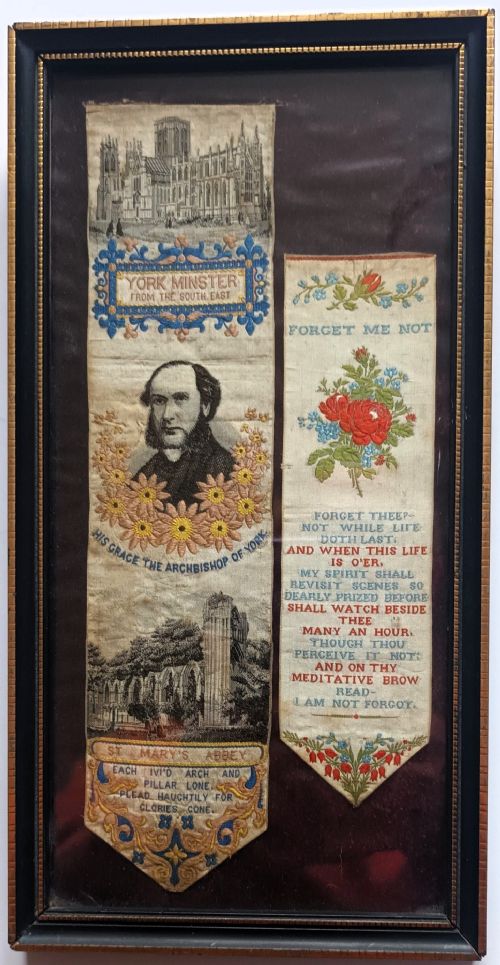
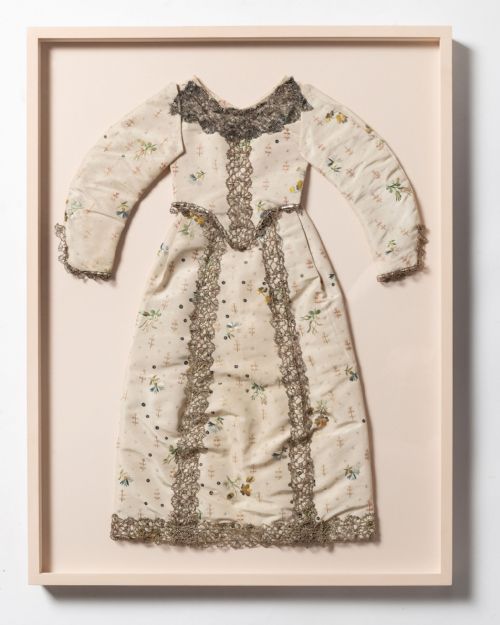
Origins stretch from English and Scottish households to continental workshops, taking in French silk embroideries and Italian tapestries alongside sailor-made woolies. Forms range from small panels and bookmarks to large wall hangings, shawls, and multi-fold screens.
Materials and Technique
Makers worked primarily with wool, silk, cotton, and linen yarns stitched onto canvas, linen grounds, or wool foundations. Silk threads provided gloss for pictorial highlights, while heavy wool yarns created the tactile depth found in Berlin work and gros-point pictures.
Techniques span counted-thread embroidery, Berlin wool work, tent stitch, and patchwork assembly using textile scraps. Frames utilised burr maple, gilded wood, and faux tortoiseshell to protect and present the fabric panels.
Victorian Textile Art Retail Price Guide 2026
Typical asking prices for victorian textile art among the pieces listed under this phrase on Sellingantiques today, from the lower quarter to the upper quarter. They describe what is for sale here now, not the wider market.
Listings feature textiles spanning the nineteenth century, incorporating wool, silk, linen, and cotton across framed wall art and samplers.
Assessing Quality in Needlework
Quality rests on the precision of the stitching, the complexity of the design, and the survival of the original ground materials. Finer yarns and denser stitch counts produce detailed pictorial shading, whereas looser execution results in flat forms.
The choice of framing contributes significantly to the integrity of a piece. Period frames in burr maple or gilt wood that remain matched to the textile elevate the presentation and preserve the work against atmospheric damage.
Stevens of Coventry
The Victorian Textile Art Glossary
- Sampler
- A piece of needlework produced as a demonstration or test of skill in various stitches, frequently recording the maker's name, age, and date. Samplers serve as key historical documents for genealogy and textile study.
- Berlin Work
- A style of point-and-count needlework popular in the nineteenth century, worked in brightly coloured wools from printed and hand-coloured charts. It produced thick, highly textured pictorial panels.
- Woolie
- A form of embroidered textile art created by nineteenth-century sailors using leftover wool yarns, typically depicting naval ships at sea. These works utilise long stitches and varied wool weights to create texture on canvas.
- Gros-Point
- A needlepoint stitch executed on coarse canvas using heavy wool yarn, producing a durable, firm fabric suitable for large pictures and furnishings. It creates a robust surface with clear geometric definition.
- Plushwork
- A variant of needlework where loops of yarn are cut to create a velvet-like pile projecting from the canvas. This technique adds three-dimensional realism to animal and floral depictions.
Victorian Textile Art: Frequently Asked Questions
What is Victorian textile art?
Victorian textile art covers hand-stitched samplers, wool pictures, silk embroideries, and tapestries produced during the nineteenth century. These objects reflect domestic handcraft, ornamental trends, and educational needlework.
Items range from small framed panels made by children to large decorative wall hangings and silk pictures created by professional hands.
How do I date a needlework sampler?
Many samplers include embroidered dates, names, and the age of the maker, which provides a direct year of creation. Stylistic details, lettering fonts, and frame types offer further chronological context.
Comparing the materials, such as specific wool types or canvas weaves, helps confirm the nineteenth-century period.
How should I care for framed textiles?
Framed textiles require protection from direct sunlight to prevent the silk, wool, and cotton threads from fading and becoming brittle. Keeping them away from damp environments prevents mould growth on the natural fibres.
Glass fronts protect the delicate embroidery dust and handling, ensuring the fabric remains stable over decades.
What are sailor woolies?
Sailor woolies are traditional embroidered pictures made by nineteenth-century sailors during long voyages at sea. They typically depict naval vessels under sail, utilising thick wool yarns on canvas grounds.
These pieces capture a distinct maritime folk art tradition born from sailors passing time aboard ship.