
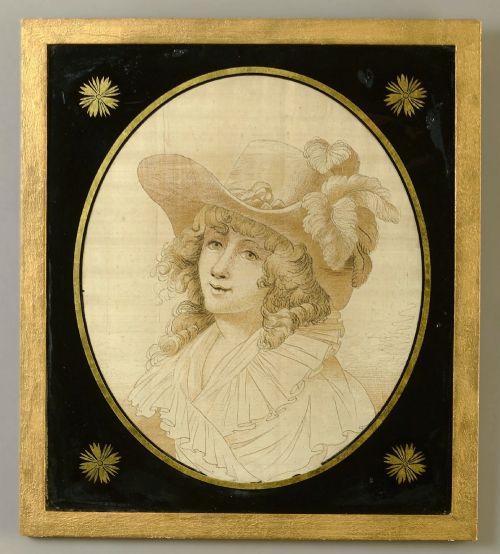
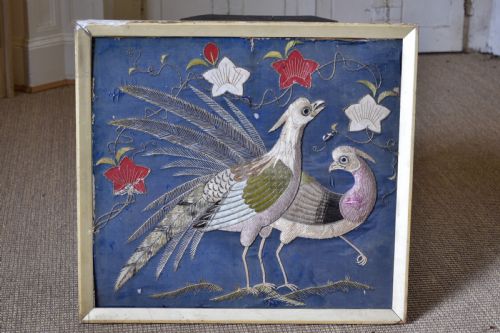
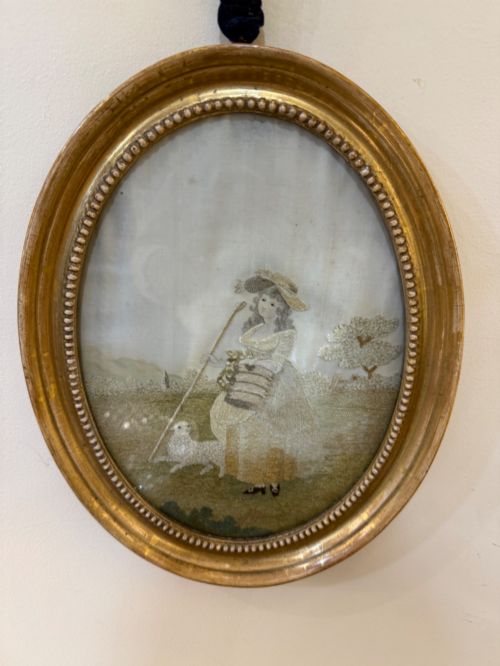
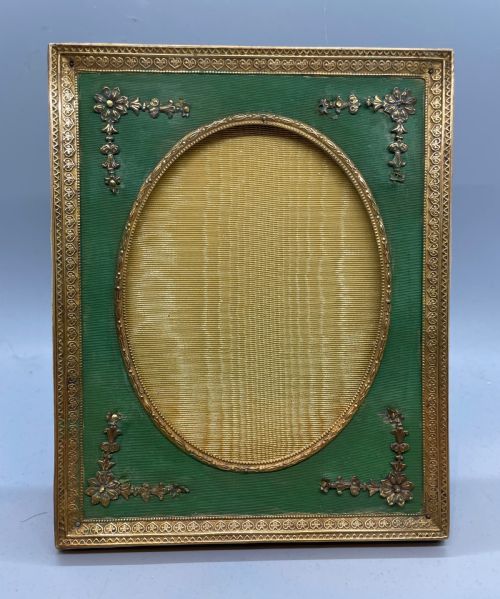




Framed Silk Picture
A framed silk picture brings tactile depth to a wall, offering centuries of textile artistry preserved behind protective glass.
Framed Silk Picture
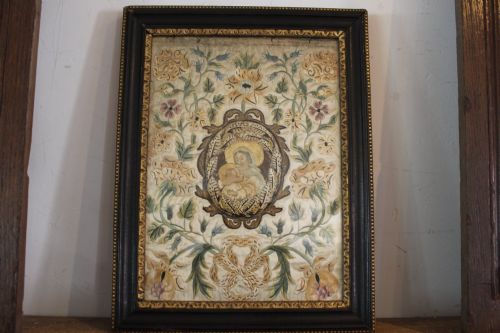
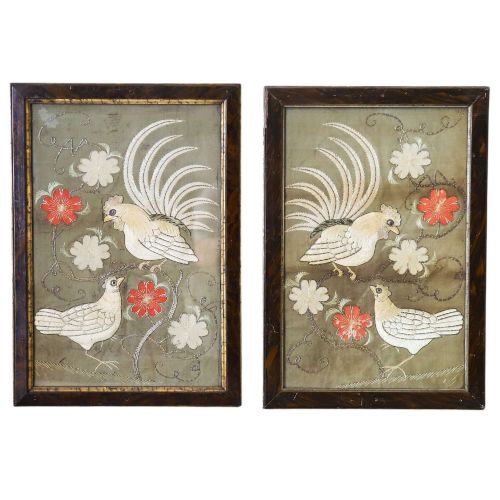
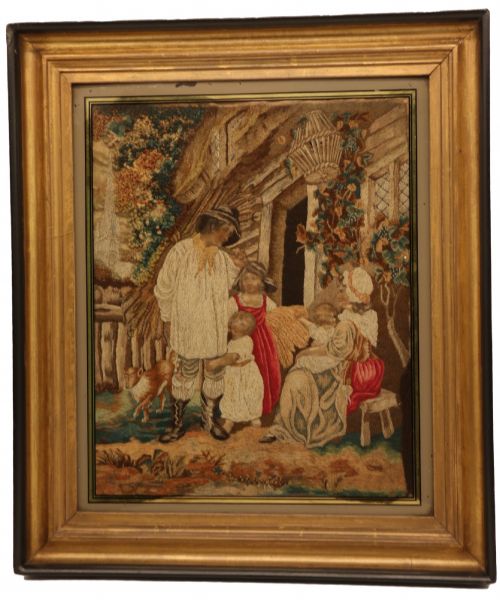
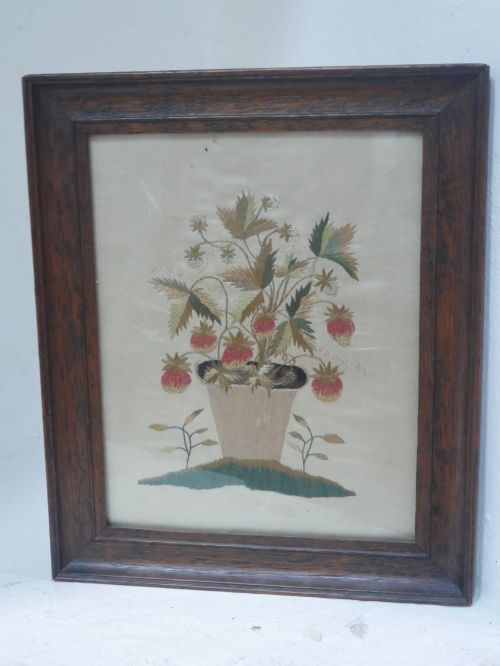
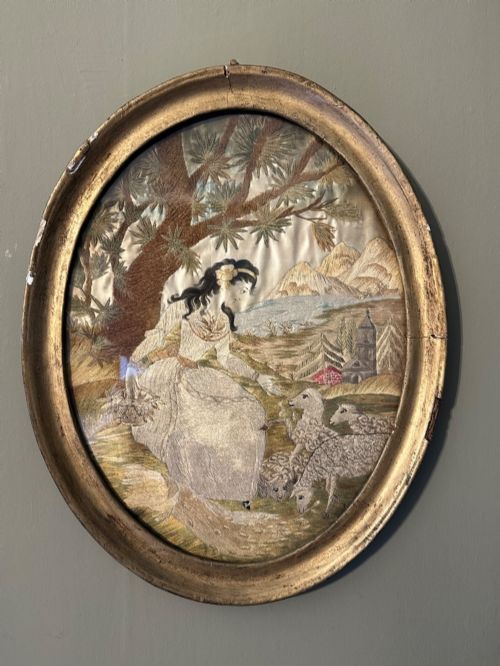
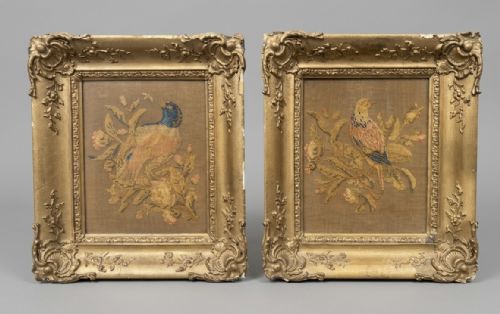
When someone searches for a framed silk picture, they encounter textile works ranging from 17th Century Stuart stumpwork panels to 19th Century embroidered landscapes and portraits. These creations blend needlework with painting on fabric, mounted for wall display.
The selections span English needlework, Chinese ancestor paintings, and Japanese textile panels. Examples stretch from Georgian samplers to Victorian silkwork, showcasing birds, figures, and pastoral scenes.
Buyers most frequently meet 19th Century and 18th Century English and Asian works. These pieces combine hand-stitched threads with painted details inside period wood, giltwood, or ormolu frames.
How they were made
Makers utilised silk, wool, and linen as foundations for stitching and painting. Artisans worked with silk floss and metallic thread to build texture and catch the light within the composition.
Stitchers included young makers such as thirteen-year-old Ann Hodson in 1847.
What varies in quality
Quality rests in the precision of the needlework and the preservation of the silk ground. Finer examples display meticulous stitch density and complex pictorial depth rather than hurried execution.
The integrity of the original frame and mounting contributes substantially to the piece. Glazing that protects the textile without compressing the raised elements indicates superior historic assembly.
Stevens of Coventry
The Framed Silk Picture Glossary
- Stumpwork
- A raised embroidery style popular in the 17th Century that uses padded underlayers to create a three-dimensional effect. Figures and motifs stand proud of the background linen or silk.
- Verre églomisé
- A process of applying gold leaf and painting on the reverse side of glass. This technique creates a reflective, decorative border around the central picture.
- Sampler
- A piece of needlework produced by a maker to demonstrate proficiency in various stitches and alphabets. These often include dates and the maker's age.
- Crewel work
- Embroidery executed with wool yarn on a linen or cotton twill fabric. This technique yields robust, textured patterns often seen in early pieces.
Framed Silk Picture: Frequently Asked Questions
How should I hang a framed silk picture?
Keep these textiles out of direct sunlight to prevent the silk threads and painted elements from fading.
Position them in rooms with stable humidity to protect both the delicate fabric ground and the antique wooden frame.
What periods do these pictures come from?
The selection spans from the 17th Century through the Georgian, Regency, and Victorian eras up to 1900. Earlier examples often feature raised stumpwork or pastoral scenes.
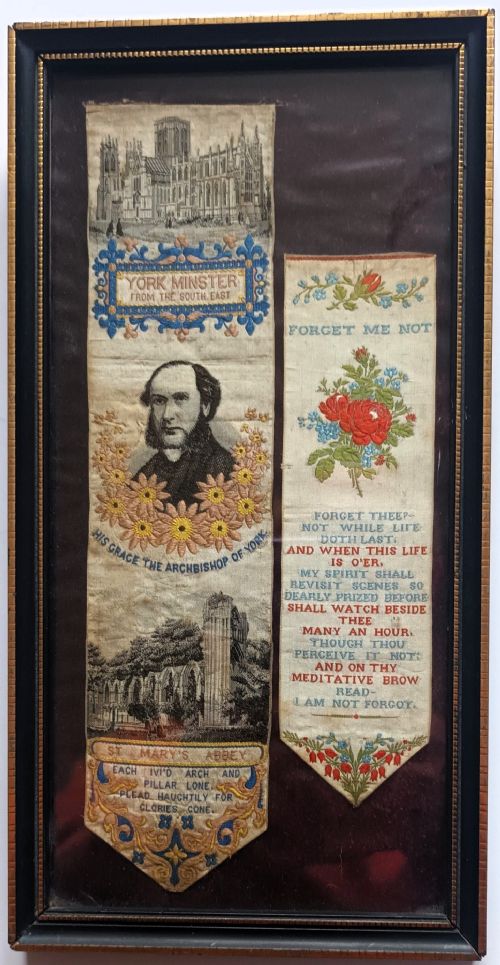
Later pieces include bookmarks, floral studies, and Asian textile panels framed in wood or ormolu.
Are the frames original to the silk?
Many pieces retain their period frames, such as giltwood, ormolu, or faux tortoiseshell surrounds. Some early works have been reframed over the centuries to ensure the textile remains protected behind glass.
Checking the fit and backing helps determine if the mount is contemporary to the needlework.