


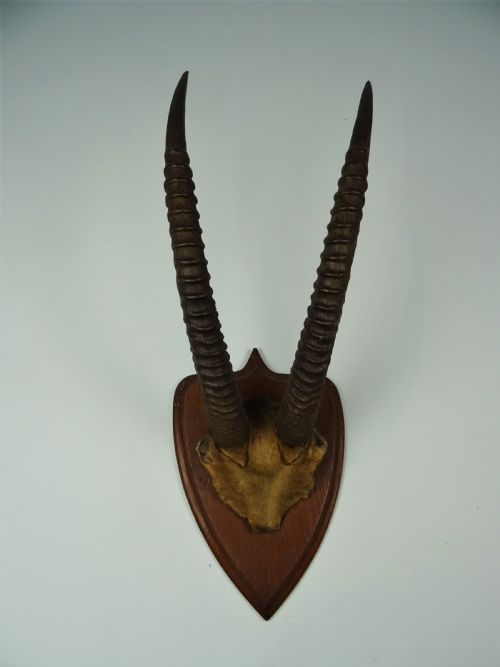
Victorian Taxidermy Trophy
These victorian taxidermy trophy pieces bring nineteenth century natural history straight into the room with preserved animals, horns and mounts.
Victorian Taxidermy Trophy
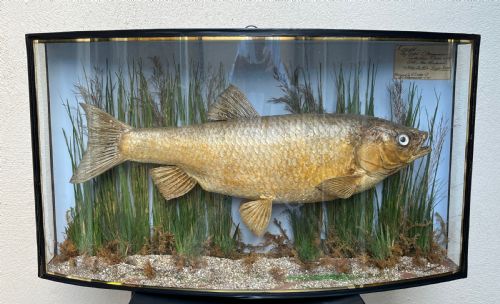
When you search for a victorian taxidermy trophy, you encounter preserved specimens, horned mounts and cased fish originating across the nineteenth and early twentieth centuries. These pieces reflect period sporting pursuits and natural history collections from the Victorian and Edwardian eras.
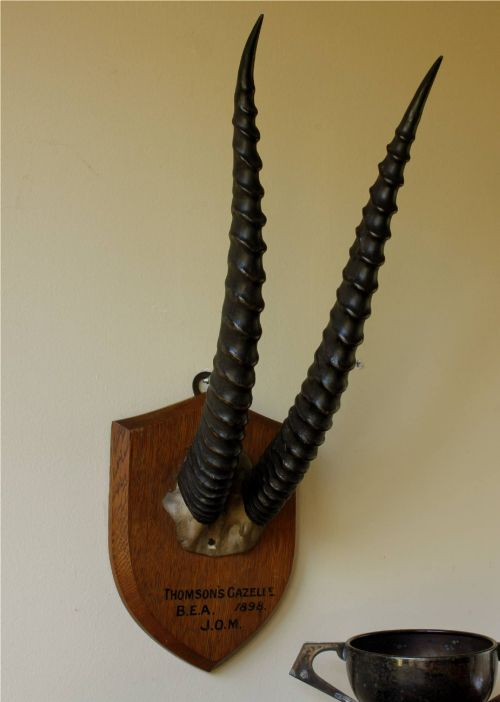
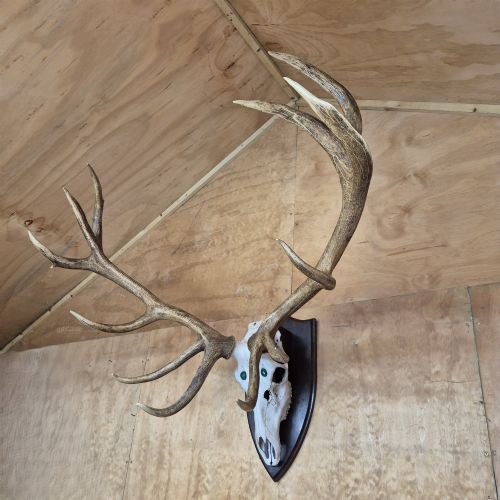
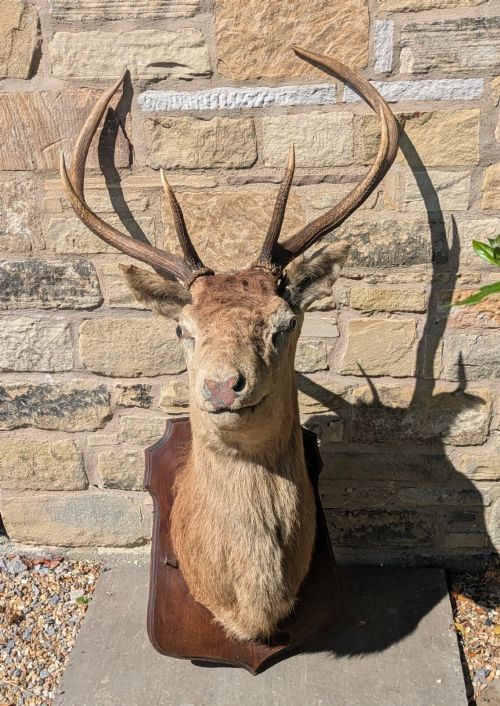
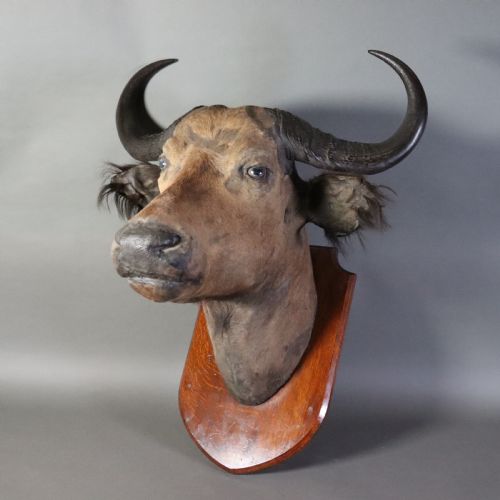
Buyers meet everything from grand Highland red deer antlers to African game trophies like the Nile buffalo and waterbuck. These mounts served originally to decorate country houses and hunting lodges in traditional styles.
Materials and construction
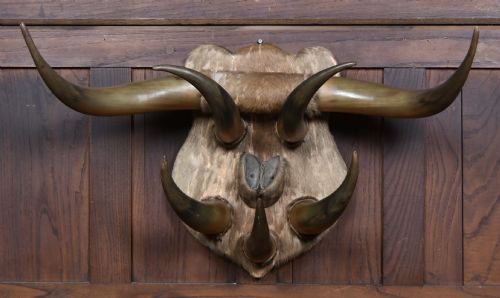
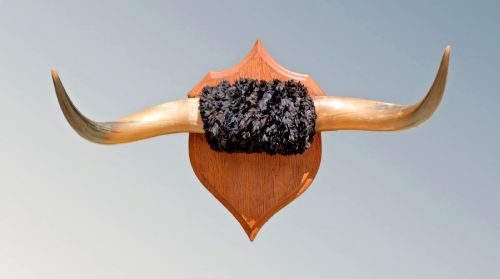
Taxidermists utilised natural hide, bone, horn, and antler, mounting specimens onto carved oak shields or enclosing delicate fish within glass display cases. Animal parts such as cattle horns and hooves were arranged structurally to form wall decor or functional objects like inkwells.
Master practitioners preserved masks and heads using traditional stuffing and mounting techniques onto wooden supports. Wooden shields often received carving or simple shaping to complement the contours of deer antlers and animal horns.
A hunts noted fox hound named Dairy Maid achieved lasting fame through the hands of a Royal Leamington Spa taxidermist.
Assessing quality in mounts
Quality rests upon the skill of the taxidermist and the anatomical accuracy of the preservation, particularly in facial expressions and posture. Signed work by notable establishments commands greater attention from collectors than anonymous pieces.
The condition of the natural hide, fur, and antlers dictates the longevity of the mount. Superior specimens retain their original glass cases and substantive carved oak shields without severe degradation to the bone or skin.
Little & Co·Peter Spicer & Sons·Gerrard & Sons London·Cooper and Sons
The Victorian Taxidermy Trophy Glossary
- Taxidermy mount
- The art of preserving and displaying an animal's skin with a lifelike appearance. These span wall hung heads to cased fish.
- Oak shield
- A wooden backing board, often carved, used to mount horns and animal heads securely to a wall. This forms the standard base for many game trophies.
- Mask
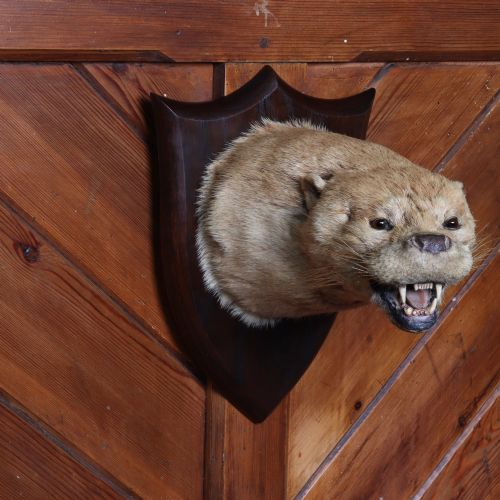
- The head and neck portion of a smaller animal, such as a fox or otter, preserved and mounted for display. These pieces usually hang directly on walls.
- Antler
- The bony growth shed and regrown annually by members of the deer family. Mounted sets range from single pairs to large royal arrangements.
- Natural hide
- The untreated or preserved skin and fur of an animal used in taxidermy preparation. Its condition remains central to the visual integrity of the mount.
Victorian Taxidermy Trophy: Frequently Asked Questions
How were these trophies displayed originally?
Original displays centred on country houses, sporting lodges, and studies where mounted heads hung on walls above wooden shields. Smaller items sat on desks and tables as functional desk accessories.
Arrangements often grouped multiple horns or combined different species to demonstrate the breadth of a collection.
How do I care for a mounted trophy?
Preserved mounts require placement away from direct sunlight and damp conditions to protect natural hide, fur, and bone from degradation. Gentle dusting with a soft brush keeps the surface clean without damaging fragile hair.
Glass cases should remain sealed where possible to protect delicate specimens like fish from atmospheric changes.
How can I tell periods apart?
Victorian pieces often feature heavy oak shields and traditional taxidermy methods, while Edwardian examples can introduce different mounting styles and varied game species. Maker signatures and dated inscriptions on the backs of shields provide definitive age markers.
The specific materials and construction techniques also align with the active years of known taxidermy firms.