





Antique Horn Trophy Mount
These antique horn trophy mount pieces bring historic wall display taxidermy into a room, offering the bold character collectors want for traditional spaces.
Antique Horn Trophy Mount
When searching for an antique horn trophy mount, collectors encounter wall decor that spans the Victorian and Edwardian periods, stretching from the late nineteenth century into the early decades of the twentieth century. These decorative objects primarily take the form of taxidermy trophies and taxidermy mounts, featuring animals from domestic cattle and sheep to African antelopes and deer.
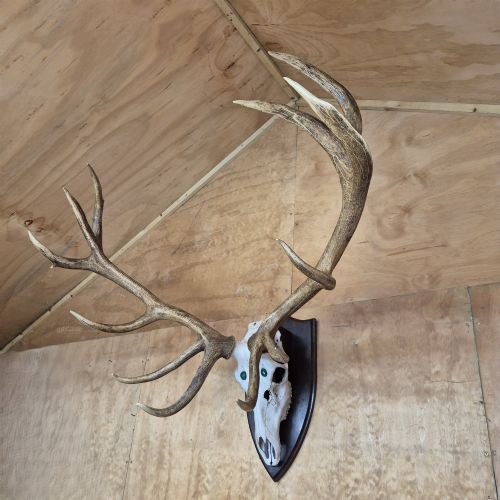
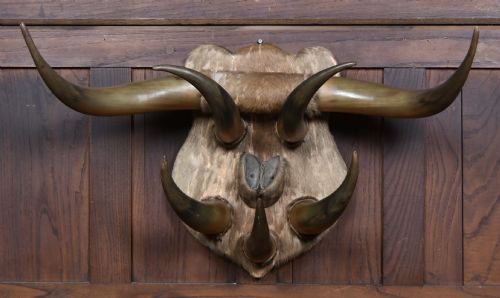
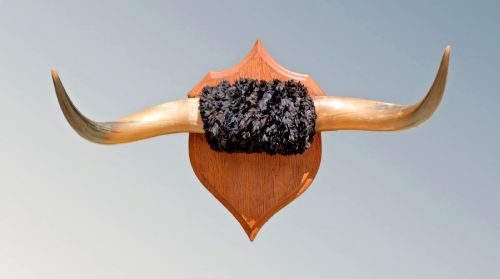
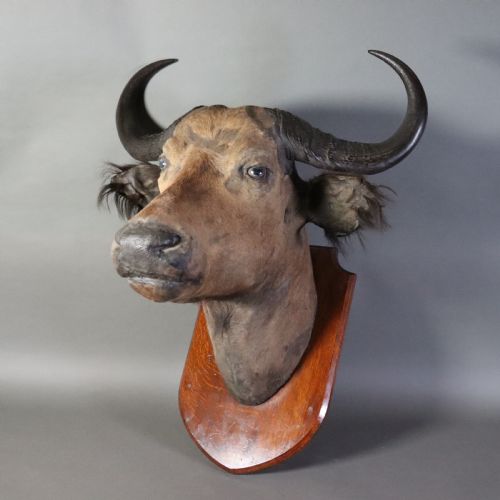
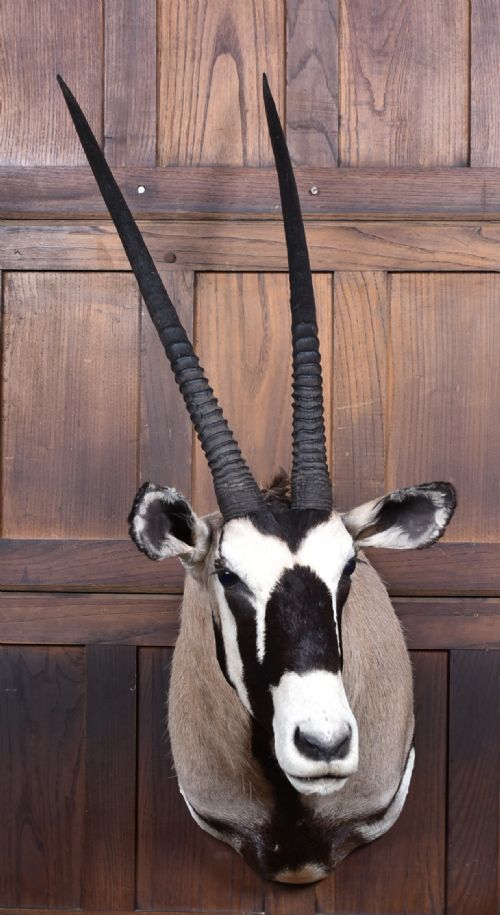
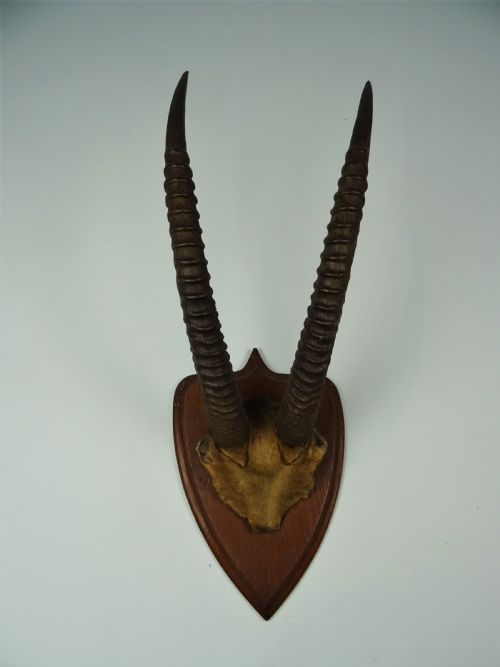
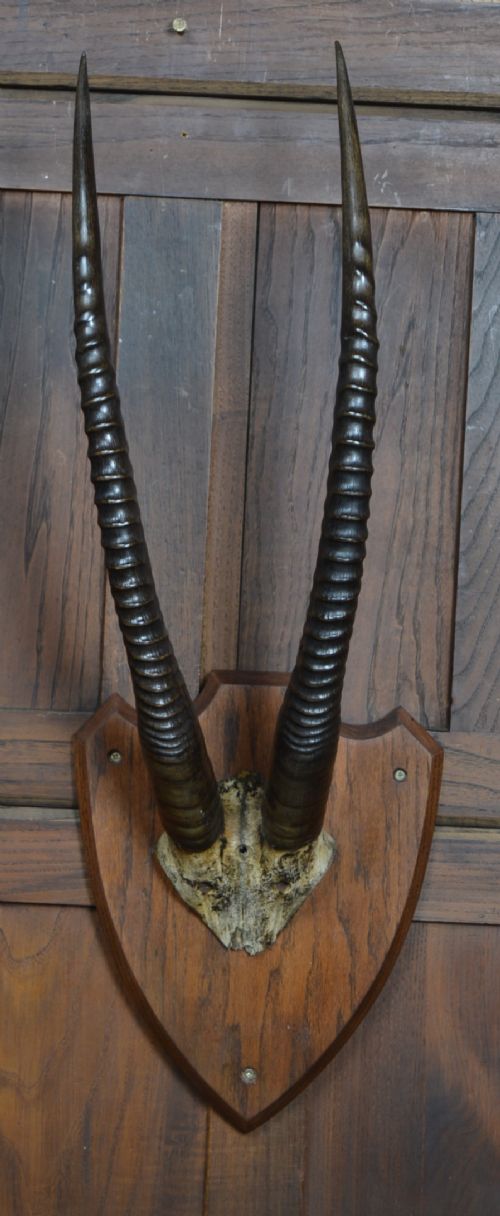
The pieces on this page range from modest mounted ram and steer horns to large sets of red deer antlers and formidable buffalo heads. Most examples are designed specifically for wall display, often fixed to wooden shields or brass brackets that reflect Highland hunting lodge and natural history aesthetics.
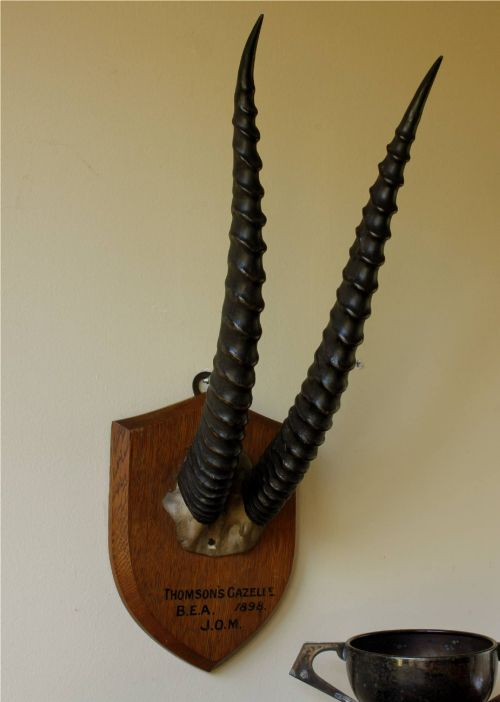
Origins vary between British hunting traditions and continental workshops, incorporating styles such as Victorian natural history and Highland traditional. Buyers find everything from single pairs of horns to full trophy heads like the waterbuck, koodoo, and Thomson's gazelle.
Factors that separate the range
Quality rests upon the natural symmetry, scale, and preservation of the horn or antler, alongside the artistic execution of the taxidermy. Larger, well-balanced sets of antlers and complete trophy heads from recognised taxidermists sit at the upper end of the range.
The craftsmanship of the mounting shield also influences the piece, with hand-carved oak backing boards and quality brass mounts marking out superior examples. Condition of the taxidermy hide, fur, and bone is critical, as is the structural integrity of the attachment to the wall support.
Some Victorian cattle horns came fitted with brass inkwells, turning a pair of farm beast horns into a desk tidy.
Edward Gerrard and Sons
The Antique Horn Trophy Mount Glossary
- Taxidermy mount
- The preserved skin, horns, or antlers of an animal prepared and fixed to a backing for display. These objects served as both scientific specimens and interior decoration in historic homes.
- Shield
- A carved wooden board, often made of oak, used to mount horns and trophy heads for wall hanging. The shape often follows the contours of the specimen attached to it.
- Antler
- The branched, bony growth shed and regrown annually by members of the deer family. Unlike horns, antlers are solid bone rather than keratin sheaths.
- Horn
- The permanent, hollow sheath of keratin over a bony core found on cattle, antelopes, and sheep. These elements retain their natural ribbed texture and curved form over time.
- Natural history
- A nineteenth-century collecting aesthetic that celebrated the study and display of specimens from the natural world. Interiors of the period frequently incorporated these mounts alongside other curiosities.
Antique Horn Trophy Mount: Frequently Asked Questions
Are these antique mounts ethically sourced?
These historical pieces originate from nineteenth and early twentieth-century hunting traditions, long before modern conservation laws were established.
They survive today as antiques representing the decorative arts and natural history collecting habits of the Victorian and Edwardian eras.
How do I clean historic taxidermy horns?
Dust the horns and wooden shields gently with a soft, dry brush to remove surface debris without damaging the delicate organic materials.
Avoid using water, chemical polishes, or commercial cleaners on the taxidermy hide or bone, as moisture causes lasting harm.
What is the difference between horns and antlers?
Horns are permanent, hollow growths made of keratin found on animals like cattle and antelopes, and they are typically retained for life.
Antlers are solid bone structures grown and shed annually by deer, featuring distinctive branching points rather than a single continuous curve.