





Brown Horn Taxidermy
Brown horn taxidermy comprises historical natural history specimens and antler mounts, offering buyers a tactile connection to nineteenth and early twentieth-century interior display traditions.
Brown Horn Taxidermy
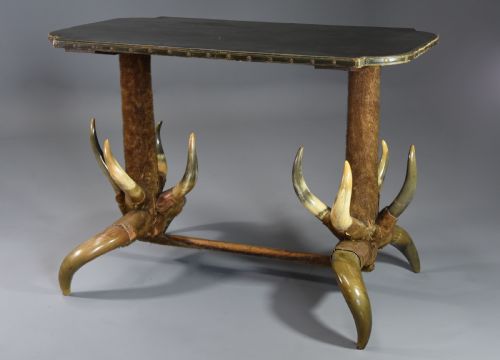
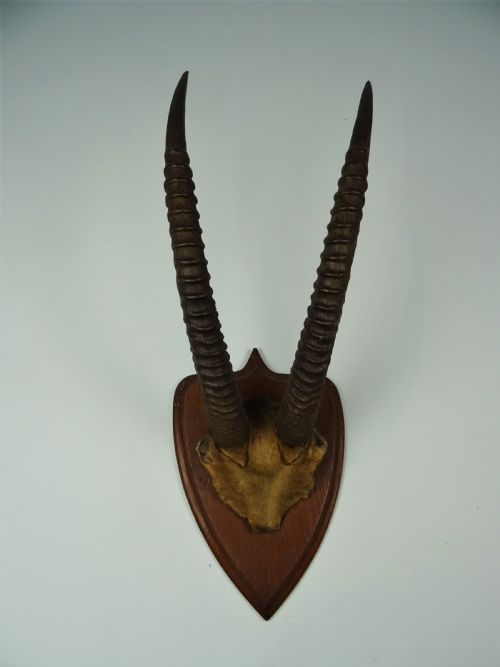
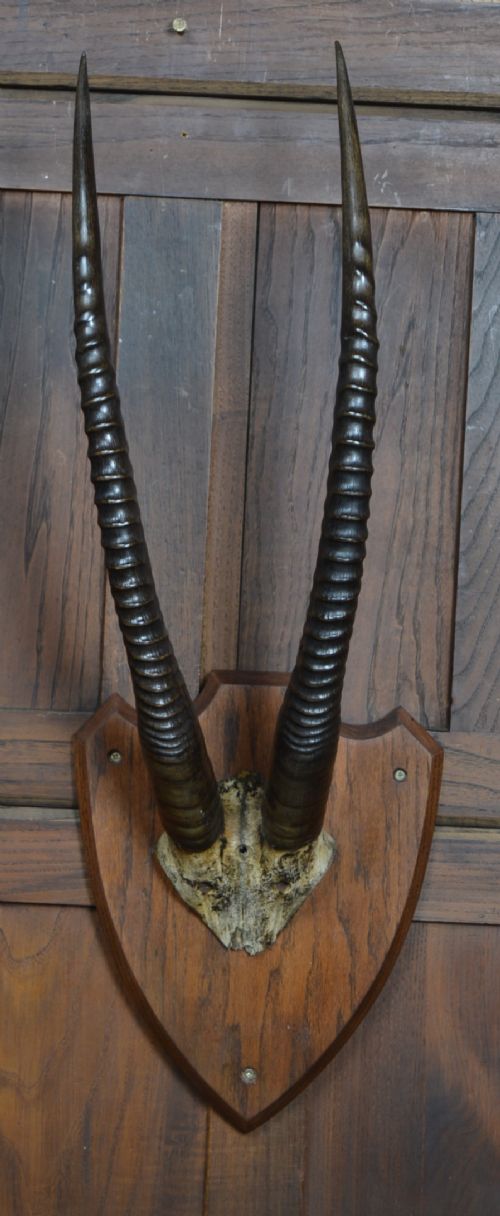
Brown horn taxidermy encompasses a diverse array of animal remains, ranging from cattle and buffalo horns to mounted antelopes, deer antlers, and horse hooves. These pieces serve as both wall decor and functional desk accessories, capturing the aesthetic of Victorian natural history and Highland lodge interiors.
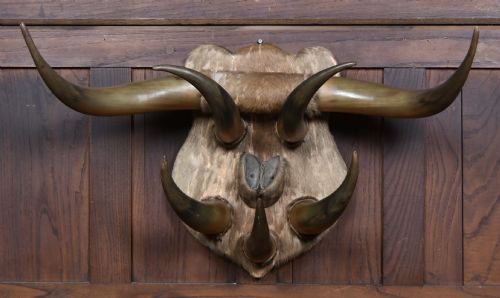
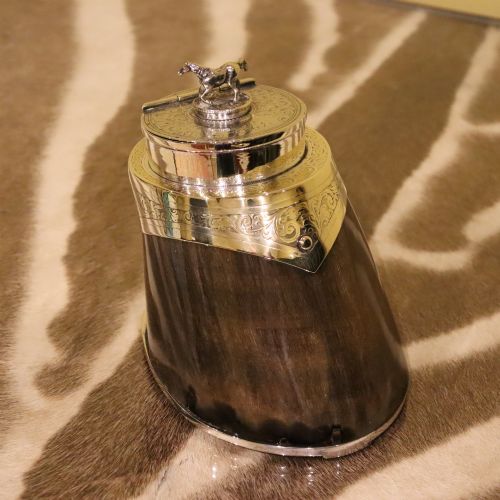
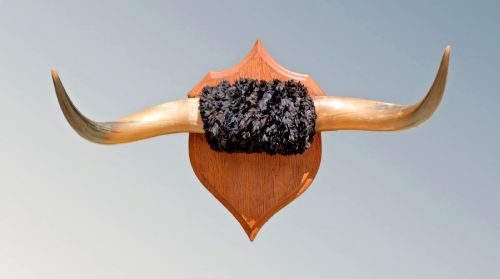
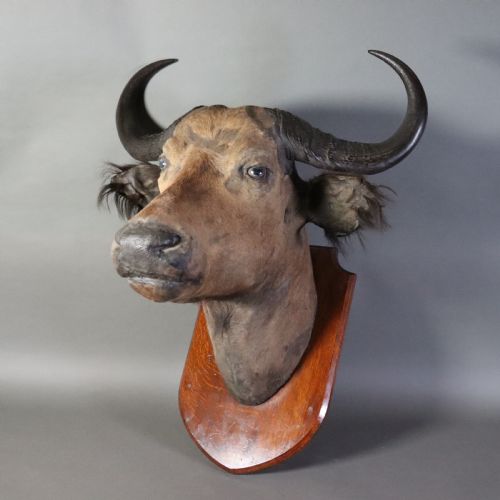
The objects available span several decades, stretching from the late nineteenth century through the Edwardian era into the nineteen-twenties. Buyers will encounter items such as steer horns mounted on oak shields, elaborate hoof inkwells, and large trophy heads.
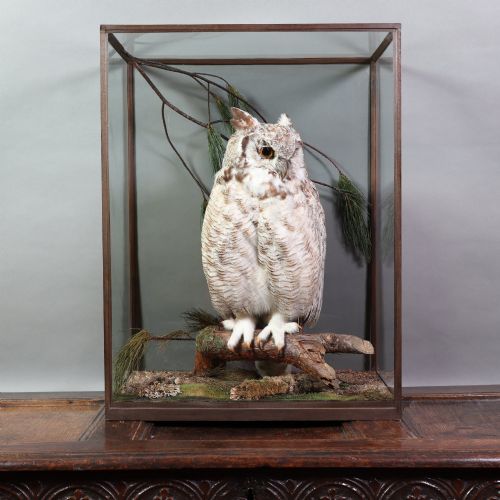
Originating largely from British hunting and natural history traditions, these specimens reflect an era when animal parts were regularly converted into domestic furnishings. They range from simple horn pairs to complex arrangements combining bone, wood, glass, hide, and silver mounts.
Assessing Quality and Execution
Quality in brown horn taxidermy rests upon the anatomical symmetry of the horns or antlers and the rigour of the initial taxidermy preparation. Superior pieces retain their natural surface texture and colour without excessive artificial intervention.
The standard of the secondary materials elevates certain items above others, particularly where silversmithing, brass mounting, or carved oak shields display superior craftsmanship. Original condition and provenance tied to known workshops further distinguish the finer examples from standard decorative pieces.
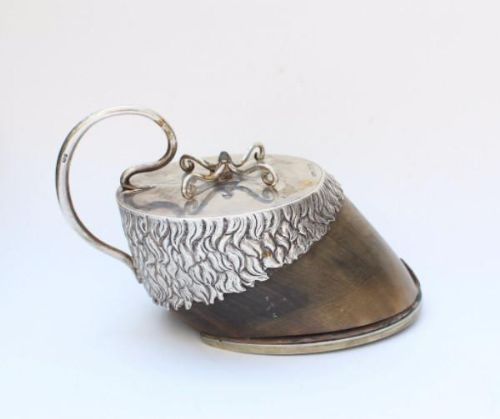
Someone decided a horse's hoof needed to be turned into a silver-mounted inkwell, and miraculously, it survived a century of writing.
Rowland Ward Ltd·Gerrard & Sons London·Edward Gerrard & Sons
The Brown Horn Taxidermy Glossary
- Taxidermy mount
- The preserved skin and horns of an animal fitted over a form or skull to create a lifelike display. These mounts range from simple horn pairs to complete trophy heads.
- Desk tidy
- A functional desktop accessory designed to hold stationery, pens, or ink. In this category, they are frequently fashioned from horse hooves with silver or brass mounts.
- Oak shield
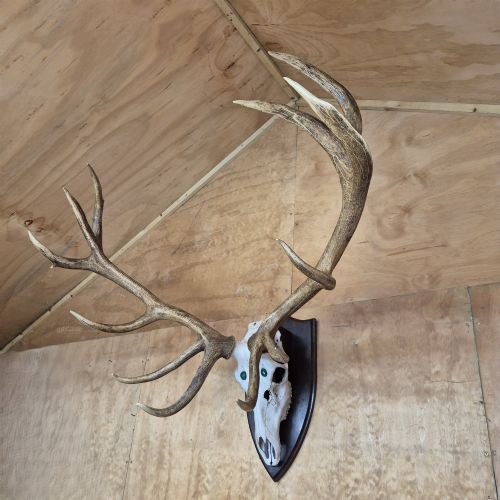
- A wooden backing board, often shaped like a heraldic shield, used to mount antlers and horns securely to a wall. Oak was chosen for its strength and grain.
- Inkwell
- A small pot for holding ink, often incorporated into desk accessories during the Victorian and Edwardian periods. Metal mounts commonly frame the opening.
Brown Horn Taxidermy: Frequently Asked Questions
How do I clean brown horn taxidermy?
Dust the horns and mounted specimens gently with a soft, dry brush to remove surface particles without damaging the natural material.
Avoid using water, chemical cleaners, or polishes on the horn and fur, as moisture can cause splitting or attract pests.
Are these pieces from the Victorian era?
The listings span from the late nineteenth century through the Edwardian period and into the nineteen-twenties, encompassing both Victorian and later pieces.
Style indicators and mounting techniques help distinguish mid-Victorian natural history items from later twentieth-century Highland lodge accessories.
How were horn mounts displayed originally?
Antlers and horns were typically fixed to wooden shields and hung high on the walls of studies, libraries, and halls. Smaller horn pieces and hooves functioned as desk accessories.
This method of display reflected hunting achievements and an interest in natural history during the nineteenth century.
Can hoof desk accessories still hold ink?
Many hoof pieces retain their original glass or ceramic liners, but using them for liquid ink is generally discouraged today.
Fluids can degrade the historic materials and linings over time, so these items are best appreciated as decorative objects.