
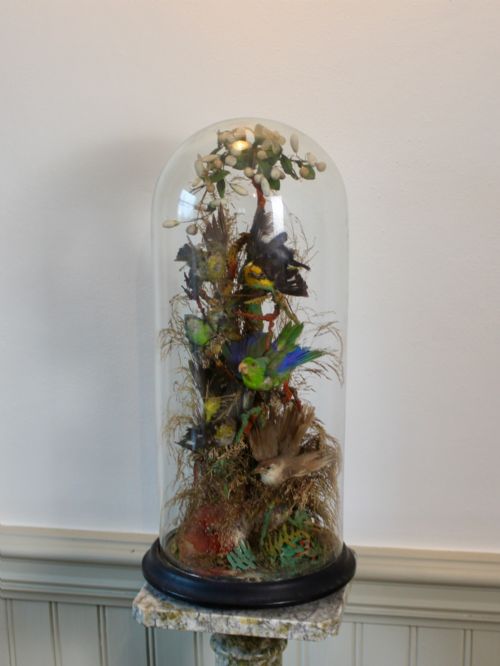


Curiosities Taxidermy Mount
These curiosities taxidermy mount pieces bring Victorian and Edwardian natural history into the home, offering preserved specimens and osteological displays that capture nineteenth-century scientific fascination.
Curiosities Taxidermy Mount
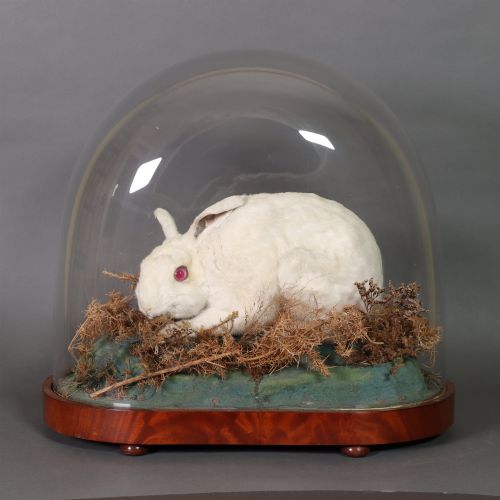
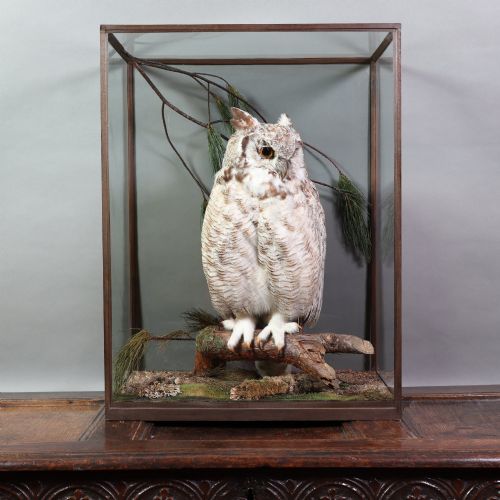
When you search for curiosities taxidermy mount, you encounter preserved specimens, skeletal remains, and natural history specimens spanning the nineteenth and early twentieth centuries. These objects range from single avian specimens and domestic animal mounts to large African mammals and arranged horns designed for interior display.
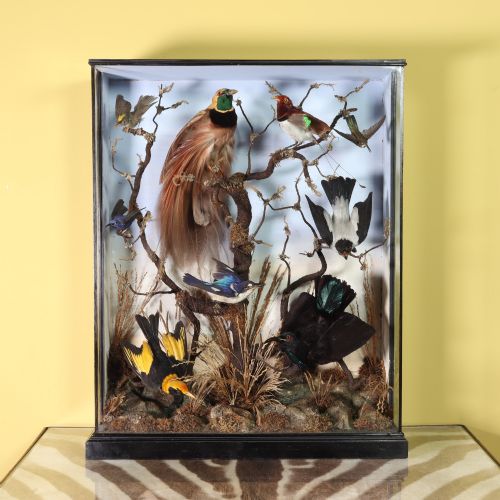
The dominant forms on this page include glass domes, oak cases, and wall-mounted horns originating from Victorian and Edwardian periods. Pieces such as cased birds of paradise, owls, and crocodilians represent the prevailing taxidermy practices of these eras.
How they were made
Taxidermists utilised preserved skins mounted over internal armatures of wire, wood, and plaster to recreate realistic anatomical forms. Specimens were then arranged within custom timber cases or beneath glass domes, frequently accompanied by moss, feathers, and painted backgrounds.
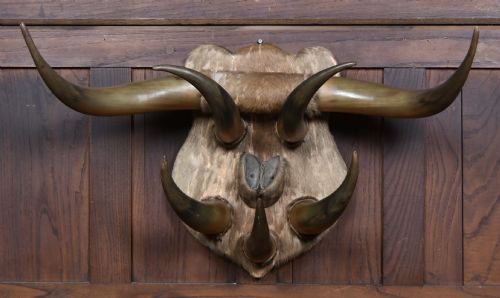
Osteological mounts such as cattle, ram, buffalo, and oryx horns were cleaned, treated, and fitted to timber shields or metal stands. Carapaces like turtle shell required drying and sealing techniques to stabilise the natural material for display.
Listings feature materials including glass, wood, feathers, bone, horn, fur, moss, and hide across Victorian and Edwardian periods.
What varies in quality
The standard of taxidermy varies according to the anatomical accuracy and preservation of the specimen. Works by established practitioners display lifelike posture, careful feather or fur grooming, and balanced compositions that maintain their integrity over generations.
Enclosure construction also distinguishes the work, with hand-blown glass domes and well-joined oak or mahogany display cases offering superior protection. The complexity of the arrangement, such as multi-bird compositions from specific geographic regions, separates standard specimens from works of notable provenance.
James Gardner of London·Rowland Ward Ltd·A Pollard·Hutchings of Aberystwyth·J Dobson
The Curiosities Taxidermy Mount Glossary
- Taxidermy mount
- The art of preparing, stuffing, and mounting the skins of animals for display in a lifelike state. These specimens serve both decorative and educational purposes within interior settings.
- Cabinet of curiosities
- A collection of diverse objects and artefacts illustrating natural history, geology, and ethnography. These assemblages formed the intellectual precursors to modern public museums.
- Carapace
- The upper shell of a tortoise, turtle, or crustacean forming part of the exoskeleton. Preserved examples are cleaned and polished for decorative wall display.
- Dome
- A bell-shaped glass cover set upon a timber base to protect delicate mounted specimens from dust and humidity. Such enclosures were common in Victorian parlours.
- Osteology
- The scientific study of bones and skeletal structures. In decorative contexts, this includes mounted horns, skulls, and hooves.
Curiosities Taxidermy Mount: Frequently Asked Questions
How do I care for a taxidermy mount?
Keep mounted specimens away from direct sunlight and high humidity to prevent feather fading and material degradation. Gentle dusting with a soft brush maintains the surface without disturbing delicate fur or plumage.
Avoid using liquid cleaners on the skin, fur, or internal components of the display. Environmental stability remains the primary factor in preserving nineteenth-century taxidermy.
What periods do these pieces come from?
The listings on this page originate predominantly from the Victorian and Edwardian eras, spanning the nineteenth and early twentieth centuries. Dates range from the 1870s through to the 1920s, reflecting active periods of natural history collecting.
Stylistic shifts across these decades moved from simple table mounts to elaborate cased dioramas and specialised hunting trophies. Each era employed distinct housing materials, such as oak cases or glass domes.
How were these specimens displayed originally?
Victorian households integrated taxidermy into studies, libraries, and drawing rooms as part of broader cabinet of curiosities displays. Glass domes sat upon parlour tables, while horn mounts and mammal heads adorned hunting lodges and hallways.
These arrangements reflected contemporary scientific inquiry and exploration. Collectors sought to bring remote global ecosystems directly into domestic interior spaces.
How do I identify different types of mounts?
Examine the enclosure and mounting style to differentiate between cased dioramas, tabletop domes, and wall-hung horns or skulls. Avian specimens often appear in glazed wooden cabinets, whereas large mammals utilise wooden shields for wall suspension.
Documentation, labels on the underside of bases, or maker signatures on the interior backing paper help attribute specific works. Materials such as oak, glass, and brass hardware provide further chronological clues.