


Victorian Tapestry Accent Chair
A victorian tapestry accent chair brings rich texture and period character into a room, offering a functional seat wrapped in historic woven textile.
Victorian Tapestry Accent Chair
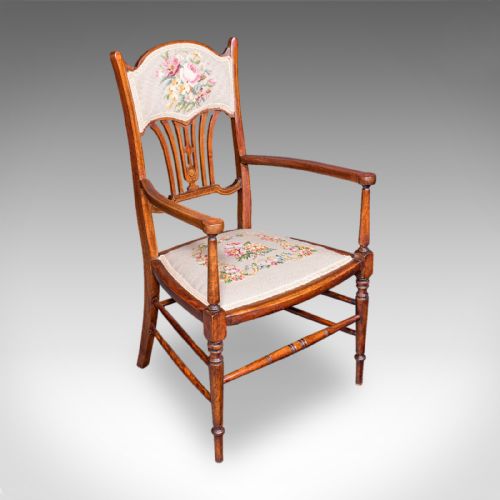
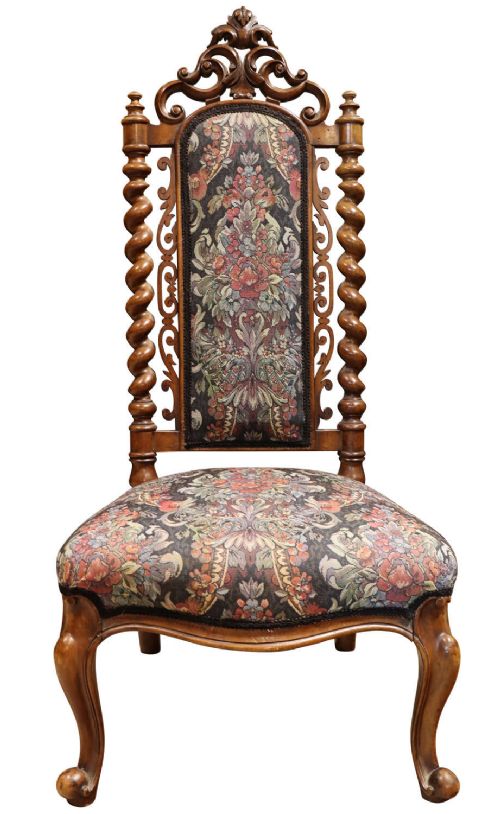
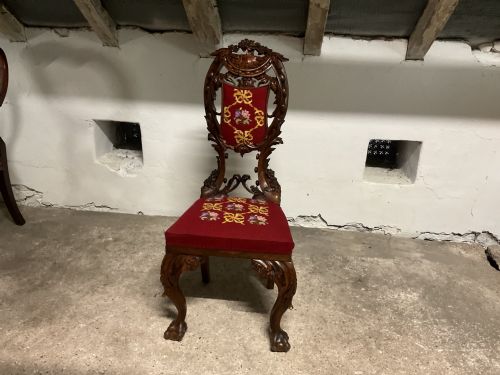
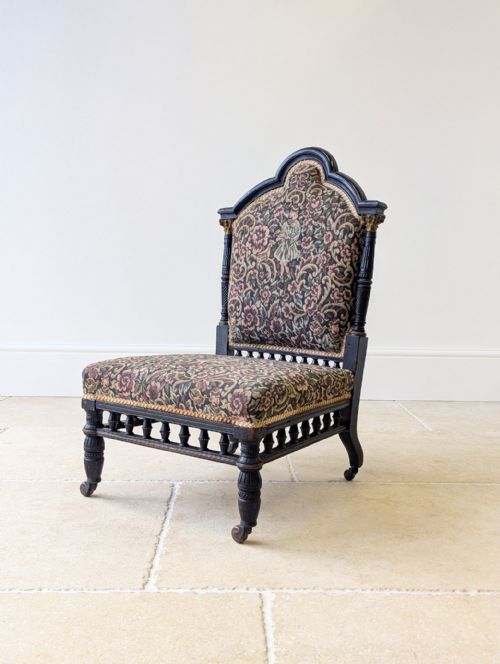
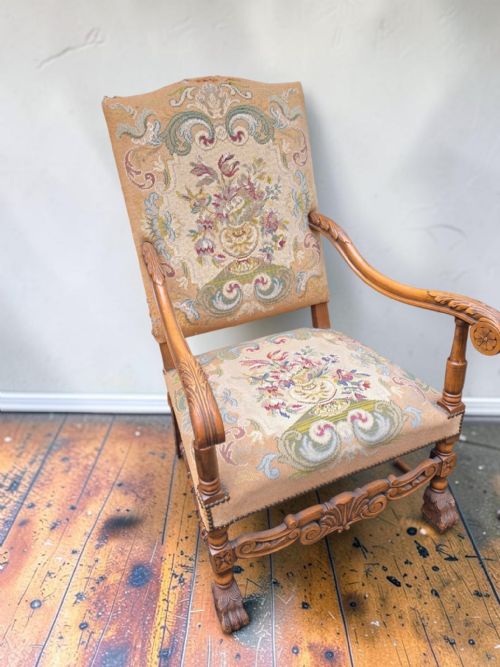
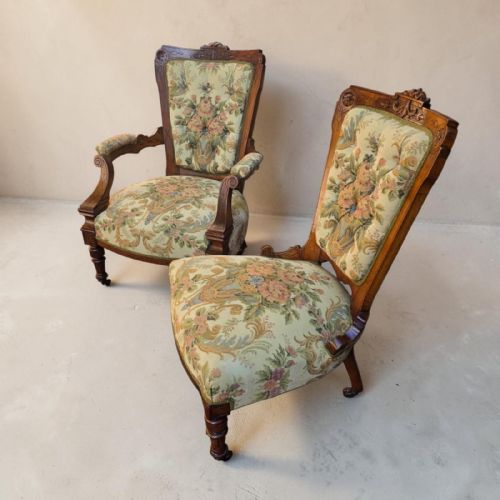
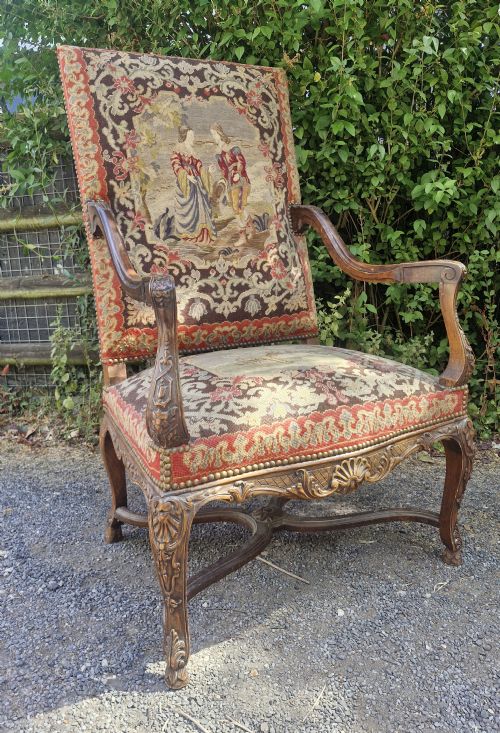
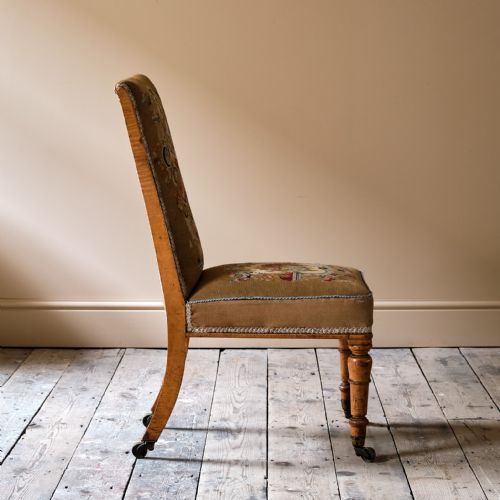
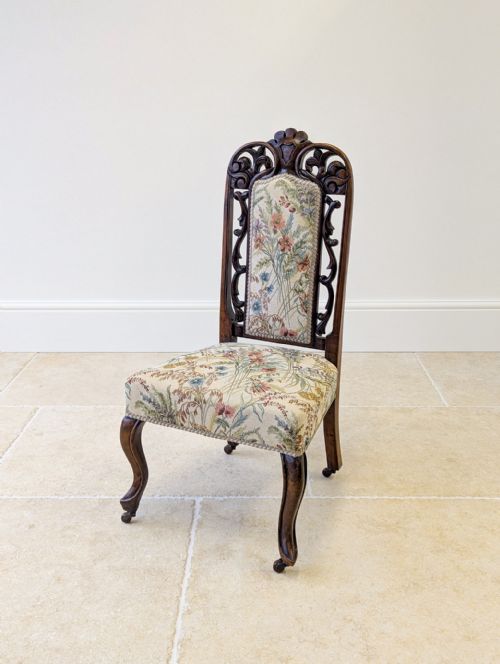
When searching for a victorian tapestry accent chair, buyers encounter a variety of nineteenth-century seating forms including low salon chairs, nursing chairs, and open armchairs. These pieces combine supportive wooden frames with patterned textile upholstery, serving both decorative and practical purposes in domestic spaces.
The selections on this page span the broader Victorian era alongside related nineteenth-century periods, utilising diverse timber frames and needlework or tapestry covers. Walnut and mahogany appear frequently alongside oak and rosewood, establishing solid foundations for the textile work above.
Materials and construction
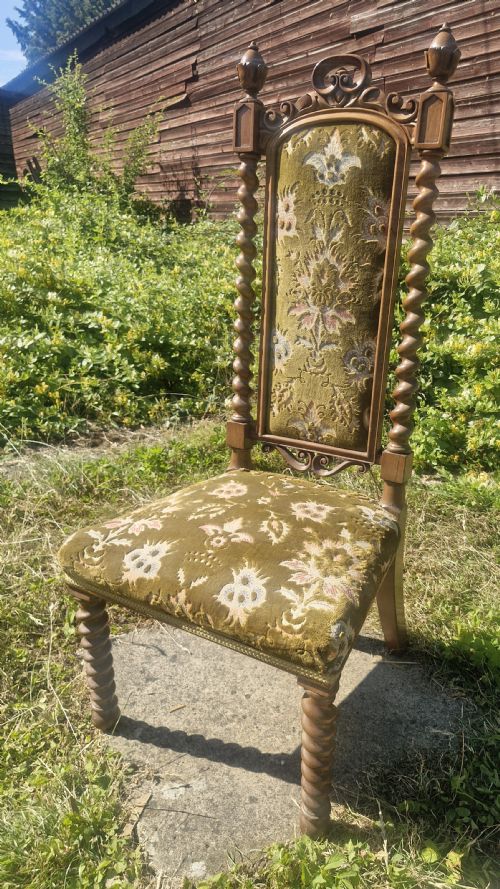
Carved and turned timber provides the structural framework for these seats, with walnut, mahogany, and rosewood shaped into scrollwork, bobbin turnings, or revival styles. Cabinetmakers joined these hardwoods using traditional joinery methods to support the weight and tension of daily use.
Textile covers, including petit point and needlework tapestries, were stretched over padded frames and secured with tacks or gimp. These woven surfaces display floral, geometric, or figurative motifs executed in wool and silk threads.
Prie-dieu chairs invite quiet reflection, though nineteenth-century users often repurposed them simply for reading the morning post.
Distinction in quality
The refinement of the timber carving dictates much of the visual merit, distinguishing simple turned frames from deeply sculpted walnut or mahogany with intricate relief work. Crisp detailing in the woodwork reflects the skill of the original workshop.
The intricacy and preservation of the tapestry cover further separate standard examples from finer pieces. Tightly worked needlework with well-preserved colour and secure stitching represents superior textile execution.
R Whytock of Edinburgh·Holland and Sons
The Victorian Tapestry Accent Chair Glossary
- Tapestry
- A thick textile formed by weaving coloured yarns to create pictorial or geometric patterns. These fabrics provide both the primary decorative surface and the upholstered comfort on period chairs.
- Salon chair
- A smaller, movable seat designed for entertaining guests in a formal reception room. These frames often feature exposed carved woodwork and decorative textile covers.
- Nursing chair
- A low-seated chair traditionally built with an ergonomic height for nursing infants. The low profile allows the sitter to rest comfortably with reduced strain.
- Prie-dieu
- A devotional chair fitted with a low seat and an upper rail for kneeling or leaning during prayer. These Victorian pieces frequently showcase Gothic Revival influences and rich needlework.
Victorian Tapestry Accent Chair: Frequently Asked Questions
How do I care for antique tapestry?
Protect the fabric by keeping the chair out of direct sunlight to prevent the dyed yarns from fading over time. Gentle vacuuming with a soft brush attachment helps remove dust without snagging the delicate threads.
Avoid placing heavy objects on the arms or seat that might strain the aged textile or the underlying padding. Professional textile conservationists can address any structural wear in the weave.
What is the difference between a salon chair and an armchair?
Salon chairs are typically lighter and more compact, intended for flexible placement and social gatherings in formal rooms. Their open frames display more exposed woodwork and decorative carving.
Standard armchairs offer a more substantial frame with dedicated armrests built for extended seating. They provide heavier structural support and a wider profile.
How do I identify a Victorian frame?
Victorian seating often exhibits specific revival styles such as Gothic, Rococo, or Aesthetic Movement influences expressed through carved walnut, mahogany, or ebonised wood. Turned spindles, cabriole legs, and scrollwork are common structural motifs.
Joinery techniques and wood patina also offer clues to the nineteenth-century origin of the piece. Examining the underside can reveal period construction methods and materials.